Iran War Erodes US Global Standing, Forcing Allies to Reassess Dependence
The ongoing war with Iran is accelerating a global reassessment of alliances and energy security, as nations distance themselves from an unpredictable U.S.

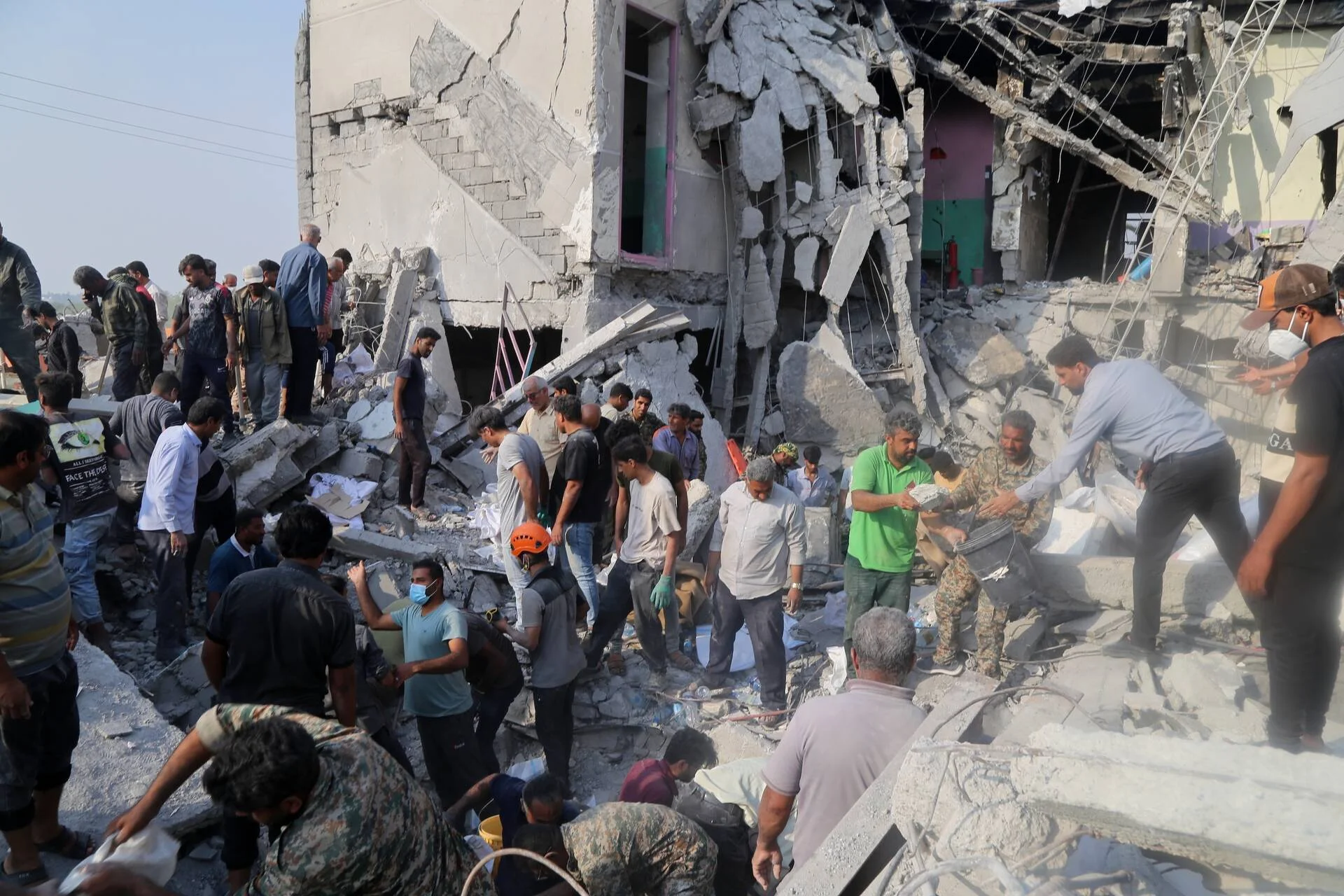
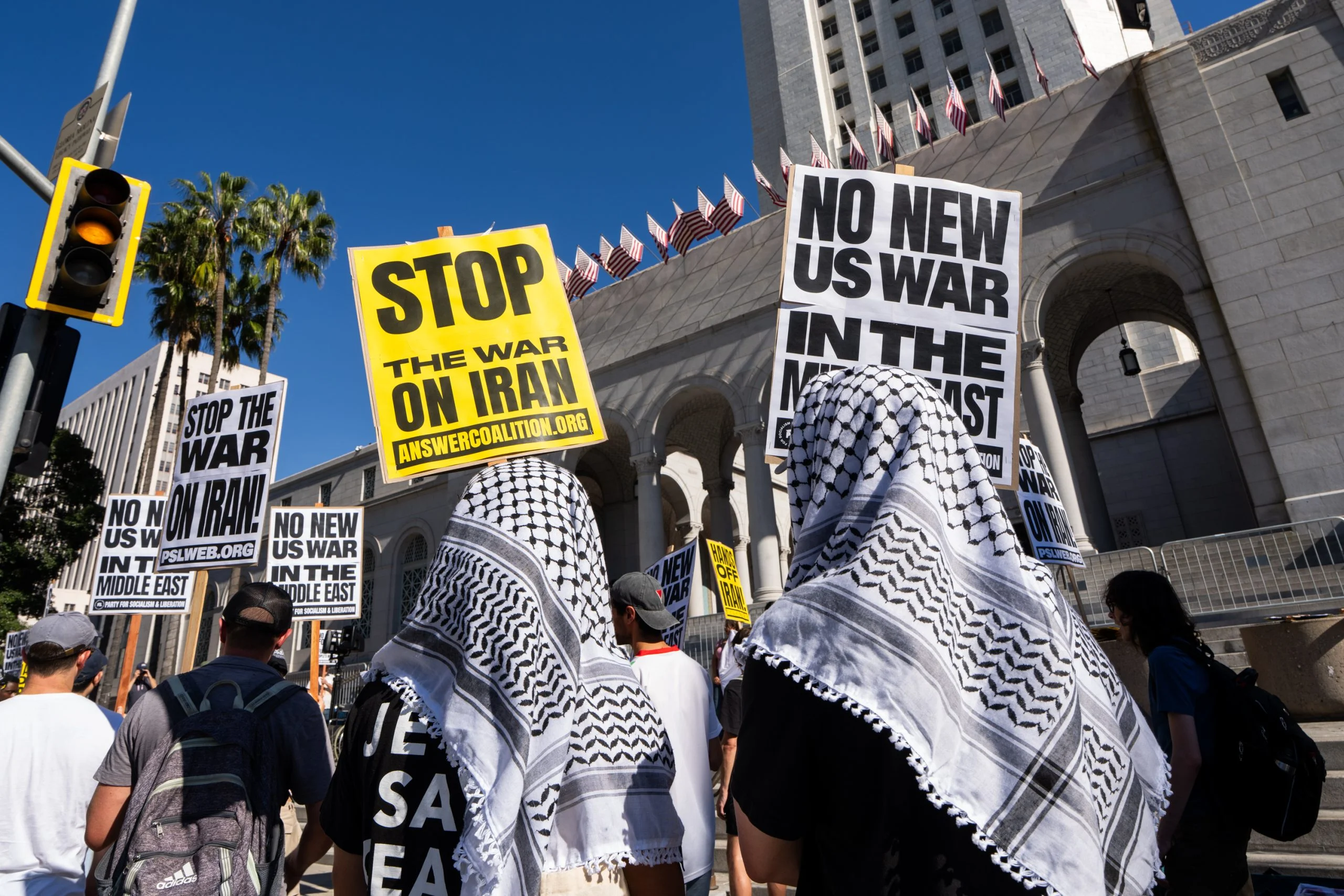
The United States' latest military engagement in Iran, initiated on February 28, 2026, has ignited a wave of global instability, prompting allies to openly question America's reliability and accelerating a worldwide recalibration of strategic dependencies. From economic ties to energy independence and military cooperation, nations are expressing growing apprehension about the unpredictability of U.S. foreign policy under the current administration. This deepening skepticism, fueled by what some perceive as a unilateral and erratic approach to international conflict, suggests a significant and potentially irreversible erosion of American influence on the global stage, pushing partners towards greater self-reliance and diversified relationships.
Erosion of Confidence and Shifting Alliances
The Trump administration's conduct of the war with Iran has conspicuously failed to inspire confidence among traditional allies, leading to an open questioning of America's long-term commitment and strategic coherence. As noted by Politico, Canadian Prime Minister Mark Carney has starkly described his country's economic reliance on the U.S. as "weaknesses" that must be corrected. Carney’s remarks, made in a recent video message, underscore a growing sentiment of vulnerability among nations tied closely to the U.S. “We have to take care of ourselves because we can’t rely on one foreign partner,” Carney stated, suggesting a direct response to perceived instability emanating from its southern neighbor. This sentiment is echoed by an anonymous Washington-based Asian diplomat, who expressed widespread exasperation with the war's chaotic nature and the potential economic fallout, telling Politico, "If a more reasonable person becomes the next president, the image of the U.S. might improve, but for policymakers this raises some tough long-term questions about the alliance, how far we can go to stay aligned with the U.S. and what we should do if we can’t rely on the U.S. anymore." Such statements highlight a profound re-evaluation by global actors, who are now contemplating futures less dependent on American leadership.
The lack of clear strategic direction from Washington has further exacerbated these concerns. Thomas Wright, a former National Security Council official from the Biden administration, criticized the current administration's approach, stating, "Allies don’t know what to believe, adversaries don’t know what to fear, and his own Cabinet do not know what his strategy or intentions actually are." This disarray, detailed in Politico, creates a vacuum that other powers, particularly China, Russia, and North Korea, are likely to exploit. While White House spokesperson Anna Kelly asserted that the "America First" policy has led to better trade deals and increased allied defense spending, her insistence that "the entire world will be safer, more stable, and better off" once Iran's nuclear threat is eliminated rings hollow to many observing the current international landscape.
Global Energy Markets in Flux
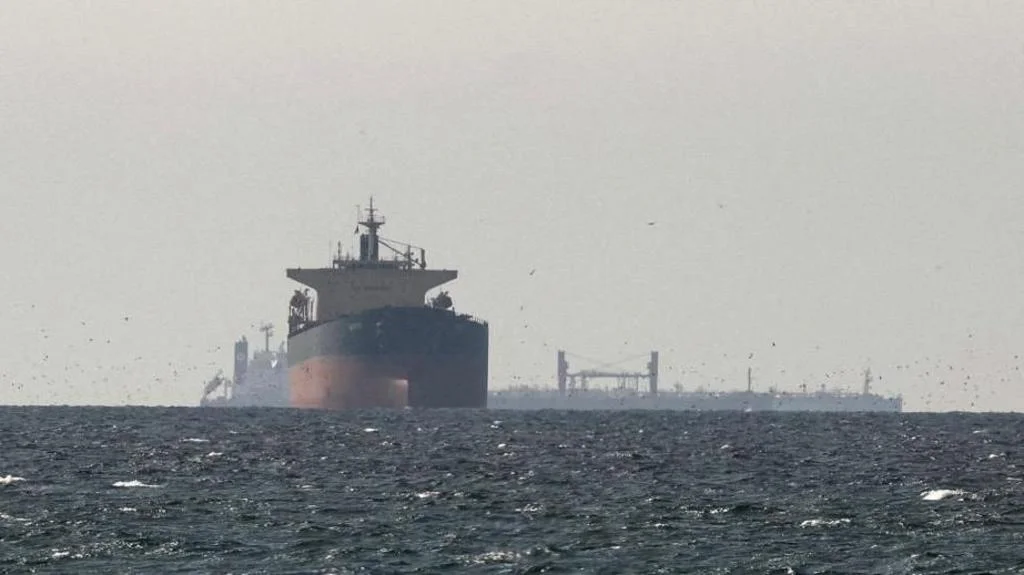
The conflict in Iran has sent shockwaves through the global energy sector, prompting an accelerated shift away from fossil fuel dependency. The closure of the Strait of Hormuz and Iranian attacks on Middle Eastern energy facilities following the U.S. and Israeli launch of the war on February 28 have walloped global supply chains and driven up prices. While the U.S., as the world's largest oil and gas producer, has seen a short-term bolstering of its influence over energy markets, this gain is perceived by many as fleeting. Asian nations, deeply exposed to volatile energy prices, have already instituted measures like mandatory work-from-home policies and export halts, and have now committed to rapidly expanding renewable energy infrastructure and restarting nuclear power plants, as reported by Politico. This strategic pivot aims to mitigate future shocks from fossil fuels, which have historically led to stagflationary scenarios of slow growth and rising costs.
Europe, drawing lessons from the Russian invasion of Ukraine, is equally determined to reduce its reliance on single energy suppliers. The continent plans to significantly expand energy efficiency and renewable power programs, alongside a broader deployment of electric vehicles. This strategic shift is not merely about surviving the current crisis but about building a more resilient energy future, according to Asian Development Bank President Masato Kanda, who stated, "The goal here is not just to survive the shock. It is to use this period of uncertainty to build a foundation for more durable stability," as cited in Politico. The implications extend beyond energy, with many nations likely turning to China for leadership in green technology, given its overwhelming control of the solar energy supply chain, cut-rate electric vehicle production, and dominance in critical mineral extraction for clean energy batteries. Despite these global movements, U.S. Energy Department spokesperson Ben Dietderich, referring to comments by Energy Secretary Chris Wright, reiterated America's commitment to maintaining influence through oil and gas, emphasizing its role as a net exporter, a stance that appears increasingly out of step with global trends.
The Fraying Fabric of Military Alliances
The strain on America's military alliances has become undeniably evident as the war in Iran progresses. In previous conflicts in the region, U.S. presidents typically rallied allies to their cause, as seen last year when the Trump administration sought help in defending Israeli cities from Iranian attacks. However, this time, the administration launched the war without even briefing its closest European allies, a significant departure from standard diplomatic practice, according to two European diplomats cited in Politico. Furthermore, there have been no clear requests for assistance from these allies since the conflict began, leading to a palpable sense of abandonment and frustration.
In response to the closure of the Strait of Hormuz, the UK and France have taken the initiative to convene meetings with dozens of allied states – pointedly, without U.S. involvement – to plan for keeping the crucial waterway open post-conflict. This European initiative aims to establish defensive operations to protect commercial shipping, a clear indication of allies stepping up to address a shared security concern independently of Washington. Simultaneously, the European Union is exploring ways to strengthen its collective defense mechanism, Article 42.7, a move interpreted by some as a direct response to perceived American unreliability and past threats, such as those concerning Greenland. While U.S. defense relationships remain deeply embedded globally and are difficult to unravel, and major military exercises with countries like the Philippines, Japan, and Canada still proceed as a warning to China, these independent European actions signal a growing willingness to pursue security interests without direct American leadership, perhaps due to the increasing unpredictability of the White House.
International Law Under Scrutiny
The war in Iran has cast a harsh light on the application and perceived erosion of international law, particularly concerning the Strait of Hormuz. Maryam Jamshidi, an Iranian American associate professor of law at the University of Colorado Law School, argues vociferously that the international condemnation of Iran's actions in the Strait, particularly its efforts to regulate and charge fees for passage, is disproportionate and legally dubious. In her piece for The Nation, highlighted by Democracy Now!, Jamshidi contends that Iran has a "reasonable legal argument" for its regulatory activities. Conversely, she points out that the "aggressive and illegal war" initiated by the U.S. and Israel against Iran has received comparatively muted criticism from Western states and some regional Arab nations. This double standard, she suggests, reveals a selective application of international law, where it is used to constrain Iranian behavior while effectively granting the U.S. and Israel a "free hand."
Jamshidi’s analysis underscores a critical concern: the utility and legitimacy of international law itself are being questioned when powerful nations appear to act with impunity. The consistent disregard for international norms by Israel, often with the support of the United States and other Western governments, in its actions across the Middle East—from Palestine to Lebanon, Syria, and Yemen—has led many to doubt the efficacy of such legal frameworks. This "war of choice" instigated by the U.S. and Israel, as she describes it, further exacerbates these doubts, potentially undermining global efforts to uphold a rules-based international order. The perceived hypocrisy weakens the moral authority of those who preach adherence to international law, fostering a cynical view that international legal principles are merely tools for political leverage rather than impartial standards of conduct.
Fragile Truces and Escalating Threats
Amidst the broader conflict, regional cease-fires remain precarious, highlighting the volatile nature of the Middle East. A 10-day cease-fire between Israeli forces and Hezbollah, Iran’s most powerful proxy, went into effect in Lebanon on Friday morning, following intense diplomatic efforts by the U.S. government. This truce, announced by President Trump, was a critical development, as the fighting between Israel and Hezbollah had threatened to derail a two-week U.S.-Iran cease-fire set to expire next week. Iran had insisted that any comprehensive cease-fire must also cover attacks on its ally, Hezbollah, as reported by The New York Times. The delicate balance was further complicated by Hezbollah’s non-committal stance, stating its actions would be "based on how developments unfold," even as Israeli and Lebanese officials confirmed implementation.
The terms of the truce, outlined by the U.S. State Department, allow Israel to retain its right to self-defense but prohibit offensive operations against Lebanese targets. In return, the Lebanese government, with international support, is expected to prevent Hezbollah from launching attacks against Israel. This arrangement is particularly challenging given the Lebanese government's limited control over Hezbollah. Adding to the tension, Defense Secretary Pete Hegseth renewed U.S. threats to attack Iran’s power plants and other energy sites if a peace deal is not reached. These threats, reported by The New York Times, underscore the high stakes and potential for rapid escalation. With over 2,100 killed and a million displaced in Lebanon, the human cost of the conflict is immense, and the underlying issues remain unresolved, leaving little room for optimism regarding a lasting peace. President Trump's hope for an upcoming in-person negotiation this weekend and his suggestion of extending the pause if a deal is "close" further highlight the fluid and unpredictable nature of these diplomatic efforts.
Looking Ahead: A Glimpse into a Post-American World Order
The unfolding events surrounding the Iran war paint a stark picture of a global order in transition, one where the traditional reliance on American leadership is being systematically questioned and re-evaluated by its closest allies. The short-term instability caused by the conflict, from energy price spikes to military unpredictability, is acting as a powerful catalyst for nations to forge more independent and diversified paths. This shift is not merely a reaction to a single conflict but reflects deeper anxieties about the consistency and reliability of U.S. foreign policy. Allies, once confident in America’s strategic vision, are now actively seeking to insulate themselves from its perceived volatility, accelerating moves towards energy independence, strengthening regional security blocs, and exploring new economic partnerships, particularly with rising powers like China.
If the current U.S. approach persists, the long-term prognosis, while not "terminal," as Thomas Wright suggests in Politico, certainly points towards a significantly diminished American sphere of influence. This could see a multipolar world order emerging more rapidly than anticipated, with regional powers and blocs asserting greater autonomy. The coming months will be critical in observing whether the U.S. can re-establish trust and strategic coherence, or if the current drift will solidify the global perception of an unpredictable and unreliable partner, thereby accelerating its "breakup with the world" in tangible and lasting ways.
Related Articles
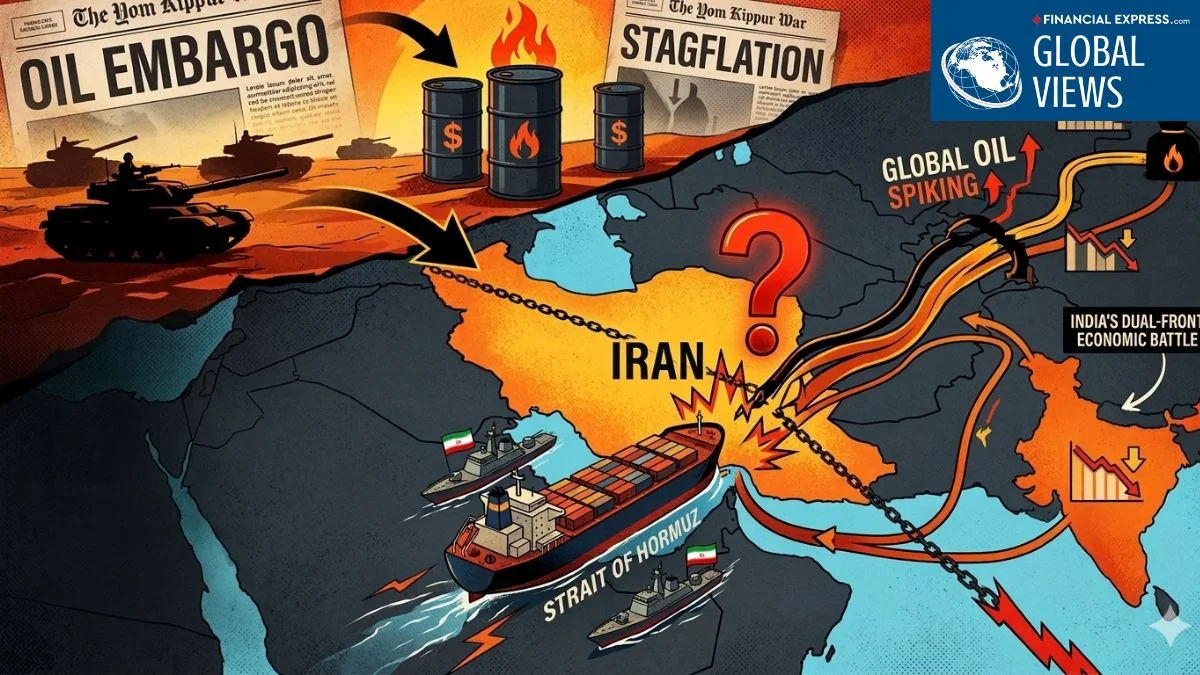
Iran War's Shadow: Strait of Hormuz Standoff Grips Markets and Shapes Economy on April 7
The escalating Iran war and threats to the Strait of Hormuz are driving market uncertainty, impacting crypto, ETFs, and even housing on April 7.