Iran War Unleashes Global Humanitarian Catastrophe, Crippling Aid Efforts
The escalating conflict in Iran is causing widespread displacement, fueling unprecedented oil shocks, and disrupting global humanitarian aid efforts, threatening millions vulnerable populations worldwide.

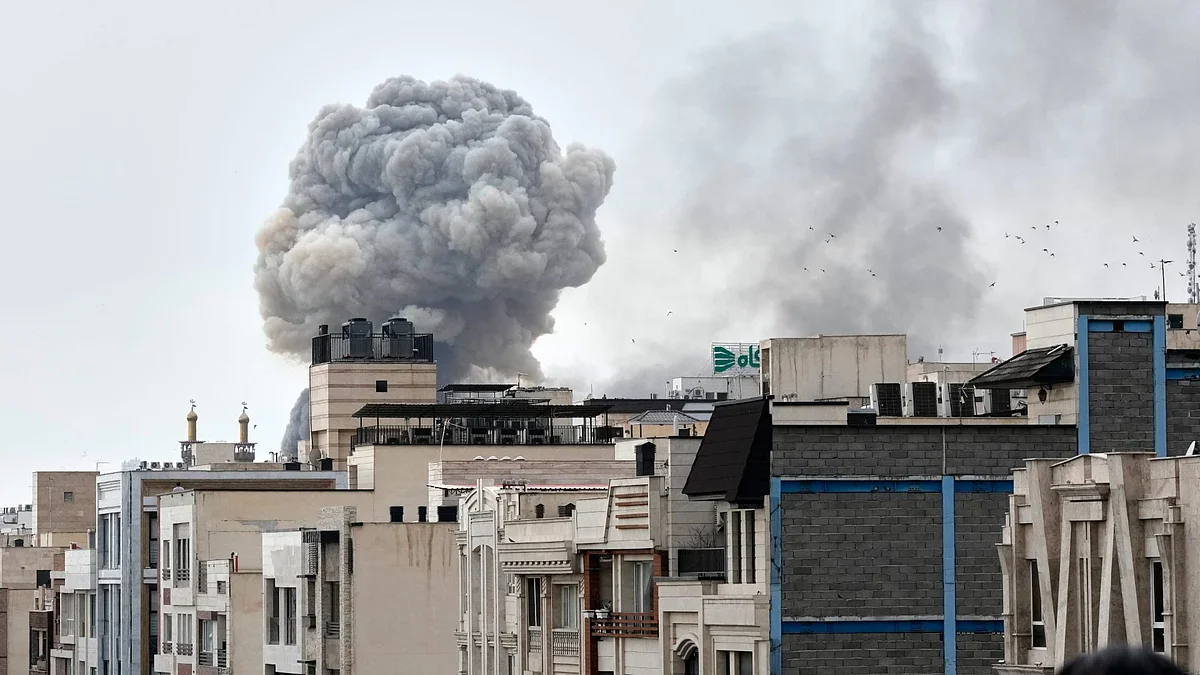
The intensifying conflict between the U.S., Israel, and Iran is unleashing a multi-faceted humanitarian catastrophe that threatens to unravel global aid infrastructure and push millions into destitution. What began as a regional conflict has rapidly cascaded into a complex "polycrisis," grinding essential aid operations to a halt, driving up the cost of life-saving provisions, and creating unprecedented displacement across the Middle East and beyond. As missiles fly and oil markets convulse, the international humanitarian system, already stretched thin, faces an existential threat, with aid workers asking how much worse the situation can possibly get, according to the Council on Foreign Relations.
Background and Context
Even before the recent escalation, the Middle East was grappling with an immense humanitarian burden, already home to an estimated twenty-five million displaced individuals. This pre-existing vulnerability has been severely exacerbated by the full-scale outbreak of hostilities. The region's strategic importance, particularly its control over vital energy routes, has long made it a flashpoint for geopolitical tensions. The Strait of Hormuz, a narrow chokepoint through which much of the world's oil transits, has historically been a focal point for disputes, and its current status as a contested zone is having immediate and disastrous global repercussions. For decades, the area has been a complex tapestry of alliances and rivalries, with Iran often at the center of regional power struggles. The current hostilities represent a dramatic escalation of these long-simmering tensions, transforming localized conflicts into a broader economic and humanitarian crisis with global reach. The International Humanitarian City (IHC) in Dubai, established over two decades to serve as the linchpin of global disaster aid logistics, now finds itself on the front lines, its operations severely hampered by incoming fire and bottlenecks, transforming its traditional role as a facilitator into a vulnerable point in the global supply chain, notes the Council on Foreign Relations.
Key Developments
The conflict has swiftly triggered a series of alarming developments, with humanitarian aid efforts bearing the brunt of the fallout. The International Humanitarian City (IHC) in Dubai, a critical global logistics hub for disaster aid, has seen its operations severely disrupted. On March 1, the nearby Jebel Ali container terminal, the Middle East's largest, was struck by debris from an intercepted Iranian missile, resulting in a fire that has further compounded logistical challenges. This incident has led the UN International Organization for Migration (IOM) to report a staggering $3,000 emergency surcharge on shipping containers, while the World Food Program (WFP) warns of escalating costs for life-saving operations, as reported by the Council on Foreign Relations. This logistical nightmare is coupled with a rapidly deteriorating oil market. ABC global affairs editor Laura Tingle, reporting from Dubai, highlighted the apocalyptic images of burning ships and oil, noting Iran's tightening grip on the world oil market. She detailed attacks on six ships near the Tehran-controlled Strait of Hormuz and Iraq's decision to shut its oil ports, leading the International Energy Agency to declare it the largest disruption to oil supplies in history. Iran's supreme leader, Mojtaba Khamenei, reportedly stated that the Strait would remain closed to any oil that could aid the U.S. or Israel, predicting oil prices could reach $200 a barrel, according to ABC News. These oil shocks directly translate into higher operating costs for humanitarian organizations, impacting everything from transport of medicines to running generators in clinics, as indicated by the Council on Foreign Relations. Beyond the immediate violence, the war is creating additional market shocks, including global currency depreciation, particularly strengthening the U.S. dollar, which makes imported staples like wheat unaffordable for less developed nations. Furthermore, vital fertilizer supply chains, reliant on Gulf export routes, are severely disrupted, threatening global food prices, with Sudan, already facing the world's worst humanitarian crisis, importing over 50 percent of its fertilizer from the Persian Gulf. In Lebanon, the conflict has resulted in mass displacement, with the UNHCR estimating nearly seven hundred thousand people displaced. Hundreds of schools and public buildings are now overwhelmed as shelters, pushing Syrian refugees who had sought refuge in Lebanon to flee back to Syria, with over thirty thousand departures reported in the past week alone, according to the Council on Foreign Relations. The Israeli military has significantly expanded its evacuation orders in southern Lebanon and bombed central Beirut, while Hezbollah launched its largest missile barrage of 200 missiles at Israel, as documented by ABC News, further intensifying the humanitarian crisis.
Analysis: What This Means
The current unravelling of global humanitarian efforts due to the Iran war is not merely a consequence of conflict; it represents a critical failure of international mechanisms designed to protect vulnerable populations and ensure global stability. The "polycrisis" described by the Council on Foreign Relations—logistics gridlock, dollar appreciation, fertilizer shortages, and oil shocks—underscores a dangerous interconnectedness that humanitarian aid systems are ill-equipped to handle at this scale. This situation highlights a broader vulnerability of the globalized world, where a conflict in one strategic region can swiftly trigger cascading failures across essential services worldwide. The reliance on single points of failure, such as the Strait of Hormuz for energy and Dubai’s IHC for logistics, shows a lack of resilient alternative pathways that should have been developed for crisis scenarios. Furthermore, the rapid escalation also exposes the stark reality of how quickly economic warfare, especially through control over vital resources like oil, can be weaponized with immediate and devastating human costs as detailed by ABC News. It transforms regional geopolitical rivalries into a direct threat to food security, health, and stability for millions who are far removed from the immediate battlegrounds. The strain on humanitarian organizations now verges on the unsustainable, with organizations forced to make impossible choices between meeting immediate needs and planning for a future that is increasingly uncertain. The international community's response to this confluence of crises will define the capacity for collective action in an era of growing global instability.
Additional Details
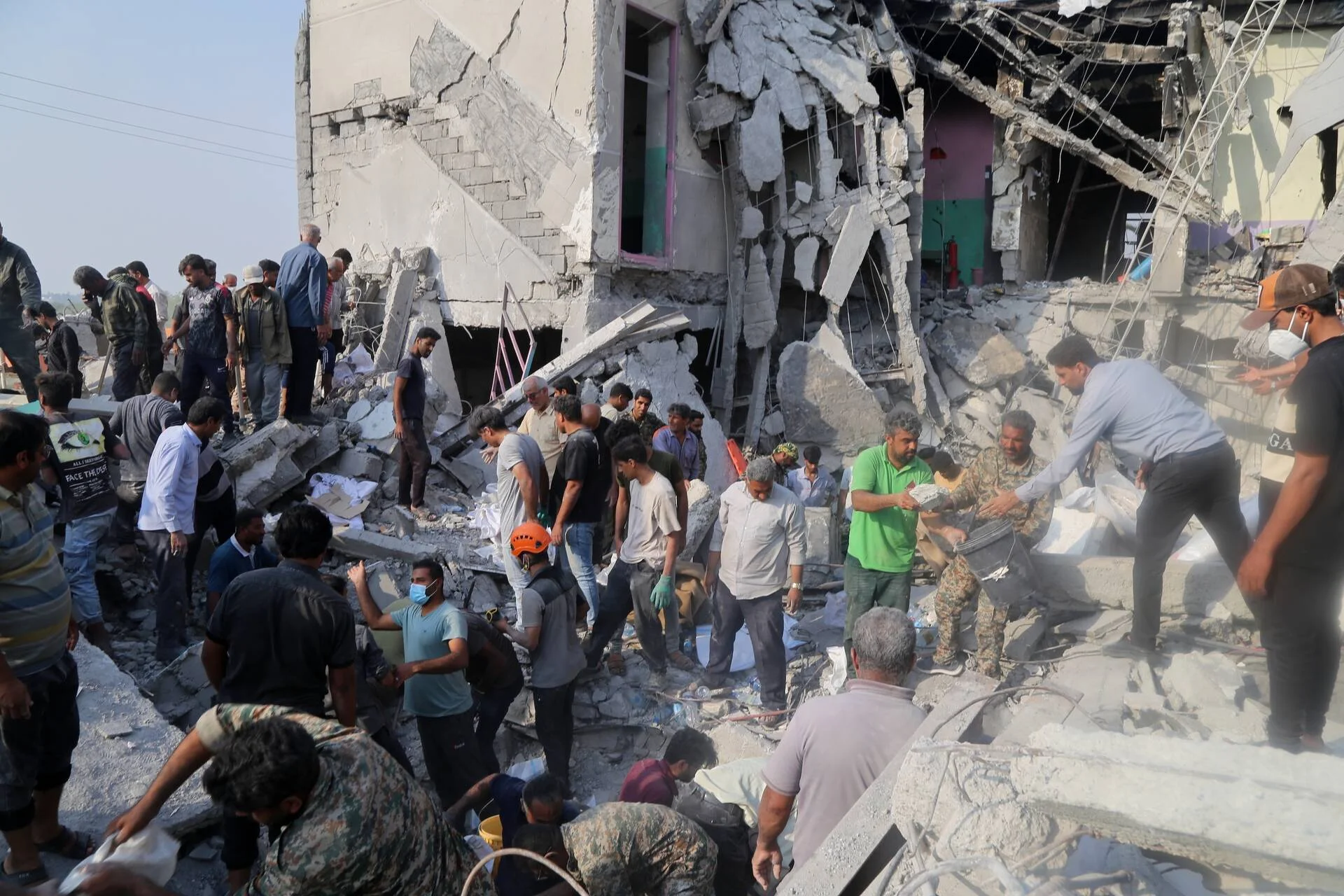
The direct impact of the U.S.-Israeli attacks within Iran has already displaced some 3.2 million people, while in Lebanon, over 300,000 individuals are stranded without homes, rapidly filling displacement shelters beyond capacity. The situation is so dire that even Syrian refugees, who had previously sought sanctuary in Lebanon, are now reversing course and fleeing back to war-torn Syria, with the UNHCR reporting over 30,000 such departures in just the past week. This unprecedented reverse migration underscores the profound and rapidly deteriorating security and humanitarian conditions in Lebanon. German Chancellor Friedrich Merz has voiced grave concerns over potential mass refugee outflows from Iran, explicitly warning that Iran "cannot become another Syria," highlighting the urgent need for international intervention to prevent a new, even larger refugee crisis. These fears are not unfounded, as the region already struggles under the weight of previous displacement crises. The ongoing military campaign in Iran is simultaneously generating severe oil market shocks, with Brent crude prices spiking dramatically and concerns voiced by Qatar that they could reach $150 per barrel. These surges translate directly into higher operational costs for every aspect of humanitarian aid, from road transport of medicines to the imperative of running diesel generators in health clinics. These market disruptions amplify the challenges for aid organizations, making it significantly more difficult to provide essential services to vulnerable populations caught in the crossfire or impacted by the ripple effects, as extensively covered by the Council on Foreign Relations. The pressure on journalists covering these events is also immense, balancing speed with accuracy, a challenge articulated by The Daily Scrum News, which notes the necessity of verification and context in such fast-moving, high-stakes situations.
Looking Ahead
The immediate outlook remains grim, with humanitarian organizations bracing for a further escalation of both direct conflict and its cascading global effects. The world will be closely watching for any diplomatic breakthroughs that could de-escalate the situation, but given the current rhetoric and military posturing, such relief appears distant. Aid organizations will continue to grapple with unprecedented logistical hurdles and escalating costs, placing immense pressure on their already strained resources. The potential for more widespread famine, particularly in regions like Sudan already on the brink, and the further destabilization of international markets, remain significant concerns. The ongoing displacement crisis within Iran, Lebanon, and potentially other neighboring countries, suggests that refugee flows could intensify, placing immense pressure on host nations and international aid mechanisms. The global community's ability to coordinate a meaningful and effective response will be severely tested, and the outcome will have profound implications for global humanitarian policy and international relations for years to come. The critical need for verified, contextualized information, as underscored by The Daily Scrum News, will be paramount as events continue to unfold, ensuring that the public understands the true scale and implications of this escalating humanitarian catastrophe.
Related Articles
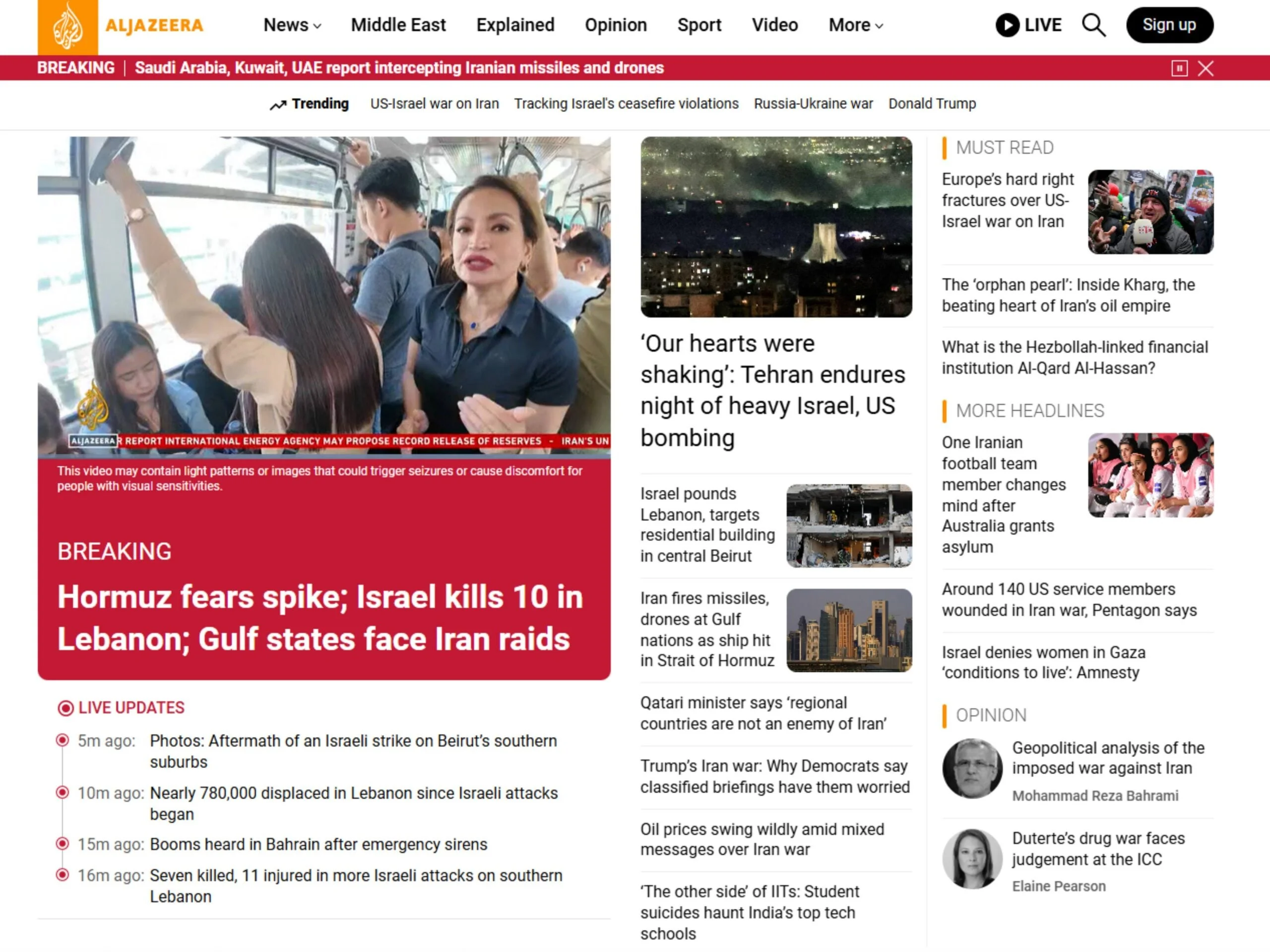
Al Jazeera Surges to Top of Global News Site Growth Amid Middle East Turmoil
Al Jazeera saw a 62% year-on-year traffic increase in February, leading global English-language news sites as Middle East tensions escalate. Substack and CBC also saw significant growth, while many Indian news sites faced sharp declines.