Israel Initiates 'Broad Wave of Strikes' on Iran as Regional War Escalates
Israel has commenced widespread strikes on Iran's infrastructure, escalating a conflict that has already claimed hundreds of lives and drawn in U.S. forces, prompting global concerns.

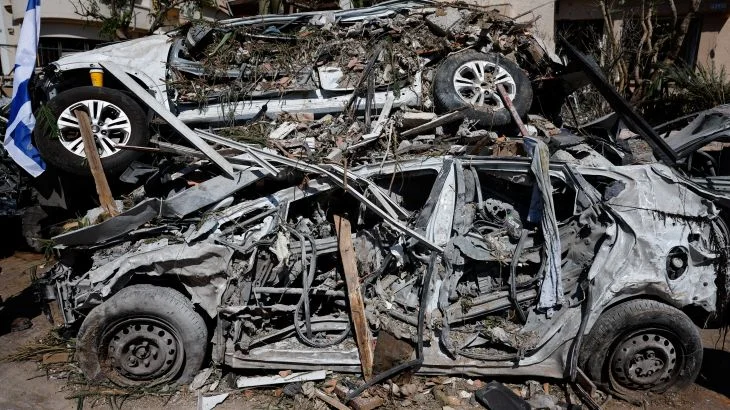
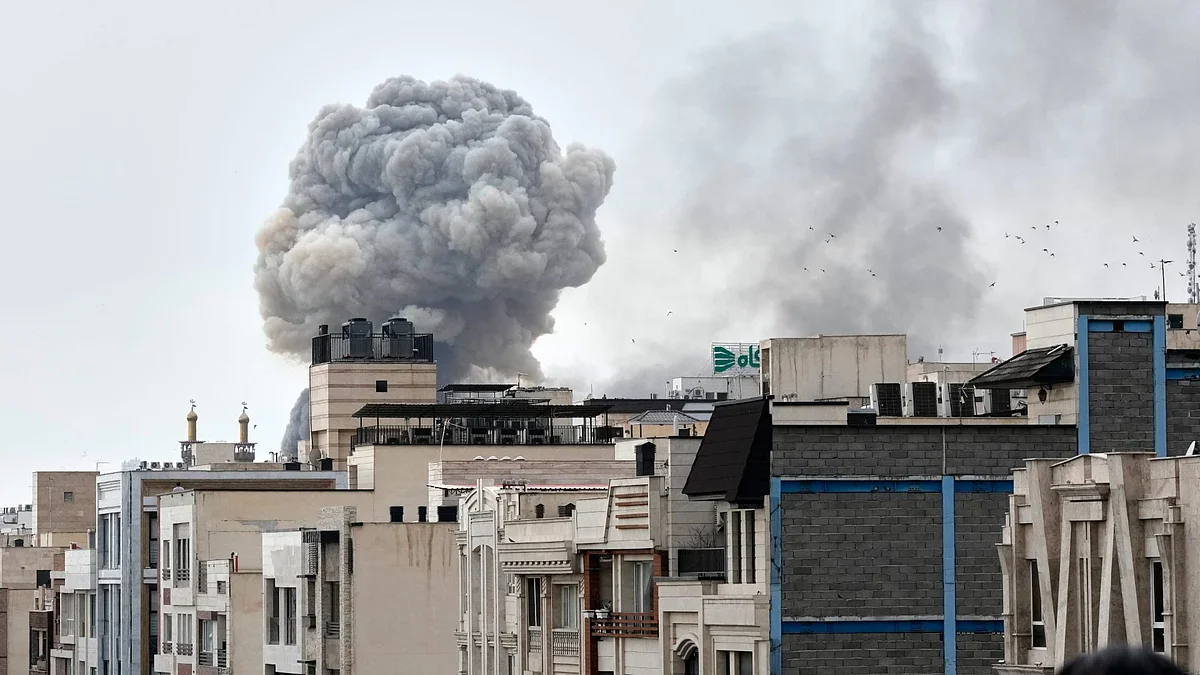
In a dramatic escalation of the widening conflict in the Middle East, Israel has launched what has been described as a "broad wave of strikes" against Iran's infrastructure. This military action follows a period of intense hostilities, including a drone attack in Kuwait that killed four U.S. Army Reserve soldiers and the targeted Israeli airstrike that killed Iran’s Supreme Leader, Ayatollah Ali Khamenei, over the weekend. The ongoing bombardment by Israeli and U.S. forces on Iran has been met with intensified retaliatory missile and drone barrages from Iran targeting Gulf nations. Simultaneously, Israeli forces have advanced into Lebanon in an effort to curb Hezbollah rocket fire, pushing the region further into a multifaceted and increasingly volatile war, according to reports from The New York Times.
Background and Context
The current widespread conflict has roots in long-standing geopolitical tensions between Israel, the United States, and Iran, exacerbated by recent aggressive actions. U.S. President Donald Trump, justifying the strikes on Iran, cited "the threat to the United States" and its forces in the region, as well as the collective self-defense of regional allies, including Israel. He revealed that the decision to go to war on Saturday was made to pre-empt an alleged imminent attack by Iran on its neighbors and Israel. This claim, however, has been scrutinized, with officials reportedly indicating that President Trump exaggerated the immediate threat Iran posed, as noted by The New York Times. The escalating hostilities have already resulted in a significant human cost, with Iran’s Red Crescent Society reporting 787 deaths since the U.S.-Israeli attacks began, including at least 175 fatalities from a bombing on a girls’ elementary school. Six U.S. service members and dozens of individuals in Lebanon have also been killed, further underscoring the severe human impact of the rapidly expanding conflict.
Key Developments
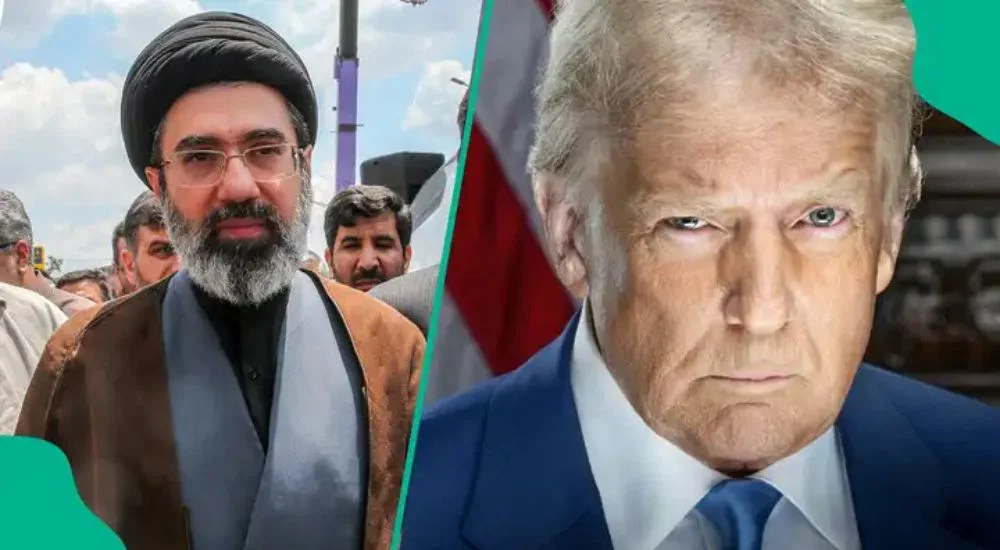
The comprehensive nature of the current conflict is becoming increasingly clear, with several critical developments unfolding simultaneously across the region. The U.S. Department of Defense has identified four Army Reserve soldiers – Capt. Cody A. Khork, Sgt. 1st Class Noah L. Tietjens, Sgt. 1st Class Nicole M. Amor, and Sgt. Declan J. Coady – who tragically lost their lives in a drone attack on U.S. military facilities in Kuwait over the weekend. These soldiers were assigned to the 103rd Sustainment Command in Des Moines, Iowa. President Trump acknowledged that several Iranian officials considered potential successors to the killed Supreme Leader Khamenei have also perished in the U.S.-Israeli bombing campaign, raising significant uncertainty about Iran's future leadership. Iranian clerics are expected to announce a successor to Ayatollah Ali Khamenei on Wednesday, according to The New York Times.
Beyond the direct military confrontations, the geopolitical ripple effects are far-reaching. Global financial markets have slumped, and oil prices have soared on fears of inflation, with the critical Strait of Hormuz experiencing a near cessation of tanker traffic due to attack concerns. President Trump has indicated the U.S. Navy might be deployed to escort commercial ships through this vital waterway, which accounts for a fifth of the world's oil supply. Concurrently, nations outside the immediate conflict zone are struggling to evacuate hundreds of thousands of their citizens from the Middle East. European countries and India are organizing emergency flights, with France reporting approximately 400,000 nationals in the region. The U.S. State Department, initially advising Americans to leave on their own, has since announced it is facilitating charter flights from the United Arab Emirates, Saudi Arabia, and Jordan, following criticism regarding evacuation efforts. This broader regional crisis, while centered on Israel and Iran, has also brought new concerns for other ongoing conflicts. BBC News reported that Ukrainian President Zelensky fears that "Trump's Iran war could hurt Ukraine," specifically due to soaring oil prices and a potential shortage in air defenses, highlighting how the Middle East conflagration has immediate and widespread global implications. Furthermore, the U.S. State Department has ordered non-emergency U.S. government employees and their families to leave consulates in Pakistani cities Lahore and Karachi due to safety risks, after deadly protests against U.S.-Israeli strikes on Iran. This includes 22 deaths on Sunday, with 10 killed during an attempted storming of the U.S. consulate in Karachi, according to The New York Times.
Analysis: What This Means
The escalation of the Middle East conflict into a full-blown regional war carries profound implications that extend well beyond the immediate battlefields. The deliberate targeting of Iran’s infrastructure by Israel, coupled with President Trump’s striking admission about the elimination of potential Iranian successors, signals a strategy aimed at destabilizing Iran’s leadership and military capabilities. However, this approach introduces a dangerous level of unpredictability into an already volatile situation. The absence of a clear and cohesive succession plan in Iran, compounded by external military pressure, could lead to internal power struggles or the rise of even more hardline elements, potentially prolonging or intensifying the conflict. The direct involvement of U.S. forces, evidenced by the tragic loss of four U.S. soldiers, further cements America's deep entanglement in a war that President Trump framed as pre-emptive.
Economically, the impact is already being felt globally. The soaring price of oil and the disruption of tanker traffic through the Strait of Hormuz will undoubtedly contribute to global inflation and could trigger a broader economic downturn. For nations reliant on stable energy supplies, this represents a significant challenge and underscores the interconnectedness of regional conflicts with global economic stability. The comments from Ukrainian President Zelensky, fearing the detrimental effects of the Iran war on Ukraine's own conflict with Russia, demonstrate how this new front in the Middle East can divert international attention, resources, and crucial military aid from other critical global flashpoints. The demand for air defenses, for example, could become a highly competitive global market, potentially leaving Ukraine at a disadvantage. This wider conflict also creates a complex humanitarian crisis, as millions of foreign nationals, many of them low-wage workers from South Asia and the Philippines, find themselves trapped and vulnerable in the Persian Gulf states. The logistical challenges of evacuating such a large and diverse population, as seen with France, India, and the U.S., highlight the lack of preparedness for a regional calamity of this scale and the immense strain it places on diplomatic and logistical resources globally.
Additional Details
The legislative and international backdrop to this conflict reveals further complexities. President Trump, in a legally mandated notification to Congress, asserted that the strikes on Iran were necessary to address threats to the United States and U.S. forces, uphold national interests, and act in collective self-defense of allies like Israel. He also indicated the inability to predict the "full scope and duration of military operations that may be necessary," as reported by The New York Times. Secretary of State Marco Rubio held closed-door briefings with members of both the Senate and House, claiming the administration had "over-complied" with the War Powers Act. However, Democrats exiting these sessions expressed a lack of clarity regarding the president's strategic aims, suggesting ongoing congressional skepticism about the administration's plan for the conflict.
The fighting between Israel and Hezbollah in southern Lebanon has intensified, with Israel targeting weapons storage facilities in Beirut and Hezbollah reportedly firing attack drones at Israel. This escalation has fueled fears of a wider Israeli ground assault into Lebanon, adding another dangerous dimension to the regional war. Furthermore, the economic ramifications extend beyond oil prices. U.S. Treasury Secretary Scott Bessent stated that President Trump's new temporary global import tariff is likely to increase to 15% from 10% this week. This tariff, initially set at 10% under Section 122 of the Trade Act of 1974 after the Supreme Court struck down previous tariffs, is meant to be a stopgap during a 150-day period while other, more robust tariff authorities like Section 301 and Section 232 are rebuilt, according to Reuters. While seemingly unrelated, such trade protectionist measures could compound economic instability at a time when global markets are already stressed by the Middle East conflict, potentially contributing to higher prices for consumers and further supply chain disruptions.
Looking Ahead
The immediate future of the Middle East remains fraught with peril, with the possibility of further escalation extremely high. The announcement of Ayatollah Khamenei’s successor will be a critical event, potentially signaling the direction Iran's post-Khamenei leadership might take. The ongoing efforts by European nations and India to evacuate their citizens highlight the expectation that the conflict will not be short-lived. The prospect of the U.S. Navy escorting commercial ships through the Strait of Hormuz underscores the global economic vulnerability tied to this conflict and the potential for direct naval confrontations. Meanwhile, the domestic political landscape in the U.S. will continue to grapple with the war’s implications, particularly concerning the President’s authority and strategic objectives, as congressional oversight intensifies. The reverberations will clearly extend worldwide, affecting everything from energy security to global trade policies.
Related Articles
Cease-Fire Agreed: US, Iran, Israel Halt Hostilities Amid Hormuz Crisis
A last-minute cease-fire between the US, Iran, and Israel has de-escalated a major conflict, reopening the Strait of Hormuz. Mediated by Pakistan and China, the deal pauses a war that began in February.