Cease-Fire Agreed: US, Iran, Israel Halt Hostilities Amid Hormuz Crisis
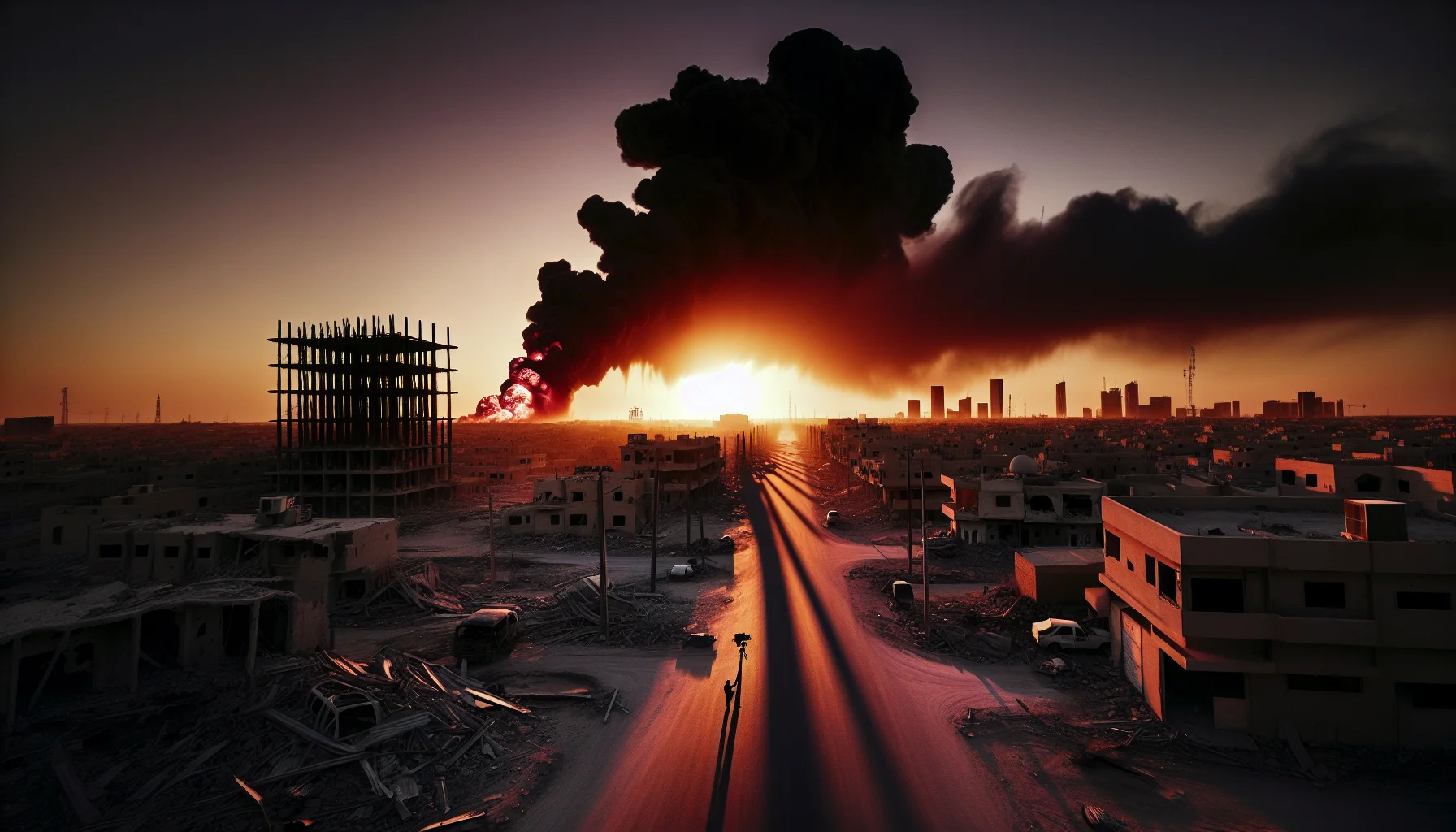
A last-minute cease-fire between the US, Iran, and Israel has de-escalated a major conflict, reopening the Strait of Hormuz. Mediated by Pakistan and China, the deal pauses a war that began in February.

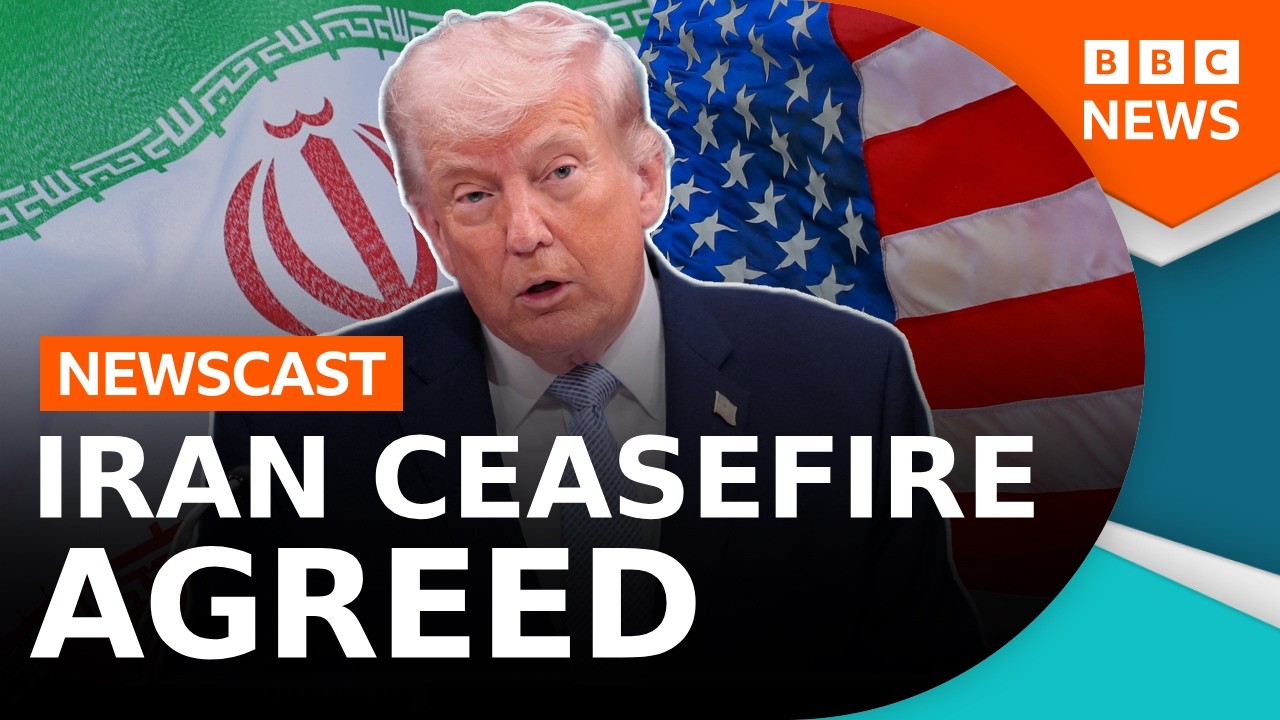
US, Israel and Iran agree a ceasefire, but will it last? | BBC Newscast
In a dramatic turn of events, the United States and Iran have reached a critical 11th-hour cease-fire agreement, bringing a temporary halt to a devastating conflict that has ravaged the Middle East since late February. The breakthrough ensures the immediate reopening of the Strait of Hormuz, a vital global shipping lane, under a two-week moratorium on hostilities. The agreement, announced late Tuesday evening, came just hours before President Trump’s explicit threat to annihilate Iran’s "whole civilization" if commercial shipping was not allowed to pass safely through the strategic waterway. Israel, a key U.S. ally in the conflict, swiftly endorsed the cease-fire, albeit with a crucial caveat excluding Lebanon from the agreement, creating an immediate point of contention regarding its scope. This diplomatic victory, largely brokered by Pakistan with last-minute intervention from China, has sent immediate ripples through international markets, with oil prices plummeting and global stocks surging in response to the de-escalation.
Background and Context of Escalation
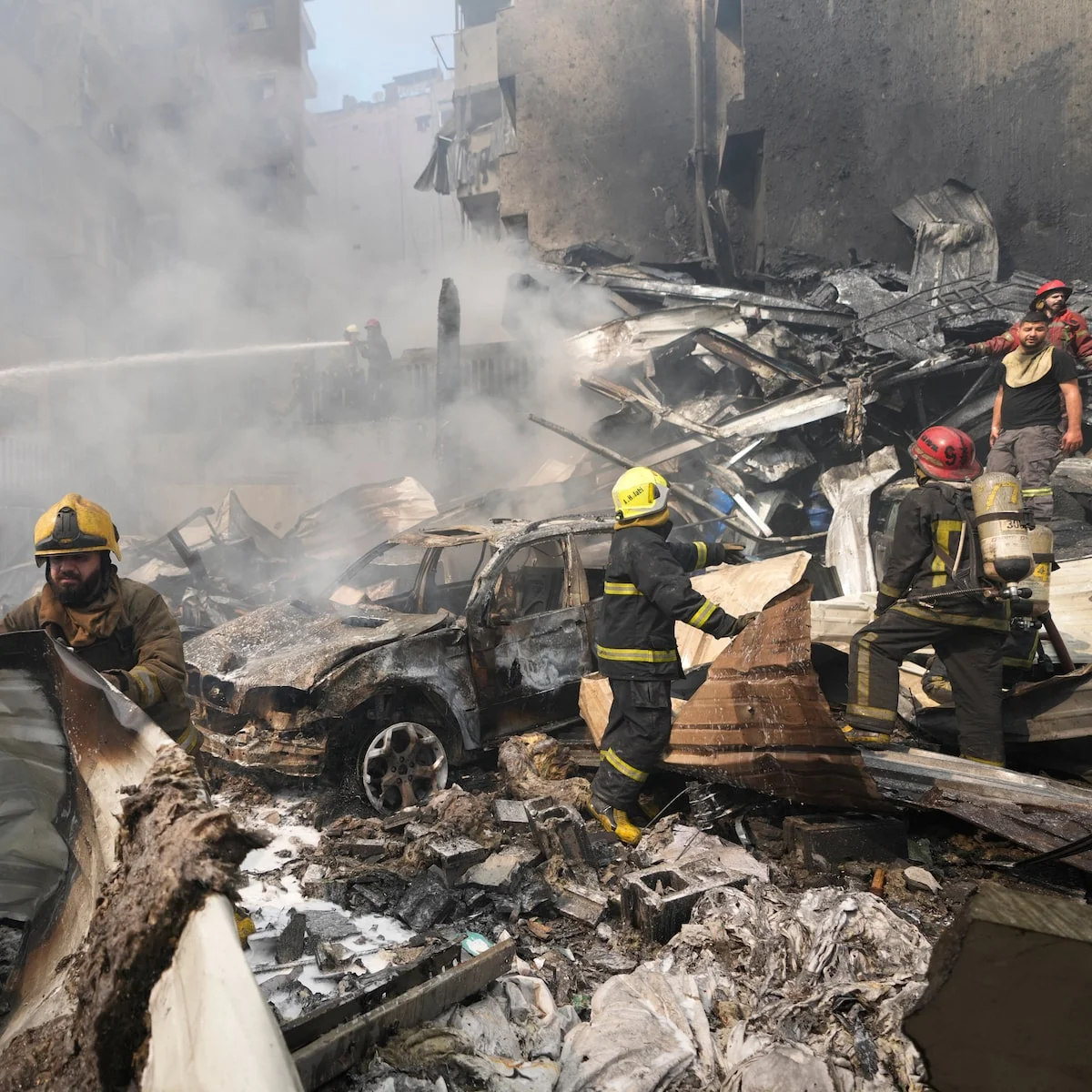
The current conflict, which has pushed the Middle East to the brink, ignited at the end of February with the United States and Israel launching a "withering military assault" against Iran. While the precise triggers for this intense phase of hostilities remain a subject of ongoing debate, underlying tensions between the U.S. and Iran, exacerbated by differing regional ambitions and historical grievances, have simmered for decades. The Strait of Hormuz, a narrow choke point between the Persian Gulf and the Gulf of Oman, has long been a flashpoint, with approximately 20% of the world's total petroleum consumption and a significant portion of its natural gas passing through it daily. Disruptions to this critical artery, whether through direct military action or threats to shipping, have always carried severe global economic implications. Prior to the cease-fire, The New York Times reported that the U.S. and Israel had subjected Iran to "a withering military assault," a campaign that included significant infrastructure damage and substantial civilian casualties. The Human Rights Activists News Agency cited by the New York Times reported that at least 1,665 civilians, including 244 children, had been killed in Iran as of Monday, underscoring the severe humanitarian cost of the recent escalation. Furthermore, Lebanon’s health ministry tragically confirmed over 1,500 fatalities in fighting between Israel and Hezbollah, with additional casualties reported across Gulf nations and in Israel itself, highlighting the widespread nature of the regional conflict.
Key Developments Leading to the Truce
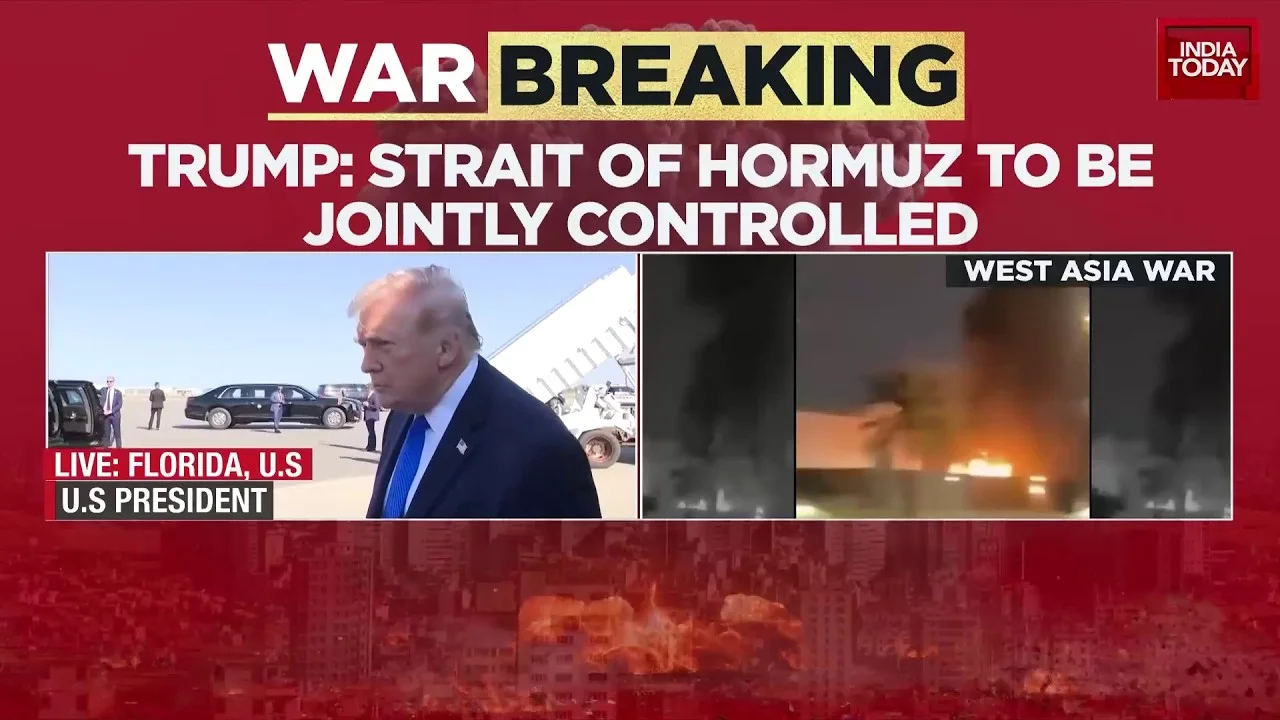
The path to the cease-fire was fraught with peril, marked by President Trump's increasingly bellicose rhetoric and near-constant military pressure. Hours before the agreement, Mr. Trump had set an 8 p.m. Eastern time deadline for Iran to comply with his demands regarding the Strait of Hormuz, threatening devastating strikes on power plants, bridges, and other critical infrastructure. Such actions, he warned, could "wipe out Iran's 'whole civilization'," a statement that drew immediate widespread condemnation and potentially constituted "a possible war crime under international law," as noted by The New York Times. During these tense hours, Iran had even temporarily ceased engagement in indirect negotiations. However, frantic diplomatic efforts, primarily spearheaded by Pakistan’s Prime Minister Shehbaz Sharif, provided a crucial "off-ramp." Pakistan proposed a two-week cease-fire, during which Iran would allow unmolested passage for oil, gas, and other vessels through the Strait of Hormuz. Critically, these efforts received a last-minute boost from China, a key Iranian ally, whose intervention proved decisive. According to three Iranian officials cited by The New York Times, Iran accepted Pakistan's proposal after these concerted diplomatic pushes. Following the announcement, a U.S. official confirmed the cessation of American military strikes, while Iran’s Foreign Minister Abbas Araghchi stated that Iranians would "cease their defensive operation" and ensure safe passage through the Strait, coordinated with their military. Israel’s Prime Minister Benjamin Netanyahu’s office affirmed their support, contingent on the Strait’s immediate reopening and an end to Iranian attacks. However, a significant discrepancy emerged when Israel explicitly stated the cease-fire "did not include Lebanon," directly contradicting an earlier statement from Prime Minister Sharif, revealing an immediate point of vulnerability in the fragile accord.
Analysis: What This Means for Global Stability and Energy Markets
The sudden cease-fire, while a welcome respite from escalating hostilities, represents a fragile truce rather than a definitive peace. The immediate impact on global markets was pronounced and predictable: Brent crude prices, the international benchmark, sharply declined to $93 a barrel, and Asian stocks like Japan's Nikkei 225 and South Korea's Kospi registered significant gains. This reaction underscores the profound anxiety the conflict had generated within the global economy, particularly concerning energy supplies. The reopening of the Strait of Hormuz temporarily alleviates the immediate pressure on oil and gas transit, preventing what could have been a catastrophic spike in energy prices and a ripple effect across all sectors. However, as Willie Walsh, director general of the International Air Transport Association, pointed out, the structural damage inflicted upon Middle Eastern refineries during the conflict means that while crude oil prices may fall, "jet fuel costs to remain elevated" for months. This indicates that consumers are not out of the woods yet regarding fuel costs. Furthermore, the exclusion of Lebanon from Israel's cease-fire agreement introduces a significant point of instability. The ongoing conflict between Israel and Hezbollah in Lebanon is deeply intertwined with the broader regional power dynamics involving Iran. If hostilities continue or intensify in Lebanon, it could easily unravel the broader U.S.-Iran-Israel cease-fire, demonstrating the complex and interconnected nature of security challenges in the region. The role of Pakistan and China as mediators also highlights a shifting geopolitical landscape, where non-traditional brokers are playing increasingly influential roles in defusing major international crises, potentially signaling a diminished reliance on established Western diplomatic channels in certain contexts.
Additional Details and Lingering Tensions
Despite the official cease-fire announcement, the immediate hours following the deal saw mixed signals and continued violence. Countries around the Persian Gulf, including Kuwait, the United Arab Emirates, Qatar, and Israel, reported missile and drone strikes. It remained unclear, according to The New York Times, whether these attacks were in direct violation of the new agreement or if simply "taking time for new orders to filter down to Iranian forces." This ambiguity highlights the inherent challenges in implementing a rapid cease-fire across a geographically dispersed and complex military command structure. Concurrently, the human cost of the conflict continued to mount significantly. Beyond the sobering civilian death tolls in Iran and Lebanon, Gulf nations reported at least 32 fatalities in attacks blamed on Iran, while Israel recorded at least 20 deaths. The United States also experienced casualties, with 13 service members killed and hundreds wounded. The scale of devastation extended beyond human lives to critical infrastructure. The Israeli military confirmed airstrikes on eight bridges across Iran, issuing a stark warning to Iranians to avoid railway travel. Iranian state media subsequently reported that at least three people were killed when a railway bridge in Kashan was hit, illustrating the severe impact on civilian mobility and infrastructure. President Trump’s statements post-ceasefire also struck a notably different tone, shifting from threats of annihilation to a more conciliatory stance. He announced on social media that the U.S. would be "helping with the traffic buildup in the Strait of Hormuz" and that Iran could "start the reconstruction process," a sharp departure from his earlier warnings and indicative of the rapid diplomatic maneuvering that had just occurred.
Looking Ahead: A Fragile Peace and Enduring Challenges
The two-week cease-fire offers a desperately needed window for de-escalation and diplomatic engagement. The primary objective now is for all parties to capitalize on this temporary peace to negotiate a "longer-term end to the war," as framed by The New York Times. The conflicting statements regarding Lebanon’s inclusion in the cease-fire present an immediate and significant challenge that needs urgent clarification to prevent renewed hostilities. The United States’ commitment to "hangin’ around" in the Strait of Hormuz, as per President Trump’s Truth Social post, suggests a continued robust military presence designed to ensure compliance, which itself could be a source of future friction. Economically, while the initial market relief is palpable, the sustained recovery of global jet fuel supplies will hinge on the full restoration of refining capacity in the Middle East, a process expected to take "months." This means that despite falling crude prices, the impact on air travel costs could linger. Politically, the episode has exposed profound divisions within the U.S., with Democrats "forcefully condemn[ing] Mr. Trump" and some even calling for his removal, while some Republicans also expressed concern over his threats. The next two weeks will be crucial to determine if this cease-fire can evolve into a more durable peace, or if it merely forestalls another, potentially more devastating, round of conflict in an already turbulent region.
Related Articles
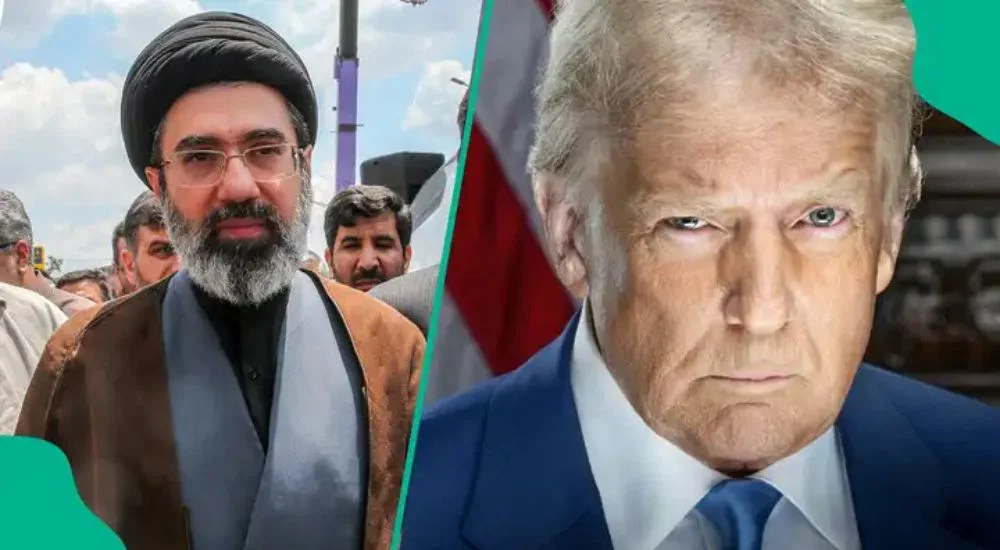
Iran Rejects Ceasefire, Demands Permanent End to Conflict as Trump Intensifies Threats
Iran has rejected a 45-day ceasefire, demanding a permanent end to the conflict as US President Trump threatens to destroy Iranian infrastructure by Tuesday, raising war crime concerns.