Apple Buys Q.ai for Whisper-Speech AI, Bolstering On-Device Capabilities
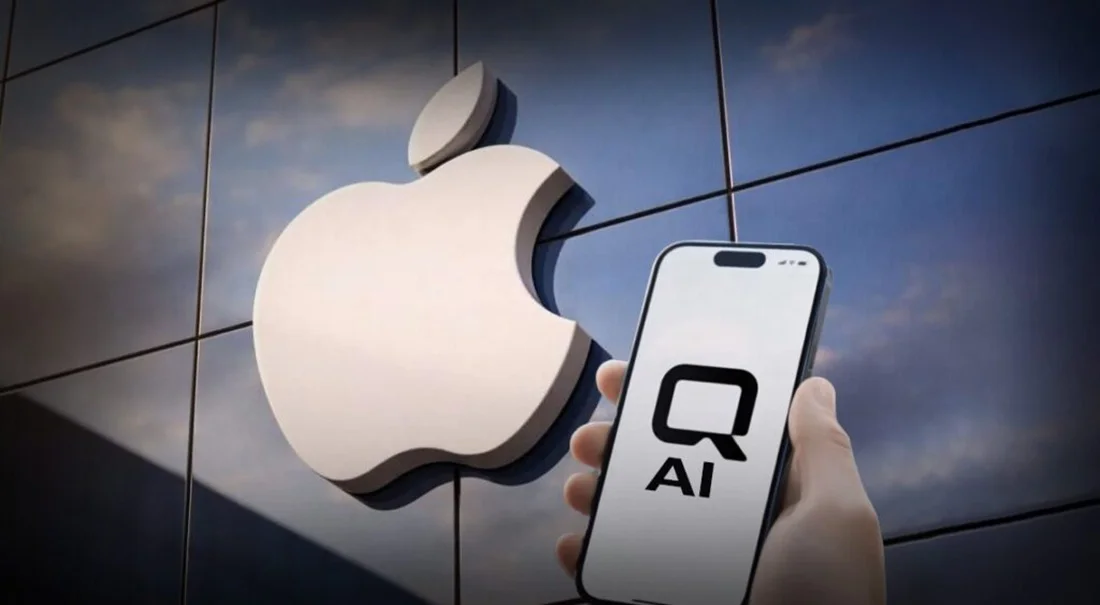
Apple has acquired Israeli AI startup Q.ai, led by Face ID veteran Aviad Maizels, in a deal reportedly valued at $1.5-2 billion, strengthening its on-device AI strategy.

Apple has confirmed the acquisition of Israeli artificial intelligence startup Q.ai, a move that signals a significant reinforcement of the tech giant's on-device AI capabilities. While the exact purchase price remains officially undisclosed, sources familiar with the deal indicate a valuation between $1.5 billion and $2 billion. This strategic acquisition brings a wealth of specialized audio and communication AI technology into Apple's ecosystem, particularly notable for its connection to a key figure behind the company's Face ID system.
Q.ai's Covert Operations and Foundational Technology
Q.ai has maintained a low profile since its inception, operating quietly without publicly launching any products. Despite this discretion, its website offered insights into the startup's focus: developing advanced AI technology specifically for audio and communication applications. This emphasis aligns with Apple's continuous efforts to enhance user interaction and device functionality through sophisticated intelligent systems.
At the helm of Q.ai was CEO Aviad Maizels, a name familiar within Apple's acquisition history. Maizels previously founded PrimeSense, a company Apple acquired in 2013. The technology developed by PrimeSense subsequently became an integral component of Apple’s groundbreaking Face ID system, underscoring Maizels’ proven track record in delivering innovative solutions that found their way into core Apple products. This prior relationship with a key Apple feature likely played a role in the current acquisition, as noted by Tech Funding News.
Leadership's Enthusiasm and Investor Backing
"We’re thrilled to acquire the company, with Aviad at the helm, and are even more excited for what’s to come,” stated Johny Srouji, Apple’s senior vice president of hardware technologies. Srouji, who also oversees Apple’s custom chip development, highlights the strategic importance Apple places on Q.ai’s expertise and leadership. This sentiment from a high-ranking executive underscores the perceived value of Q.ai's technology and the talent within its ranks.
According to data from PitchBook, Q.ai had garnered support from prominent venture capital firms, including GV, Kleiner Perkins, and Spark Capital. These investments further validate the potential and innovative nature of Q.ai’s work, which was described as focusing on improving digital communication, with a particular emphasis on audio processing and enhancement.
Reinforcing Apple’s On-Device AI Strategy
This acquisition is a clear indicator of Apple's ongoing commitment to integrating advanced artificial intelligence features directly into its hardware products. In recent years, Apple’s AirPods have benefited from AI-powered enhancements, such as sophisticated noise cancellation and real-time translation capabilities. Q.ai’s technology appears to sync seamlessly with this strategy, which prioritizes running AI processes directly on devices rather than relying heavily on cloud-based infrastructure.
While some investors have urged Apple to accelerate its AI initiatives in the face of aggressive spending by rivals on large models and data center infrastructure, Apple has traditionally favored smaller, targeted acquisitions. This approach allows the company to integrate specific technologies tightly into its existing product ecosystem without necessarily engaging in broader AI arms races. The Q.ai acquisition fits this established pattern, bringing specialized audio AI expertise that can be deeply embedded within Apple's offerings, as reported by Tech Funding News.
Recent AI Moves and Future Outlook
The acquisition of Q.ai follows other significant AI-related developments from Apple. Earlier this month, the company announced a partnership with Google to incorporate Google’s Gemini models into certain Apple Intelligence features. This collaboration demonstrates Apple’s pragmatic approach to AI development, combining internal innovation with strategic external partnerships to enhance its offerings.
Apple CEO Tim Cook has consistently articulated the company's openness to strategic mergers and acquisitions that can accelerate its product roadmap. "We’re very open to M&A that accelerates our roadmap,” Cook stated in July. The acquisition of Q.ai, with its specialized audio AI technology and connections to a key figure in Apple’s past successes, appears to be a direct manifestation of this strategy. It underscores Apple's sustained investment in AI as a core differentiator and enhancement for its diverse product line.
Related Articles
Nvidia Accelerates China Strategy with Custom AI Chips and Renewed H200 Exports
Nvidia is developing a Chinese-compatible version of its newly acquired Groq AI chips and resuming H200 processor exports, signaling a critical pivot in its strategy for the lucrative Chinese market amidst US export controls.