China Poised to Approve Nvidia H200 Chips for DeepSeek, ByteDance, Alibaba, and Tencent
Beijing reportedly grants conditional approval for leading AI startup DeepSeek and tech giants to acquire Nvidia's powerful H200 AI GPUs.

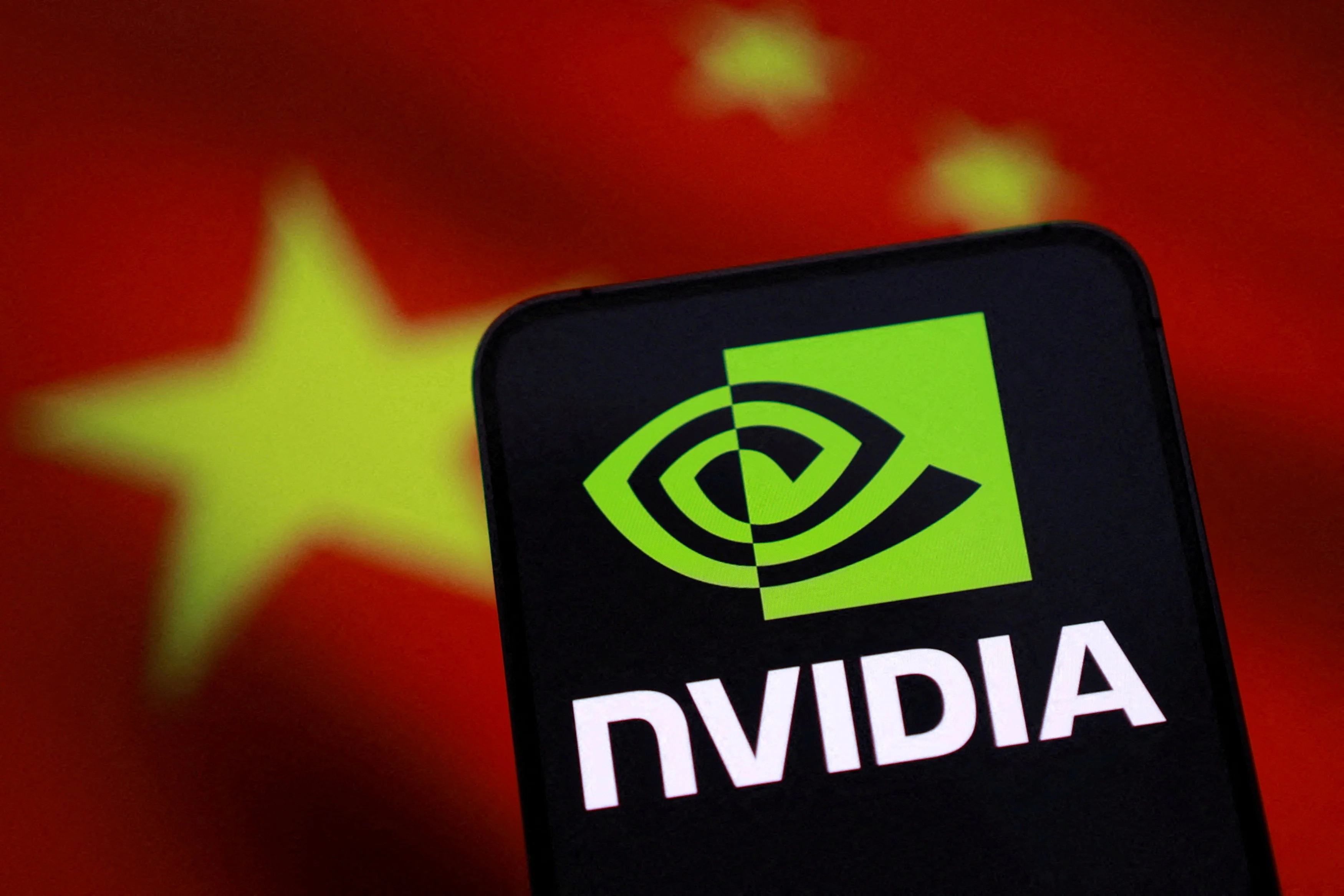
China is reportedly on the verge of granting conditional approval for key domestic tech firms, including the prominent AI startup DeepSeek, to procure Nvidia's advanced H200 AI GPUs. This development, if finalized by China’s state planner, the National Development and Reform Commission (NDRC), marks a significant moment in the global AI chip landscape and could have considerable implications for both American chipmakers and China’s burgeoning AI sector. The reported move follows closely on the heels of the U.S. government's clearance for H200 exports to China earlier this month, setting the stage for Beijing's final decision.
Conditional Approval for Leading Chinese Tech Firms
According to reports, Beijing has given a preliminary green light for DeepSeek, alongside tech heavyweights ByteDance, Alibaba, and Tencent, to acquire the Nvidia H200. This GPU is recognized as Nvidia's second most powerful AI processor, making its potential procurement a crucial step for these companies in advancing their artificial intelligence capabilities. However, these approvals are reportedly conditional, with the specific terms yet to be formalized by the NDRC, as per a report by Times of India.
DeepSeek: From Market Disruptor to Major Customer
The reported approval for DeepSeek carries a notable irony. Almost exactly one year prior, on January 27, 2025, DeepSeek was implicated in a dramatic market event that saw Nvidia's shares plummet by nearly 17% in a single day. This reportedly constituted the largest market cap loss in U.S. history. The trigger for this downturn was DeepSeek's release of its R1 model, accompanied by claims that high-level AI could be trained at a fraction of the cost, utilizing significantly fewer chips. This led to investor fears regarding a potential collapse in demand for Nvidia's high-end silicon, impacting not only Nvidia but also other AI companies heavily invested in training models. One year later, DeepSeek appears to be transitioning from a perceived disruptive threat to a significant customer for Nvidia.
The H200: A Critical Chip for AI Development
The Nvidia H200 represents a vital component in the current global race for AI supremacy. Its advanced capabilities are essential for training the increasingly complex AI models that are driving innovation across various sectors. For Chinese tech companies, access to such high-performance chips is paramount to maintaining their competitive edge and fostering domestic AI development. The timing of this development is particularly pertinent for DeepSeek, as the company is expected to unveil its next-generation V4 model, noted for its strong coding capabilities, in mid-February.
Balancing Foreign Acquisition with Domestic Chip Development
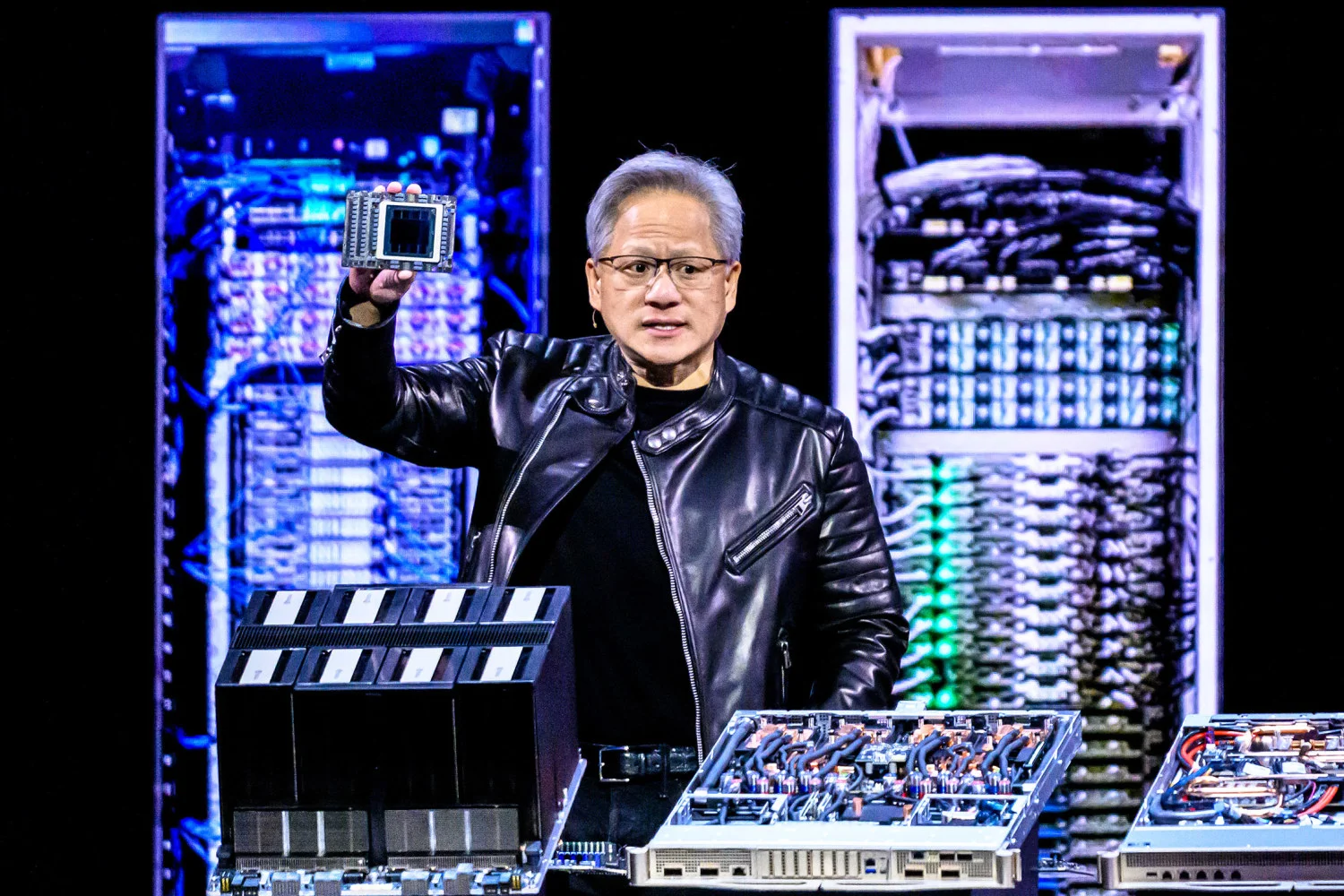
While the U.S. government has already cleared the H200 for export to China, the ultimate decision rests with Beijing. China's approach to these imports is nuanced, as it seeks to strike a balance between fulfilling the immediate compute requirements of its technology sector and simultaneously nurturing its domestic chipmakers, such as Huawei. Previous reports have indicated that the NDRC might be considering "bundling" requirements. These requirements could mandate that Chinese tech companies purchase a specific ratio of domestic AI accelerators for every Nvidia H200 they import, thereby directly supporting local chip production. Nvidia CEO Jensen Huang recently commented on the situation from Taipei, stating that the company had not yet received official confirmation and believed that China was still in the process of finalizing the license, as reported by Times of India.
Implications for the Global Chip Market
This potential conditional approval highlights the intricate interplay of technological innovation, national economic strategy, and geopolitical considerations in the semiconductor industry. For Nvidia, securing sales of its H200 chips to major Chinese players like DeepSeek, ByteDance, Alibaba, and Tencent would represent a significant win in a market subject to stringent export controls. Conversely, China’s strategy to potentially bundle domestic chip purchases alongside Nvidia imports underscores its commitment to reducing reliance on foreign technology and strengthening its own semiconductor ecosystem. The coming weeks, as the NDRC finalizes its conditions, will be closely watched for their long-term implications on the future of AI development and the global chip supply chain, further detailed by the Times of India report.
Related Articles
Nvidia Accelerates China Strategy with Custom AI Chips and Renewed H200 Exports
Nvidia is developing a Chinese-compatible version of its newly acquired Groq AI chips and resuming H200 processor exports, signaling a critical pivot in its strategy for the lucrative Chinese market amidst US export controls.