The landscape of Artificial Intelligence is experiencing unprecedented growth and strategic maneuvering, with major advancements and ethical considerations dominating recent discussions. India, in particular, is making significant strides towards establishing itself as a global AI powerhouse, driven by ambitious governmental initiatives and a burgeoning tech ecosystem. These developments unfold against a backdrop of ongoing debates surrounding AI's societal impact, technological innovation from industry giants, and the intensifying competition in the critical AI chip market.
India's Ambitious AI Vision Takes Center Stage
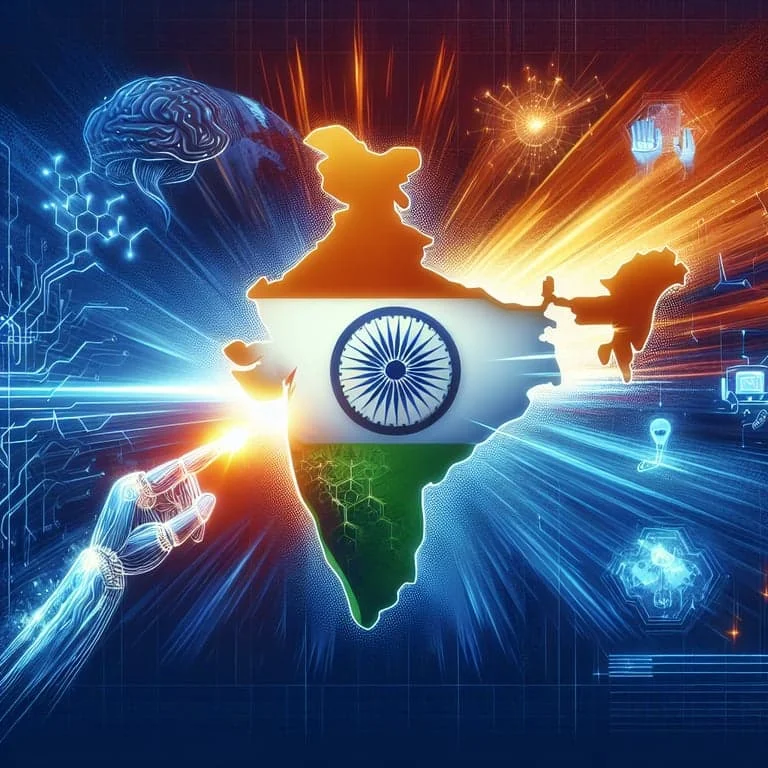
India is poised for a transformative period in its AI journey, with Union Minister Ashwini Vaishnaw announcing the imminent launch of India’s own sovereign AI models. This significant development will coincide with the upcoming India AI Impact Summit, scheduled from February 16 to 20. The summit aims to serve as a pivotal platform for democratizing AI technology and fostering its responsible deployment on a global scale. It is anticipated to draw a substantial number of global leaders and attract considerable investment, underscoring India's commitment to becoming a leading player in the AI domain. Furthermore, the event expects participation from over 100 countries, with numerous heads of state confirming their attendance, signifying the international recognition of India's growing influence in the sector, as reported by The Economic Times.
In parallel, the Ministry of Electronics and Information Technology has unveiled an ambitious plan to significantly expand AI training across the nation. This initiative, dubbed AI Mission 2.0, will extend specialized AI courses and training opportunities to students in 500 universities throughout India. The program is designed to cultivate a robust talent pipeline for the burgeoning AI industry, drawing inspiration from a successful model implemented in the semiconductor sector, where students at 315 universities are presently engaged in chip design. This strategic educational expansion highlights India's proactive approach to nurturing the human capital necessary to sustain its AI ambitions.
Navigating the Ethical Landscape: Deepfakes and Innovation
As AI technology advances, so too do the ethical challenges it presents, particularly concerning the proliferation of AI-generated deepfakes. Ajay Kumar Sood, the Principal Scientific Adviser to the Government of India, addressing this pressing issue in an interview with PTI ahead of the AI Impact Summit, advocated for utilizing existing laws to combat the misuse of deepfakes. Sood expressed caution against implementing overly strict legislation that could potentially "kill innovation," emphasizing that thinking and creativity cannot be outsourced to AI. His remarks highlight a delicate balance between regulating harmful AI applications and fostering an environment conducive to technological progress, a sentiment echoed in recent discussions surrounding AI governance, as detailed by The Economic Times.
US-India Partnership in the "Pax Silica" Push
Beyond domestic initiatives, India's role in the global AI ecosystem is also being reinforced through international partnerships. The United States views India as a crucial future partner in a new economic security framework, referred to as the "Pax Silica" AI push. Under Secretary of State for Economic Affairs Jacob Helberg confirmed this on Friday, stating that this framework aims to secure global supply chains for artificial intelligence and other advanced technologies. This strategic alliance underscores the importance of India not only as a market but also as a key contributor to the global technological infrastructure, reflecting a shared objective in ensuring the stability and resilience of critical AI components.
Intense Competition in the AI Chip Market
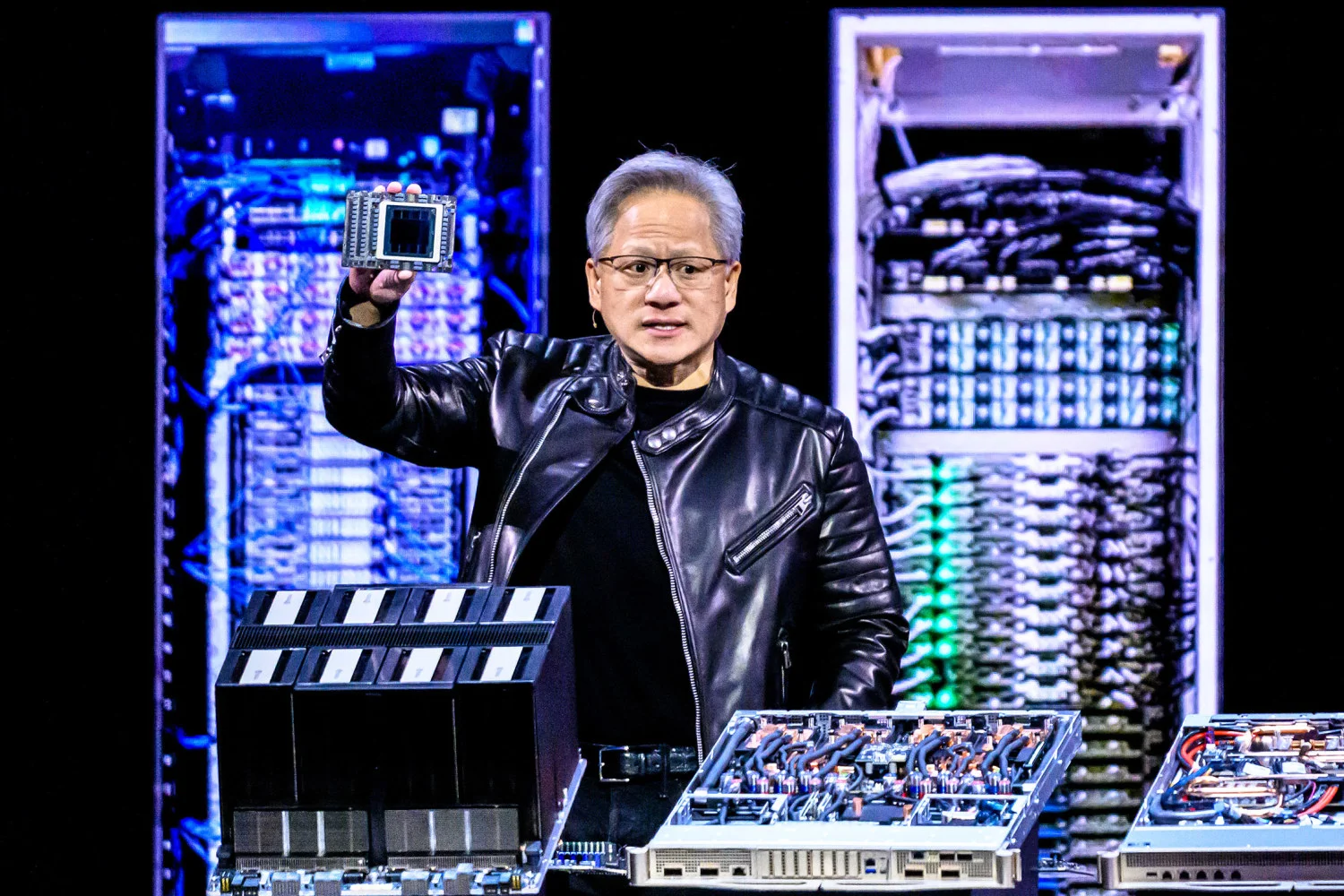
The foundational hardware enabling AI — the semiconductor chip — is also an arena of fierce competition. For years, various chipmakers, including established entities like Advanced Micro Devices (AMD), innovative startups such as Cerebras, and tech giants like Microsoft and Meta, have striven to challenge Nvidia's dominance in the AI chip market. However, recent developments indicate that the most formidable challenge to Nvidia’s supremacy is emerging from within the tech giant ecosystem itself. The growing chip businesses at Amazon and Google are now being recognized as Nvidia's toughest competitors. These companies, by developing their own custom AI chips, are not only optimizing their vast cloud infrastructure but also intensifying the competitive landscape for specialized AI hardware, a crucial element for the future of AI development and deployment, as reported by The Economic Times.
Building India's AI Ecosystem: The Impact Summit
Further solidifying India's position, WaveX has opened applications for startups to participate in the India AI Impact Summit 2026. This event, distinct from the upcoming February summit, aims to significantly boost India's domestic AI ecosystem. Selected startups will have the opportunity to showcase their AI products at Bharat Mandapam, a prominent venue. The summit will prioritize themes of impact, accessibility, and safety in AI development and deployment. It is expected to attract a diverse audience of policymakers, industry leaders, and investors, all contributing to strengthening India's reputation as a trusted global partner in the realm of AI innovation.