In a significant strategic maneuver underscoring the complexities of global technology markets and geopolitical tensions, graphics processing powerhouse Nvidia is reportedly developing a specialized version of its recently acquired Groq artificial intelligence processors for the Chinese market. This development, confirmed by industry insiders, coincides with the company's resumption of exports of its previous-generation H200 chips to China, following crucial approvals from U.S. authorities. The dual approach highlights Nvidia's determination to retain its foothold in the lucrative and rapidly expanding Chinese AI sector, even as it navigates stringent U.S. export controls aimed at limiting advanced technology access to Beijing. The move positions Nvidia to capitalize on the burgeoning demand for AI infrastructure in China, leveraging both tailored new technology and previously restricted hardware.
Strategic Background and Market Pressures
Nvidia's current strategy in China is undeniably shaped by a tightening U.S. regulatory environment. For years, Nvidia has been the undisputed leader in high-performance AI chips, crucial for both training and inference operations in artificial intelligence. However, increasing geopolitical tensions have led the U.S. government to impose progressively stricter export controls on advanced AI semiconductors destined for China. These restrictions are designed to curb China's technological advancement, particularly in areas with potential military applications. This regulatory landscape forced Nvidia to introduce "de-tuned" versions of its flagship chips, such as the A800 and H800, which offered reduced performance compared to their full-spec counterparts but still met export compliance thresholds. Despite these efforts, even these modified chips faced scrutiny and further restrictions, creating immense pressure on Nvidia to find compliant solutions that could still satisfy its substantial Chinese customer base. The acquisition of Groq, a startup specializing in AI chip technology, for a staggering $17 billion late last year marked a pivotal moment, providing Nvidia with new architectural possibilities that could be adapted for specific market needs, including those dictated by export regulations, as reported by Fine Day 102.3.
Key Developments in Nvidia's China Strategy
The latest revelations paint a clear picture of Nvidia's multifaceted strategy to circumvent export restrictions and maintain its dominance in China. According to industry insiders who spoke with Reuters, as detailed by Fine Day 102.3, Nvidia is actively developing a Chinese market-ready version of its recently acquired Groq artificial intelligence processors. This specialized variant is not merely a "reduced-capability" chip but rather one designed for integration with alternative systems, with availability anticipated in May. The Groq technology is particularly suited for inference operations — the phase where AI systems process user queries and execute tasks — a segment where Nvidia faces significant competition from domestic Chinese firms like Baidu. By adapting Groq's specialized inference architecture, Nvidia aims to offer a compliant yet powerful solution for this critical AI workload.
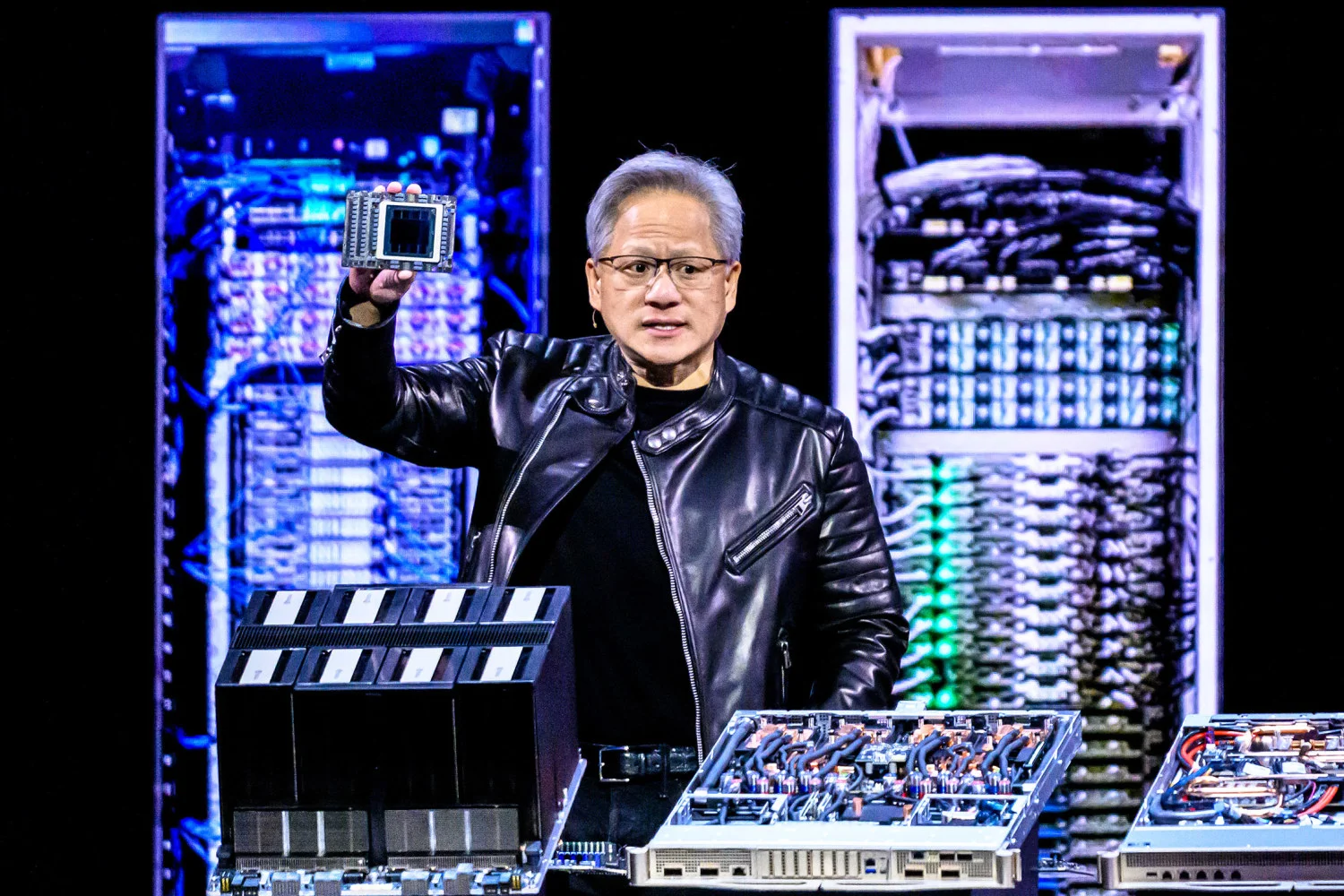
Simultaneously, Nvidia CEO Jensen Huang announced at the company’s annual developer conference that production of the H200 processors — a previous generation model that precedes their current top-tier chip — has resumed for Chinese customers. This follows Nvidia securing essential export permits from the Trump administration and receiving firm purchase commitments from Chinese buyers. This dual approach of developing new, compliant Groq-based inference chips while also selling approved older-generation H200s demonstrates Nvidia's commitment to maximizing its presence in the Chinese market. The company’s latest product lineup unveiled at the developer conference showcased Groq-based technology, with future plans to integrate these processors with their upcoming Vera Rubin chips, though significantly, the Vera Rubin chips themselves are not cleared for export to China. This strategic layering of product offerings, from customized specialized inference chips to cleared legacy powerful processors, allows Nvidia to address various segments of the Chinese AI market within the current regulatory framework.
Analysis: The Geopolitical and Economic Chess Game
Nvidia's intricate strategy of developing tailored AI chips for China and resuming exports of older models highlights the complex interplay between technological innovation, economic imperatives, and geopolitical realities. The U.S. government's export controls aim to slow China's progress in advanced AI, citing national security concerns. However, these restrictions inherently create a dilemma for U.S. tech companies like Nvidia, which derive a significant portion of their revenue from the vast Chinese market. By designing compliant but advanced chips, Nvidia attempts to walk a tightrope: satisfying U.S. regulations while simultaneously preventing Chinese companies from fully replacing foreign technology with their homegrown solutions. This dynamic fosters a continuous "cat and mouse" game, where U.S. companies innovate to meet regulations, and U.S. regulators respond with updated restrictions.
The impact of this strategy extends beyond Nvidia and its immediate customers. It signifies a potential acceleration of a bifurcated global technology ecosystem, where different regions operate on different standards and capabilities. For Chinese AI developers, access to even modified Nvidia technology is crucial, as it allows them to continue advancing their AI capabilities, albeit perhaps at a slower pace than with cutting-edge unrestricted chips. For the U.S., allowing some level of technology transfer, even in restricted forms, may be a way to maintain influence and ensure that standards and foundational technologies remain aligned with American industry, rather than pushing China entirely towards self-sufficiency and divergent technological paths. The success of Waving, a Dutch startup, in securing funding for its AI-based Wi-Fi sensing security technology and trialing it at critical infrastructure like Schiphol Airport, as reported by Passenger Terminal Today, underscores the broader global push for advanced AI applications, indicating a worldwide appetite for AI solutions that companies like Nvidia are trying to satisfy across different market conditions.
Additional Details on Nvidia's Approach and Market Dynamics
The acquisition of Groq for $17 billion was a substantial investment for Nvidia, reflecting the company’s long-term vision and its need to diversify beyond its traditional GPU architecture, particularly in the inference space. Groq specializes in Language Model Engines (LMEs) and has developed an innovative architecture known as a Tensor Streaming Processor (TSP), designed for high-performance, low-latency AI computation, explicitly for inference tasks. This focus on inference is critical, as it is the stage of AI deployment where models interact with users and generate real-time outputs, such as responding to queries or crafting code. While Nvidia holds a dominant lead in AI system training – the compute-intensive process of building AI models – the inference sector presents a more competitive landscape. Chinese tech giants, including search engine behemoth Baidu, along with other prominent AI companies in the region, have invested heavily in developing their own inference processing technologies, creating a robust domestic market that Nvidia must contend with. This existing competition means that even with compliant chips, Nvidia isn't walking into a vacuum; it needs to offer compelling performance and value. The fact that the China-bound Groq chips are "not reduced-capability versions or specially designed for that market" but rather "can be configured to integrate with alternative systems," as cited by Fine Day 102.3, is a crucial detail. It suggests a flexible design that allows for integration into existing Chinese data center infrastructures and AI frameworks, rather than a crippled product, thereby maintaining a higher degree of utility for Chinese customers.
Meanwhile, the resumption of H200 processor sales provides a short-term boost. The H200, while a previous generation, is still an extremely powerful AI chip capable of handling demanding workloads. Securing "export permits from the Trump administration" (a detail that suggests regulatory continuity or prior approvals) and "purchase commitments from Chinese buyers" indicates a carefully orchestrated diplomatic and commercial effort by Nvidia to re-enter this segment of the market. This dual strategy ensures that Nvidia maintains revenue streams from China while simultaneously developing next-generation compliant technologies, positioning the company for long-term engagement despite the challenging regulatory environment. Furthermore, the global drive for advanced AI solutions is evident in other sectors, such as security. The recent funding round for Dutch startup Waving, which is developing AI-based Wi-Fi sensing technology for critical infrastructure, indicates how AI is being deployed in diverse areas, demonstrating the broad and urgent demand for innovative solutions across different industries globally, as highlighted by Passenger Terminal Today. This widespread adoption underscores the high stakes for Nvidia and other chip manufacturers in securing market access for their advanced AI processors.
Looking Ahead: Future Implications and Regulatory Scrutiny
Nvidia’s ongoing adaptation to U.S. export controls through bespoke chip development and strategic product allocation marks a critical juncture for the global semiconductor industry. The availability of the specialized Groq-based chips for China by May will be a significant indicator of Nvidia's ability to maintain a competitive edge within regulatory constraints. This approach is likely to set a precedent, influencing how other technology companies navigate similar geopolitical challenges and potentially leading to more localized or regionally tailored product lines. However, increased scrutiny from U.S. regulators remains a persistent threat. The continuous assessment of "effective performance" of chips destined for China means that any perceived loophole or significant technological advantage gained by China through these modified chips could trigger further tightening of export rules. The long-term success of this strategy hinges on Nvidia's ability to innovate within these constraints while balancing the demands of both governments and its market share. This complex dance between technological innovation, market access, and geopolitical adherence will continue to define the landscape for advanced AI hardware for years to come.