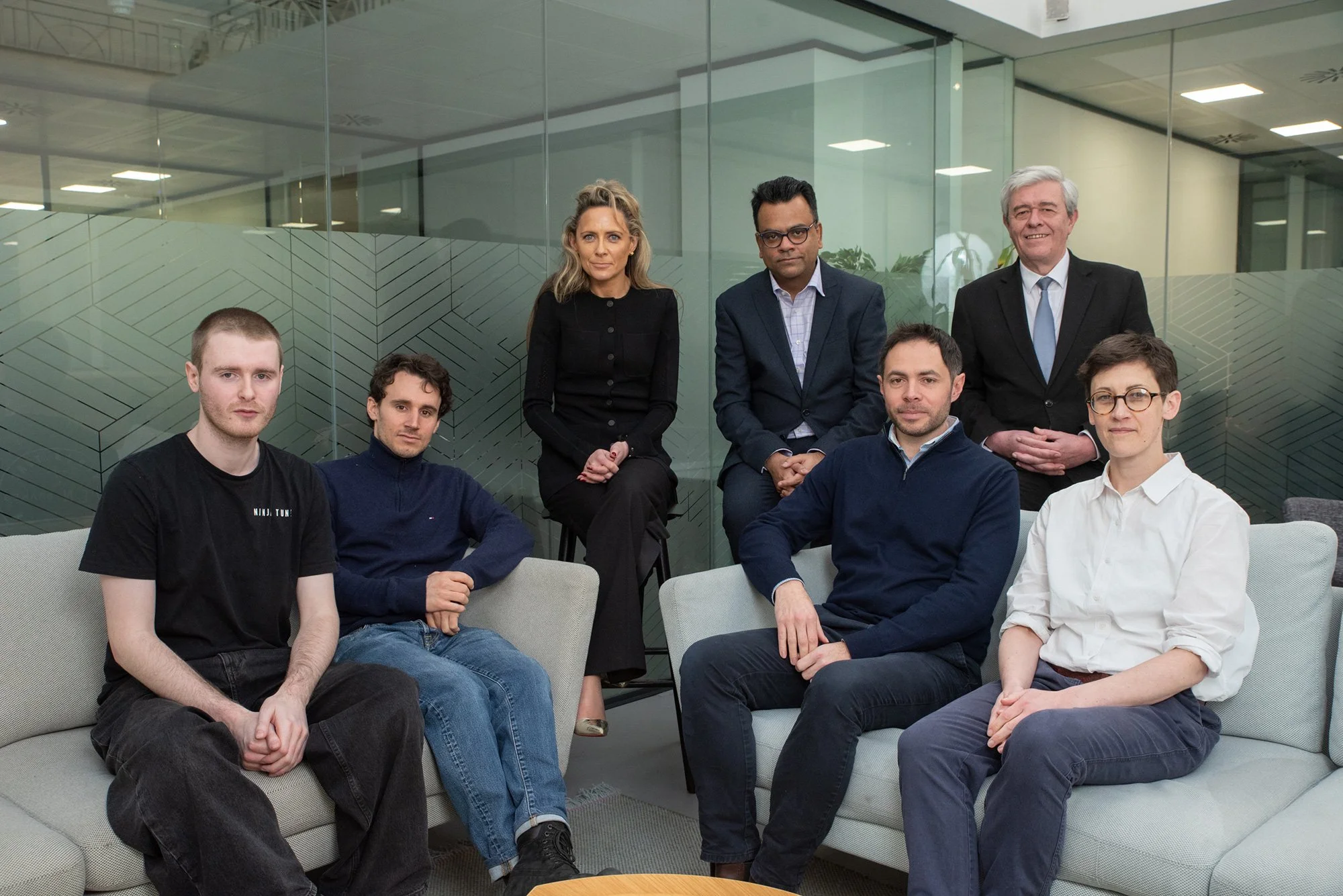
London-based deep tech startup Stanhope AI raises £6M ($8M) in seed funding to develop "Real World Model" AI, mimicking the human brain for autonomous drones and robotics, moving beyond LLM limitations.
London's burgeoning deep tech scene has once again captivated investors, with Stanhope AI, a startup pioneering artificial intelligence designed to emulate the complex processes of the human brain, announcing a significant funding round. The company has successfully raised £6 million (equivalent to $8 million), marking a pivotal moment in its mission to develop AI systems capable of operating with true agency and understanding within dynamic physical environments. This latest investment underscores a growing recognition within the tech industry that while large language models (LLMs) have dominated recent AI narratives, the next frontier lies in creating adaptable, context-aware intelligence capable of navigating the unpredictable complexities of the real world, particularly for applications in robotics and autonomous systems. The funding round, led by Frontline Ventures, with participation from Paladin Capital Group and Auxxo Female Catalyst Fund, alongside continued support from existing investors UCL Technology Fund and MMC Ventures, positions Stanhope AI to accelerate the development of its groundbreaking "Real World Model" product, challenging the prevailing paradigms of AI development.
The journey towards replicating human intelligence within machines has been a long and winding one, marked by periods of immense hype and subsequent disillusionment. Early AI research in the mid-20th century, often dubbed "Good Old-Fashioned AI" (GOFAI), focused on symbolic reasoning and expert systems, attempting to hardcode human knowledge and logic into machines. While yielding some successes in constrained domains, these systems famously struggled with common sense and adapting to unforeseen circumstances. The subsequent rise of machine learning, especially neural networks, shifted the focus to learning from data, culminating in the deep learning revolution that has given us the powerful large language models (LLMs) prevalent today. These LLMs, such exemplified by chatbots and advanced text generators, have redefined our interaction with AI, demonstrating uncanny abilities in language generation, translation, and summarization, as detailed by Tech Funding News. However, as Stanhope AI’s CEO and co-founder Professor Rosalyn Moran points out, these models, while impressive, fundamentally operate within the "language-restricted limits" of their training data. Their intelligence, though vast in scope, remains largely confined to the digital realm of text and static datasets, struggling when confronted with the continuous, uncertain, and rapidly changing dynamics of physical reality. This limitation has created a significant gap, particularly for applications requiring real-time decision-making, physical interaction, and genuine environmental understanding, such as autonomous vehicles or advanced robotics. Stanhope AI's approach, therefore, represents a conscious pivot away from purely language-based AI towards systems endowed with what they term "fundamental agency," an intelligence capable of understanding and acting within its world, much like a human brain.
Stanhope AI's recent £6 million ($8 million) seed funding round marks a significant milestone for the London-based deep tech startup. This investment builds upon an earlier £2.3 million secured in 2024, demonstrating consistent investor confidence in their unique brain-inspired AI approach. The company, a spin-out from prestigious institutions University College London and King’s College London, was co-founded by neuroscientists Professor Rosalyn Moran and Professor Karl Friston, bringing a profound understanding of biological intelligence to the engineering of AI systems. According to UKTN, the core of Stanhope AI’s innovation lies in its "Real World Model" product. This isn't merely another iteration of AI; it's conceptualized as a "next-generation framework for adaptive intelligence" designed to overcome the inherent limitations of current LLMs. Professor Moran highlights this distinction, stating, "We’re moving from language-based AI to intelligence that possesses the ability to act to understand its world – a system with a fundamental agency." This agency is crucial for real-world applications where understanding context, managing uncertainty, and interacting with physical reality are paramount. The funding will undoubtedly accelerate the development and deployment of this pioneering technology. The investment syndicate further underscores the strategic importance of Stanhope AI's work. Frontline Ventures led the round, with valuable contributions from Paladin Capital Group and Auxxo Female Catalyst Fund. Significantly, existing investors like UCL Technology Fund and MMC Ventures provided follow-on investment, a strong indicator of their continued belief in the company's progress and potential. Zoe Chambers, a partner at Frontline Ventures, articulated the market need, stating, "The future of physical AI demands systems that can truly adapt in real-time." She lauded Stanhope AI’s "unique scientific approach" and their impressive pace of execution, transitioning from academic research to practical, high-stakes applications. The company is already demonstrating its capabilities in critical sectors, actively testing its technology in autonomous drone piloting and broader robotics applications with international partners. This hands-on, real-world validation is precisely what sets Stanhope AI apart from many theoretical AI ventures, positioning them as a leader in bridging the gap between sophisticated AI models and actionable intelligence in unpredictable physical environments, as also corroborated by Tech Funding News.
Stanhope AI's successful funding round and its strategic focus represent a crucial evolution in the artificial intelligence landscape, signaling a shift in investor appetite and research direction. For years, the AI narrative has been dominated by the spectacular, yet often illusionary, feats of Large Language Models. These models, while demonstrating incredible fluency and pattern recognition in text, are fundamentally statistical engines operating on vast, static datasets. Their "understanding" is syntactic, not semantic; they predict the next word, not the underlying reality. This characteristic, while powerful for tasks like content generation and information retrieval, becomes a severe bottleneck when AI needs to interact physically with the world, where real-time sensing, causality, and dynamic adaptation are non-negotiable. This is where Stanhope AI's "Real World Model," inspired by human brain processes, offers a paradigm shift. The company’s embrace of 'Active Inference' – a theoretical framework in neuroscience and machine learning that posits that biological brains minimize prediction errors by actively sampling their environment and updating their internal models – directly addresses the shortcomings of LLMs in physical domains. For example, an LLM could describe how to land a drone in high winds, but it lacks the intrinsic agency and predictive error minimization needed to actually perform that task safely and adaptively in real-time complex weather conditions. The implication for industry is profound. Sectors from defense to logistics, environmental monitoring to search and rescue, are increasingly reliant on autonomous systems like drones and robots. If these systems are to move beyond pre-programmed routines or human teleoperation, they require an intelligence that can learn "on the fly," understand nuanced environmental cues, and make robust decisions under uncertainty. This isn't just about faster computations; it's about a fundamentally different kind of intelligence. Stanhope AI's approach promises to unlock new levels of autonomy and resilience, making AI systems truly "smart" in the unpredictable chaos of the real world, rather than just proficient in their digital training environments. This shift signifies a maturation of the AI field, moving beyond data-driven statistical correlations to model-based, biologically inspired inference that mimics how living organisms perceive and interact with their surroundings.
Central to Stanhope AI’s innovative approach is the concept of ‘Active Inference’, a computational framework derived from the neuroscientific theory of the free-energy principle. This principle, largely developed by co-founder Professor Karl Friston, suggests that biological systems – like the human brain – strive to minimize the discrepancy between their internal models of the world and the sensory information they receive. Instead of passively processing data, sentient beings actively infer the causes of their sensations and engage in actions that test and refine these internal models. This proactive, model-agnostic learning allows for continuous adaptation and robust decision-making in unpredictable environments. As highlighted by Tech Funding News, this brain-inspired paradigm enables machines to "learn and adapt on the fly," a crucial capability that is conspicuously absent from most LLM-based systems. While LLMs are phenomenal at pattern recognition within the vast datasets they are trained on, their ability to generalize or adapt effectively to novel, unseen, or rapidly changing real-world scenarios is limited. They lack the intrinsic mechanisms for active exploration and hypothesis testing that Active Inference provides. Stanhope AI’s technology, by integrating this neuroscientific insight, aims to empower AI systems with "fundamental agency" – the capacity not just to process information but to independently act, learn from those actions, and continuously refine their understanding of their surroundings. This makes their model uniquely suited for physical AI applications. The company is actively demonstrating the efficacy of its "Real World Model" through real-world deployments. Their technology is undergoing rigorous testing in autonomous drone operations and robotics applications, collaborating with international partners. These environments present the ideal proving ground for an AI designed to handle complex, high-stakes situations. Consider autonomous drones navigating dense urban environments with dynamic obstacles, or robots performing intricate tasks in unstructured industrial settings. In such scenarios, an AI system must not only perceive its environment accurately but also predict potential outcomes, understand causal relationships, and adjust its actions in real-time, all while managing inherent uncertainties. Christopher Steed, Chief Investment Officer and Managing Director at Paladin Capital Group, reinforced this perspective, noting that Stanhope AI's technology "showcases the next evolution of AI – intelligent systems that can operate with autonomy, efficiency, and resilience across real-world domains." This emphasis on real-world resilience and autonomous operation underscores the transformative potential of Stanhope AI’s unique brain-inspired approach, pushing the boundaries of what machine intelligence can achieve beyond the digital confines of language processing.
The successful funding and ongoing development at Stanhope AI signal a promising trajectory for what is often termed 'embodied AI' – artificial intelligence that learns and interacts within a physical body and environment. As the company continues to refine its "Real World Model," the implications extend far beyond enhanced drone piloting or robotics. We can anticipate a future where AI systems possess a far more nuanced and dynamic understanding of complex situations, moving past predefined rules and statistical correlations. This could pave the way for truly intelligent autonomous vehicles capable of navigating unforeseen scenarios with human-like intuition, advanced robotic assistants that learn and adapt to their human counterparts in unpredictable domestic or industrial settings, and even more sophisticated simulations for scientific research that mimic real-world phenomena with unprecedented fidelity. The key challenge, as with any foundational technological shift, will be scaling this complex, neuroscientifically-inspired approach while ensuring robustness, safety, and ethical deployment. As Stanhope AI progresses from academic research to practical, high-stakes applications, monitoring their ability to manage computational demands, generalize across diverse physical tasks, and integrate seamlessly with existing hardware will be critical. Their work is a strong indicator that the next wave of AI innovation will not merely be about bigger datasets or more parameters, but about smarter, more biologically plausible architectures that can learn, adapt, and act with genuine agency in our messy, unpredictable world, marking a significant leap toward truly intelligent machines.
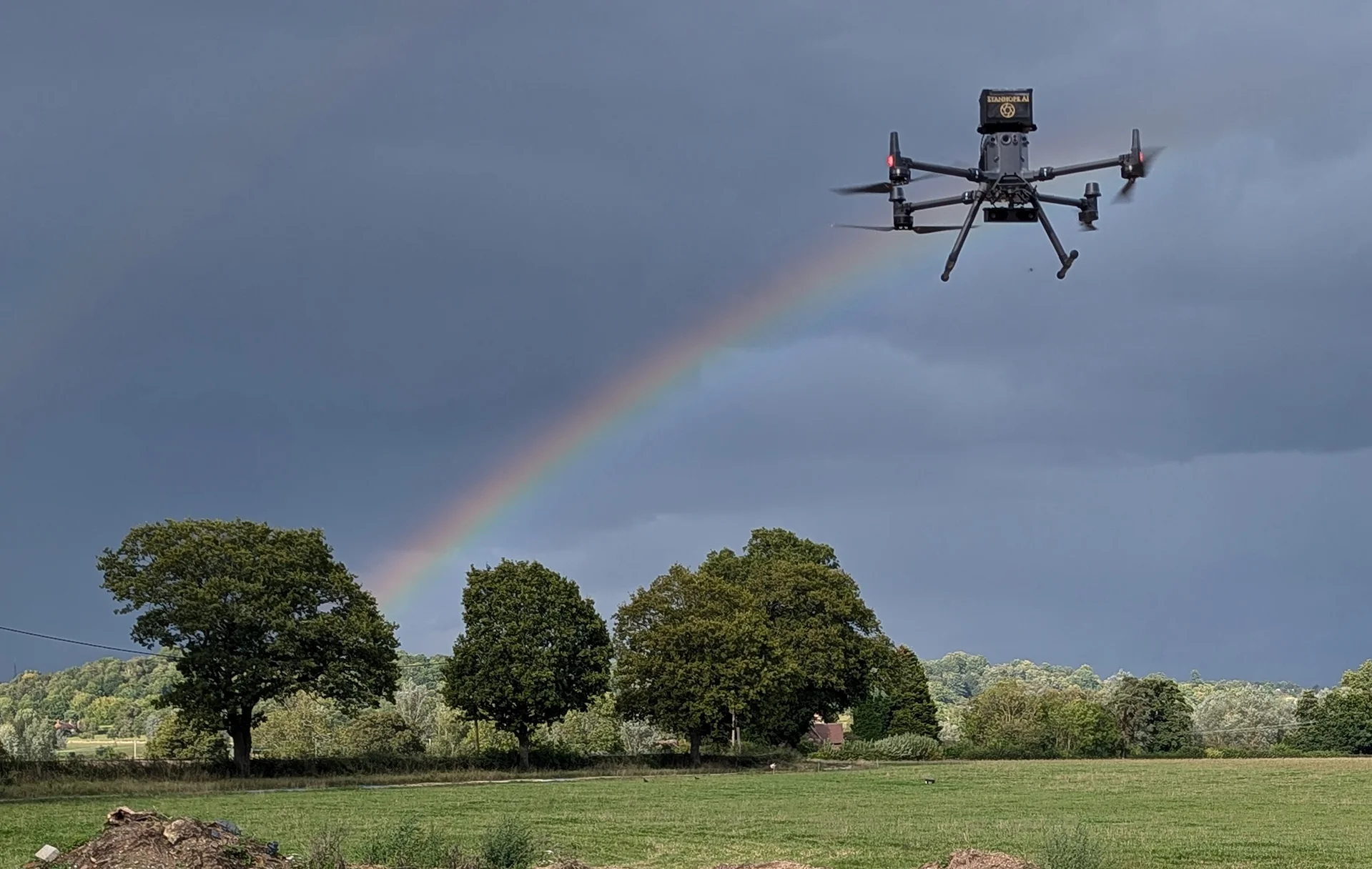
London's Stanhope AI raises $8M in seed funding to develop adaptive AI, moving beyond LLMs to power autonomous systems in robotics and defence with real-time context awareness.

Amidst tech stock declines, AI and robotics ignite massive investment, with OpenAI eyeing an $850B+ valuation and Jeff Bezos backing key innovators.
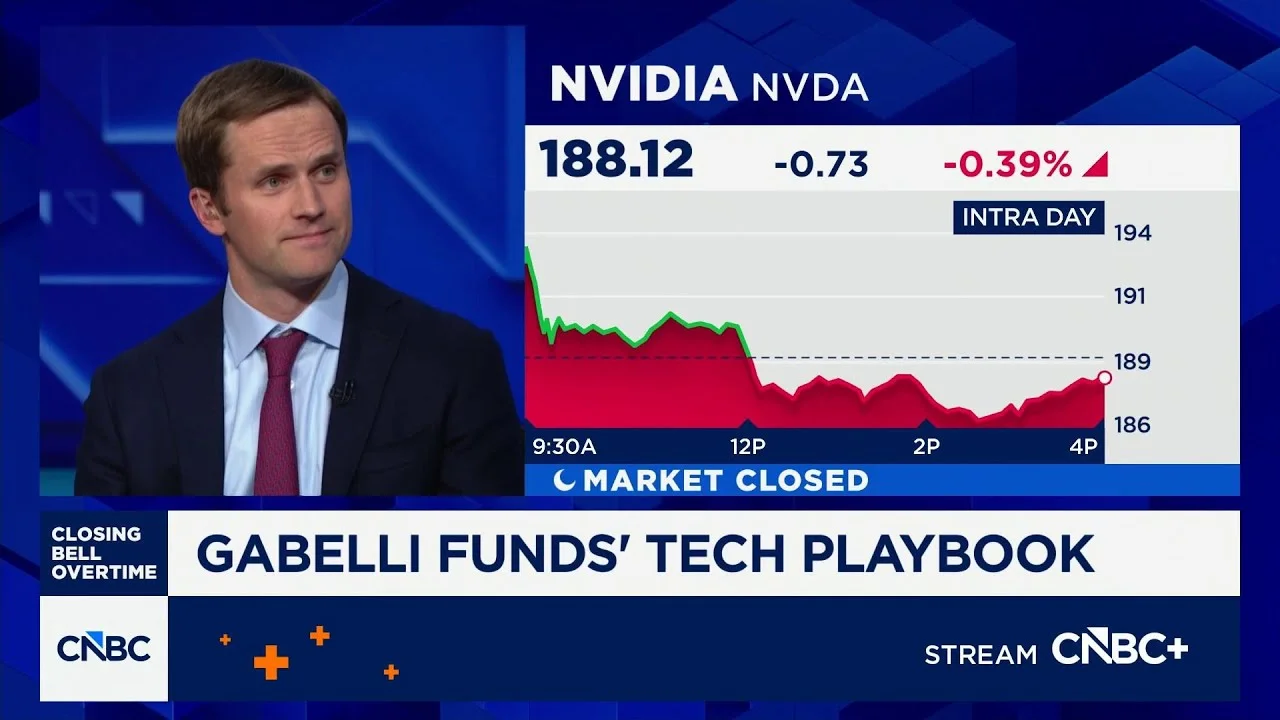
Stock futures nudged higher amidst volatile markets after tech losses, as a UK-based AI startup secures $8M to develop human brain-like AI for robotics and autonomous drones.