Stock Market Update: Biotech Soars on AACR Data, Energy Electrifies, Solar Sees Patent Shift
Today's stock market news, April 17, 2026: Biotech breakthroughs at AACR, PG&E's electrification push, and key solar patent invalidation reshape sectors.

The financial markets buzzed with significant activity on April 17, 2026, as several key sectors experienced pivotal developments that promise to reshape competitive landscapes and investor strategies. Biotech, in particular, dominated headlines with a flurry of data presentations from the American Association for Cancer Research (AACR) conference, offering critical insights into pipeline narratives and future therapeutic breakthroughs. Simultaneously, the energy sector saw innovation in residential electrification, while a major patent invalidation threatened to upend margins within the solar industry. These developments, along with routine international filings, paint a dynamic picture for investors seeking to navigate today’s complex market, as detailed by Stock Titan.
Biotech Takes Center Stage with AACR Data
The biotech and healthcare sectors were undeniably the focal point of today's market news, largely driven by ongoing presentations at the American Association for Cancer Research (AACR) conference. This annual event is a critical platform for companies to unveil new preclinical and clinical data, often dictating investor sentiment and recalibrating expectations for future drug approvals and market penetration. As highlighted by Stock Titan, the data flow from AACR continued to shape pipeline narratives, providing a crucial barometer for translational progress in cancer research.
Among the most impactful announcements, Merck (MRK) secured European approval for ENFLONSIA™ (clesrovimab) to prevent RSV in infants, marking a significant commercial milestone for the pharmaceutical giant. This approval not only validates Merck’s extensive research and development efforts in infectious diseases but also positions the company to address a substantial public health need in pediatric care across Europe. Such regulatory successes are vital for large-cap pharmaceutical companies, ensuring continued revenue streams and fortifying their market standing.
Promising Clinical Readouts and Strategic Moves
Beyond Merck's regulatory win, several companies presented data that could have long-term implications for cancer treatment. Agenus (AGEN) delivered particularly compelling Phase II results, showcasing immune reprogramming and durable survival in PD-1 refractory gastroesophageal cancer patients treated with a combination of botensilimab, balstilimab, and agenT-797. This readout is meaningful because it suggests a potential recalibration of expectations for immuno-oncology (IO) combinations in tumors that have historically shown resistance to existing therapies. The ability to induce durable responses in such challenging patient populations often translates into substantial market opportunities and improved patient outcomes.
In addition to Agenus, a cohort of smaller biotech firms released promising preclinical or early clinical data at AACR, signaling robust innovation across the industry. This includes Acrivon (ACRV) with three posters on ACR-368/ACR-2316 combos, Cardiff Oncology (CRDF) with data on onvansertib + HER2 ADC, Adagene (ADAG) presenting muzastotug combination data, Olema Oncology (OLMA) with insights into palazestrant and OP-3136, Xilio Therapeutics (XLO) detailing its XTX601 masked T-cell engager, Nuvalent (NUVL) showcasing zidesamtinib data, and ORIC (ORIC) with early results for rinzimetostat in prostate cancer. Each of these presentations contributes to the broader scientific understanding and offers glimpses into the next generation of cancer therapeutics, drawing significant attention from early-stage investors monitoring mechanism-based preclinical readouts, as further reported by Stock Titan.
Further strengthening the cell therapy landscape, Gilead (GILD) successfully obtained all necessary approvals for its acquisition of Arcellx and extended the tender offer. This move addresses a major integration hurdle, solidifying Gilead's strategic push into the rapidly evolving field of cell therapies. Such strategic acquisitions are crucial for established pharmaceutical companies looking to expand their technological capabilities and product portfolios in high-growth areas.
Energy and Industrials Drive Innovation, Solar Sees Patent Shake-Up
While biotech dominated the clinical news, the energy and industrials sectors also experienced notable developments. PG&E (PCG) made waves with the introduction of its PG&E PowerHouse, an all-electric model home designed to accelerate residential electrification. This initiative is a significant step towards shaping future grid load profiles and promoting sustainable living. The PowerHouse concept aims to demonstrate the feasibility and benefits of fully electric homes, which can reduce carbon footprints and optimize energy consumption. By pioneering such models, PG&E is not only advancing its own sustainability goals but also influencing broader industry trends towards greener residential infrastructure and smart grid integration. This move highlights the utility sector's proactive measures in adapting to climate change demands and consumer preferences for electrified living, as noted in the market updates by Stock Titan.
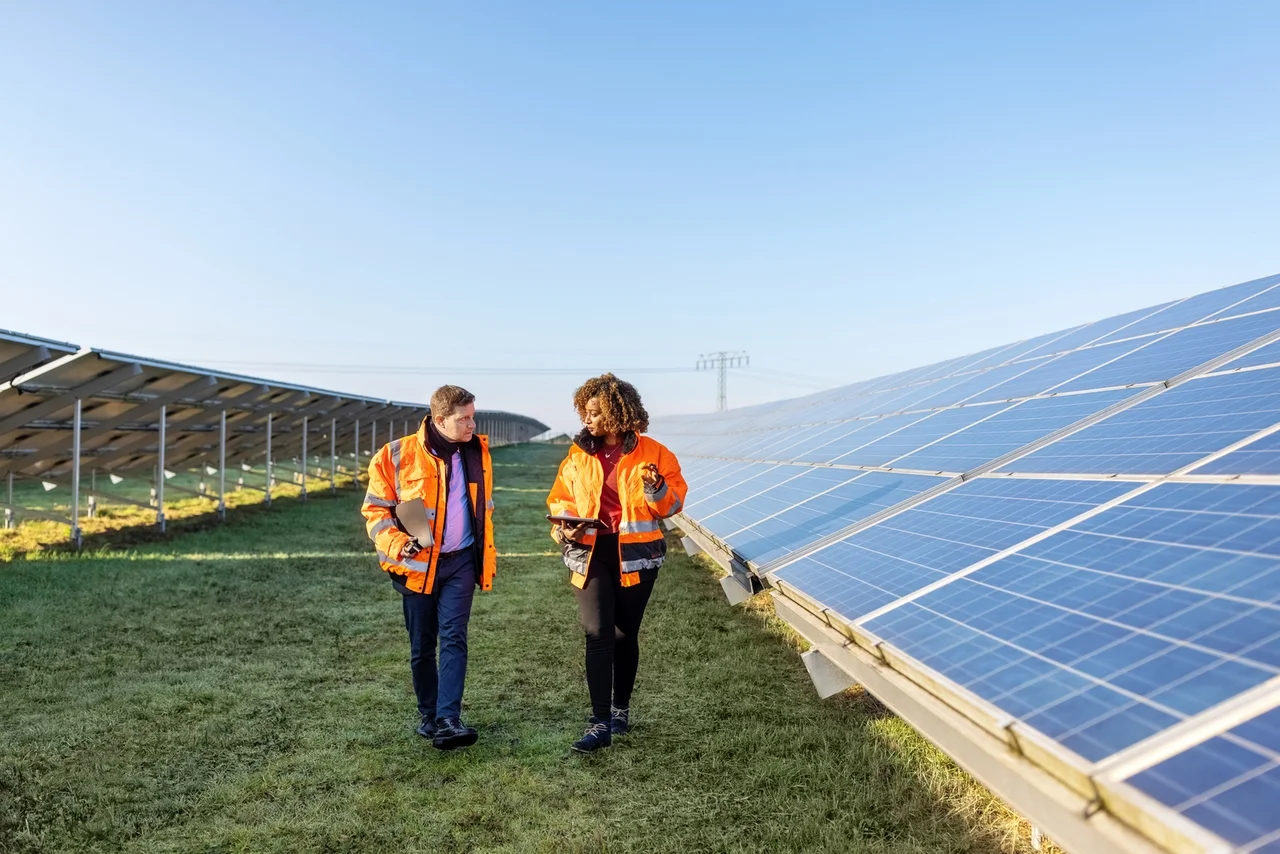
However, not all news today was about expansion and innovation. A significant disruption emerged in the solar industry, where the U.S. Patent Trial and Appeal Board invalidated Trina's TOPCon patents. This decision, reported by Stock Titan, carries profound implications for solar module manufacturers. TOPCon (Tunnel Oxide Passivated Contact) technology is a critical advancement in solar cell efficiency, and its patent protection has afforded certain companies a competitive edge. The invalidation of these patents could fundamentally reshape competitive dynamics within the solar market. It may lead to increased competition, potentially driving down prices and margins for modules utilizing this technology, and could force companies to re-evaluate their intellectual property strategies. For investors, this creates both risks and opportunities, as the playing field for high-efficiency solar technology becomes more level, potentially benefiting smaller players or those who were previously restricted from using patented innovations. The long-term effects on the global solar supply chain will be keenly watched.
Analysis: Competing Pressures and Sector Realignments
Today's market movements illustrate a fascinating interplay of innovation, regulation, and competitive pressures across multiple key sectors. The biotech surge, driven by the AACR presentations, underscores the evergreen investor appetite for therapeutic breakthroughs, particularly in oncology. The sheer volume and quality of data, from Merck’s commercial win to Agenus’s promising IO combinations and the numerous early-stage readouts, suggest a robust pipeline across the industry. This environment necessitates a nuanced investment strategy, distinguishing between de-risked late-stage assets and high-potential, yet speculative, early-stage platforms. The Gilead acquisition of Arcellx is a clear signal that big pharma continues to seek growth through strategic M&A in transformative fields like cell therapy, ensuring that innovation from smaller biotechs is frequently integrated into larger commercial infrastructures for broader patient access.
Conversely, the patent invalidation in the solar sector highlights the inherent risks of intellectual property disputes in rapidly evolving technological fields. Trina's loss of TOPCon patent protection could usher in a new era of intensified competition and potentially commoditization of what was once a protected, high-margin technology. This development creates significant headwinds for companies that relied heavily on these patents for their competitive moat, while simultaneously opening doors for rivals. It prompts a re-evaluation of valuation models for solar manufacturers, emphasizing operational efficiency and scale over proprietary technology alone. For consumers, this could translate to more affordable, higher-efficiency solar panels, accelerating the adoption of renewable energy, but for investors, it signals a period of market turbulence and realignment.
Additional Details: Global Filings and Broader Market Context
Beyond the major industry-specific news, today also saw the filing of routine but important international documents that provide transparency for global investors. Tencent Music (TME) submitted its 2025 Form 20-F, offering updated metrics on monetization strategies and user engagement within China’s highly competitive music market. These filings are critical for investors to assess the company’s performance, growth trajectories, and operational health in a key emerging economy. They often reveal trends in user acquisition, subscription growth, and advertising revenue, which are vital indicators for digital content platforms operating at scale.
Similarly, Cemig (CIG), a prominent utility company from Brazil, filed its 2025 Form 20-F. This routine international filing provides essential currency and regulatory disclosures, which are particularly relevant for investors in emerging-market utilities. Such disclosures offer insights into foreign exchange rate impacts on financial performance, compliance with local and international regulations, and any significant political or economic risks in their operating regions. These filings are fundamental components of due diligence for international investors, ensuring they have a comprehensive understanding of the risks and opportunities associated with their holdings. All these updates, from significant industry shifts to routine financial disclosures, contribute to a comprehensive market overview, allowing investors to stay informed and make data-driven decisions regarding their portfolios and watchlists, as underscored by the market intelligence from Stock Titan.
Looking Ahead: Navigating a Shifting Landscape
The events of April 17, 2026, underscore the dynamic and often unpredictable nature of the global stock market. For biotech, the continued flow of data from AACR will remain a key determinant of investor sentiment and pipeline valuations. Investors will be closely watching for further clinical readouts, regulatory milestones, and strategic partnerships that validate emerging therapeutic platforms. In the energy sector, PG&E's electrification initiatives signal a broader industry trend towards sustainable innovation, with utilities increasingly playing a critical role in shaping future energy consumption patterns. Meanwhile, the solar industry faces a period of recalibration following the TOPCon patent invalidation, which could trigger a wave of new competitive strategies and potentially reshape market leadership. Monitoring how manufacturers adapt to this altered IP landscape, and what impact it has on R&D and market pricing, will be crucial in the coming months. These diverse developments collectively paint a picture of markets in flux, requiring diligent analysis and adaptive strategies from all participants.
Related Articles

AACR Data Flow and Biotech Buzz Drive Market, PG&E Unveils Future Grid Model
Biotech innovations from AACR presentations, European approval for Merck's RSV drug, and PG&E's electrification initiative headline stock market activity on April 17, 2026.