Unfiltered Reality: Streamer Loses 140,000 Followers After Beauty Filter Fails
A popular Chinese streamer experienced a massive 140,000-follower drop after a beauty filter glitch revealed her natural appearance during a live broadcast, sparking debate on online authenticity and beauty standards.

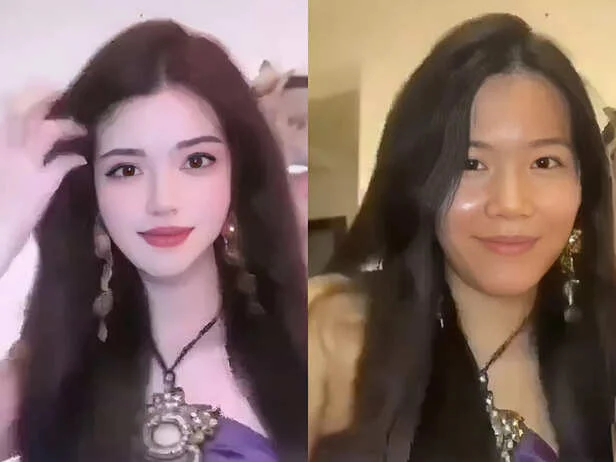
A Chinese streamer, accustomed to presenting a flawless, "glass-skin" persona to her dedicated audience, found her meticulously crafted online image shatter in mere moments during a recent live broadcast. A major technical glitch caused her beauty filter to abruptly fail, exposing her natural appearance to tens of thousands of viewers. The immediate fallout was staggering: a reported loss of approximately 140,000 followers in minutes, igniting a fervent debate across social media platforms regarding authenticity, unrealistic beauty standards, and the psychological impact of digital enhancement in the creator economy. The incident, widely reported by The Indian Express, underscores a critical vulnerability in an industry increasingly reliant on digital masks.
The Illusion Shattered: Background on Online Beauty Standards
The incident involving the Chinese streamer is not an isolated event but rather a stark manifestation of a pervasive trend: the digital alteration of reality to meet ever-escalating beauty ideals. For years, social media platforms have become incubators for curated aesthetics, where filters, editing apps, and sophisticated beauty tools are not just common, but often expected. This culture has fostered an environment where "unrealistic standards" are not just promoted by creators but often demanded by audiences, as highlighted by The Indian Express. Streamers, influencers, and content creators often feel immense pressure to conform to these enhanced visuals, believing that their audience engagement and, by extension, their livelihood, hinge on maintaining a digitally perfected appearance. This phenomena isn't new; from early photo editing software to advanced real-time filters, the pursuit of an idealized self has been a cornerstone of online interaction, particularly in visual content production. The reliance on these digital enhancements can create a significant disconnect between a creator's online persona and their offline reality, setting the stage for moments like this filter glitch to become viral sensations, pulling back the curtain on the artifice.
Key Developments: The Moment of Unmasking and its Aftermath
The dramatic event unfolded during a live stream where the popular Chinese streamer was engaging with her audience, playing music, and maintaining the highly polished, "glass-skin" look she was known for. According to Haberler.com, as reported by The Indian Express, the beauty filter, which provided "enhanced features such as smooth skin and defined facial contours," suddenly deactivated. The instantaneous revelation of her natural appearance sent shockwaves through the live chat, with viewers expressing surprise and a flurry of reactions flooding the screen. What followed was an immediate and drastic loss in her follower count, reportedly plummeting by approximately 140,000, illustrating the direct and brutal impact of the perceived deception. The incident quickly went viral, transcending the original live stream platform to become a global talking point. Comments ranged from dismay and accusations of "false advertising" to support for her natural beauty, and even cynical observations about societal obsessions with external appearances. Some viewers expressed sentiments like, "She looks beautiful without filter. Why did she use filter?” while others reacted more harshly, stating, “She needs to be arrested and jailed from false advertising.” The stark contrast between the filtered and unfiltered images, and the subsequent audience reaction, perfectly encapsulates the fraught relationship between online presentation and perceived authenticity in the digital age.
Analysis: The Currency of Authenticity in the Digital Age
This incident is far more than just a viral mishap; it serves as a potent case study on the evolving, and often contradictory, demands placed on public figures in the digital arena. The immediate backlash faced by the streamer highlights the fragile line between aspirational imagery and outright deception. In an online ecosystem where engagement often correlates directly with revenue, creators are under immense pressure to present an idealized version of themselves. This often leads to a heavy reliance on digital enhancements, blurring the lines between reality and fabrication. The subsequent loss of 140,000 followers points to a critical shift in audience expectation: while viewers may initially be drawn to perfected images, there is an increasing demand for authenticity and transparency. When that illusion is broken, the sense of betrayal can be profound, impacting trust and loyalty. This event underscores the transactional nature of online communities, where a perceived breach of trust can lead to immediate and quantifiable losses. It also reflects a broader societal fatigue with heavily edited content, even as the tools for such editing become increasingly sophisticated. The comments section, a crucible of public opinion, captured this tension – admiration for her 'natural' beauty was juxtaposed with anger at the perceived 'false advertising.' This dynamic creates a precarious tightrope walk for content creators; they must deliver an aspirational image while simultaneously cultivating an aura of genuine connection and relatability. Failure to navigate this can have severe professional consequences.
The phenomenon also mirrors other recent internet trends where the curated online world clashes with an unbidden reality. For instance, the Delhi Police recently leveraged a "viral trending video" format to announce the arrest of a biker identified as Tushar Puniya, who performed dangerous stunts solely for social media reels, as reported by Mathrubhumi English. Puniya's actions, which included riding without a registration plate and opening car doors on busy roads, posed a "serious threat to public safety" but were undertaken purely for online content. This suggests a pattern where individuals are willing to go to extreme lengths, whether through digital alteration or real-world risk, to generate viral content and maintain online relevance. Both cases, while vastly different in nature, illuminate the often-distorted incentives within the social media ecosystem and the repercussions when the boundaries of acceptable online behavior or authenticity are crossed. The streamer's situation, in particular, speaks to the emotional and reputational cost of failing to manage the gap between a digitally enhanced persona and an unvarnished reality.
Additional Details: The Pervasiveness of Digital Enhancement and Societal Responses
The streamer's experience brings into sharp focus the ubiquitous nature of digital beauty filters and their profound influence on perceptions of self and others. These tools, seamlessly integrated into live streaming and video platforms, allow for real-time alterations ranging from subtle skin smoothing to dramatic facial restructuring. The technology is so advanced that many viewers may not even be consciously aware they are interacting with an enhanced image, internalizing these altered appearances as actual beauty standards. This cycle perpetuates a feedback loop where creators feel compelled to use filters to gain and retain followers, while audiences, conditioned by these filtered images, come to expect them. The commenter who mentioned seeing the streamer's "morning face" and asserting the "makeup-free face is totally AI-generated" highlights the deep skepticism and blurred lines between reality and fabrication that now characterize online interactions, even post-filter-glitch. This comment, reported by The Indian Express, epitomizes the erosion of trust viewers can feel when an online persona is revealed to be heavily manipulated.
Beyond individual incidents, the societal implications are vast. The constant exposure to digitally perfected images contributes to rising rates of body dysmorphia and self-esteem issues, particularly among younger audiences. Platforms that host these filters are often criticized for their role in creating and propagating these unrealistic ideals. However, the comments section of the viral video also revealed a more nuanced perspective. While some condemned the use of filters, others defended the streamer, pointing out the societal pressure to conform. "A society that’s plagued with cancer of external beauty. What more you will expect," one user commented, reflecting a critical awareness of the broader issue at play. This public discourse indicates a growing, albeit conflicted, recognition of the pressures faced by creators and the detrimental effects of an appearance-obsessed online culture. The incident serves as a powerful reminder that while technology offers tools for self-expression and connection, it also introduces complexities in how authenticity and beauty are defined and consumed, pushing boundaries previously unimaginable in traditional media.
Looking Ahead: The Future of Authenticity in Online Content
The viral filter glitch and its dramatic aftermath will undoubtedly resonate across the influencer and streaming communities, prompting a re-evaluation of content strategies and viewer expectations. This incident could accelerate a shift towards greater transparency, with creators potentially embracing more "authentic" and less filtered content, or at least being more upfront about their use of digital enhancements. We might see platform developers considering new features that indicate when filters are in use, or more easily allow creators to showcase the "raw" versions of themselves to build deeper trust. The debate around online authenticity is unlikely to subside; instead, it will likely intensify as AI and deepfake technologies make digital alteration even more seamless and difficult to detect. As audiences become savvier, the currency of genuine connection and relatability may ultimately outweigh the fleeting appeal of synthetic perfection. The challenge for creators will be to adapt to these evolving demands, finding a balance between aspirational content and credible self-presentation, lest they too fall victim to the brutal honesty of an unfiltered moment. The quest for "punk wellness" that drives trends like the Chinese bar diagnosing customers for "healthy" alcoholic cocktails, as reported by The Economic Times, reveals a generation grappling with the dissonance between idealized lifestyles and the harsh realities of modern life. This same search for an elusive "authentic" healing, even in an unexpected context like a cocktail bar, indicates a profound yearning for genuine connection and self-acceptance that will inevitably shape the future landscape of online content.
Related Articles

70-Year-Old Vinod Sharma's Authentic Debut Vlog Captivates Millions Online
A 70-year-old man from Uttar Pradesh, Vinod Kumar Sharma, has achieved unexpected viral fame with his first-ever vlog, racking up 29 million views.