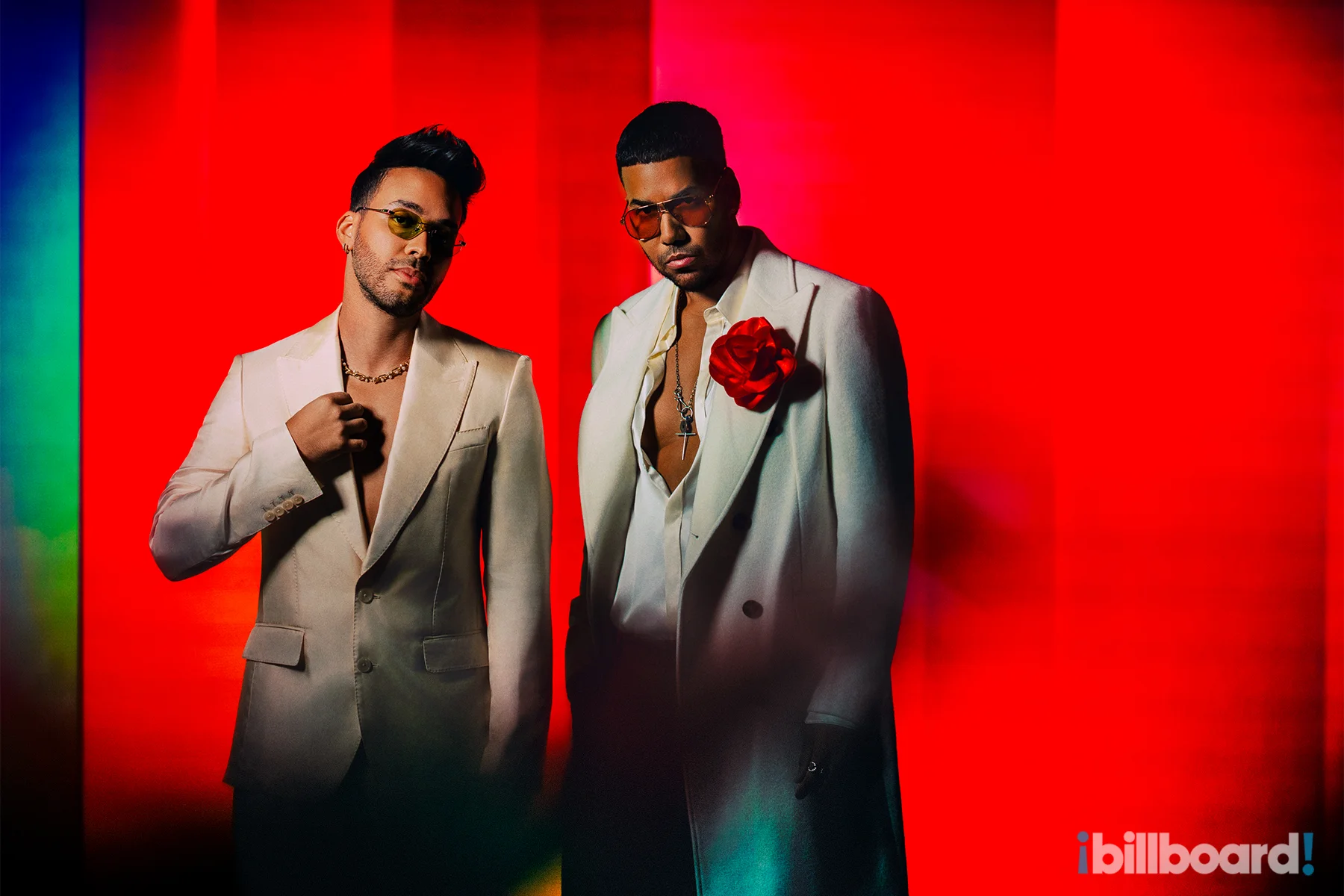
February 2026 sees Tate McRae's 'Nobody's Girl' and the Romeo Santos & Prince Royce 'Dardos' collaboration exploding on YouTube, showcasing new viral trends and the power of Shorts.
YouTube is currently a whirlwind of activity, with fresh music releases and viral entertainment phenomena capturing global attention. Among the most prominent trends are the highly anticipated collaboration between bachata legends Romeo Santos and Prince Royce with their release of 'Dardos,' and pop sensation Tate McRae's runaway hit 'Nobody's Girl,' which is dominating charts worldwide. These releases, alongside innovative use of platforms like YouTube Shorts, are reshaping how music breaks and trends in the digital age, signifying a dynamic shift in audience engagement and artist promotion. The platform's ability to host both established icons and emerging talent, amplified by short-form content, underscores its pivotal role in today's entertainment landscape, as detailed by Art Threat.
For over a decade, YouTube has been an undeniable force in the music industry, transforming from a video-sharing platform into a primary vehicle for music discovery, promotion, and consumption. Historically, music videos have been central to an artist's release strategy, often serving as cinematic companions to their auditory work. However, the ecosystem has continually evolved. The introduction and subsequent dominance of short-form video content, particularly YouTube Shorts, represents a significant pivot. This format, mirroring the success of platforms like TikTok, has provided artists with an unprecedented tool for rapid virality and direct engagement with younger demographics. What once relied on traditional broadcast or lengthy music videos for impact can now achieve global recognition through a 15-to-90-second clip, fundamentally altering the speed and mechanisms of a song's ascent to chart-topping status, as evidenced by the February 2026 trends outlined by Art Threat. This continuous adaptation ensures YouTube remains at the forefront of popular culture, constantly redefining what it means to "go viral."
February 2026 has witnessed a remarkable surge in music-related content dominating YouTube's trending algorithms, spearheaded by two monumental music drops. The first, and arguably most historic, is the collaboration between bachata titans Romeo Santos and Prince Royce. Their track, ‘Dardos,’ accompanied by an official music video that premiered on February 13, 2026, instantly soared to the #1 trending spot worldwide in YouTube’s music category. This single, a highlight from their album ‘Better Late Than Never,’ skillfully marries traditional bachata rhythms with contemporary production, generating immense buzz across all digital platforms and rapidly ascending global charts, as reported by Art Threat. The sheer star power and undeniable chemistry between these two "Kings of Bachata" have created a global cultural moment, celebrating the genre's continued expansion.
Parallel to this Latin music triumph, Canadian pop sensation Tate McRae has cemented her status as a global phenomenon with her latest hit, ‘Nobody’s Girl.’ Featured prominently in YouTube’s trending videos throughout February 2026, the 22-year-old artist achieved a significant milestone by surpassing 50 million eligible units in the United States. This achievement places her in an elite group of contemporary female artists, including Billie Eilish, Olivia Rodrigo, and Sabrina Carpenter. The music video for ‘Nobody’s Girl’ is lauded for its emotional depth and high production quality, resonating particularly strongly with Gen-Z audiences. The track's pervasive presence extends beyond direct plays, having been integrated into major advertising campaigns, such as NBC’s ‘Legendary February’ promotion for the Winter Olympics, further amplifying its reach. Fans are actively sharing the song across YouTube Shorts, contributing to its continuous high engagement metrics, notes Art Threat. These two distinct but equally impactful music events highlight YouTube’s diverse appeal and powerful influence in shaping global music trends.
Beyond these headline music acts, the broader landscape of viral content on YouTube continues to evolve. While music dominates, other viral moments illustrate the platform's diverse appeal. For instance, a Chinese streamer recently garnered international attention not for her music or creative content, but for a mishap involving a beauty filter. During a live stream, the filter, which provided her with a "glass-skin look," unexpectedly deactivated, revealing her natural appearance. This incident led to a dramatic loss of approximately 140,000 followers, sparking widespread discussion about authenticity and unrealistic beauty standards perpetuated online, as detailed by The Indian Express. The viral reaction, ranging from praise for her natural beauty to accusations of "false advertising," underscores how quickly digital missteps can trend and ignite debate. Similarly, a video depicting a "note shower" at a Punjabi wedding in India also went viral, with initial online claims suggesting an extravagant Rs 8.5 crore was spent. While the family and event organizers later clarified the amount was significantly less, around Rs 4.5 lakh including some dollars, the initial perception fueled viral discussions about displays of wealth and cultural traditions, as reported by The Economic Times. These non-music viral events, while different in nature, demonstrate YouTube's role as a primary platform for sharing and reacting to a vast spectrum of trending cultural phenomena.
The current trending landscape on YouTube, heavily influenced by the successes of Tate McRae and the Santos-Royce collaboration, signifies a critical evolution in how content achieves prominence and impact. The dominance of music videos, particularly those from established artists forming unexpected collaborations, signals that star power remains a potent force, capable of generating billions of views when coupled with compelling material. This also underscores the continued importance of narrative and artistic quality; as Art Threat points out, viewers prioritize music quality, production value, and emotional storytelling over traditional record label marketing alone. For emerging artists, this environment can be both challenging and opportune. While competing with legends is daunting, the rise of YouTube Shorts offers an egalitarian platform. These short-form videos are not merely promotional tools but creative canvases where new talent can showcase vocal prowess, choreography, or unique concepts that resonate organically with audiences, often achieving trend status within hours.
Moreover, the global reach evident in the success of Latin music and K-pop crossovers demonstrates a significant erosion of traditional geographical and linguistic barriers in music consumption. YouTube, through its vast user base and algorithmic recommendations, effectively acts as a cultural bridge, allowing artists to break into international markets that were once inaccessible without massive promotional budgets. This has profound implications for record labels and talent scouts, who must now monitor global trends and adapt strategies to nurture and promote artists who can leverage these cross-cultural connections. The platform rewards authenticity and creative risk-taking, suggesting a future where diverse genres and unexpected fusions are more likely to thrive, provided they can capture the fickle attention of a digitally native audience. The incidents involving the streamer's filter glitch and the wedding cash shower, while not directly music-related, further illuminate the public's current fascination with authenticity (or lack thereof) and real-life spectacle, providing additional avenues for viral content that feeds into the broader entertainment ecosystem and social discourse around wealth and perception.
A deeper dive into February 2026's YouTube trends reveals the specific mechanisms driving content to viral status. The combination of established artists and strategic platform use is paramount. Art Threat highlights that Madison Beer, Katy Perry, and Selena Gomez are successfully leveraging YouTube Shorts, demonstrating how even global superstars are adapting to the modern content consumption habits. These quick clips aren't just teasers; they're integral to the viral lifecycle of a song, creating buzz and driving traffic back to longer-form content or streaming platforms. The exponential reach generated by these short videos underscores their pivotal role in today’s music marketing strategies, far exceeding the impact of traditional music videos in isolation for initial virality.
The February 2026 trending cycle predominantly showcases pop music's strong performance on Shorts. Emerging artists are particularly adept at using 15-90 second segments to display their talents, from vocal range to unique choreography, quickly capturing audience attention. Producers are reporting that new music drops featured in YouTube Shorts can achieve trend status within hours, a testament to the platform's rapid dissemination capabilities. This speed means that the window for capturing viral momentum is incredibly short, demanding immediate and innovative content strategies. Beyond pop, the article notes a significant breakthrough for international artists, with Latin music and K-pop crossovers consistently dominating the platform, further solidifying YouTube's role as a global melting pot for musical talent and cultural exchange. This dynamic environment encourages creative experimentation and cross-genre collaborations, as artists seek novel ways to capture the attention of a vast and diverse global audience.
While music dominates, the peripheral viral content underscores broader trends of digital engagement and societal commentary. The filter glitch faced by the Chinese streamer, described by The Indian Express, became a talking point about the pervasive use of beauty filters and the often-unrealistic standards they promote. The public reaction ranged from support for authentic appearances to criticism for perceived deception, highlighting the ethical dilemmas and audience expectations in the age of digital enhancement. Similarly, the Punjabi wedding video, as reported by The Economic Times, generated viral interest due to claims of extreme wealth display. Although clarified to be a much smaller sum, the initial virality stemmed from the spectacle and the immediate judgment it provoked among viewers, illustrating how easily unverified information can spread and capture public imagination, fueling debate across social platforms. These incidents, while distinct from music trends, demonstrate the fragmented but intensely interactive nature of trending content on YouTube and beyond.
The current confluence of music collaborations, pop phenomena, and innovative short-form content on YouTube provides a clear roadmap for the future of viral entertainment. We can anticipate an acceleration of cross-genre and international collaborations, driven by the platform's ability to transcend geographical boundaries. The continued evolution of YouTube Shorts will likely see even more sophisticated integration into release strategies, becoming a primary battleground for artists to capture initial audience attention. Authenticity and emotional resonance will remain key drivers, but increasingly, creators will need to balance genuine connection with strategic, platform-specific content creation. The rapid ascent of artists like Tate McRae and the enduring power of icons like Romeo Santos and Prince Royce signals a dynamic equilibrium where both established and emerging talents can thrive if they adapt adeptly to these evolving digital currents. The entertainment industry will closely watch how these trends continue to shape fan engagement, music discovery, and the very definition of what makes content "viral."

Explore the surprising early careers of 55 music legends, from Billie Eilish in a children's choir to Billy Joel in a heavy metal band, revealing paths far removed from their eventual global fame and fortune.
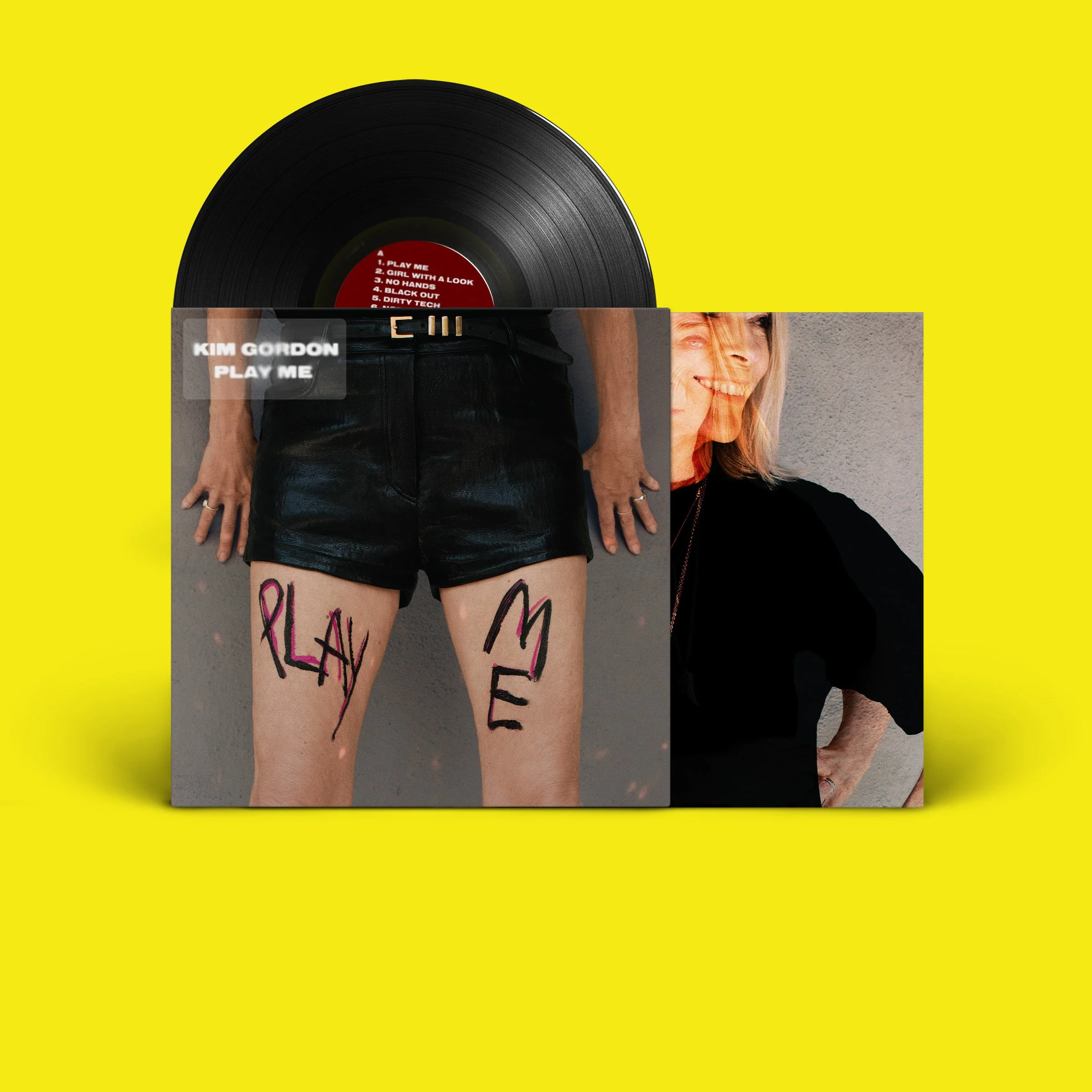
Sonic Youth co-founder Kim Gordon, 72, releases her third solo album 'PLAY ME,' venturing into industrial trap and rap to critique technology and streaming culture.
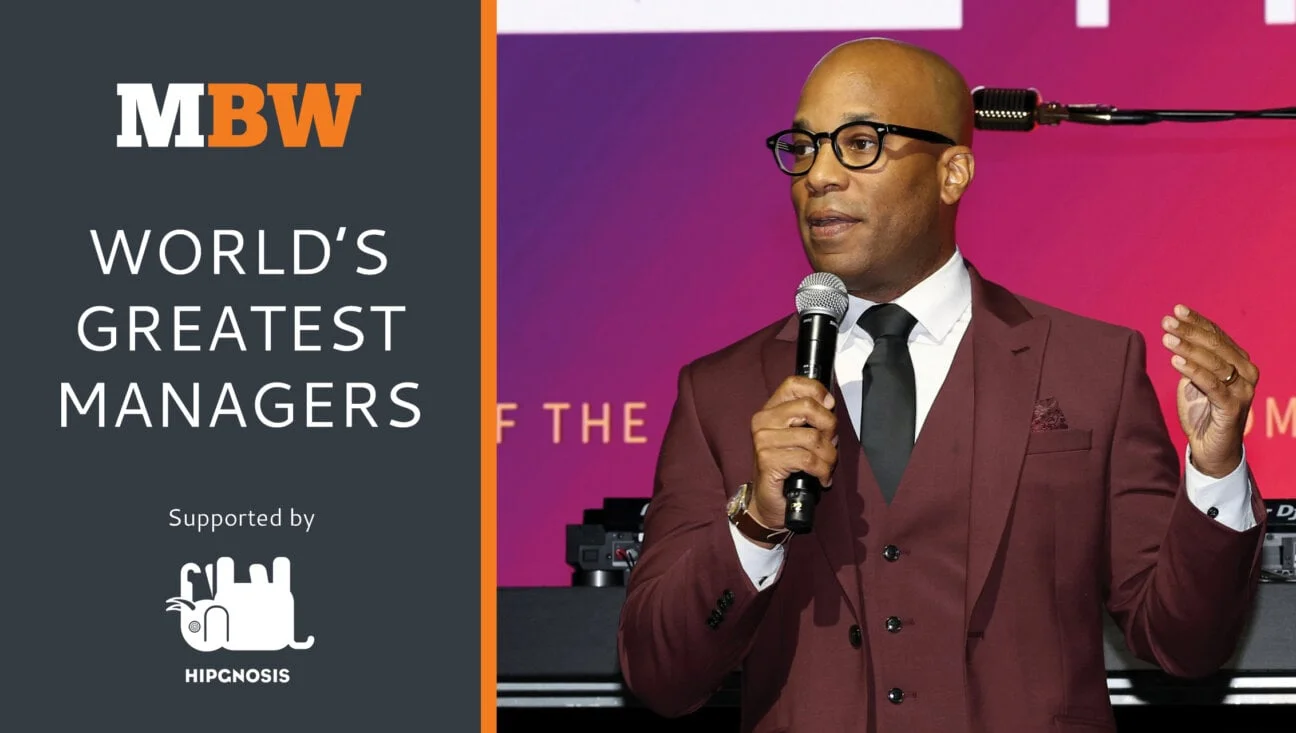
Jonathan Azu, founder of Culture Collective and manager for Grammy-winning artists Leon Thomas and Jon Batiste, redefines the modern artist manager as an intimate partner, not just a facilitator, highlighting a shift in the music industry.