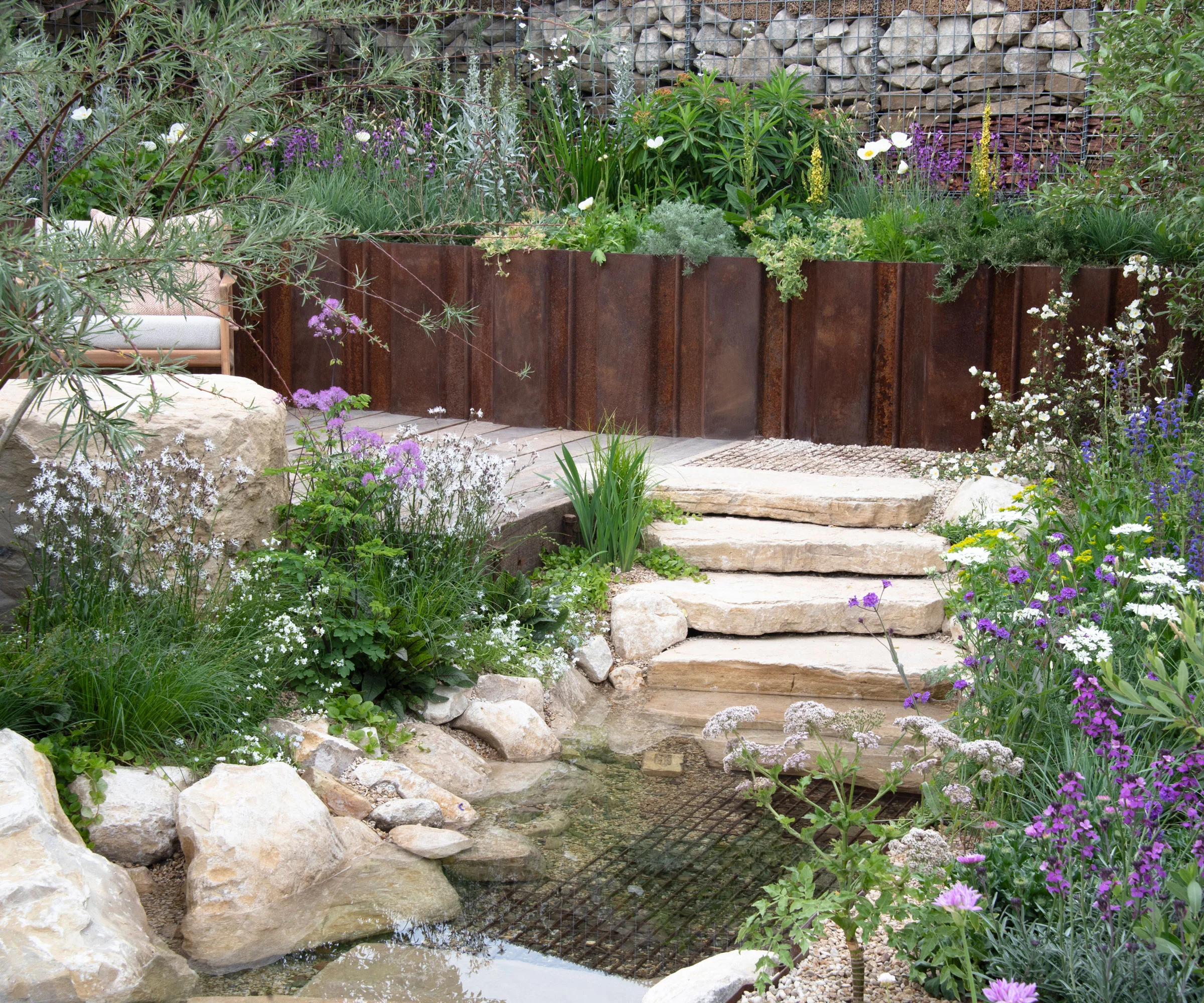
The allure of a picture-perfect garden, effortlessly thriving with minimal intervention, has become one of social media’s most captivating narratives. Instagram feeds and TikTok videos are awash with immaculate raised beds, flourishing indoor jungles, and vibrant outdoor spaces, all presented as easily achievable for anyone with a green thumb – or even those without one. However, a growing chorus of disheartened gardeners is revealing a stark contrast between these aesthetically flawless digital displays and the harsh realities of their own backyards. This burgeoning disconnect points to a significant problem: viral gardening trends, while captivating online, are consistently failing to deliver on their lofty promises in actual growing conditions, leaving many new and experienced horticulturists frustrated and disillusioned, as reported by The Economic Times.
The Rise of Aesthetic-Focused Horticulture on Social Media
The transformation of gardening into a visually driven online phenomenon has been rapid. Platforms like Instagram and Pinterest, with their emphasis on curated imagery, have inadvertently fostered an environment where appearance trumps practicality. Gardens are now often designed first and foremost to be photographed, rather than to thrive sustainably. This aesthetic prioritization has led to a proliferation of trends focusing on perfect rows, symmetrical layouts, and specific plant varieties chosen for their photogenic qualities. However, this focus often overlooks crucial underlying principles of successful horticulture. According to the National Gardening Association, sustainable gardening necessitates attention to specific biological needs that many appearance-based trends simply do not address. When these fundamental requirements are neglected, even an initially beautiful garden inevitably struggles, looking great in a snapshot but failing to flourish long-term, as detailed in The Economic Times. The problem extends beyond mere aesthetics, encroaching upon the very definition of what constitutes a "successful" garden, shifting it from a resilient ecosystem to a temporary display.
Key Obstacles to Online Gardening Success
The primary reason for the failure of these viral gardening trends lies in their systemic disregard for local environmental factors. Unlike the generalized advice found online, successful gardening is deeply intertwined with specific regional conditions. As highlighted by the University of California, understanding the local environment, including soil composition, climate, and microclimates, is paramount for plant growth and survival. A gardening method that works flawlessly in one part of the world, or even one part of the United States, which boasts immense geographical and climatic diversity, may be entirely unsuited for another. Online tutorials rarely delve into these critical local nuances, presenting blanket solutions that are bound to disappoint when applied in different contexts. This results in significant investment – of time, money, and emotional energy – into methods that are predestined to fail. The frustration compounds when gardeners only realize this fundamental incompatibility after their plants begin to wither, leading to a sense of wasted effort and dashed hopes, a phenomenon explicitly discussed in The Economic Times. Concurrently, the promise of “low-maintenance” or “set it and forget it” gardening solutions, heavily promoted online to appeal to busy individuals, is another significant area of contention. Gardening experts and the United States Department of Agriculture unequivocally state that all plants, even resilient ones, require regular attention, including watering, pruning, and pest management. Furthermore, unforeseen changes in weather or soil conditions can rapidly compromise a plant's health, irrespective of its inherent hardiness. This stark reality contrasts sharply with the minimized effort often depicted online, creating unrealistic expectations and leading to disillusionment for new gardeners whose plants inevitably demand more consistent care than advertised.
Analysis: The Illusion of Effortless Perfection and Its Broader Implications
The phenomenon of viral gardening trends failing in real-world application speaks to a broader cultural issue: the pervasive influence of curated, often misleading, online content across various domains. Just as Yahoo reports on Kris Jenner's image being co-opted in China as a "patron saint of material success" and a meme for "manifesting success," even if with a "tongue-in-cheek" element, the gardening world experiences its own form of manifest perfection. Both scenarios illustrate how online narratives can distill complex realities—Kris Jenner's business acumen or sustainable plant growth—into simplified, aspirational, and often unattainable ideals. The emotional impact on individuals, particularly new gardeners, is significant. When their efforts, guided by viral trends, don't yield the promised results, it's easy for them to internalize this as a personal failing rather than a flaw in the advice itself. This can deter nascent interest in horticulture entirely, robbing individuals of the genuine joy and satisfaction that comes from understanding and nurturing living things. The trend towards visually perfect but ecologically unsound gardening practices also has wider environmental implications. By promoting plants unsuitable for local climates or requiring excessive resources to maintain an aesthetic, these trends inadvertently contribute to inefficient water use, increased reliance on chemical interventions, and a disconnect from biodiversity. The emphasis shifts from fostering resilient ecological spaces to creating transient, high-maintenance decor, a concerning development for long-term sustainability efforts.
The Expert Consensus: Patience, Specificity, and Local Knowledge
Horticultural experts from land-grant colleges and universities across the US consistently advocate for an approach grounded in patience, experimentation, and, crucially, region-specific information. They emphasize that gardening is a continuous process of learning and adaptation, not an instant solution. Reliance on generic online advice, devoid of context regarding climate, soil type, and indigenous plant species, is a recipe for disappointment. These experts underscore the importance of scientific research and local ecological understanding over fleeting aesthetic trends. Their recommendations are based on decades of practical knowledge and scientific study, offering a stark contrast to the often superficial guidance found on social media. For experienced gardeners, the failure of a particular trend merely becomes another lesson, reinforcing the wisdom of observation and resilience. They often view social media trends as inspiration rather than prescriptive rules, understanding that true success stems from a personalized, adaptive approach that honors the unique conditions of their own gardens. This seasoned perspective is invaluable in guiding new enthusiasts away from the pitfalls of viral content and towards a more fulfilling and sustainable gardening journey. As the article in The Economic Times points out, this "more realistic way forward" involves balancing creativity with a firm grasp of what plants actually need, moving past the illusion of perfection towards genuine thriving.
Looking Ahead: Towards a More Sustainable and Informed Gardening Culture
The increasing awareness of these "failed trends" signals a positive shift in the gardening community. There is a growing demand for authenticity and sustainability, moving away from purely aesthetic goals. While the desire for beautiful outdoor and indoor spaces remains undiminished, the means to achieve them are evolving. The future of gardening advice will likely see a greater emphasis on ecological principles, native planting, and practical, region-specific guidance. This transition encourages gardeners to engage more deeply with their environment, fostering a sense of stewardship rather than just consumption. As social media continues to shape cultural narratives, the challenge will be for platforms and content creators to promote sustainable, realistic gardening practices that genuinely empower rather than disappoint. The goal is to cultivate not just plants, but also knowledge, patience, and a lasting connection to the natural world.

Editorial Team
The Vyraa Newsroom is the staff byline of Vyraa, an independent local news outlet covering Bremerton, Kitsap County, and Washington State, published by Nyza Creations LLC. Stories under this byline are researched and written by the Vyraa editorial team from local and regional out…