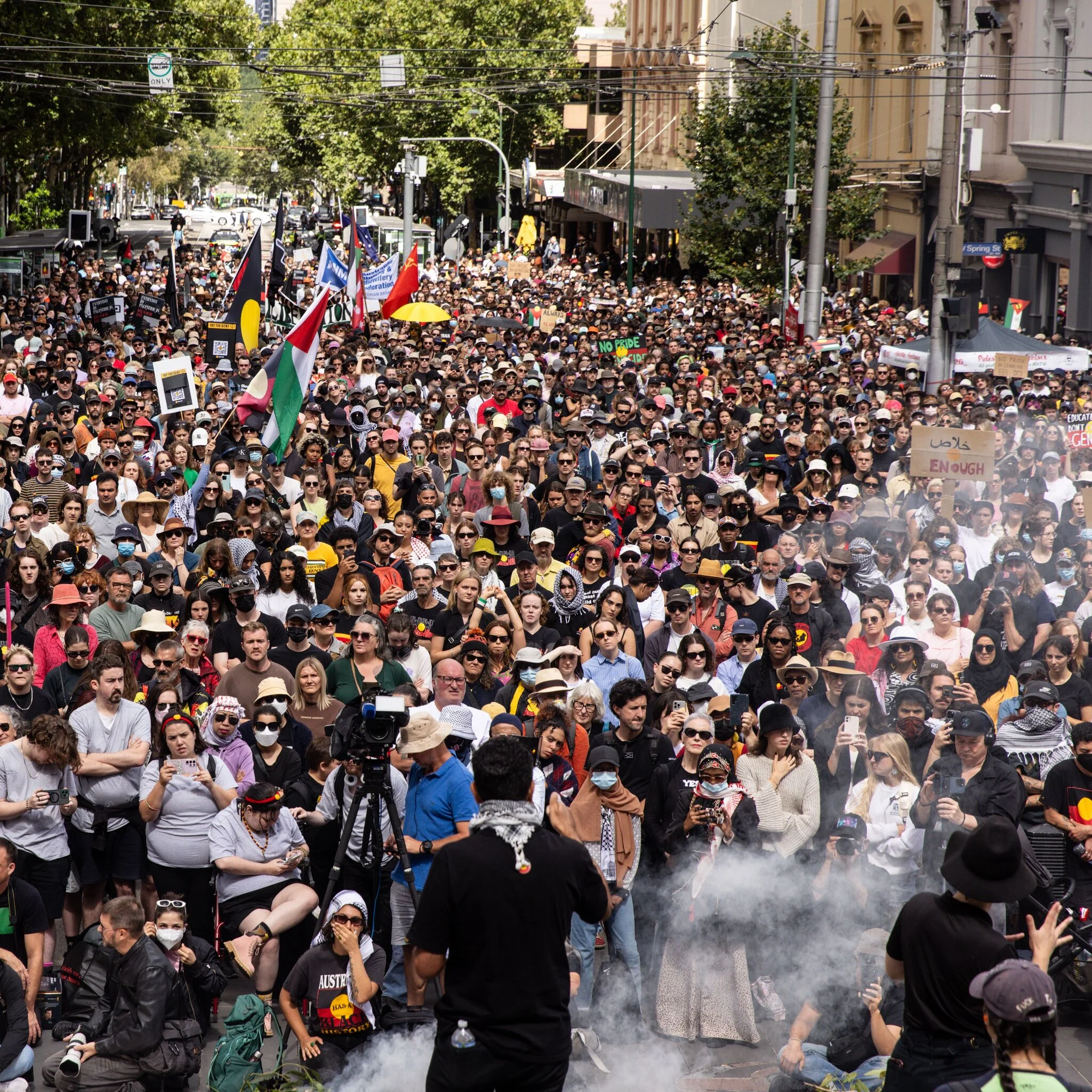
Australia faces significant domestic challenges, including political shifts, social protests, and economic concerns, while global events like the Ukraine war and the Winter Olympics unfold.
Australia is navigating a complex landscape of political shifts, social unrest, and economic pressures, all against a backdrop of significant global developments. Domestically, the Liberal party is undergoing internal changes following high-profile resignations and leadership discussions, while the government contends with mounting economic concerns like rising power bills exacerbated by extreme weather. Socially, the nation has seen contentious protests, particularly concerning international relations, leading to widespread debate about police conduct and freedom of expression. Concurrently, new urban mobility solutions are gaining traction, yet environmental challenges and unique infrastructure demands are also coming into sharp focus. These internal dynamics are unfolding as the world watches a major conflict in Ukraine and celebrates athletic achievements at the Winter Olympic Games.
The Australian political scene is currently experiencing a period of significant flux, particularly within the Liberal party. The Guardian Australia reports on high-profile Liberal figures quitting the party, with one notable individual stating there are "other ways I can support women," hinting at underlying tensions and potential dissatisfaction with the party's direction. This comes amidst discussions around Liberal deputy leader Jane Hume, whose recent elevation raises questions about her potential impact on the party's future. The opposition has already signaled its intent to resist any increase in Capital Gains Tax (CGT), indicating a clear line in the sand for future economic debates. The internal machinations extend to figures like Angus Taylor, whose "log cabin story of post-war pioneers" is attracting scrutiny, particularly in contrast to current immigration policy discussions. These developments suggest a period of introspection and potential redefinition for the Liberal party as it seeks to regain public trust and influence. Beyond federal politics, New South Wales has announced an additional public holiday for Anzac Day until at least 2027, acknowledging the holiday's placement on weekends in the coming years and reflecting a government responsive to public sentiment regarding cherished national observances.
Recent events in Sydney have brought into sharp focus the intersection of international relations, domestic protest, and police conduct. The visit of Israeli President Isaac Herzog to Australia sparked significant demonstrations, leading to arrests and injuries. Guardian Australia footage shows instances of NSW police punching individuals multiple times during an anti-Herzog protest and disturbing scenes of police disrupting praying Muslims. Authorities reported 27 arrests, with a number of protesters requiring treatment after being pepper-sprayed, and 10 officers reportedly assaulted, though none seriously. Prime Minister Albanese publicly defended the invitation to Herzog, urging a de-escalation of tensions. These incidents have ignited a fervent debate about police heavy-handedness and the right to peaceful protest, particularly when demonstrations intersect with highly sensitive international conflicts. While the Jewish community in Australia experienced a mix of solidarity and "serious angst" during Herzog’s visit, according to the Guardian, the broader community is grappling with the implications of such forceful police interventions. Opinion pieces in the Guardian, like "Closed-door apologies are not enough for a community confronted by images of worshippers being seized by NSW police," underscore the public demand for accountability and transparency when it comes to the exercise of state power during protests, highlighting a growing tension between national security concerns and civil liberties.
Australia is currently facing significant economic pressures that are directly impacting its citizens, alongside an evolving landscape of urban mobility. A primary concern for many is the escalating cost of living, particularly amplified by rising power bills. Reports from Guardian Australia highlight the dire situation in central Australia, where "extreme heat is driving up power bills," forcing residents to confront difficult choices, asking: "What’s more important, the electricity or food?" This statement starkly illustrates the struggle many households are enduring, underscoring the immediate economic consequences of climate change and the need for sustainable energy solutions. Concurrently, Australian cities are witnessing a boom in rental ebike programs. These initiatives are gaining significant traction as a viable and popular alternative for urban transport, contrasting sharply with the stalled uptake of e-scooters which have faced a "moral panic" and regulatory hurdles. The success of ebikes suggests a public appetite for eco-friendly and convenient transport options, provided they are introduced with clear guidelines and address public safety concerns more effectively than e-scooters. These dual trends – rising power costs and the embrace of electric mobility – underscore a broader societal movement towards addressing environmental challenges, though the immediate economic burden on consumers remains a critical concern for policymakers.
Australia's current confluence of domestic political turbulence, societal unrest, and mounting economic pressures, set against a backdrop of complex international events, paints a picture of a nation at a critical juncture. The ongoing internal struggles within the Liberal party, coupled with public outcry over police conduct during protests, signal a broader demand for political accountability and a re-evaluation of how dissent is managed in a democratic society. The economic strain, particularly the impact of extreme weather on household budgets, highlights the urgent need for robust climate policies and energy infrastructure reform that can offer both relief and sustainability. This is not merely about individual policy decisions; it speaks to the foundational relationship between the government and its citizens. The rising popularity of e-bike programs, despite the "moral panic" surrounding e-scooters, demonstrates a public willingness to adopt innovative solutions when they align with practical needs and perceived benefits, pointing to a potential disconnect between public appetite for progress and regulatory responsiveness. The country's attention is also drawn to global events like the Winter Olympics and the Ukraine war, which, while geographically distant, influence Australia's international standing and strategic discussions.
The Australian political and social discourse is thus increasingly shaped by both hyper-local issues, such as the future of Olympic rowing on the Fitzroy River – a decision that has garnered significant attention, described as "a big call for the IOC" amidst concerns over crocodile-infested waters – and global phenomena. This constant interplay necessitates a nuanced approach from leadership, requiring not only astute domestic governance but also careful diplomacy. The way Australia navigates these multifaceted challenges will undoubtedly define its trajectory in the coming years. It will test the resilience of its democratic institutions, the effectiveness of its economic policies, and its commitment to social justice and environmental stewardship, all while striving to maintain its position on the global stage. Furthermore, the ability to balance economic recovery with environmental protection, fostering both growth and equity, will be paramount for long-term stability and prosperity.
While domestic issues command significant attention, Australia remains attuned to major global developments, which indirectly shape its political and social consciousness. The Winter Olympic Games in Milano Cortina 2026, already at its halfway point, provides a compelling example of international unity and athletic achievement. According to Milano Cortina 2026, the Games have been marked by record-breaking performances, with six Olympic and one world record already shattered. The event has seen extraordinary engagement, with 1.27 million tickets sold and over 500,000 spectators attending competitions. Broadcast and digital partners like NBC, Peacock, and Warner Bros. Discovery are reporting record-breaking audiences and streamed minutes, demonstrating an unprecedented global engagement with winter sports. Even Australia's own athletes participated in this global spectacle, showcasing national pride. Separately, the ongoing conflict in Ukraine continues to be a source of international concern and a regular feature in global news cycles. Ukrainian President Volodymyr Zelensky, speaking at the Munich Security Conference, voiced his country’s need for long-term security guarantees, stating that the US "too often" asks Ukraine for concessions rather than Russia. He expressed feeling "a little bit" of pressure from Donald Trump regarding peace talks and confirmed discussions around 15-year security guarantees, though Ukraine seeks two decades or more. The Independent highlights Britain’s accusation that Russia killed opposition leader Alexei Navalny using a dart frog toxin, an event that further strains relations between Western nations and Russia. These international events, while geographically distant, feed into Australia's broader understanding of global politics, humanitarian crises, and the importance of international alliances, subtly influencing its foreign policy discussions and domestic sentiment.
As Australia moves forward, several critical areas will demand close attention from policymakers and the public alike. The political landscape, especially within the Liberal party, is ripe for further evolution, with internal leadership battles and policy recalibrations likely to continue. The government's ability to address the escalating cost of living, particularly power bills, will be a defining factor in public trust and economic stability. Furthermore, how authorities balance the right to protest with public order will remain under constant scrutiny, especially in the context of increasingly polarized international issues. The growing trend towards sustainable urban transport like ebikes presents an opportunity for further innovation and investment, potentially positioning Australia as a leader in smart city solutions. Environmentally, the ongoing battle against extreme heat and its consequences, coupled with the unique challenge of managing iconic natural assets like the Fitzroy River under the spotlight of global events like the Olympics, underscores the urgent need for comprehensive environmental strategies. Internationally, Australia will continue to monitor the conflict in Ukraine and its broader geopolitical ramifications, influencing its diplomatic stance and defense strategies. The upcoming period will be characterized by a test of resilience, adaptability, and political will to navigate these complex domestic and global tides effectively.
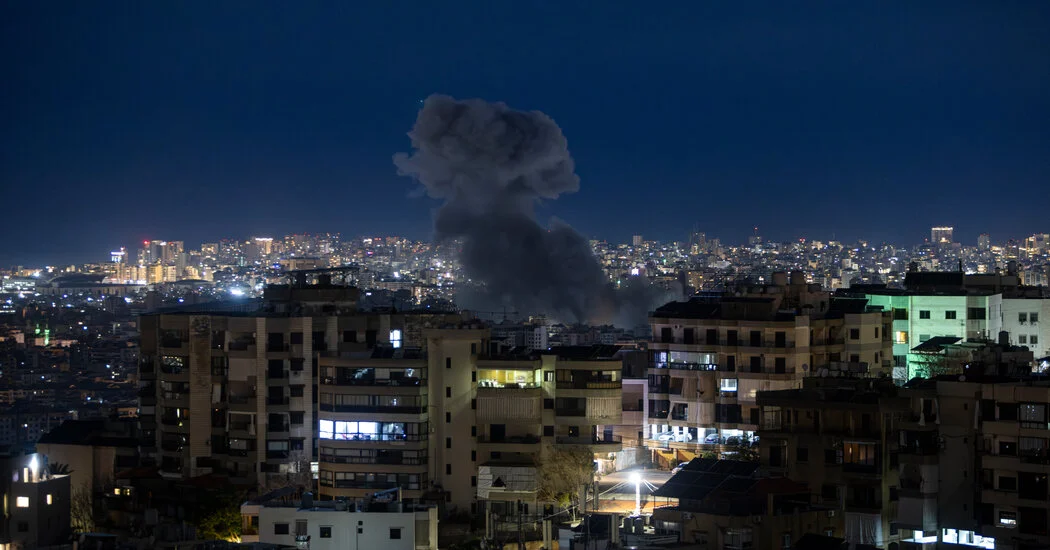
Iran dismisses US peace conditions for war termination, demanding reparations and recognition of Strait of Hormuz control, as Israel intensifies strikes against Iranian military capabilities.
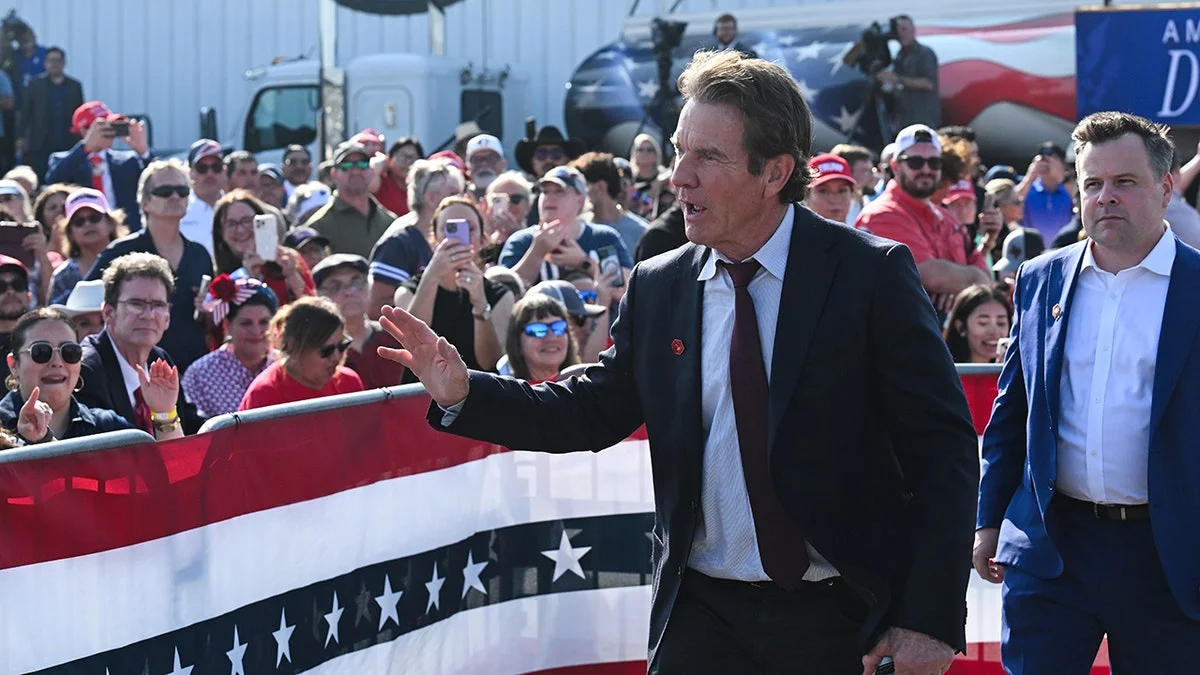
Dennis Quaid criticizes Hollywood's perceived double standard regarding support for Donald Trump, discussing his new film "War Machine" and recent interactions with the former president.
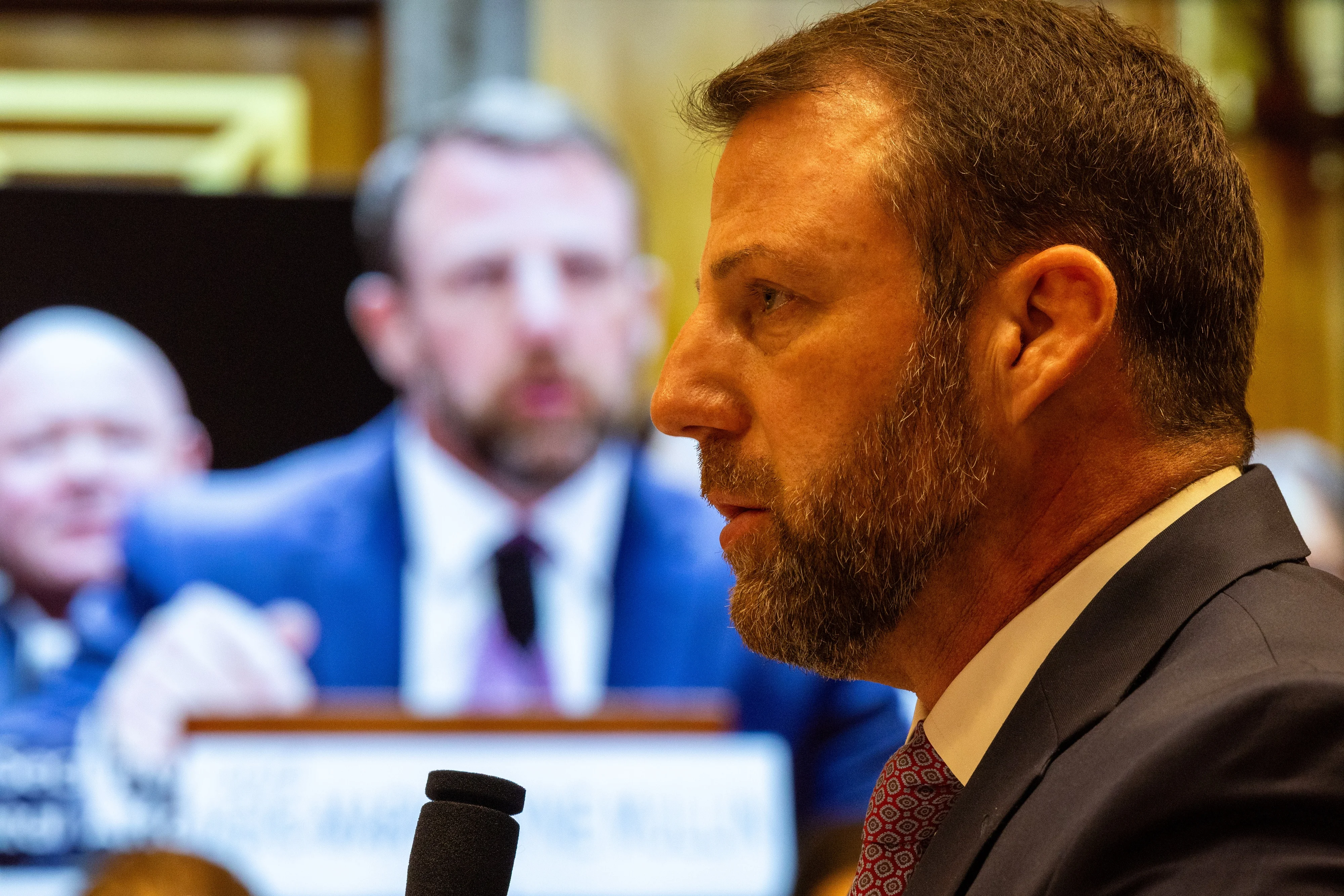
The U.S. Congress faces a looming Homeland Security shutdown and a contentious battle over Trump's DHS pick, Markwayne Mullin, while navigating rising tensions in the Middle East.