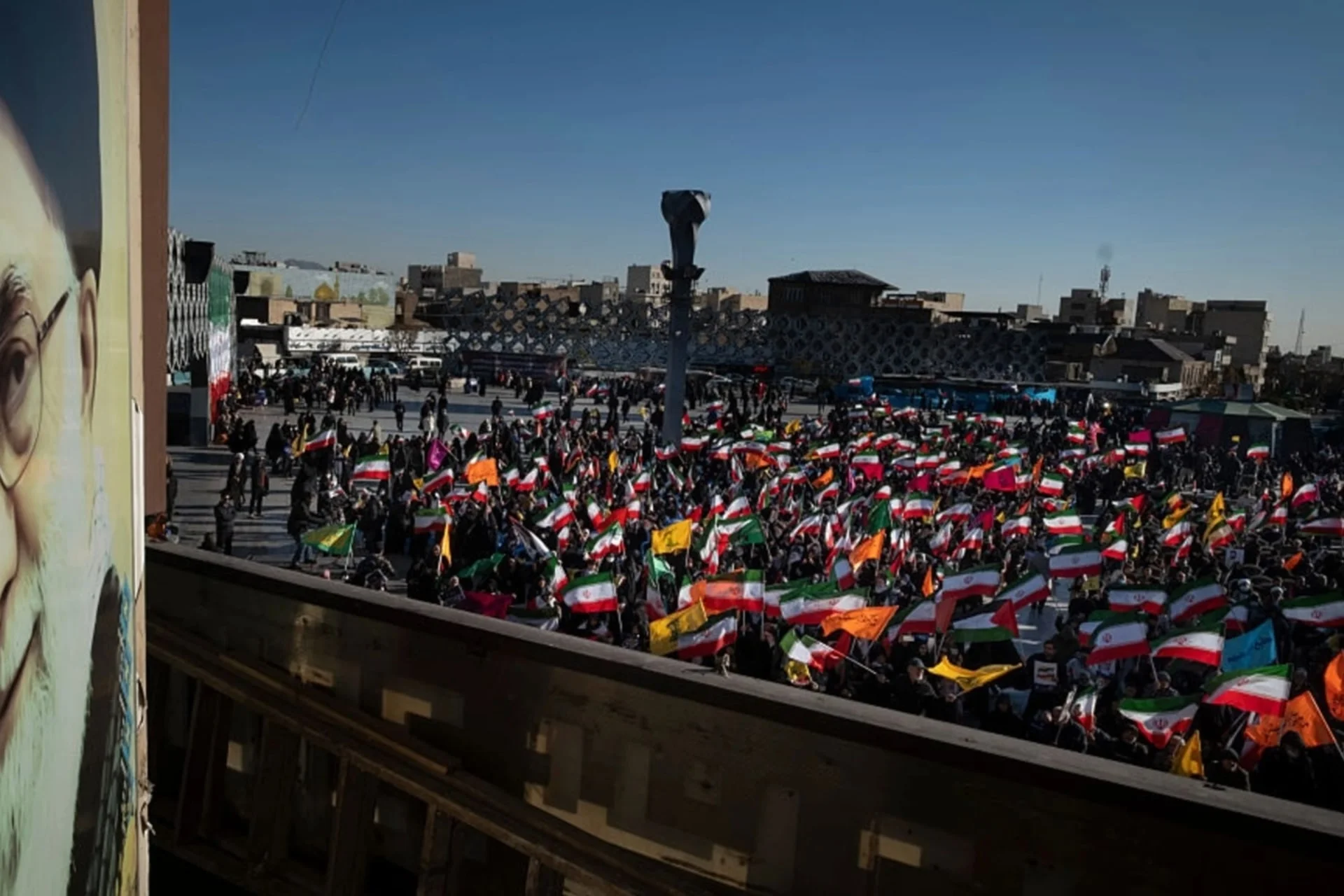
Thousands worldwide, including Munich, London, and Tokyo, rallied for Iran regime change, urged by opposition figures and backed by US statements, as nuclear talks loom amid military posturing.
Thousands of protesters took to the streets in major cities across the globe this past Saturday, demanding a fundamental shift in leadership for Iran. These widespread demonstrations, which saw significant turnout in European capitals and beyond, coincided with heightened geopolitical tensions and direct appeals from exiled opposition figures for greater international pressure on Tehran. The massive turnout in Munich, in particular, on the sidelines of the annual Security Conference, underscores a growing, organized push for regime change, a sentiment echoed by American leadership and now reverberating through international diplomacy as crucial nuclear talks approach.
The calls for regime change in Iran are not new, but they have gained significant traction and international visibility following a period of intense domestic unrest within Iran itself. Earlier this month, deadly protests gripped the nation, sparking international condemnation and galvanizing opposition movements operating from exile. A key figure in this renewed push is Reza Pahlavi, the son of Iran’s last Shah, who was deposed in the 1979 revolution. Pahlavi has actively campaigned for international support, urging protesters to take to the streets and directly addressing international policymakers. His presence and speeches at platforms like the Munich Security Conference serve to amplify these calls, placing the issue squarely on the international agenda. This current wave of activism builds upon decades of expatriate opposition, but the scale and coordination of these recent demonstrations mark a notable escalation, coming at a time when Iran's nuclear program and regional influence remain central concerns for Western powers and their allies.
The recent wave of global demonstrations for regime change in Iran reached a critical mass this past Saturday, with thousands converging in multiple international hubs. The focal point of these rallies was Munich, Germany, where an estimated 200,000 people gathered as the city simultaneously hosted its influential Security Conference, according to Tamara Djukaric, a spokeswoman for the city’s police. This massive demonstration was addressed by Reza Pahlavi, the son of Iran’s deposed shah and a leading opposition figure in exile, who used the platform to renew his appeal for American intervention in Iran. He was joined by prominent American political figures, including Senator Lindsey Graham, Republican of South Carolina, signaling a bipartisan interest in the Iranian opposition’s cause, as reported by The New York Times. These significant protests followed a stark declaration from President Trump the day prior, who stated that a change in government would be the "best outcome for a country reeling from deadly unrest," directly aligning U.S. policy rhetoric with the aspirations of the protesters.
Beyond Munich, the movement demonstrated its global reach with large turnouts in diverse cities across continents. Demonstrations were reported in Melbourne, Australia; Athens, Greece; Tokyo, Japan; and London, United Kingdom. These coordinated efforts on February 14th came after Pahlavi had specifically encouraged protesters to mark the date to exert collective pressure on the Iranian government. The timing of these rallies is particularly critical, as they occur just days before the scheduled resumption of nuclear talks between the United States and Iran. Slated to recommence on Tuesday in Geneva, these negotiations are shadowed by heightened tensions, including President Trump’s decision to order warships to the Persian Gulf. This military deployment serves as a clear signal of readiness for potential military action should the diplomatic efforts fail, as disclosed by two anonymous American officials discussing sensitive diplomacy with The New York Times. The confluence of massive public demonstrations, explicit calls for regime change from opposition leaders and U.S. officials, and direct military posturing creates a highly volatile and unpredictable environment for the upcoming diplomatic engagements.
The synchronized global rallies for Iranian regime change, particularly in the context of the Munich Security Conference and looming nuclear talks, signify a critical juncture in international relations concerning Iran. The explicit backing from prominent U.S. political figures, including a sitting President, lends a degree of legitimacy and potential leverage to an exiled opposition movement that has, at times, struggled for cohesive international recognition. This open encouragement for regime change fundamentally alters the diplomatic landscape, moving beyond mere criticism of Iranian policies to an overt challenge of its governance structure. It raises profound questions about the future of diplomacy with Tehran, as it becomes increasingly difficult to separate nuclear negotiations from broader political demands. The Iranian regime, which views external interference as a critical threat to its sovereignty, is likely to interpret these developments as a direct provocation, potentially leading to a hardening of its stance both domestically and internationally.
Furthermore, these events unfold against a backdrop of increasing global fragmentation and a shift towards multipolarity, as discussed at the ET Now Global Business Summit 2026. Experts like Fabian Zuleeg of the European Policy Centre warn that a world without established rules is "very dangerous" and threatens security, prosperity, and democracy. Ajay Chhibber, an economist and former UN assistant secretary general, highlights how the breakdown of the post-war "Pax Americana" is not solely due to U.S. actions but also "rule-gaming" by other players, notably China, as reported by The Economic Times. In this fragmented global order, the coordinated rallies for Iran regime change, potentially supported by a major global power, could be seen as an attempt to reassert influence or define new geopolitical norms. However, without a consensus on these new "rules," such interventions risk further destabilizing an already fragile international system, potentially leading to unpredictable escalations, especially when coupled with military posturing in the Persian Gulf. The implications extend beyond Iran to regional allies and adversaries, suggesting a period of significant strategic realignment and potential increased volatility in the Middle East.
The specific timing and location of the Munich protest, coinciding with the Munich Security Conference, were strategically chosen to maximize visibility and influence among global policymakers. The conference is a premier forum for international security policy, bringing together heads of state, defense ministers, and intelligence chiefs from around the world. Reza Pahlavi's direct address from this platform, urging American intervention, is a clear attempt to capitalize on the presence of key decision-makers and to frame the internal Iranian struggle as an international security issue. The involvement of Senator Lindsey Graham further cements this link, indicating that the call for regime change is not merely an expatriate plea but has gained traction within influential U.S. political circles, potentially shaping future foreign policy decisions. This is particularly significant given the Trump administration's hawkish stance on Iran.
The scale of the Munich protest, with 200,000 attendees, is remarkable, demonstrating significant organizational capacity and a widespread desire among the Iranian diaspora and their sympathizers for fundamental change. This level of mobilization, replicated across multiple cities globally, suggests a coordinated effort rather than spontaneous outbursts, indicating a growing sophistication and reach of the opposition movement. The contrast between these public demands for regime change and the imminent resumption of nuclear talks could not be starker. While one track focuses on diplomatic engagement to curb Iran's nuclear ambitions, the other explicitly seeks to dismantle the very government conducting those negotiations. This dual approach, combining diplomatic pressure with overt calls for regime change and military threats, creates a complex and challenging environment for any meaningful resolution on the nuclear issue, as the legitimacy of the negotiating partner is simultaneously undermined on the global stage. This situation mirrors the broader global instability noted by Vince Cable at the ET Now Global Business Summit, where a decline in the "north's" share of the world economy contributes to populist movements and a lack of collective responsibility for global public goods like international agreements, as reported by The Economic Times.
The convergence of global protests, U.S. political backing for regime change, and direct military posturing makes the upcoming nuclear talks in Geneva critically important and highly precarious. The outcome of these negotiations will indicate whether diplomatic channels can still prevail amidst such profound external pressures, or if the path towards confrontation is becoming more defined. Should the talks collapse, as implicitly warned by President Trump's deployment of warships, the potential for escalation in the Persian Gulf and broader regional instability dramatically increases. The sustained activities of the Iranian opposition, emboldened by their recent successes in mobilizing global opinion, will likely continue to lobby international powers for more assertive action. The coming weeks will be crucial in determining whether the international community can navigate the complex interplay of diplomatic engagement, calls for political transition, and the ever-present threat of military conflict in the highly volatile Middle East.
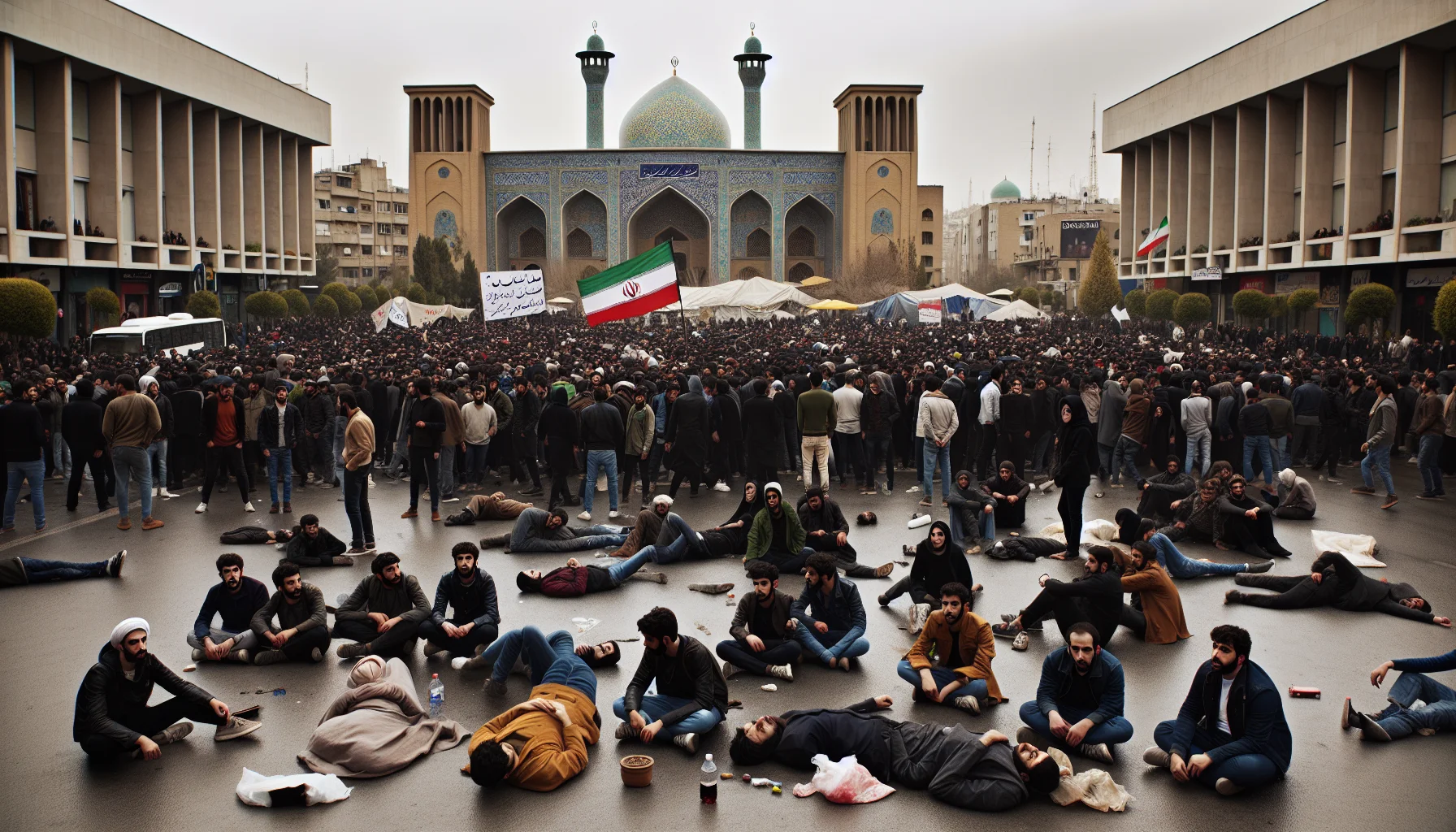
The Iranian government's brutal suppression of nationwide protests has killed at least 16,500 people, with experts warning the regime may be nearing collapse after the largest uprising since 1979.
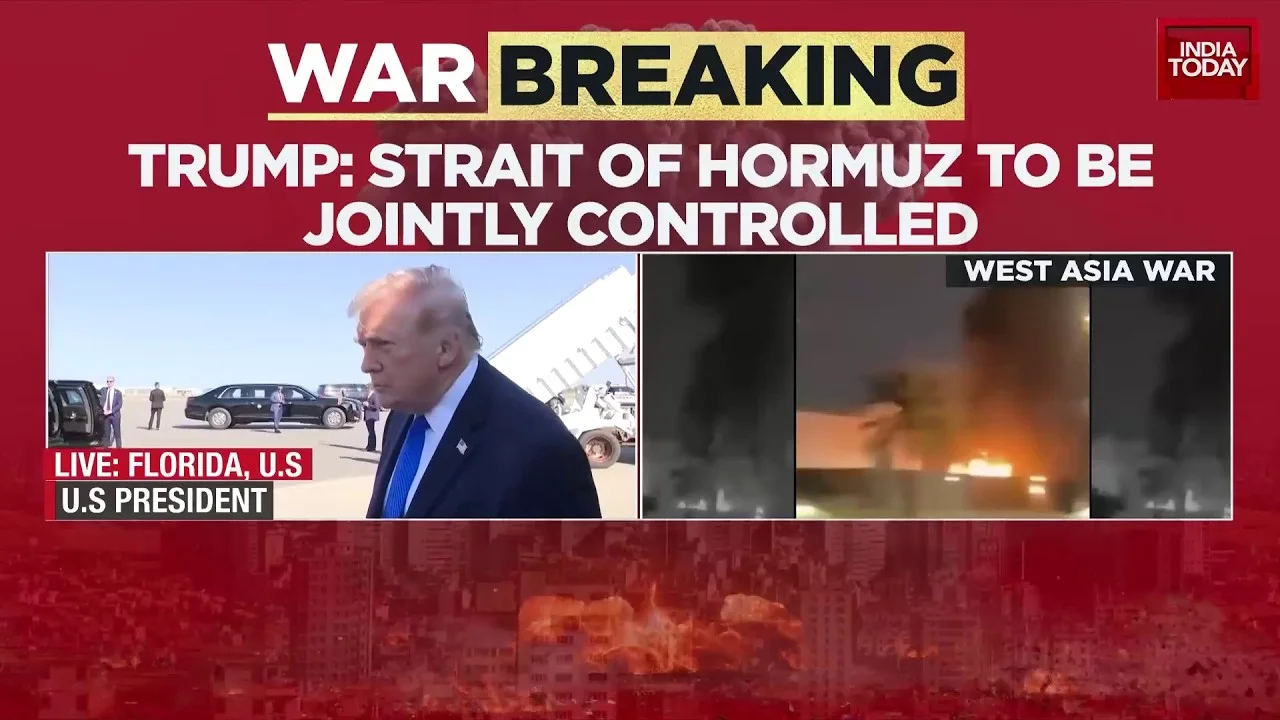
Former US President Donald Trump voices optimism for a new Iran deal, citing "very good negotiations" and Iran's unprecedented allowance of 20 oil tankers through the Strait of Hormuz.

Iran-linked Handala Hack Team claims breach of FBI Director Kash Patel's personal Gmail, publishing photos and emails, raising concerns over U.S. official vulnerability.