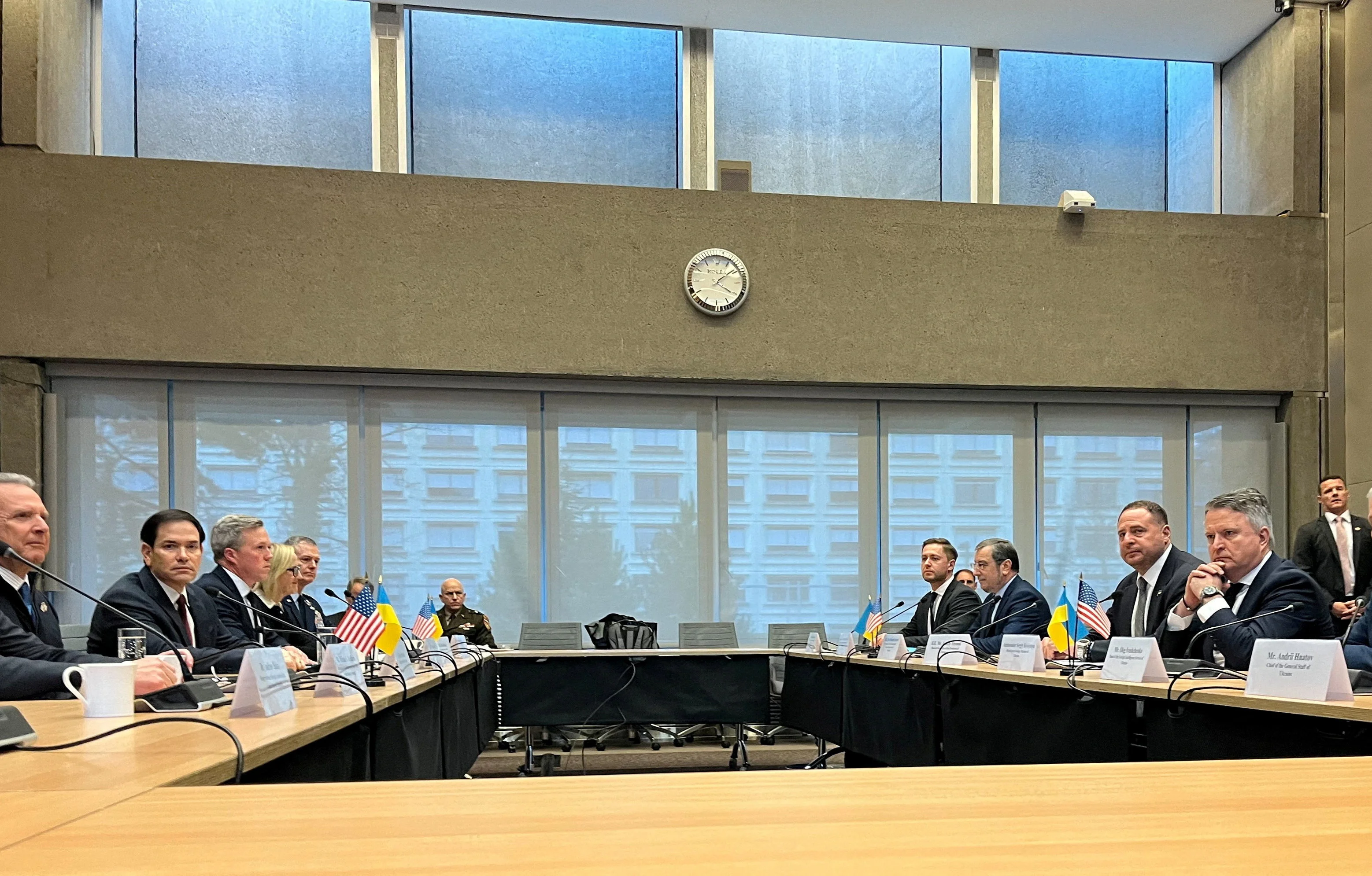
As US-brokered peace talks loom, Ukraine and Russia escalate deadly strikes on energy infrastructure while Western accusations of Kremlin involvement in Alexei Navalny's death complicate the diplomatic landscape.
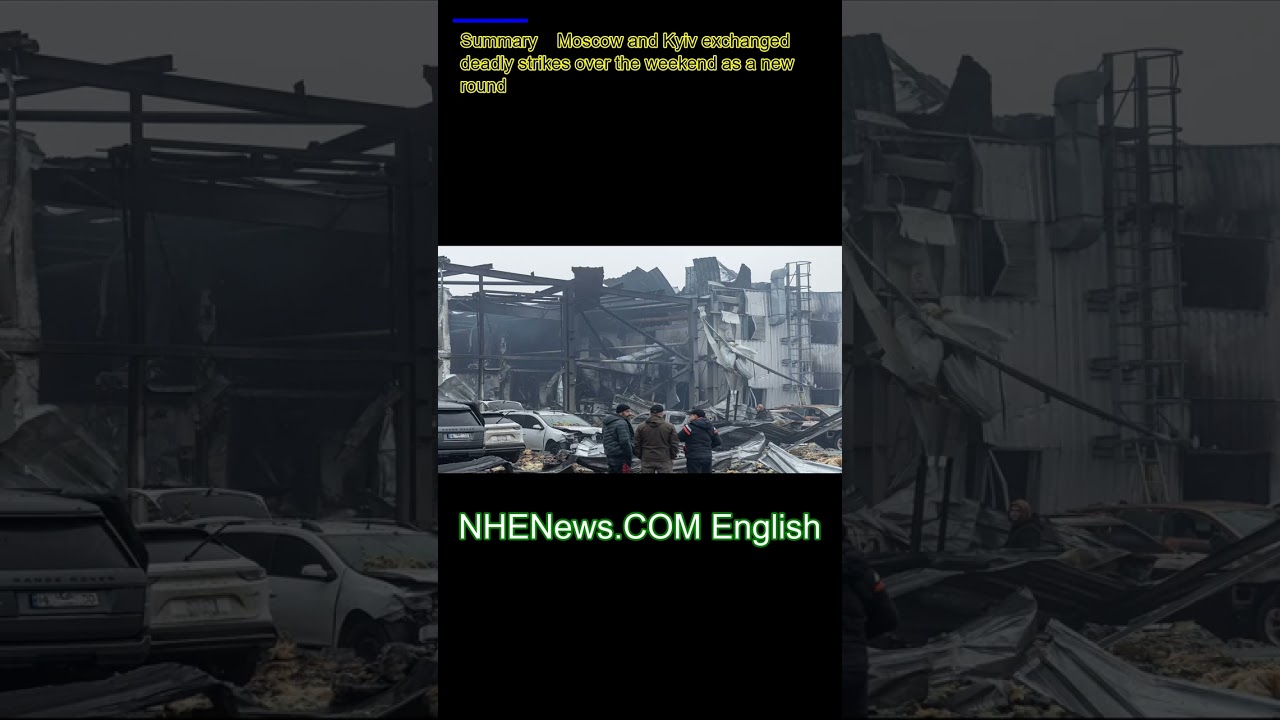
Ukraine-Russia war latestand Moscow and Kyiv trade deadly strikes ahead of US
As the fourth anniversary of Russia's full-scale invasion approaches, a renewed intensity in the conflict between Ukraine and Russia is casting a long shadow over upcoming US-brokered peace talks in Geneva. Both nations have escalated deadly strikes on each other's energy infrastructure over the weekend, a move following the expiration of a previously observed moratorium on such attacks. This strategic — and often brutal — targeting of critical resources signals a hardened stance from both sides, even as diplomatic efforts strive for de-escalation. Compounding the already tense atmosphere are fresh, serious accusations from Western allies, led by the UK, that the Kremlin was directly responsible for the death of opposition leader Alexei Navalny, an assertion vehemently denied by Moscow but threatening to trigger new sanctions and further sour international relations.
The recent resumption of attacks on energy infrastructure represents a significant and worrying shift in the conflict. While not entirely unprecedented in modern warfare, the deliberate targeting of civilian-critical infrastructure has been a recurring tactic in the Ukraine war, particularly by Russia, frequently described by Kyiv officials as an attempt to "weaponise winter." The rationale behind this strategy remains chillingly consistent: disrupt daily life, sap morale, and exert asymmetric pressure. Ukraine's long-range drone strikes on Russian energy sites, detailed by The Independent, aim to cripple Moscow's oil export revenues, a vital source of funding for its ongoing invasion. Conversely, Russia seeks to disable Ukraine��s power grid, denying civilians access to essential services like heat, light, and running water. This cycle of retaliatory strikes showcases a grim evolution in warfare, where the frontline extends well beyond traditional battlegrounds to the homes and daily lives of ordinary citizens, constantly reminding them of the war's pervasive reach.
The weekend saw direct casualties from these renewed strikes. Ukrainian officials reported one fatality in Odesa, an elderly woman killed when a Russian drone struck a residential building. In Russia, a civilian died in the border region of Bryansk due to a Ukrainian drone strike on a car, according to regional governor Alexander Bogomaz. Further demonstrating the breadth of these attacks, a Ukrainian drone strike ignited significant fires at the Taman port in Russia's Krasnodar region, injuring two people and damaging oil storage facilities, a warehouse, and terminals. Simultaneously, Russian drone debris in Ukraine's Odesa region caused widespread damage to civilian and transport infrastructure, leading to disruptions in power and water supplies. These incidents underscore the immediate human cost and destabilizing effect of the renewed focus on critical infrastructure. These deadly exchanges come just days before a new round of US-brokered talks scheduled for Tuesday and Wednesday in Geneva, aimed at finding a pathway to peace. However, the diplomatic efforts face significant headwinds, not least from a burgeoning international controversy surrounding the death of Russian opposition leader Alexei Navalny.
UK Foreign Secretary Yvette Cooper has publicly accused the Kremlin of orchestrating a "barbaric plot" to poison Navalny, suggesting that new sanctions against Moscow could be forthcoming. This accusation was bolstered by a joint statement from the UK, France, Germany, Sweden, and the Netherlands, which "conclusively" confirmed the presence of epibatidine, a toxin found in poison dart frogs and not indigenous to Russia, in Navalny's system. US Secretary of State Marco Rubio affirmed that Washington had "no reason to question" this assessment, describing it as a "troubling report." Sky News reported Cooper stating, "The statement that we made yesterday shows that we have the evidence," adding, "We continue to look at co-ordinated action, including increasing sanctions on the Russian regime." The Russian embassy in London has vehemently denied any involvement, dismissing the allegations as the "feeble-mindedness of Western fabulists." This deepening diplomatic rift, fueled by the Navalny allegations, is likely to complicate any potential progress at the Geneva talks, making the path to a meaningful resolution even more arduous.
The simultaneous escalation of military strikes and diplomatic tensions creates a complex and volatile environment for the upcoming peace talks. The renewed focus on energy infrastructure represents a war of attrition, not just militarily but psychologically and economically. For Ukraine, defending its energy grid becomes paramount for civilian survival, while its counter-attacks aim to diminish Russia's financial capacity to wage war. For Russia, disrupting Ukrainian power systems is a coercive strategy, designed to break the will of the population and create leverage. This strategy, as some analysts suggest, may be a cynical attempt to strengthen negotiating positions on the battlefield before sitting down at the table. The historical context shows that major diplomatic breakthroughs often follow either decisive military victories or prolonged stalemates that exhaust all parties. The current scenario appears to be a costly stalemate, yet both sides continue to seek a military-edge.
Moreover, the Navalny allegations introduce a potent new variable into the geopolitical equation, particularly concerning the West's posture towards Russia. Even if the Geneva talks manage to convene, the backdrop of accusations of chemical weapon use against an opposition leader will undoubtedly impact the tone and substance of discussions. For Western nations, especially the UK, which has a history of robust stances against perceived Russian aggressions, the pressure to impose further sanctions is immense. This could lead to a hardening of positions, making concessions from either side less likely. Estonian Prime Minister Kaja Kallas, as quoted by Sky News, articulated a critical concern at the Munich Security Conference: "Russia's maximalist demands cannot be met with a minimalist response." This sentiment suggests a reluctance among some European leaders to compromise too readily, fearing that doing so would embolden Russia rather than deter it. The intertwined nature of military action, geopolitical maneuvering, and human rights issues underscores the multifaceted challenge facing international diplomacy in resolving this protracted conflict.
Beyond the immediate military and diplomatic developments, Ukrainian President Volodymyr Zelenskyy's recent activities highlight the ongoing efforts to shore up international support. Returning from a "very intense" Munich Security Conference, Zelenskyy emphasized the critical importance of new support packages, particularly "missiles for air defence, for protection against ballistic missiles." This focus on air defense, he noted, has been "issue number one throughout this entire winter," as reported by Sky News. His acknowledgment of receiving the Ewald von Kleist Award on behalf of Ukrainians underscores the resilient spirit of his nation and its ongoing appeal for global solidarity. Meanwhile, the grim reality of the war continues to manifest in protests in Kyiv, where activists demand the return of Ukrainian soldiers held captive by Russia, a poignant reminder of the thousands of lives irrevocably altered by the conflict.
The geopolitical landscape is further complicated by recent seismic activity, with a magnitude 6 earthquake striking off Russia's Kuril Islands, as reported by The Independent citing the German Research Centre for Geosciences. While unrelated to the conflict, such natural events can sometimes divert resources or attention, albeit temporarily. Domestically for Russia, Mayor Sergei Sobyanin's statement that five drones were downed on approaches to Moscow illustrates the increasing reach and boldness of Ukrainian drone capabilities, bringing the war closer to the Russian capital and potentially impacting public perception within Russia. These seemingly disparate events – a conflict-related earthquake, civilian protests for prisoners of war, and an evolving drone war – collectively paint a picture of a region in constant flux, where the parameters of conflict are ever-expanding and the consequences far-reaching.
As the Geneva peace talks commence, all eyes will be on whether the current escalation of hostilities and the deepening controversy surrounding Alexei Navalny's death will derail any potential for progress. The upcoming fourth anniversary of the full-scale invasion on February 22 serves as a stark reminder of the conflict's endurance and the immense human cost. While Ukraine continues to seek robust international support, particularly in air defense, Russia's actions suggest a strategy of maintaining pressure, both militarily and diplomatically. The threat of new Western sanctions over Navalny's death could further isolate Moscow and complicate any attempts at de-escalation, potentially leading to a more entrenched and protracted conflict. The international community faces the daunting task of navigating this complex web of military aggression, political accusations, and humanitarian concerns, with the hope that diplomacy can somehow prevail against the tide of escalating violence and mistrust.
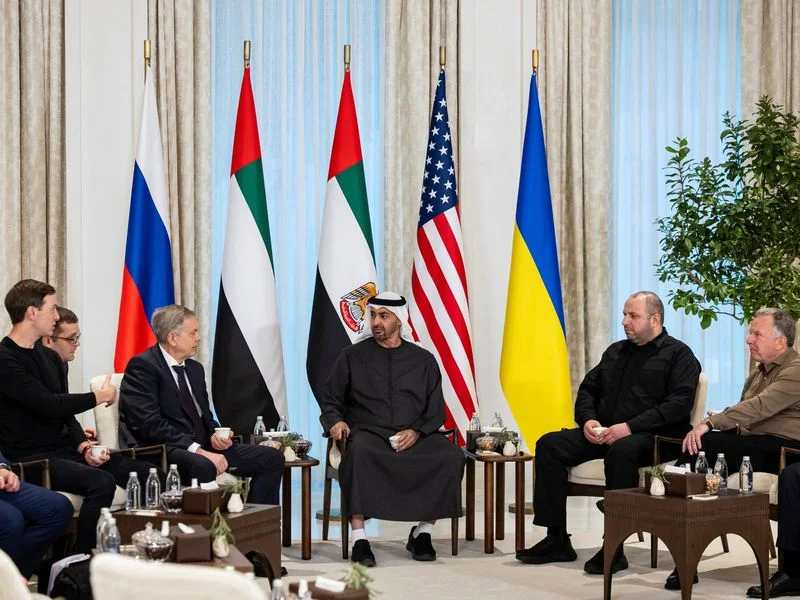
Ukraine faces extensive Russian missile and drone strikes targeting energy infrastructure and civilian sites, leaving millions without power, even as peace talks resume in the UAE.
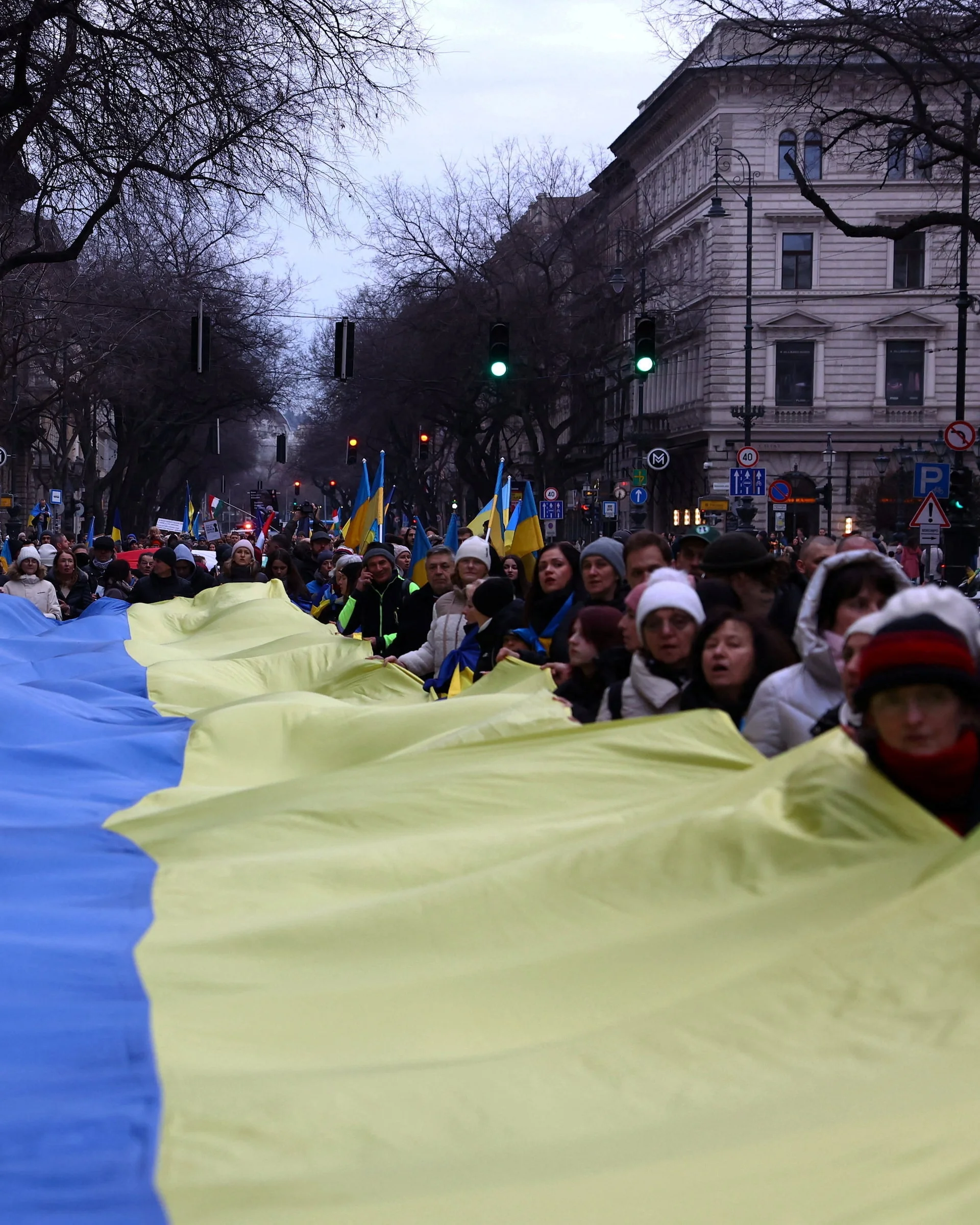
Kyiv hints at fresh peace negotiations this week as drone strikes hit Russian oil, while Hungary vetoes EU sanctions, sparking diplomatic fury.
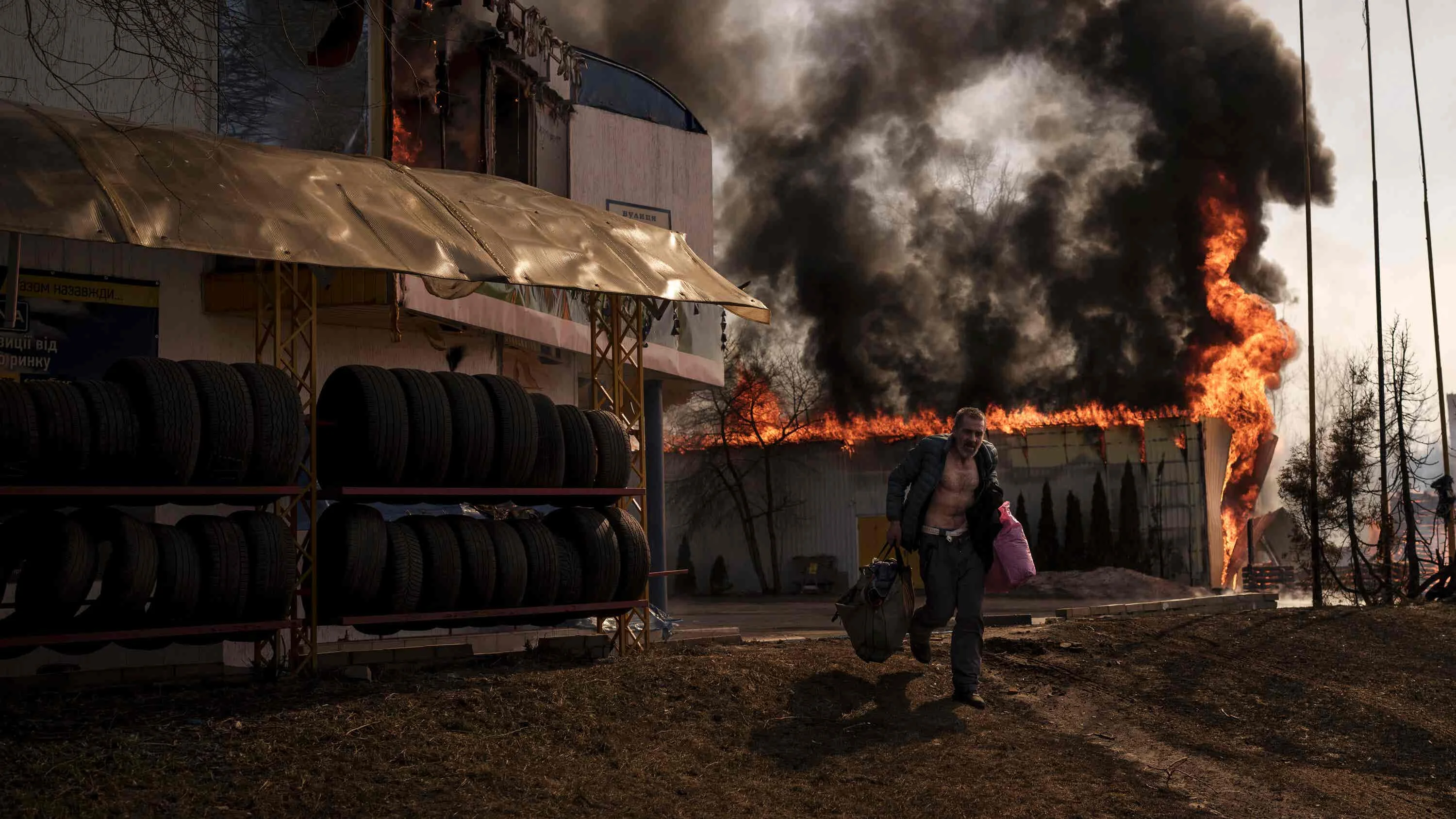
Ukraine intensifies attacks on Russia, causing blackouts and heat outages, as trilateral talks loom in Geneva. Zelenskyy urges faster aid, while global gold prices slump.