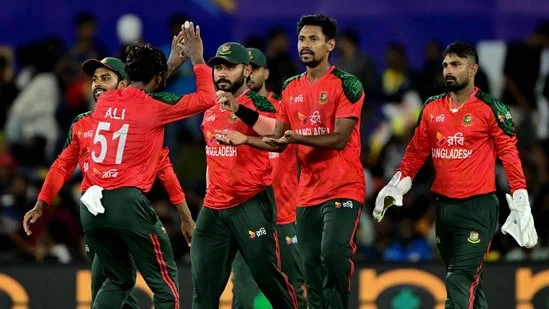
Bangladesh Cricket Board president aims to 'break the ice' with the BCCI during the India-Pakistan T20 World Cup match, following recent diplomatic and cricketing tensions. The ICC's intervention played a crucial role in defusing the crisis.
In a significant move signalling a thaw in strained cricketing relations, the Bangladesh Cricket Board (BCB) president, Aminul Islam, is poised to attend the high-stakes T20 World Cup Group A match between fierce rivals India and Pakistan. This attendance, scheduled for February 15 in Colombo, is not merely for spectatorship but carries the strategic intent of "breaking the ice" with the Board of Control for Cricket in India (BCCI). The past several months have seen a noticeable chill descend upon cricketing ties between India and Bangladesh, stemming from a series of events that escalated from player availability disputes to a critical decision regarding Bangladesh's participation in the T20 World Cup, ultimately leading to their ouster. The presence of the BCB chief at such a pivotal game, facilitated by the International Cricket Council (ICC), underscores a concerted effort to mend fractured alliances and restore stability to regional cricket governance.
The roots of the recent friction between Indian and Bangladeshi cricket administrations run deeper than a single incident, evolving over several months into a state where even cricketing decisions were tinged with diplomatic undertones. The Hindustan Times reports that the saga began with the BCCI’s directive to the Kolkata Knight Riders (KKR) to release star Bangladeshi pacer Mustafizur Rahman from their squad, a decision that reportedly did not sit well with the BCB. This was followed by a more substantial dispute when Bangladesh refused to travel to India for the T20 World Cup. This refusal led to Bangladesh being replaced by Scotland in the tournament, a development that had cascading effects, including Pakistan's initial boycott of their match against India in protest. This illustrates how quickly sporting disagreements can escalate, highlighting the delicate balance required in international sports diplomacy. The history of cricketing relations in South Asia is often intertwined with geopolitical dynamics, where sporting contests frequently become symbolic battlegrounds, making intervention from apex bodies like the ICC crucial in maintaining decorum and fair play.
The path to the proposed "ice-breaker" meeting demonstrates a complex interplay of diplomatic maneuvering and strategic decisions by the ICC. Pakistan's initial boycott of their match against India, following Bangladesh's replacement by Scotland, threatened to further destabilize the tournament. However, a significant U-turn was reported after the ICC announced that Bangladesh would face no sanctions for their previous refusal to travel and, moreover, would be granted hosting rights for a major event before 2031. This concession proved to be a pivotal factor in diffusing the escalating tensions. Hindustan Times further details that BCB president Aminul Islam was an active participant in a crucial meeting on February 8 at Gaddafi Stadium in Lahore, which included Pakistan Cricket Board (PCB) chief Mohsin Naqvi and a two-member ICC delegation. The very next day, the ICC's decision to clear Bangladesh of sanctions was announced, swiftly followed by public confirmation from the Government of Pakistan that their team would indeed play against India. This confirmation reportedly came just minutes after Islam personally requested the PCB to allow the match to proceed, highlighting his active role in brokering peace.
Islam later revealed the ICC's rationale behind convening representatives from the region. "The ICC has made a decision. The major stakeholders of the ICC are these five Asian countries (India, Pakistan, Sri Lanka, Bangladesh and Afghanistan) and for the India-Pakistan match on the 15th in the World Cup, they want representatives of all five Asian countries to be present at the ground together, watch the match together and talk to one another," Islam explained, as quoted by Bangladeshi newspaper Prothom Alo. He further acknowledged the intention, stating, "You can consider it as something like that (an ice-breaker between us)." This candid admission underscores the deliberate nature of the gathering, positioning the India-Pakistan clash not just as a sporting event but as a diplomatic opportunity engineered by the sport’s global governing body to foster dialogue among key regional cricket boards.
The impending meeting between BCB and BCCI officials, facilitated by the ICC at such a high-profile fixture, represents a critical juncture for South Asian cricket. Beyond the immediate reconciliation, it underscores the immense diplomatic weight that major tournaments carry in a region where cricket is not just a sport but a significant cultural and political touchstone. The ICC's proactive intervention, offering incentives like future hosting rights to Bangladesh and ensuring player participation, reveals a sophisticated understanding of how to manage complex inter-board relationships. This strategy prioritizes the continuation and integrity of global cricket events, recognizing that internal squabbles among powerful cricketing nations, especially those in Asia, can have ripple effects across the sport’s ecosystem. The concept of using a marquee event like an India-Pakistan match as a neutral ground for dialogue is a shrewd one, leveraging the shared passion for the game to overcome political and administrative hurdles. This approach may well set a precedent for how future disputes within the cricketing world, particularly those with geopolitical undertones, are addressed. It highlights the ICC's role not just as a governing body but as a mediator, capable of fostering dialogue through the powerful universal language of sport. The structured approach to preparing an MoU, as discussed by Islam, further suggests a desire to codify these resolutions, moving beyond temporary ceasefires to more durable frameworks for cooperation, which is crucial for long-term stability.
Further elaborating on the stability of future cricketing ties, BCB President Aminul Islam stressed the importance of formalizing agreements to prevent similar impasses. He indicated that the boards were likely to prepare a Memorandum of Understanding (MoU) to safeguard decisions made during the Lahore meeting from being undermined in the future. "We will also enter into an agreement. The agreement will be line-by-line, an MoU-type document, so there is no uncertainty," Islam affirmed. He drew a parallel to a previous instance when the Asian Cricket Council (ACC) Annual General Meeting in Dhaka faced similar issues, which were resolved with a similar MoU-type document. This commitment to a concrete, written agreement signifies a move towards greater transparency and accountability, ensuring that any resolution is binding and difficult to deviate from. The discussions for this MoU with the ICC are reportedly "more or less finalised," according to Islam, indicating a strategic effort to build a more resilient foundation for inter-board relations.
While the focus is on diplomatic rapprochement in cricket, the broader context of high-profile sporting events also brings to light significant security considerations. For instance, the Department of Homeland Security (DHS) has tasked airspace security company Fortem Technologies with defending the 2026 FIFA World Cup venues in the US from drone threats. This "multimillion-dollar order," as reported by Breaking Defense, underscores the evolving security landscape surrounding major international sporting events. Fortem will deploy its DroneHunter counter-drone systems, capable of intercepting and neutralizing hostile drones mid-air, alongside non-kinetic technologies like signal jamming. This proactive approach to security, including a $115 million investment in counter-drone technology for various events by DHS, highlights the extensive measures required to ensure the safety and smooth conduct of global spectacles. While distinct from the immediate cricketing diplomacy, this demonstrates the multifaceted challenges and preparations inherent in hosting international sporting tournaments, demanding rigorous planning across various domains, including security, logistics, and inter-organizational coordination.
The upcoming meeting in Colombo and the subsequent formalization of agreements offer a beacon of hope for enduring cooperation within South Asian cricket. The commitment by both the BCB and ICC to establish an MoU is a critical step towards building trust and ensuring that disputes are handled through established frameworks rather than escalating to diplomatic crises. Such structured engagement could pave the way for a smoother execution of the BCB's announced home season, which includes a tour by India for three ODIs and three T20Is – a tour previously cast into doubt by the strained relations. While government permissions for such tours often hinge on diplomatic relations, a robust inter-board agreement could certainly facilitate a more positive environment for approvals. The outcome of these discussions will be closely watched, not only by cricket enthusiasts but also by the wider sports community, as it could set a precedent for how international sporting bodies manage and mitigate geopolitical tensions within their respective domains.
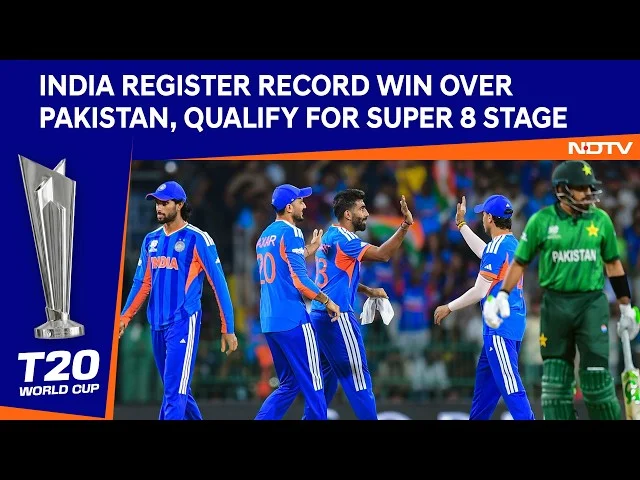
India and Pakistan compete fiercely in the 2026 T20 World Cup, with the winner securing a Super 8 spot after India posted 175 runs.
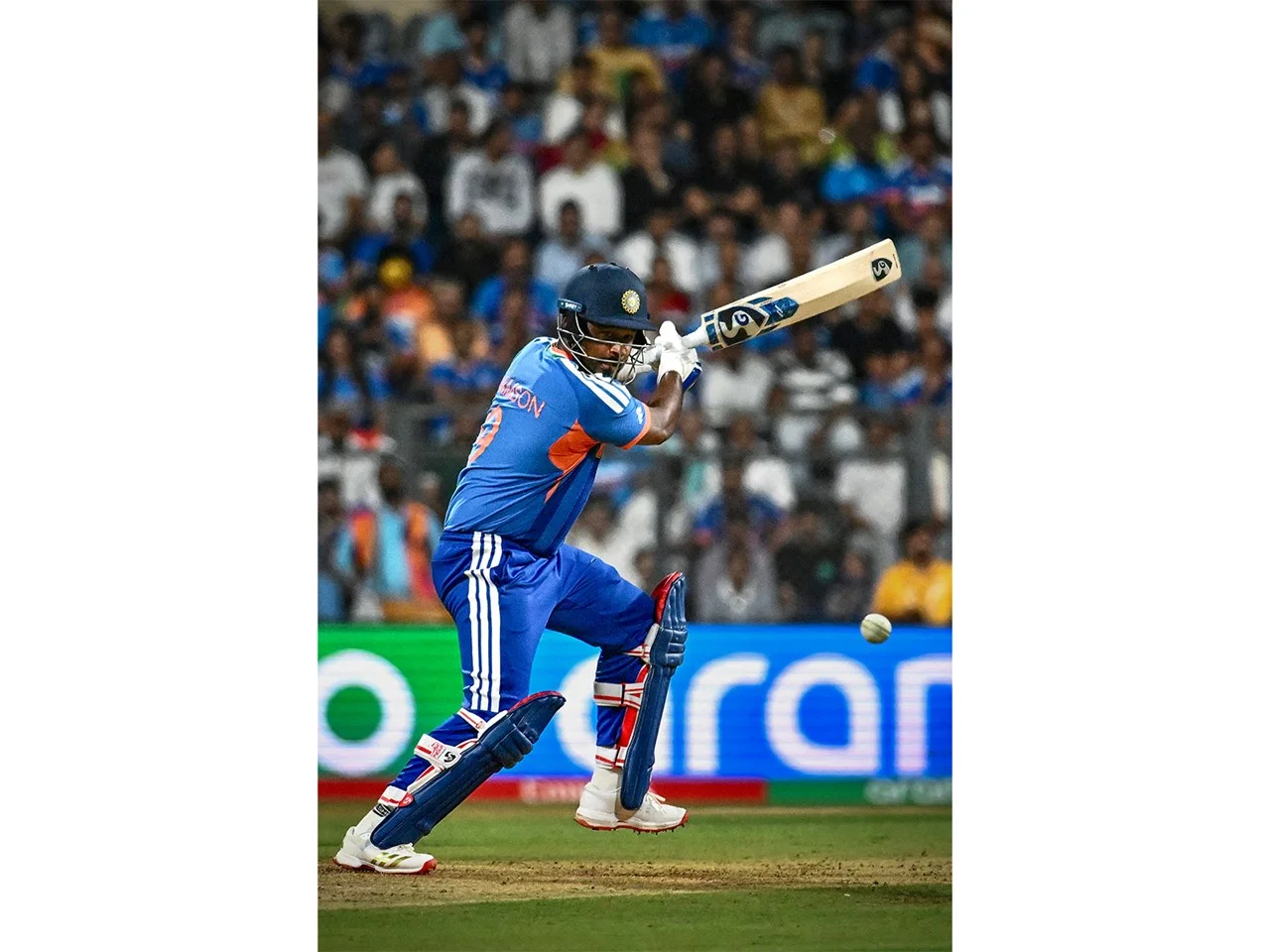
India secured back-to-back T20 World Cup titles, posting a record 255 runs against New Zealand, marking the highest score ever in a final.
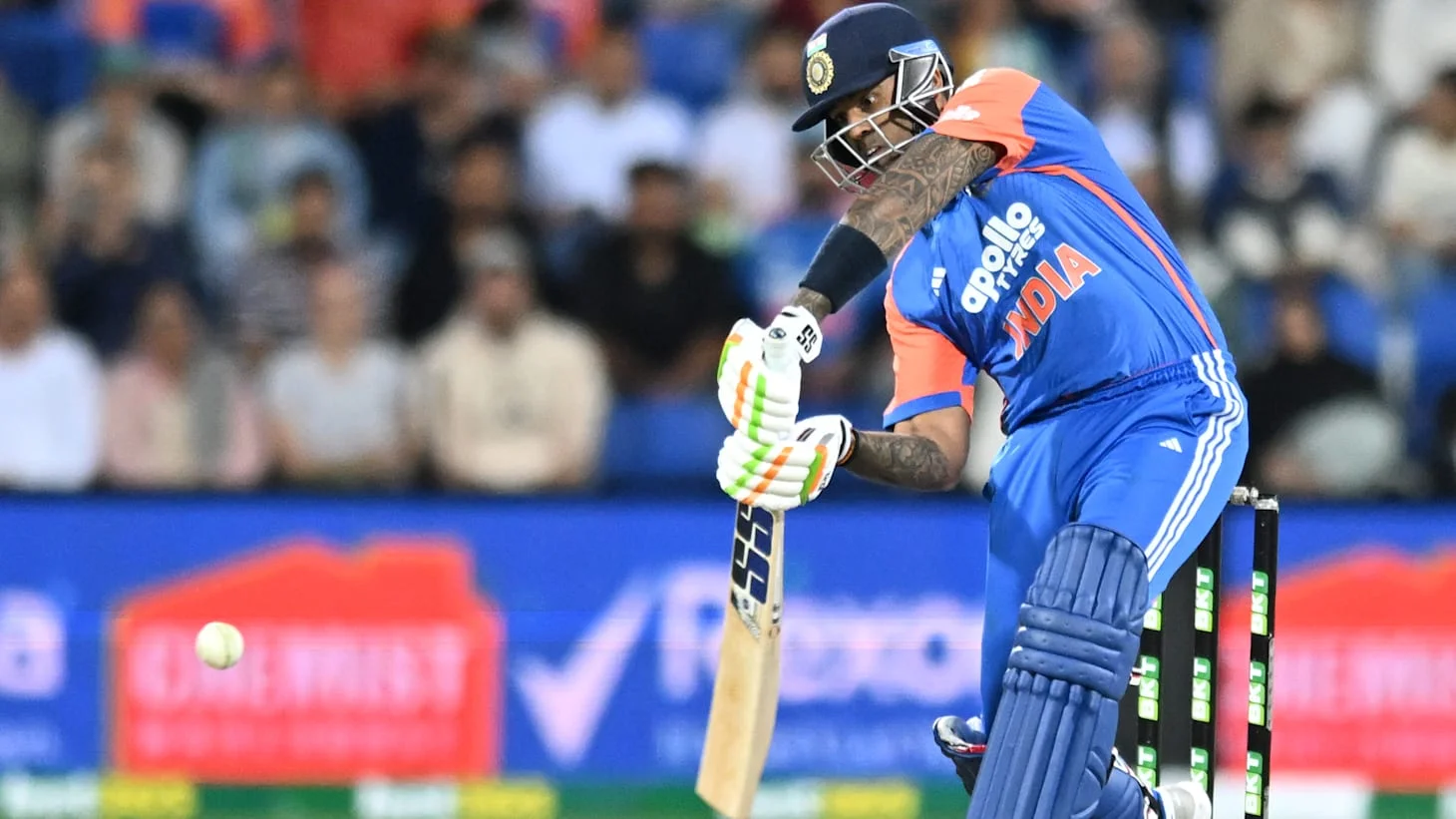
Indian T20I skipper Suryakumar Yadav credits a post-South Africa series break and a refined batting approach for his resurgence ahead of the T20 World Cup, leading India to a dominant series win against New Zealand.