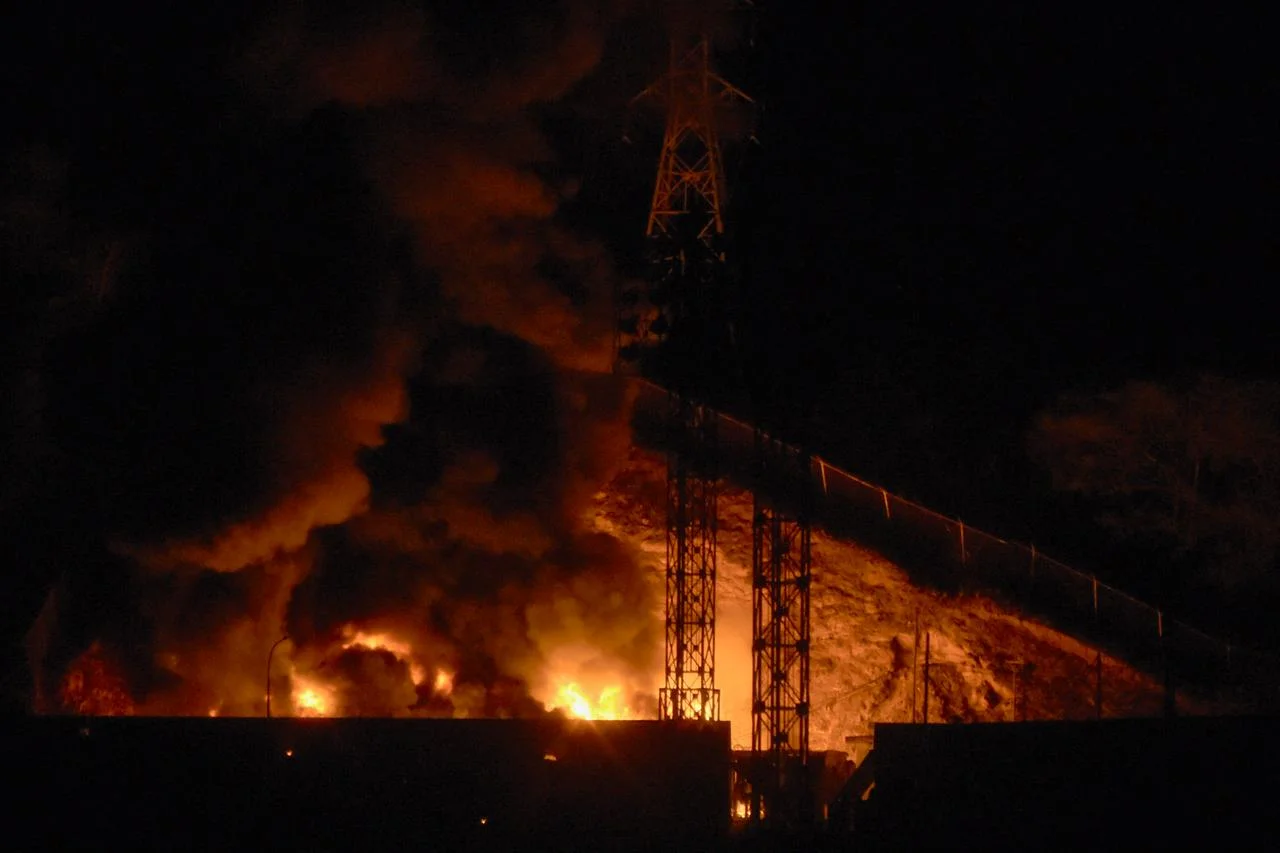
A deadly school shooting in British Columbia leaves ten dead, Cuba faces severe fuel shortages due to US sanctions, and President Trump prepares to meet with Israeli PM Netanyahu amid rising US-Iran tensions.
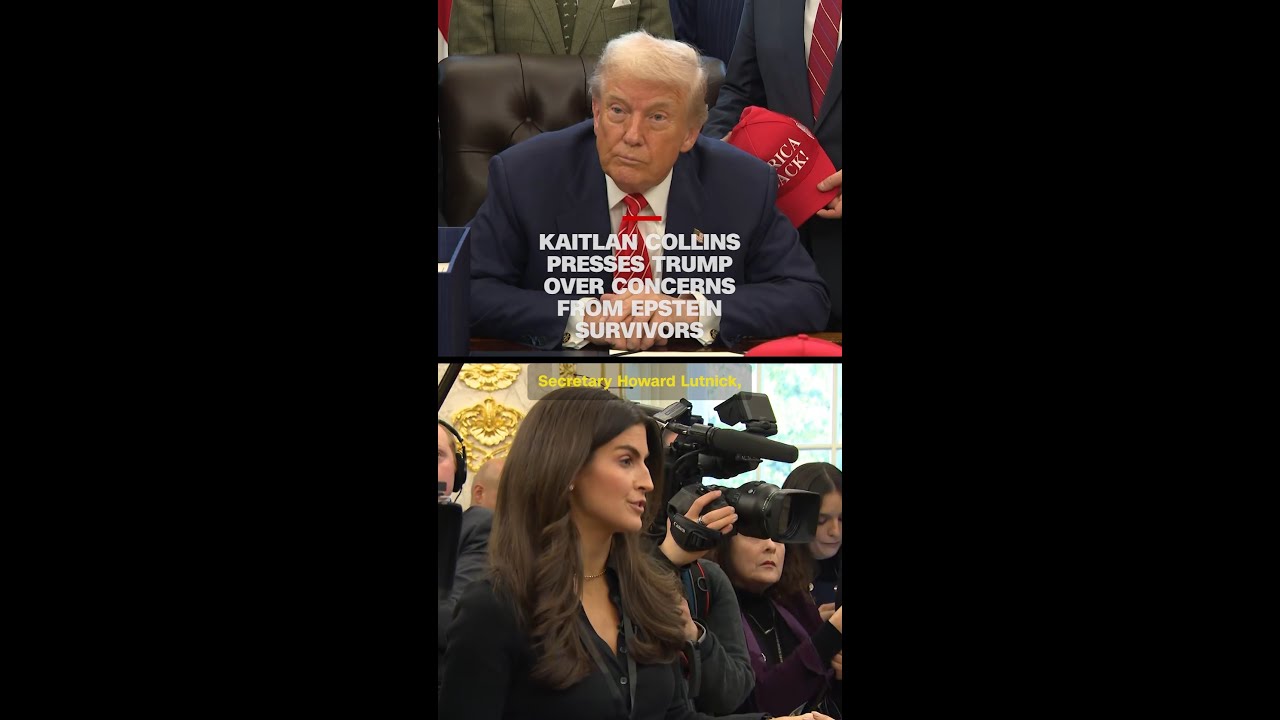
Kaitlan Collins presses Trump over concerns from Epstein survivors
A tragic school shooting in British Columbia has left ten people dead, including the assailant, marking one of Canada's deadliest mass casualty events in recent history. Simultaneously, Cuba grapples with an intensifying fuel shortage, pushing its economy to a "breaking point" under increased U.S. pressure. These critical domestic and international developments unfold as President Donald Trump prepares for a high-stakes meeting with Israeli Prime Minister Benjamin Netanyahu, focusing on U.S. negotiations with Iran, a nation some U.S. advisors are advocating to strike. The juxtaposition of these events – sudden violence, geopolitical pressure, and complex international diplomacy – highlights a period of significant global instability and profound challenges across multiple fronts as reported by 90.5 WESA.
The events unfolding across the globe are not isolated incidents but rather symptoms of complex, often long-standing issues. The mass shooting in British Columbia, while shocking, tragically mirrors a grim pattern of school violence more commonly associated with the United States. Canada, despite stricter gun laws, has not been immune to such devastating acts, raising questions about prevention and societal factors. On the international stage, the U.S.'s strained relationship with Cuba has deep historical roots, dating back to the Cold War, with economic blockades and political pressure being recurring themes. The Trump administration's aggressive policy towards Cuba, particularly its actions targeting Venezuela's oil shipments, represents a significant escalation in this ongoing standoff. Similarly, the U.S.'s intricate and often volatile relationship with Iran, characterized by nuclear negotiations, sanctions, and proxy conflicts, has been a defining feature of Middle Eastern politics for decades. The current tensions are intensified by the U.S. withdrawal from the Joint Comprehensive Plan of Action (JCPOA) and a policy of "maximum pressure," which has led to increased rhetoric and calls for more assertive action, according to analysts cited by NPR. These dynamics collectively paint a picture of a world navigating security threats, economic hardship, and delicate diplomatic maneuvers.
The past 24 hours have been marked by several significant developments spanning national tragedies and international flashpoints. In Canada, a mass shooting at a high school in Tumbler Ridge, British Columbia, has resulted in ten fatalities, including the female shooter, as reported by Reuters. Initial reports from 90.5 WESA had indicated seven deaths at the school and two at a nearby home, with the shooter also killed. Reuters later clarified that six were found dead inside the high school, two at a connected residence, and one person died en route to the hospital, bringing the total non-shooter fatalities to nine, plus the assailant. Multiple others sustained injuries, some life-threatening. Police described the suspect as a female in a dress with brown hair, found dead from an apparent self-inflicted injury, an unusual characteristic for mass shooters in North America. British Columbia Premier David Eby expressed shock, noting such events "feel like it happens in other places and not close to home."
Across the continent, Cuba is facing an accelerating economic crisis due to a severe fuel shortage, exacerbated by aggressive U.S. sanctions from the Trump administration. Global News reports that the suspension of Air Canada flights to the island underscores the gravity of the situation, which some experts are calling a "breaking point." President Trump's policy of blockading oil shipments to Cuba’s chief supplier, Venezuela, and threatening tariffs on other potential suppliers, has compounded long-standing fuel, food, and medicine shortages. U.S. Secretary of State Marco Rubio’s recent testimony to senators, stating "we would love to see a change" in the Cuban regime, highlights the intent behind these pressures. Cuban President Miguel Díaz-Canel has indicated a willingness for negotiations, despite the economic pain leading to emergency measures like shorter workweeks and fuel rationing. The White House has labeled Cuba an "unusual and extraordinary threat" due to its alliances with Russia, China, and Iran.
Meanwhile, high-stakes international diplomacy is unfolding as President Trump prepares to meet with Israeli Prime Minister Benjamin Netanyahu. This meeting comes at a "critical moment for negotiations between the U.S. and Iran," as noted by NPR. Discussions around Iran's nuclear program and regional influence are expected to be central. Notably, Mark Dubowitz of the Foundation for Defense of Democracies has publicly advocated for the U.S. to strike Iran, reflecting significant hawkish sentiment within some U.S. policy circles. This volatile situation underscores the increasing tensions in the Middle East and the complex strategic alliances at play. Further domestic news from NPR includes an FBI investigation into the 2020 election in Fulton County, GA, initiated by a lawyer who aided President Trump’s efforts to overturn the election results, based on an unsealed affidavit. Also, the U.S. Curling Olympic Trials saw an upset with Gen Z curlers, Team Casper, dethroning long-reigning champions, bringing a fresh dynamic to a traditional sport.
The confluence of headline-grabbing events underscores several concerning trends and potential implications for global stability and domestic policy. The British Columbia school shooting, while geographically distinct from the U.S., sadly highlights the persistent vulnerability of educational institutions to mass violence. The fact that the assailant was identified as female, a statistical anomaly in mass shootings, introduces a nuanced layer to our understanding of the profiles of perpetrators and may prompt new lines of inquiry into the psychological and social factors contributing to such acts. For Canada, a nation that prides itself on stricter gun control and a lower incidence of mass shootings compared to its southern neighbor, this event is a stark reminder that no country is immune, potentially reigniting debates around mental health support, security protocols, and perhaps even the efficacy of existing gun legislation within its borders.
The escalating crisis in Cuba, engineered through deliberate U.S. policy, represents a calculated attempt by the Trump administration to force regime change. This approach, while rooted in Cold War hostility, is particularly aggressive now, targeting the fundamental necessities of the Cuban population. The “breaking point” referenced by political science professor Max Cameron suggests that the economic strangulation could lead to either collapse or widespread civil unrest, with unpredictable consequences. Such a strategy, however, also carries significant humanitarian risks, potentially pushing an already struggling population into deeper despair and prompting international condemnation. The historical effectiveness of such blockades in achieving democratic transitions is debatable, often leading to increased suffering among ordinary citizens rather than a compliant change in leadership. The long-term implications for regional stability, should Cuba descend into greater chaos, are substantial.
Finally, the brewing tensions between the U.S. and Iran, amplified by calls for military action from figures like Mark Dubowitz, signal a deeply precarious moment in international relations. The meeting between President Trump and Israeli Prime Minister Netanyahu will undoubtedly fuel discussions around a unified front against Iran. This environment of heightened rhetoric and pressure creates a dangerous pathway for miscalculation or escalation, which could have devastating consequences for the Middle East and global oil markets. For citizens, these developments paint a picture of a turbulent world, characterized by both sudden, localized tragedies and slow-burning geopolitical struggles that carry far-reaching economic and human costs. The interconnectedness of these crises implies that responses to one may inevitably affect others, demanding careful and coordinated international diplomacy.
Beyond the primary headlines, other significant reports from NPR fill out the complex global landscape. The revelation that an FBI investigation into the 2020 election in Fulton County, Georgia, was initiated by a lawyer who actively supported President Trump’s efforts to overturn the election results introduces a layer of political intrigue and questions about the integrity of such investigations. This detail, stemming from an unsealed affidavit, highlights the ongoing political divisions within the U.S. and the continuing scrutiny over the 2020 election's aftermath, potentially contributing to narratives of a politicized justice system depending on one's perspective. The identification of U.S. District Judge Lydia Kay Griggsby, a Biden appointee, as the judge in question, further underscores the partisan lens through which much of this information is viewed.
Immigration enforcement within the U.S. also remains a deeply contentious issue. A recent hearing, as reported by NPR, underscored the profound divisions between Republicans and Democrats on top-level changes, particularly in the wake of the shootings of two U.S. citizens. This ongoing impasse reflects the struggle to balance border security, humanitarian concerns, and national identity, with any significant legislative action remaining elusive.
On the economic front, new data confirms an escalating crisis within the U.S. student loan portfolio. Too many borrowers are failing to repay their student loans, signaling a potential long-term economic burden for individuals and the broader economy, as detailed by NPR. This issue points to systemic problems in higher education financing, job market opportunities, and the ever-increasing cost of education.
Finally, the annual meeting of the nation's governors, traditionally a bipartisan gathering, is reportedly "unraveling" after President Donald Trump excluded Democratic governors from White House events. This action further illustrates the deep partisan rifts within U.S. politics, making collaboration and consensus-building increasingly difficult on critical national issues. In the sporting world, a refreshing upset at the U.S. Curling Olympic Trials saw a team of Gen Z curlers, Team Casper, unseat the long-reigning champions. Their youth, "swagger," and new sensibilities are bringing a dynamic shift to a sport steeped in tradition, offering a positive counterpoint to the more somber news dominating headlines, as profiled by NPR. Separately, Sky Sports F1 provides ongoing news and rumors ahead of the 2026 Formula 1 season, indicating the usual churn of team and driver market speculation, though largely disconnected from the geopolitical and social issues at hand.
The coming days and weeks will be crucial for several of these unfolding situations. The aftermath of the British Columbia shooting will undoubtedly involve intense investigations into the shooter's motive and calls for community healing and enhanced safety measures. For Cuba, the deepening fuel crisis will test the resilience of its government and citizens, and the possibility of negotiations with the U.S. could offer a glimmer of hope amidst the hardship. The outcome of the Trump-Netanyahu meeting will be closely watched for any indications of a hardened U.S. stance or new strategic initiatives concerning Iran. The rhetoric and policy decisions emerging from Washington will significantly shape the trajectory of tensions in the Middle East. Domestically, the ongoing student loan crisis promises to remain a priority, demanding policy solutions, and the unraveling of bipartisan initiatives like the governors' meeting signifies a challenging path forward for cooperation in U.S. politics. Each of these situations carries the potential for further escalation or, perhaps, a turn towards resolution, demanding continuous attention and analysis from observers worldwide.
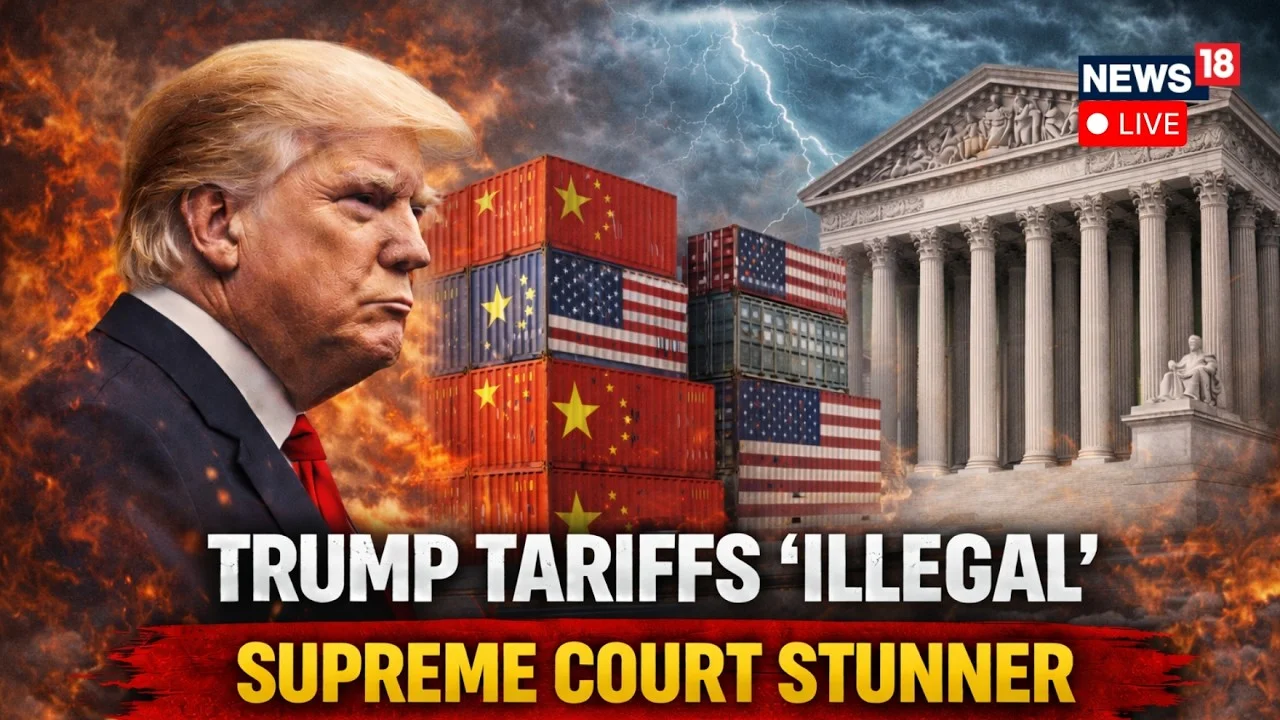
The US Supreme Court has ruled Trump-era tariffs implemented under national emergency powers unlawful, creating uncertainty for global trade and potential economic shifts.
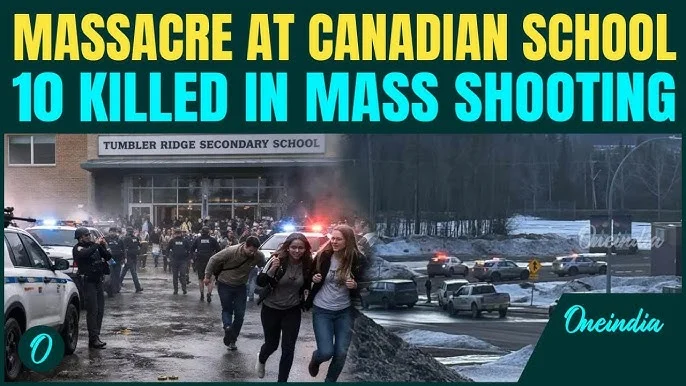
Ten people, including the shooter, are dead after a mass shooting at a high school in Tumbler Ridge, British Columbia, shaking Canada with an event rare in its history.

Trump narrows Federal Reserve Chair search to four finalists. Treasury Secretary Bessent signals decision expected within days amid high-stakes leadership transition.