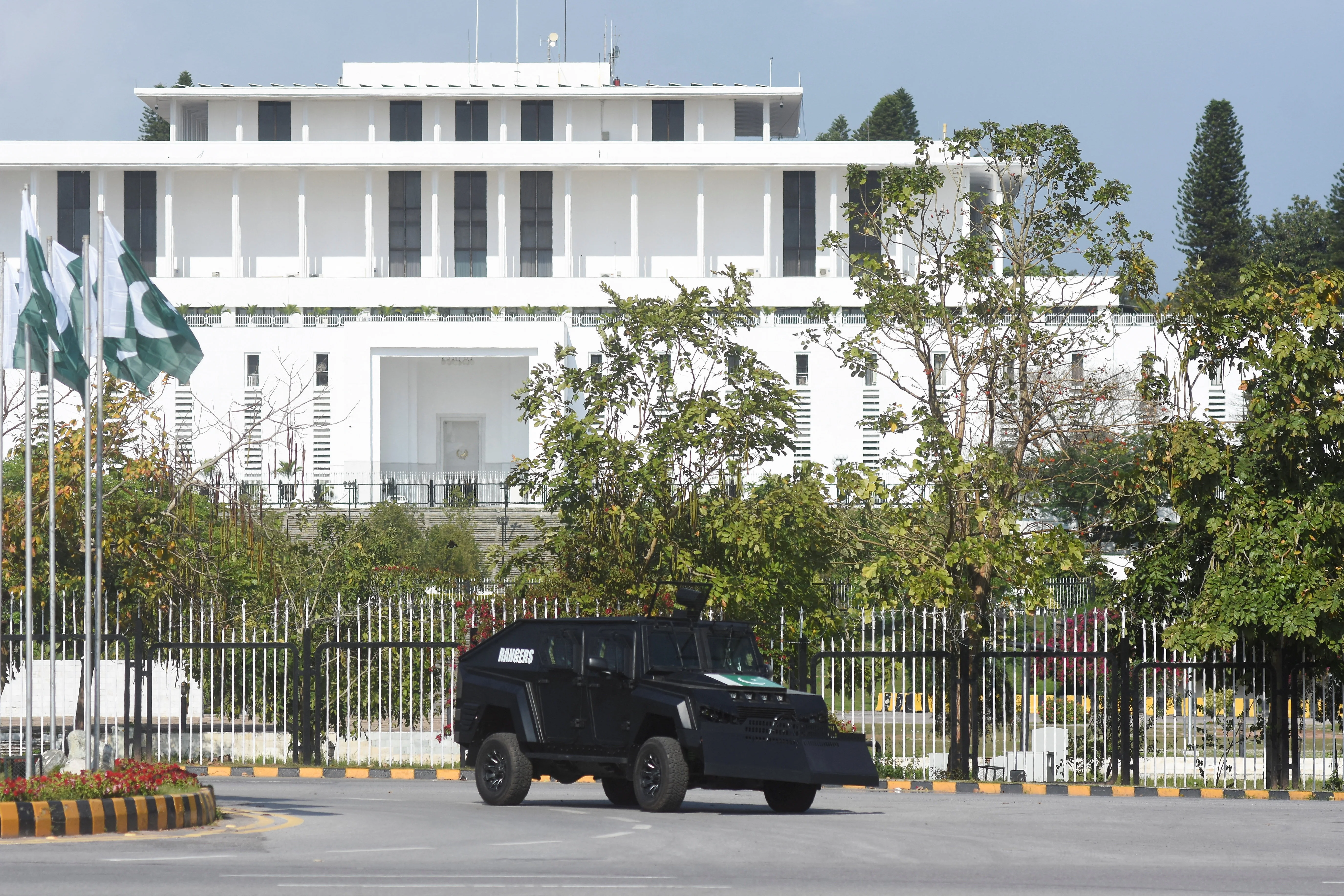
After 21 hours of intense negotiations, US-Iran peace talks in Islamabad have failed to broker a deal, leaving the Gulf region facing escalated tensions and an uncertain future. Vice President Vance delivers "bad news" as global powers voice concerns.
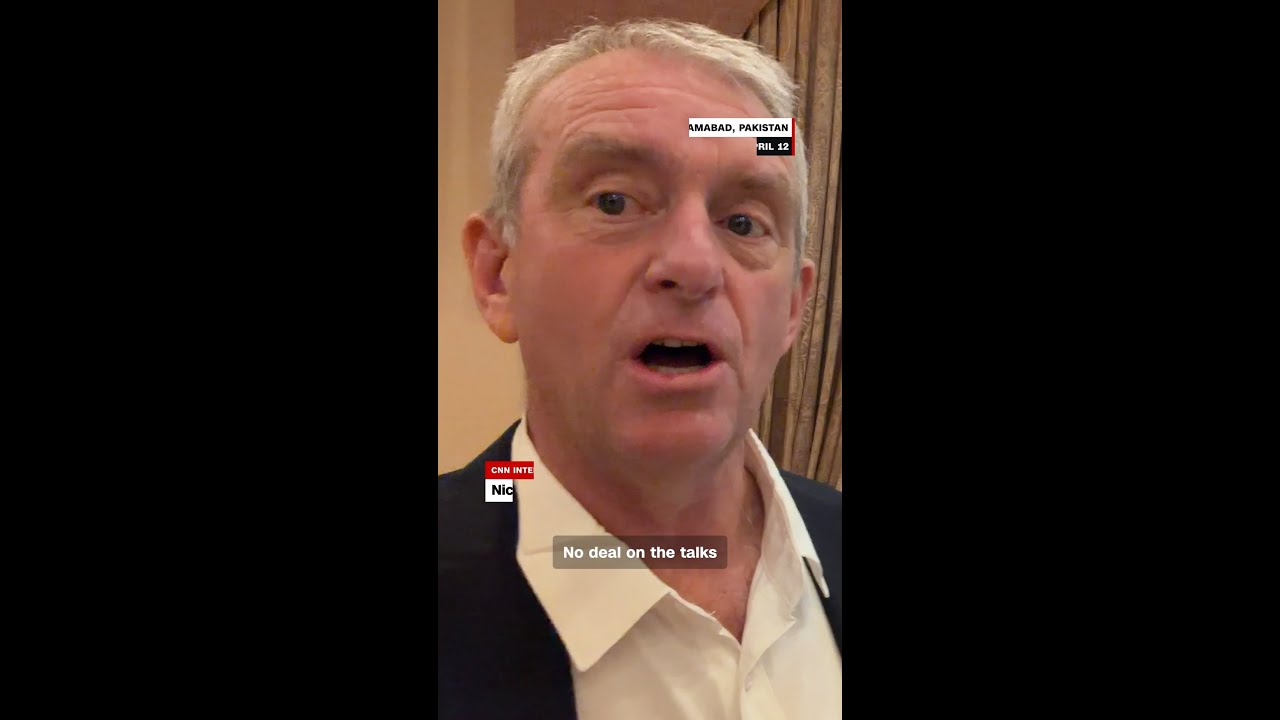
Breaking down failed US-Iran talks
In a significant blow to hopes for de-escalation in the volatile Middle East, marathon peace talks between the United States and Iran in Islamabad have collapsed without achieving an agreement to permanently end the ongoing conflict. After an exhaustive 21 hours of negotiations, punctuated by periods of intense diplomatic effort, Vice President JD Vance delivered the stark reality, stating that the discussions "did not result in an agreement to permanently end the war." This failure, widely reported by CNN, casts a dark shadow over the Gulf region and raises pressing questions about the immediate future of one of the world's most critical geopolitical hotspots. The impasse leaves world leaders grappling with the implications of continued hostilities, while regional actors anticipate potential shifts in the balance of power and security dynamics.
The recent peace talks did not emerge in a vacuum but were rather the culmination of steadily mounting tensions between Washington and Tehran, reaching a critical point that necessitated diplomatic intervention. For years, the relationship between the US and Iran has been characterized by deep distrust, proxy conflicts across the Middle East, and a contentious nuclear program. The current "war" referenced by Vice President Vance suggests a protracted period of direct or indirect hostilities that have likely taken a significant toll on regional stability and international security. Historically, periods of intense US-Iran confrontation have often been marked by bellicose rhetoric, sanctions, and military posturing, creating a cycle of escalation. The decision to hold 21 hours of talks in Islamabad signals the gravity of the situation and the urgent need, perceived by both sides and international intermediaries, to find a diplomatic off-ramp. Previous attempts at de-escalation or achieving a broader understanding have frequently faltered due to entrenched mistrust, differing interpretations of regional hegemony, and the influence of domestic political pressures within both nations. This latest failure, therefore, fits into a pattern of strained diplomacy, underscoring the deep-seated nature of the conflict and the immense challenges in bridging the fundamental divides between the two adversaries.
The 21 hours of intense negotiations in Islamabad were meticulously tracked, yet ultimately concluded without a breakthrough, as CNN's Nic Robertson explained, leading to widespread concern among international observers. Vice President JD Vance's candid acknowledgment that the marathon talks did not produce "an agreement to permanently end the war" underscored the severity of the diplomatic failure, as reported by CNN. This outcome immediately prompted questions about the next steps and the potential for further destabilization in the Gulf region, with CNN's Clarissa Ward analyzing the grim implications. The heightened tensions are not merely theoretical; the conflict has already impacted regional airspace, as evidenced by reports of private pilots risking flights through war zones and their aircraft being intercepted by US forces. This detail highlights the pervasive reach of the conflict beyond direct military engagements, affecting civilian travel and underlining the inherent dangers. Further complicating the geopolitical landscape, President Donald Trump issued a stern warning to China regarding intelligence reports that Beijing might be preparing to deliver new air defense systems to Iran, as relayed to CNN by Betsy Klein. Such a development would undoubtedly be viewed by Washington as a significant escalation, further empowering Iran's military capabilities and potentially drawing another global power more deeply into the conflict. Meanwhile, religious leaders have also weighed in, with Pope Leo XIV making a poignant appeal during a prayer vigil, specifically condemning the use of religious justification for the "US-Israel war in Iran" and calling for its termination, a report covered by CNN's Christopher Lamb. This confluence of diplomatic failure, military concerns, and moral appeals paints a picture of a deeply entrenched and multifaceted crisis with no easy solutions in sight.
The failure of the Islamabad talks carries profound implications, not just for the immediate parties involved but for the fragile balance of power in the wider Middle East and the efficacy of international diplomacy. Firstly, the lack of an agreement after such extensive negotiations signals a deep, perhaps unbridgeable, chasm in the core demands and red lines of both Washington and Tehran. This suggests that the underlying issues driving the conflict are not superficial but rather fundamental disagreements over security architectures, regional influence, and possibly even regime legitimacy. For the Gulf region, this breakdown likely translates into an intensified period of uncertainty and potential escalation. Local actors, often caught between powerful patrons, may be forced to choose sides or navigate an increasingly dangerous landscape. The prospect of an enduring conflict means increased military deployments, heightened alert levels, and a greater risk of miscalculation leading to accidental confrontation. From a global diplomatic perspective, this failure casts doubt on the viability of quiet diplomacy, especially when dealing with high-stakes geopolitical rivals. It underlines the challenges faced by third-party mediators and the limitations of engagement when mutual trust is absent. The explicit involvement of Pope Leo XIV, condemning the use of religious rhetoric to justify the "US-Israel war in Iran," also highlights the growing humanitarian and ethical dimensions of the conflict, suggesting that the international community is becoming increasingly concerned about the long-term human cost and the moral justification of continued hostilities. This adds another layer of pressure and complexity to a situation already fraught with military and political tension, transforming it into a crisis with profound religious and ethical ramifications that could galvanize broader international opposition or support.
Beyond the immediate diplomatic impasse, a series of interconnected developments further underscore the volatile nature of the current US-Iran standoff. The direct warning issued by President Trump to China regarding potential military aid to Iran highlights the risk of the conflict widening beyond its current scope. Reports suggesting that China is preparing to deliver new air defense systems to Iran would constitute a significant upgrade to Iran's defensive capabilities, potentially altering the regional military balance and complicating any future US or allied aerial operations. Such a move would undoubtedly be perceived by Washington as a hostile act from a major global power, straining an already tense US-China relationship and potentially leading to a new phase of economic or diplomatic retaliation. Furthermore, the mention of Pope Leo XIV's condemnation of the "US-Israel war in Iran" is critical. This framing suggests a broader coalition of adversaries perceived by Iran and implies direct Israeli involvement, whether overt or covert, in the ongoing hostilities. The Pope's admonition against invoking the name of God to justify the conflict speaks to the profound moral and ethical dimensions often entwined with Middle Eastern conflicts, echoing sentiments from various religious leaders throughout history who have sought to prevent or mitigate religiously fueled violence. His intervention elevates the conflict from a purely geopolitical struggle to one with significant spiritual and moral implications, potentially influencing public opinion and galvanizing international peace efforts from non-state actors. The continued risks faced by private pilots operating in the region serve as a stark, tangible reminder of the pervasive danger. These aren't just abstract political maneuvers; they are real conditions affecting civilian life and demonstrating the expansive reach of the conflict, creating a constant state of alert and danger for anyone traversing the airspace in or around the war zone. These combined factors – the potential for third-party military intervention, the moral condemnation from influential religious figures, and the practical dangers faced by civilians – illustrate a complex, multi-layered crisis far from resolution.
The failure of the Islamabad peace talks has undeniably ushered in a period of heightened uncertainty for the Middle East and the wider international community. Without a diplomatic pathway agreed upon, the immediate future appears to be one of sustained tension and potential for further escalation. All eyes will be on how the US, Iran, and their respective allies respond to this diplomatic vacuum. Will there be increased military posturing, renewed proxy conflicts, or a return to indirect forms of negotiation? The US will likely reassess its strategy, potentially doubling down on sanctions or seeking to build stronger regional alliances to contain Iran. Tehran, on the other hand, might feel emboldened to press its advantage, especially if it secures military aid from powers like China, as suggested by intelligence reports. The global community, particularly the United Nations and other multilateral organizations, will face renewed pressure to reignite dialogue or establish new frameworks for de-escalation, possibly with different mediators or in a different setting. The humanitarian implications, already severe, are likely to worsen if the conflict persists or intensifies. Ultimately, the absence of a "permanent end to the war" means that leaders must now prepare for a prolonged period of instability, with the constant threat of a minor incident igniting a larger conflagration.
Iran's retaliatory strikes on Gulf energy infrastructure after an Israeli attack on its gas field send global oil prices skyrocketing and spark fears of long-term economic disruption. US-Israeli alliance shows cracks as leaders diverge on strategy.
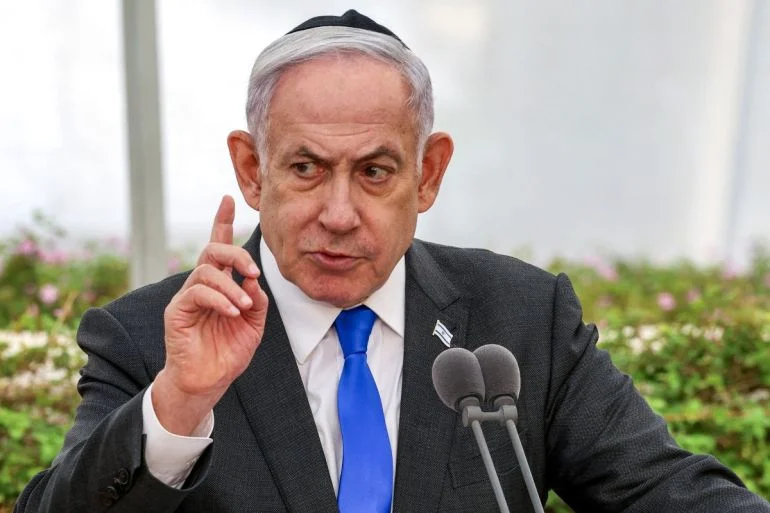
Amid rising US-Israel-Iran tensions, misinformation about Israeli PM Benjamin Netanyahu's alleged death spread online, fueled by a viral "six fingers" video, despite official confirmations of his active role.
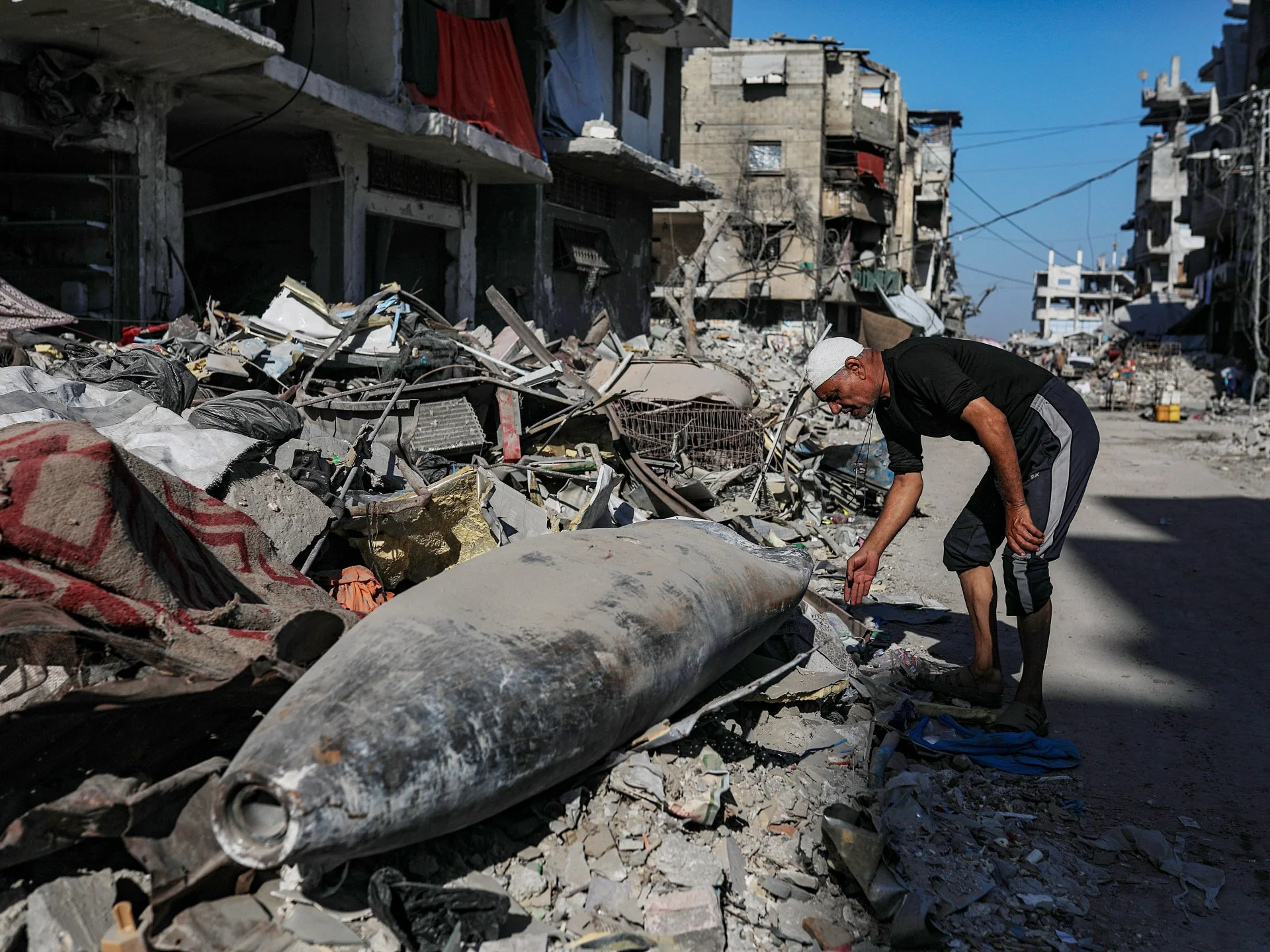
A new war between the U.S., Israel, and Iran threatens to derail a tenuous ceasefire in Gaza, leaving residents fearing deeper neglect and an exacerbation of the humanitarian crisis amidst renewed closures and rising prices.