Iran-Linked Hackers Expose FBI Director's Personal Data in High-Stakes Cyberattack
Iran-linked Handala Hack Team claims breach of FBI Director Kash Patel's personal Gmail, publishing photos and emails, raising concerns over U.S. official vulnerability.

Iran-Linked Hackers Breach Kash Patel Email, Publish Files Online | APT
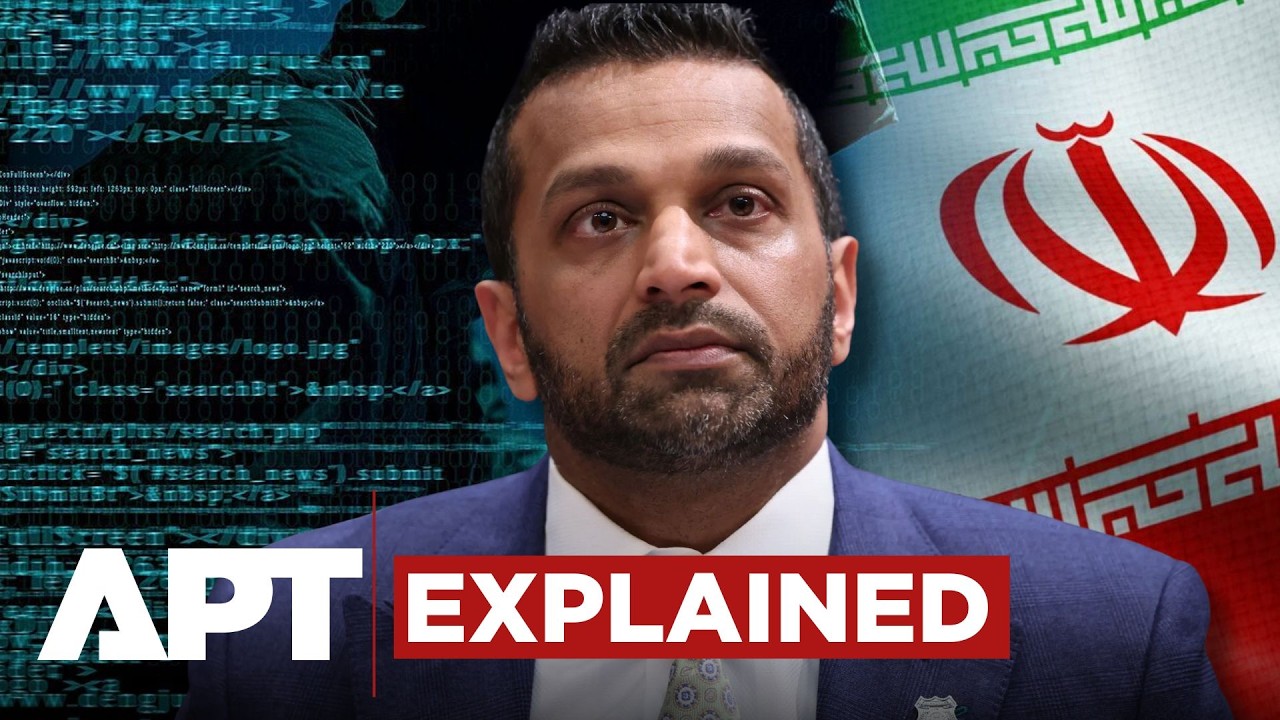
In a significant cyber intrusion sending ripples through national security circles, an Iran-linked hacking group known as the Handala Hack Team has claimed responsibility for breaching the personal email account of FBI Director Kash Patel. The group has subsequently published a trove of personal photographs and documents online, escalating concerns about the vulnerability of high-ranking U.S. officials to state-sponsored cyber exploitation. The FBI has confirmed the targeting of Patel's emails, acknowledging the data involved as "historical in nature" and devoid of government information, a assertion that nonetheless fails to quell anxieties surrounding the implications of such a breach. This incident marks a notable escalation in the ongoing digital skirmishes, particularly in the context of heightened geopolitical tensions between the U.S., Israel, and Iran.
Geopolitical Tensions Fueling Cyber Warfare
The alleged hack against FBI Director Kash Patel's personal Gmail account by the Handala Hack Team, reported by Reuters, comes at a time of exceptionally high geopolitical tension. Western intelligence agencies widely consider the Handala Hack Team to be a front for Iranian government cyberintelligence units, operating under a pro-Palestinian vigilante persona. Their increased activity is directly linked to the protracted U.S.-Israeli conflict with Iran, which has seen both sides engage in retaliatory actions, including cyber operations. Initially, Iran-linked hackers maintained a relatively low profile following coordinated U.S. and Israeli strikes against the Islamic Republic. However, as the conflict has deepened, there's been a noticeable increase in their boasting about cyber operations, suggesting a shift in strategy towards more overt and embarrassing attacks against U.S. interests and officials. This pattern reflects a broader trend where nation-states leverage cyber capabilities to project power, gather intelligence, and sow discord without resorting to kinetic warfare, often targeting key figures to undermine trust and morale. The selection of a high-profile target like the FBI Director underscores the strategic intent behind these operations.
The Breach and Its Immediate Repercussions
The Handala Hack Team proudly announced the breach on their website, declaring that FBI Director Kash Patel "will now find his name among the list of successfully hacked victims." The evidence published included personal photographs of Patel engaged in private activities—sniffing and smoking cigars, riding in an antique convertible, and taking a mirror selfie with a large bottle of rum. Alongside these highly personal images, the hackers also released a sample of over 300 emails, which appear to encompass a blend of personal and work-related correspondence spanning from 2010 to 2019. While Reuters stated it could not independently authenticate the content of these messages, the personal Gmail address targeted by Handala aligns with an address previously linked to Patel in past data breaches, as documented by the dark web intelligence firm District 4 Labs. The FBI, through spokesman Ben Williamson, confirmed the targeting of Patel's emails, stating, "we have taken all necessary steps to mitigate potential risks associated with this activity" and emphasizing that the compromised data was "historical in nature and involves no government information." However, the sheer act of breaching a top U.S. law enforcement official's personal communications, regardless of the content's age or classified status, signals a significant intelligence and psychological victory for the perpetrators, intended to embarrass and undermine confidence in U.S. officials. This incident is not isolated, with Handala also claiming recent hacks against Michigan-based medical device provider Stryker and the publication of personal data from Lockheed Martin employees in the Middle East, further highlighting their evolving capabilities and strategic targets.
Analysis: The Broader Implications of 'Embarrassment-as-Warfare'
This incident transcends a simple data breach; it represents a calculated strategy of "embarrassment-as-warfare," as articulated by Gil Messing of Check Point. The targeting of FBI Director Kash Patel’s personal email and the subsequent public release of compromising, albeit non-classified, material aims to achieve several objectives beyond mere data acquisition. Firstly, it seeks to undermine the credibility and authority of U.S. officials on both a personal and professional level. By exposing candid personal moments, the hackers attempt to humanize and, in their view, diminish the stature of a powerful figure. Secondly, it serves as a potent psychological weapon, intended to "make them feel vulnerable," as Messing notes. This tactic can create an atmosphere of distrust and paranoia, not just among those directly targeted, but across the entire U.S. governmental apparatus. The message is clear: if even the FBI Director's personal life isn't secure, who is? This type of low-level, high-impact hack aligns with U.S. intelligence assessments suggesting Iran and its proxies might respond to escalating conflicts with such attacks. While the FBI asserts no government information was compromised, the mere perception of vulnerability in the personal domain of a national security leader can erode public confidence and create internal distractions. The historical parallels, such as the hacks of John Podesta's and John Brennan's personal emails, demonstrate a recurring weakness that nation-state actors are keen to exploit, underscoring a persistent challenge in separating personal and official digital lives in an increasingly interconnected world. This strategy highlights a shift in cyber warfare, where the psychological impact and public perception are as valuable as, if not more than, direct operational disruption.
A Pattern of Targeting High-Profile Personal Accounts
The breach of FBI Director Kash Patel’s personal email is not an isolated event but rather fits into a concerning pattern of foreign adversaries targeting the private digital lives of high-ranking U.S. officials. This strategy leverages the often less robust security protocols of personal accounts compared to secure government networks. A stark historical precedent is the notorious 2016 hack of Hillary Clinton campaign chairman John Podesta’s personal Gmail account, orchestrated by Russian state-sponsored actors. The subsequent publication of his emails by WikiLeaks injected significant turbulence into the U.S. presidential election. Similarly, in 2015, teenage hackers managed to infiltrate then-CIA Director John Brennan’s personal AOL account, leaking sensitive data related to U.S. intelligence officials. These incidents, as highlighted by Reuters, underscore a critical vulnerability: even the most protected individuals in government are susceptible through their personal digital footprints. Such "relatively unsophisticated breaches" are consistent with U.S. intelligence assessments which warned that Iran and its proxies could engage in low-level hacks against U.S. digital networks, particularly in response to significant geopolitical events. The appeal of these attacks lies in their potential for high embarrassment and disruption with comparatively lower technical effort than breaching heavily fortified government systems. Moreover, these breaches often serve as intelligence-gathering opportunities, even if the immediate public release focuses on embarrassing details, hackers may retain more sensitive information for future exploitation or leverage.
Looking Ahead: The Enduring Challenge of Personal Cyber Hygiene
The breach of FBI Director Kash Patel's personal email account by the Iran-linked Handala Hack Team serves as a critical reminder of the enduring and evolving challenges in cybersecurity, particularly for high-profile figures. This incident underscores the importance of stringent personal cyber hygiene, even for those with access to the most secure government systems. Future implications point to a likely increase in such "hack-and-leak" operations by state-sponsored actors, who recognize the outsized impact and embarrassment value of targeting personal accounts. Cybersecurity agencies and government bodies will undoubtedly re-evaluate and strengthen directives regarding the personal digital security of senior officials, potentially mandating advanced authentication methods and continuous monitoring for personal email accounts. However, the fundamental challenge remains: ensuring complete separation and impenetrable security between personal and professional digital lives is exceedingly difficult in a hyper-connected world. We can expect to see continued efforts by groups like Handala to exploit any perceived vulnerability, leveraging the public nature of social media and widespread digital communication to achieve their geopolitical objectives. The incident also highlights the potential for these groups to hold additional compromised data. Reuters noted that another group, "Robert," previously claimed to possess 100 gigabytes of data from White House chief of staff Susie Wiles and others, indicating a broader landscape of potential future disclosures. This ongoing digital battle necessitates an adaptive and proactive defense strategy that goes beyond technical safeguards to encompass continuous education and a culture of extreme vigilance for all individuals entrusted with national security.
Related Articles

Tehran Rejects US Cease-Fire Demands, Israel Escalates Campaign Amidst Regional Chaos
Iran dismisses US peace conditions for war termination, demanding reparations and recognition of Strait of Hormuz control, as Israel intensifies strikes against Iranian military capabilities.