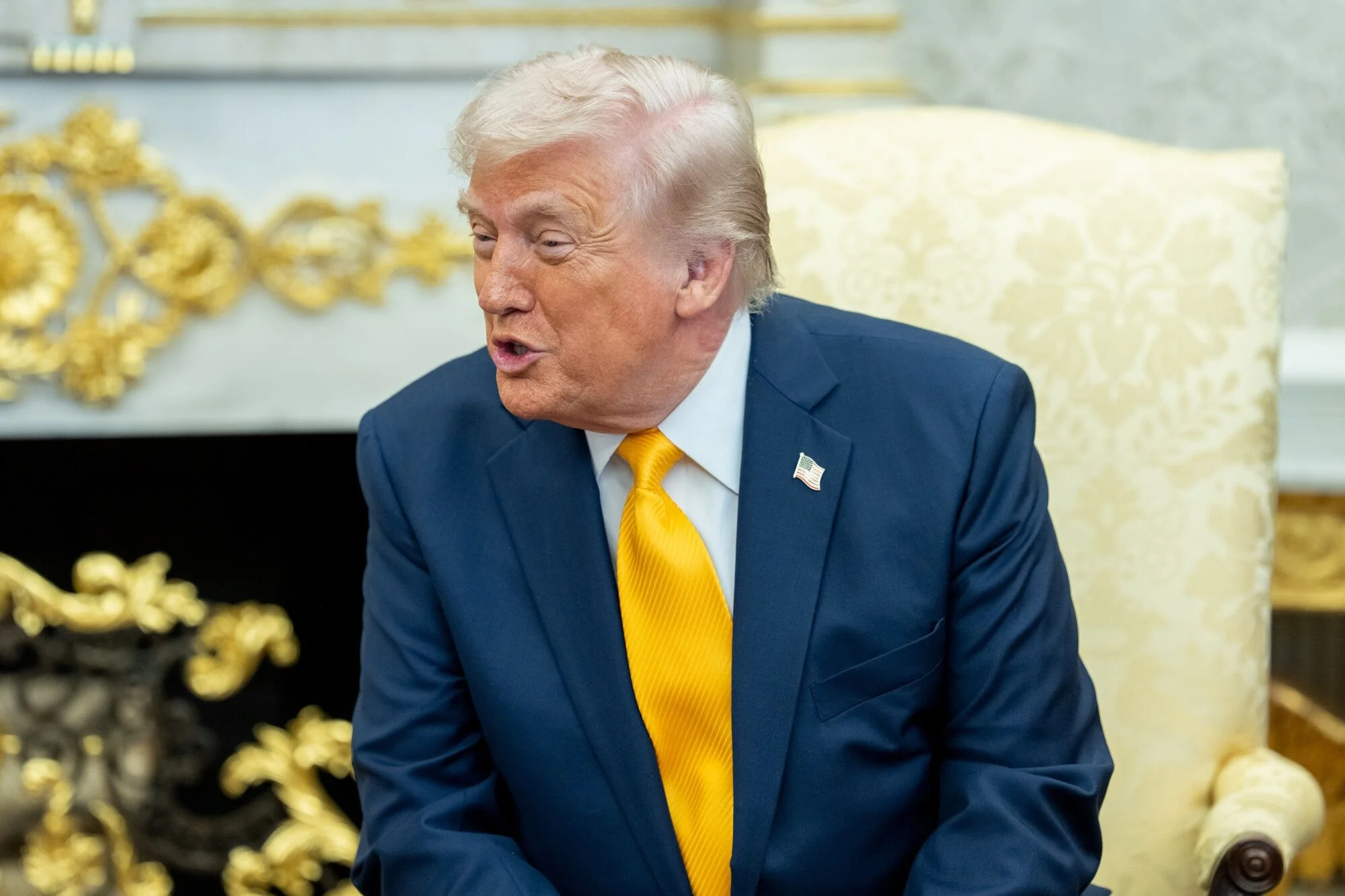
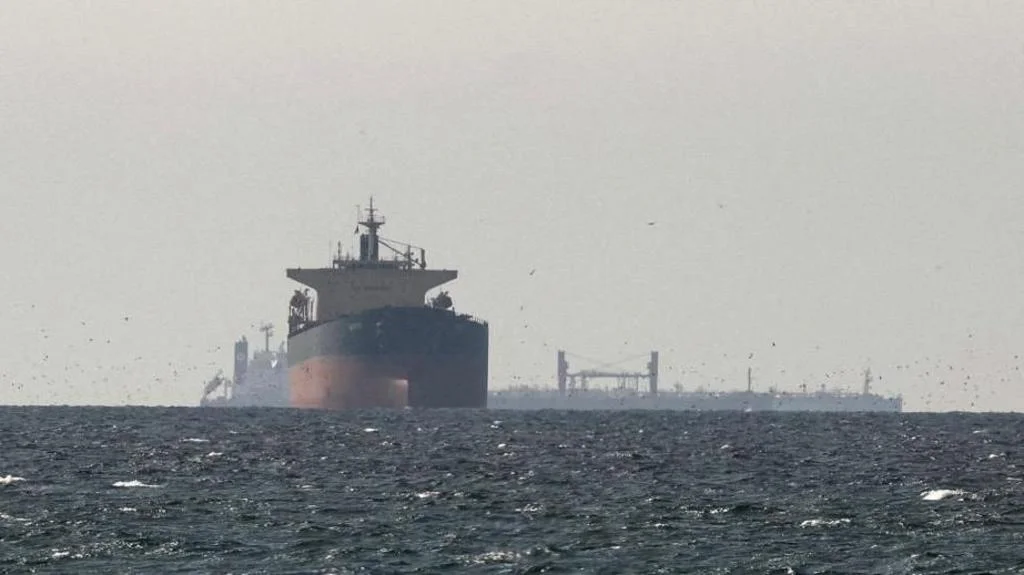
In a surprising development that could signal a significant shift in global geopolitical strategy, former President Donald Trump has indicated a potential winding down of the conflict in the Middle East. This statement comes amidst a rapidly escalating crisis characterized by intensified Iranian aggression, targeted missile strikes, and thinly veiled threats against the United States and its allies. Just hours after Iran reportedly fired ballistic missiles towards a joint US-UK military base in the Indian Ocean and threatened the United Arab Emirates, Trump suggested that the Strait of Hormuz, a critical global shipping lane, should be secured by its users, not solely by the US. This declaration, coupled with the US Treasury's controversial decision to temporarily lift some sanctions on Iranian oil to stabilize surging energy prices, paints a complex picture of a region teetering on the brink, even as major powers appear to be recalculating their involvement. The unfolding events underscore the volatile nature of the conflict and the profound impact it continues to have on international relations and global markets, from the skies over Beirut to the pump prices faced by American consumers.
Background and Context
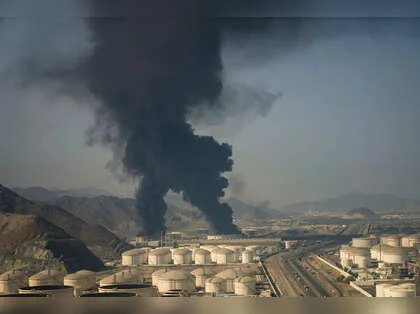
The current state of heightened tensions in the Middle East is a culmination of years of geopolitical friction, sanctions, and proxy conflicts, fundamentally rooted in the enduring rivalry between Iran and its regional adversaries, particularly Israel and Saudi Arabia, alongside the significant involvement of the United States. Iran’s nuclear ambitions, its support for various non-state actors, and direct threats to maritime security in vital chokepoints like the Strait of Hormuz have consistently fueled instability. The US, under both Republican and Democratic administrations, has maintained a robust military presence in the region, often acting as a guarantor of security and a bulwark against Iranian expansionism. Previous administrations imposed stringent sanctions on Iran, targeting its oil exports and financial sector, aiming to curb its destabilizing activities. However, as documented by The Times, Iran has recently intensified its attacks on energy infrastructure across the Gulf, directly impacting global energy markets and elevating the stakes in an already perilous conflict. This escalation comes after a period where the US and Israel reportedly conducted joint drone strikes which eliminated key Iranian leadership, including former Supreme Leader Ayatollah Ali Khamenei, a move that prompted severe retaliatory threats from Tehran, as reported by WCIV.
Key Developments and Escalation
The past 24 hours have seen a rapid succession of critical developments shaping the Middle East conflict. According to The Times, Iran reportedly fired two ballistic missiles at Diego Garcia, a joint US-UK military base located approximately 2,500 miles from Iran. While neither missile hit the base, according to US officials cited by The Wall Street Journal, this act signifies a "significant increase in the capabilities of Iranian weaponry," far exceeding previous stated missile ranges. This comes after Britain assented to the US using RAF Fairford and Diego Garcia for raids on Iranian missile sites targeting ships in the Strait of Hormuz, an act British officials describe as "collective self-defence." Meanwhile, Iran also threatened to strike the United Arab Emirates, specifically the city of Ras Al Khaimah, in an escalating dispute over contested islands. The same report noted Saudi Arabia’s defense ministry shot down 20 drones in its eastern region, which is home to major oil infrastructure, highlighting the widespread nature of the attacks. Concurrently, Israel announced further attacks on Hezbollah targets in Beirut, issuing evacuation orders for southern suburbs of the Lebanese capital.
Amidst this military escalation, the economic ramifications are already stark. United Airlines announced a five percent cut in scheduled flights due to soaring jet fuel costs, directly attributing this to the Middle East conflict's impact on energy prices. In an effort to mitigate these rising costs, the US Treasury Department, as reported by The Times, temporarily lifted sanctions on some Iranian oil. Treasury Secretary Scott Bessent clarified this was a "narrowly tailored, short-term authorisation" to release approximately 140 million barrels of Iranian oil already in transit, to "keep the price down" and relieve temporary supply pressures. This move, however, drew criticism, with Iran’s Foreign Minister Abbas Araghchi stating that British leader Sir Keir Starmer's support for US operations endangered British lives, arguing that the "vast majority of the British people do not want any part" in the war. Further compounding the uncertainty, Iranian Brigadier General Abolfazl Shekarchi issued a chilling warning, claiming that "even parks, recreational areas and tourist destinations anywhere in the world will no longer be safe" for US and Israeli officials following strikes that eliminated Iran’s former Supreme Leader, as WCIV reported.
Analysis: What This Means
The confluence of military escalation, economic measures, and highly charged rhetoric presents a perilous moment for global stability. Trump’s consideration of "winding down" the war and shifting the responsibility for securing the Strait of Hormuz to its users suggests a potential fatigue with protracted US involvement in the region, a stance that resonates with his 'America First' policy. Such a move, if fully implemented, could fundamentally alter the US’s long-standing role as the primary guarantor of maritime security in the Persian Gulf, potentially creating a vacuum or compelling regional powers to assume greater responsibility for their own defense. This shift could have profound implications for global trade, given that a significant portion of the world's oil transits through the Strait of Hormuz. While the temporary lifting of Iranian oil sanctions offers a short-term palliative for soaring energy prices, it also signals a pragmatic, albeit controversial, recognition of Iran's leverage in the global oil market, even amidst military confrontation. This duality – military pressure combined with economic concessions – highlights the complex, often contradictory, nature of international diplomacy in times of crisis.
Moreover, the Iranian regime's explicit threats against US and Israeli officials globally, even targeting "parks, recreational areas and tourist destinations," as reported by WCIV, represents an alarming expansion of their perceived battleground. This rhetoric, coupled with the proven increased range of their missile capabilities demonstrated by the Diego Garcia incident, suggests a willingness to project power and retaliate far beyond traditional conflict zones. This poses a significant immediate threat to diplomatic and security personnel, but also raises broader concerns about potential acts of terrorism or targeted violence against Western interests worldwide. For the international community, particularly nations with strong economic ties to the Middle East, these developments translate into increased volatility, higher insurance costs for shipping, and pressure to diversify energy sources. The decision by the US to release oil from its strategic reserve, as mentioned by The Times, underscores the severity of the economic fallout and the urgent need to stabilize global energy markets, regardless of the political implications.
Additional Details
Further details from the unfolding crisis underscore the multi-faceted nature of the conflict. The US Department of Energy's announcement to release 42.5 million barrels of oil from its strategic reserve is a significant measure intended to curb fuel price inflation, a direct economic consequence of the Middle East disruption. This action complements the Treasury Department's decision to temporarily lift certain sanctions on Iranian oil, which is designed to quickly bring approximately 140 million barrels of currently stranded oil to global markets. Treasury Secretary Scott Bessent emphasized that this authorization is strictly for oil already in transit and "does not allow new purchases or production," highlighting the administration's attempt to balance market stability with ongoing pressure on Iran, as detailed in The Times. The previous sanctions, which blocked the sale or offloading of Iranian crude and petroleum products under various regulations, were temporarily suspended until April 19th.
The reported missile attack on Diego Garcia, a remote island in the Indian Ocean, is particularly concerning due to the advanced capabilities it demonstrates. Iran’s previous stated missile range was around 1,200 miles, making the 2,500-mile distance to Diego Garcia a significant increase, exceeding even conservative estimates by Israeli intelligence. The Wall Street Journal's report, relayed by The Times, notes that one missile failed in flight and the other was intercepted by an SM-3, indicating that while Iranian offensive capabilities are growing, defensive measures are also proving effective. The direct threat to the UAE, especially the city of Ras Al Khaimah, over seemingly peripheral territorial disputes signals Iran's readiness to open new fronts in the conflict and potentially draw more regional actors into direct confrontation. Domestically, the Iranian Foreign Minister's condemnation of Keir Starmer's support for US operations highlights the internal political ramifications of these international decisions, suggesting that public opinion in some allied nations remains wary of deeper involvement in the Middle East conflict.
Looking Ahead
The coming weeks will be critical in determining the trajectory of the Middle East conflict. All eyes will be on whether Trump’s hinted “winding down” translates into concrete policy shifts, potentially leading to a reduced US military footprint in the region and a redistribution of security responsibilities. The temporary lifting of Iranian oil sanctions expires on April 19th, and the decision on whether to extend or fully reinstate them will directly influence global energy prices and Iran's economic leverage. Meanwhile, the region faces the immediate threat of further escalation, particularly if Iran continues its missile attacks or expands its targets. The ongoing Israeli operations against Hezbollah in Lebanon indicate a likely sustained period of conflict there. Furthermore, the global implications of Iran's threats against US and Israeli officials abroad necessitate increased security measures and intelligence sharing among allies. The unpredictable nature of the current leadership in Tehran, following the reported elimination of former Supreme Leader Khamenei, adds another layer of uncertainty, as the new leadership seeks to assert its power. Monitoring shipping routes through the Strait of Hormuz will remain paramount, as any further disruption could send shockwaves through the global economy.