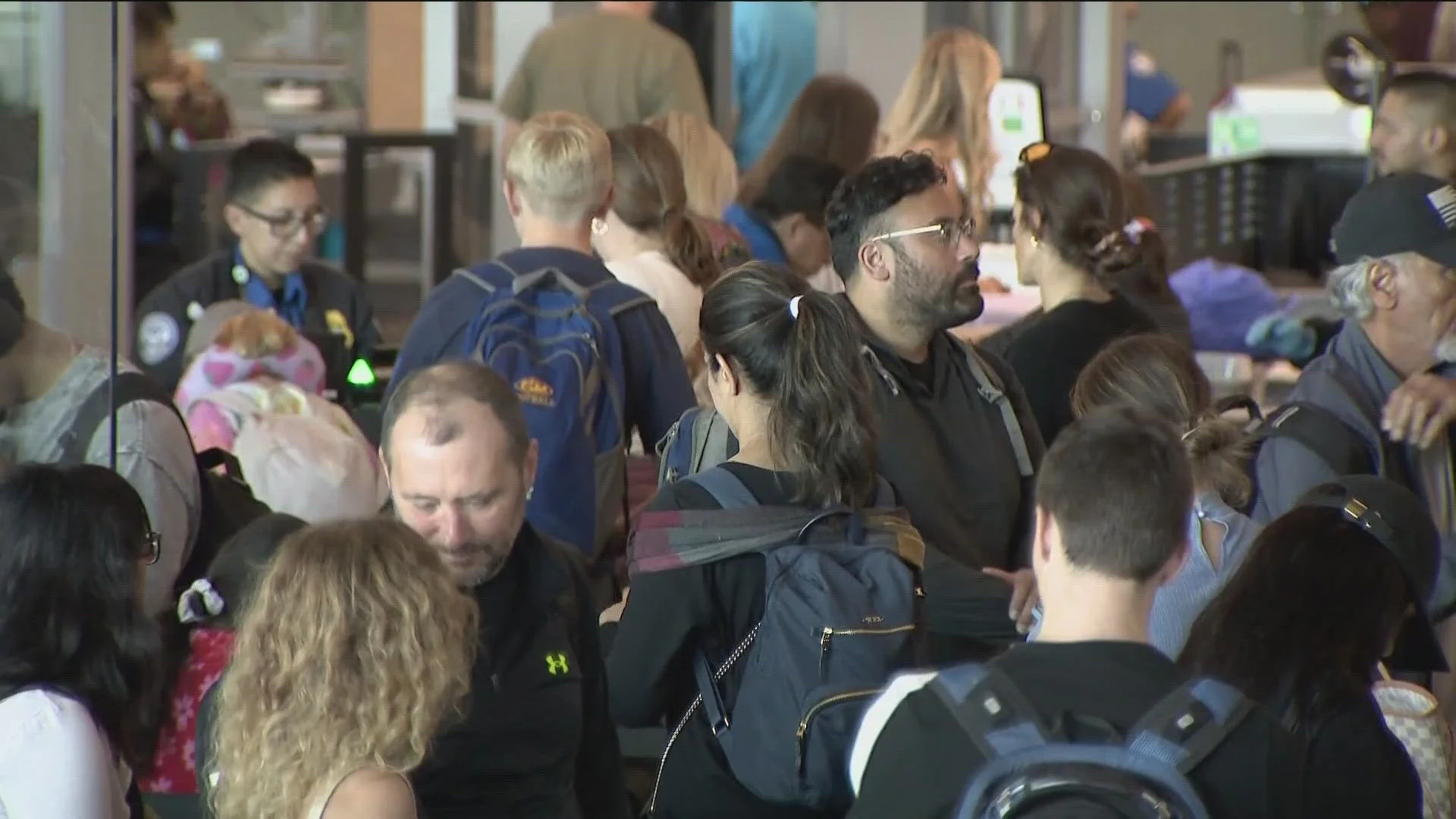
Travelers planning to depart from San Diego International Airport (SAN) this Sunday are facing significant uncertainty and are strongly urged to verify their flight statuses and adjust their arrival times accordingly. An ongoing partial federal government shutdown is creating ripple effects across critical airport operations, potentially leading to extended security checkpoint wait times and unexpected scheduling alterations. Airport officials emphasize that agencies like the Transportation Security Administration (TSA) and the Federal Aviation Administration (FAA), both integral to daily airport functionality, are feeling the strain of federal funding issues. These disruptions directly impact passenger screening and air traffic control, vital components of a smooth travel experience. Nicole Hall, Public Information Officer for San Diego International Airport, advised passengers to arrive at least two hours before their scheduled departure, a recommendation underscored by the fluid nature of the current situation. While safety remains the paramount concern, the immediate impact on traveler convenience and efficiency is undeniable, prompting airport authorities to proactively inform the public.
Background and Context of Federal Shutdown Impacts
The current advisory from San Diego International Airport is not an isolated incident but rather a recurring challenge airports face during periods of federal government shutdowns. Historically, partial or full government closures have brought unique operational dilemmas to the nation's transportation infrastructure. Critical federal agencies responsible for aviation, such as the TSA and FAA, operate with a mix of essential personnel who are required to work without pay, and non-essential staff who are furloughed. This skeletal staffing can inevitably lead to reduced throughput at security checkpoints, as seen with wait times experienced on Sunday, according to NBC 7 San Diego. Beyond security, air traffic control, managed by the FAA, relies on a highly trained workforce that can also be affected, though typically considered essential. Even with essential staff on duty, the psychological and financial strain on these employees can subtly, yet significantly, affect morale and potentially, operational efficiency. Previous shutdowns have taught airports and airlines valuable, albeit difficult, lessons about the fragility of their operations when federal partners are under duress, leading to proactive advisories like the one currently issued.
Key Developments Affecting San Diego Travelers
The primary concern for travelers at San Diego International Airport stems directly from the operational challenges posed by the ongoing partial federal government shutdown. Nicole Hall, the airport's Public Information Officer, has been explicit in her guidance, urging all departing passengers on Sunday to “plan to arrive at least two hours before their scheduled departure and verify flight details before heading to the airport,” as reported by NBC 7 San Diego. This proactive warning is a direct response to the anticipated impact on critical federal services operating within the airport environment. Specifically, the Transportation Security Administration (TSA), responsible for passenger screening, and the Federal Aviation Administration (FAA), which manages air traffic control, are agencies whose "operations are, at times, affected by the federal government shutdown," Hall stated. Long wait times at TSA security lines were observed throughout Sunday, directly illustrating these impacts. Any disruptions to these federal services can culminate in longer queues, potential flight delays, and even cancellations, creating a ripple effect that touches every aspect of the air travel experience. The core message from airport officials is clear: while they are committed to providing a safe and efficient experience, travelers must take personal responsibility for preparedness in these uncertain times. This situation highlights the intricate dependencies within the aviation sector, where the seamless functioning of federal agencies is paramount to routine operations.
Analysis: The Broader Implications of Federal Funding Disruptions
The situation at San Diego International Airport, while specific to a local hub, serves as a stark reminder of the profound and far-reaching implications of federal government shutdowns on national infrastructure and public services. Beyond the immediate inconvenience to travelers, these funding impasses expose critical vulnerabilities in an interconnected system. When agencies like the TSA and FAA face operational constraints due to federal funding issues, it's not merely a matter of delayed flights; it directly impacts economic activity, supply chains, and public confidence in essential government functions. For instance, air traffic controllers, often deemed essential personnel, typically continue to work without pay during a shutdown. While they perform their duties diligently, the psychological stress of working without a guaranteed paycheck can lead to fatigue and morale issues, which, in a high-stakes environment like air traffic control, could potentially compromise safety, despite the best efforts of dedicated individuals. The ripple effect extends to airlines, which must adjust schedules, re-route flights, and manage frustrated customers, incurring significant financial losses that are eventually passed on to consumers. Furthermore, the diminished public image of governmental efficacy during these shutdowns can erode trust, making future policy implementations or collaborations more challenging. This recurring cycle of disruption ultimately underscores the urgent need for stable, predictable federal budgeting to protect vital services that underpin daily life and economic stability.
Additional Details on Airport Preparedness and Challenges
Despite the inherent challenges posed by a federal government shutdown, airport officials at San Diego International Airport are emphasizing their commitment to maintaining safety as the utmost priority. Nicole Hall acknowledged the ongoing dedication of the federal partners, stating, "We appreciate the ongoing commitment from TSA, FAA and our partner airlines to maintain the safety and reliability of the national transportation system during this challenging time," as reported by NBC 7 San Diego. This commitment highlights the extensive contingency planning that airports and their federal counterparts undertake, even in the absence of full funding. However, planning can only mitigate, not eliminate, the impacts. The fluidity of the situation means that conditions at security checkpoints and gate areas can change rapidly, necessitating continuous communication between airport management, airlines, and federal agencies. While local airport staff, who are not federally funded, continue their regular duties, their efficiency can be hampered if federal operations slow down. For instance, gate assignments or baggage handling can become more complex if flights are significantly delayed or diverted due to air traffic control limitations elsewhere. The airport's focus, despite these external pressures, remains on providing the best possible experience under difficult circumstances, underscoring the resilience and adaptability required in large-scale transportation hubs.
Looking Ahead: What Travelers Can Expect
As the partial federal government shutdown continues, the operational landscape at San Diego International Airport, and likely other airports nationwide, will remain highly dynamic. Travelers scheduled to fly in the coming days and weeks should internalize the advice from airport officials regarding early arrival and constant flight status checks. The unpredictability of which federal services might be further impacted, and to what extent, makes proactive information gathering crucial. It is not uncommon for federal shutdowns to extend, and if this occurs, the cumulative effect on exhausted, unpaid essential workers could eventually lead to more pronounced service degradations, even if unintended. Passengers should also consider signing up for flight status alerts directly from their airlines and the airport. While the immediate focus is on security checkpoints and air traffic control, prolonged disruptions could also affect other federally regulated services, such as customs and immigration for international travelers, or even maintenance and certification processes for aircraft. The situation at San Diego International Airport serves as an ongoing barometer for the broader national impact of the shutdown on air travel, and continued vigilance and flexibility from passengers will be essential.

Editorial Team
The Vyraa Newsroom is the staff byline of Vyraa, an independent local news outlet covering Bremerton, Kitsap County, and Washington State, published by Nyza Creations LLC. Stories under this byline are researched and written by the Vyraa editorial team from local and regional out…

