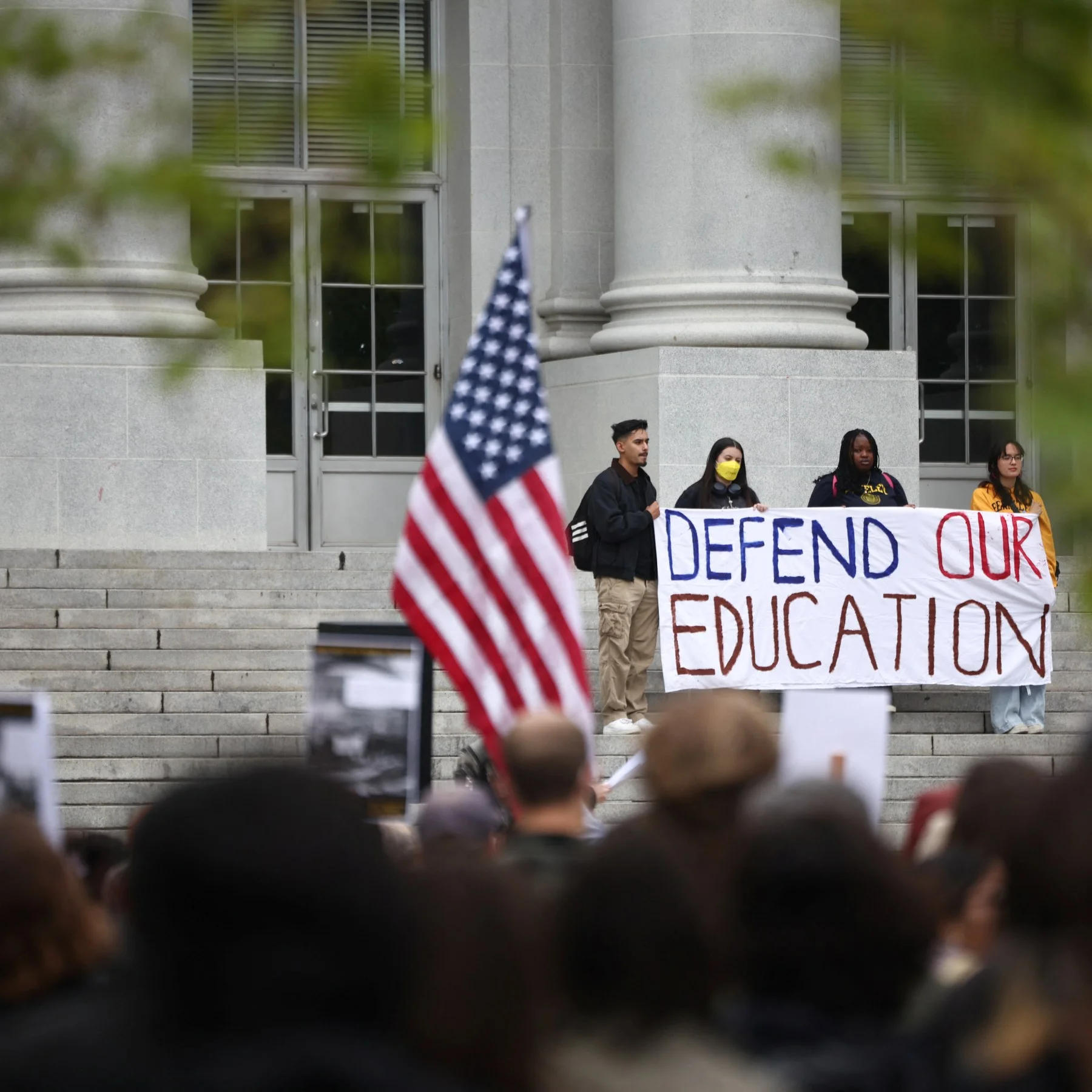
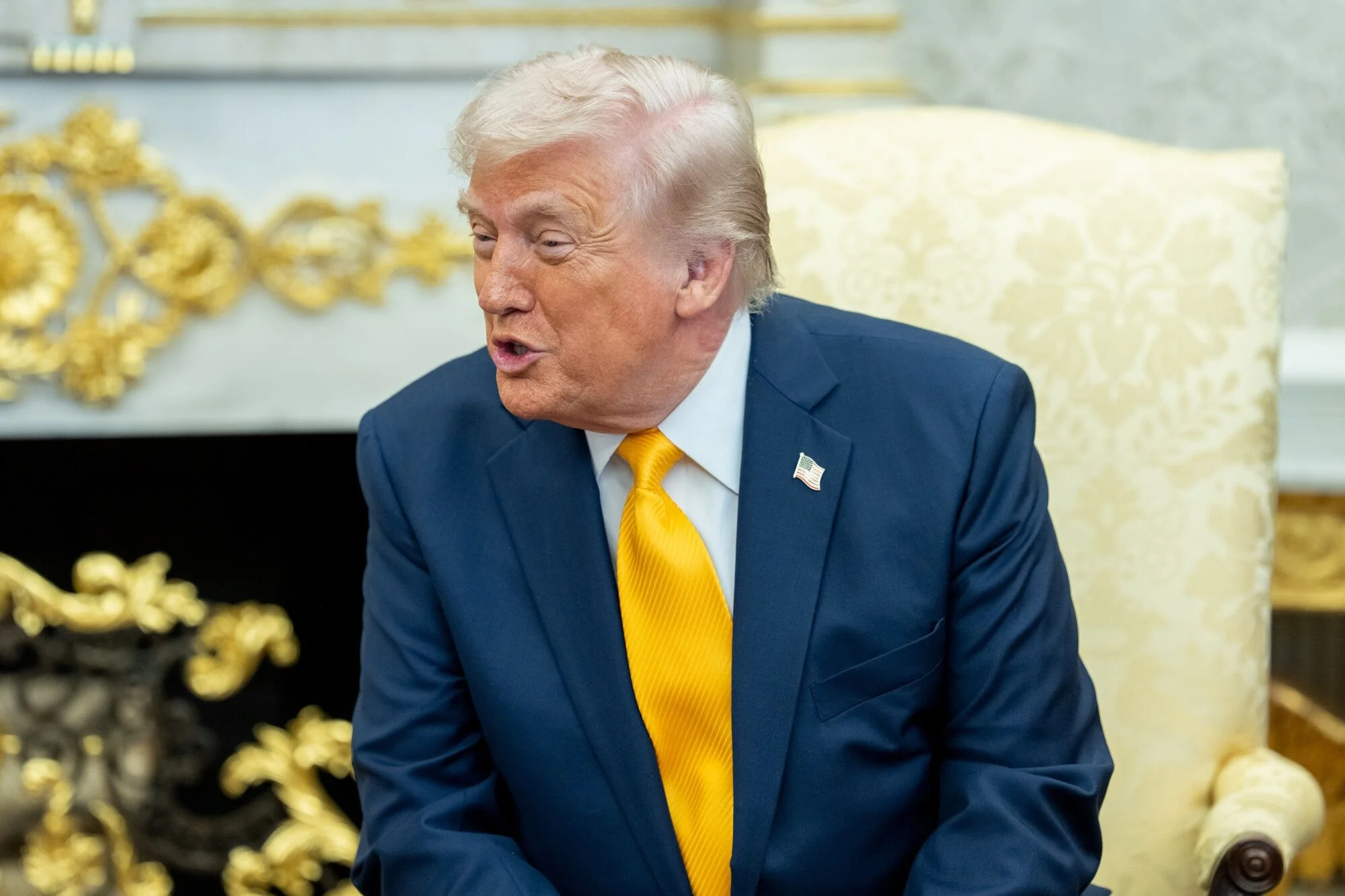
President Donald Trump has escalated his long-running battle with higher education into an "all-out war" in his second term, using the full weight of the federal government to reshape universities according to his conservative agenda. This comprehensive crackdown involves a multi-pronged strategy encompassing severe funding threats, direct lawsuits against institutions, the revocation of international student visas, and aggressive efforts to dismantle diversity, equity, and inclusion (DEI) initiatives. Trump has framed these actions as necessary to combat what he calls the "woke" agenda and progressive indoctrination infesting campuses, leveraging accusations of antisemitism and calls for law and order to broaden his scrutiny of academic institutions and their operations. The conflict, as detailed by U.S. News & World Report, signals an unprecedented federal intervention into university autonomy, curriculum, and admissions practices, with prominent institutions like Harvard and Columbia finding themselves in the crosshairs.
The Evolving Battlefield: A History of Skepticism
The Republican Party's skepticism of higher education is not a recent phenomenon, but rather a deepening ideological divide rooted in concerns over perceived progressive biases and a growing disconnect with traditional American values. For years, conservative critics have accused universities of becoming bastions of liberal thought, fostering environments where dissenting viewpoints are stifled, and "radical" ideologies are promoted. This simmering tension reached a boiling point during Trump’s first term and has since been amplified, with the President himself claiming college campuses are "infested with radicalism like never before." This sentiment forms the bedrock of his administration's current offensive, which seeks to reverse what it views as an overreach of progressive policies, particularly those related to diversity, equity, and inclusion. The administration’s focus on these areas, often framed as unfairly benefiting certain groups, positions Trump as a champion for those who believe higher education has strayed too far to the left. The battleground now extends beyond ideological debate to concrete policy changes and financial leveraging, demonstrating a strategic effort to reclaim influence over the academic landscape.
Key Developments in Trump's Higher Education Crusade
In his second term, President Trump has wasted no time in implementing a robust and often aggressive agenda aimed at reforming higher education. A central pillar of this strategy involves leveraging federal funding as a potent weapon. The administration has initiated lawsuits and cut or threatened to cut billions of dollars in funding across various federal agencies, including the National Institutes of Health, the Department of Defense, and NASA, to compel universities to align with its policy directives. These directives span a wide array of issues, from DEI policies and LGBTQ+ rights to immigration and academic curricula, as meticulously documented by U.S. News & World Report.
One of the most significant actions detailed by the report occurred in March 2025, when the Trump administration dispatched letters to 60 leading universities, warning of "potential enforcement actions" for alleged violations of Title VI related to antisemitic discrimination and harassment. This move was followed by the empowerment of a Joint Task Force to Combat Antisemitism. Just weeks later, in a highly publicized move, the White House cut $400 million in funding to Columbia University, a focal point for pro-Palestinian demonstrations. This decisive action was accompanied by demands for significant policy changes regarding student protests, disciplinary actions, and a reorganization of the university’s Middle East studies department. Columbia eventually reached a $200 million settlement with the administration, leading to the reinstatement of a substantial portion of its federal grants. Similarly, Harvard University saw $2.2 billion in grants frozen in April 2025, after it refused administration demands to reform hiring and admissions, restructure governance, and end DEI programs. While a federal judge later ruled against the administration, calling its actions a "targeted, ideologically-motivated assault," the dispute highlights the administration's willingness to engage in high-stakes financial confrontations.
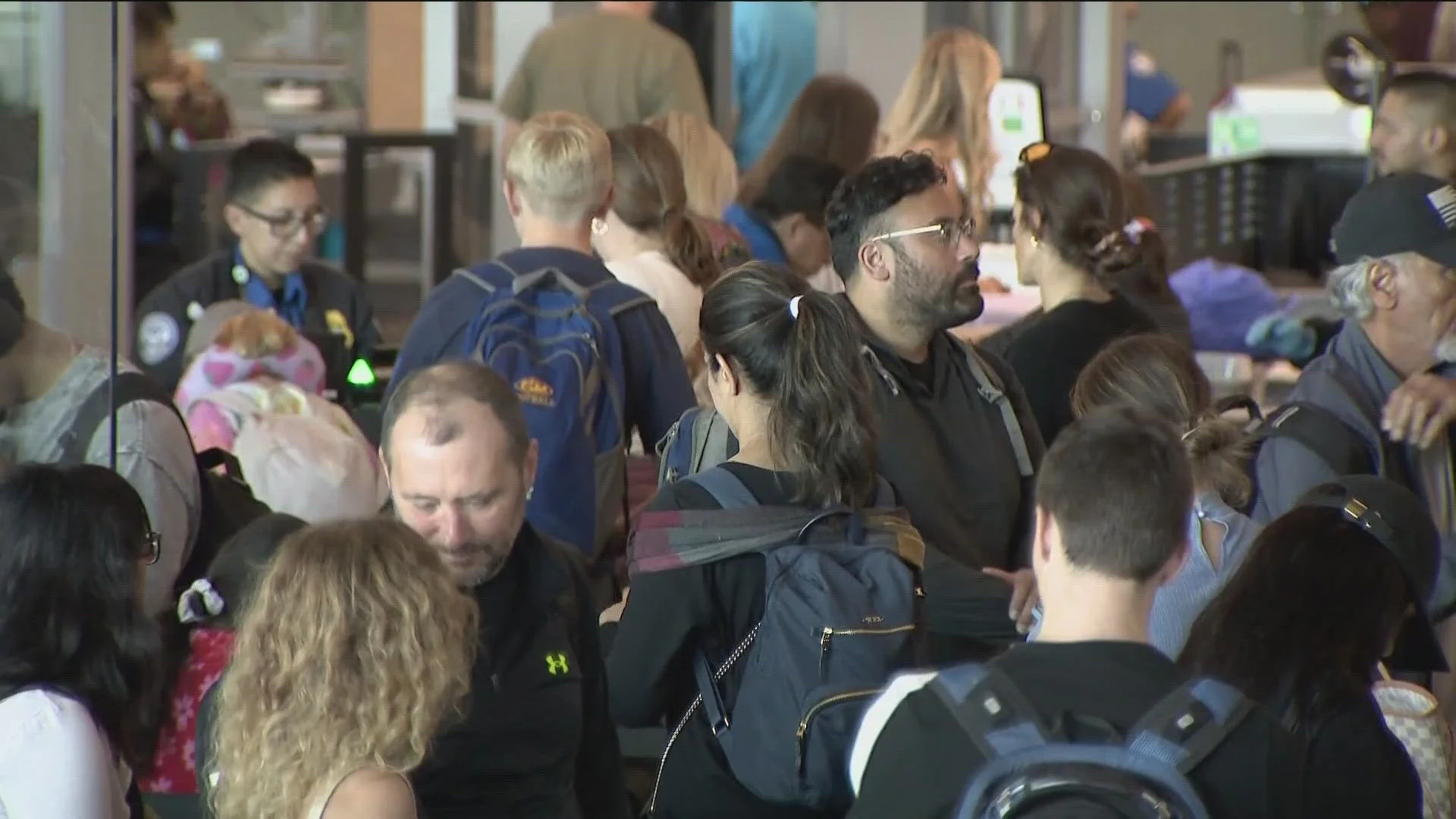
Beyond direct university interventions, the administration has also taken steps that indirectly impact academic institutions. The deployment of ICE agents to airports in places like Southwest Florida International Airport (RSW) and Pittsburgh International Airport, as reported by Gulf Coast News and Weather and WTAE, respectively, ostensibly to assist with TSA duties during a government shutdown, raises concerns among university officials about the broader implications for international students. While not directly tied to higher education policy, the increased visibility and potential for ICE scrutiny at points of entry could further deter foreign students, an existing concern given the administration's policy of revoking international student visas for institutions deemed non-compliant with federal mandates. These actions collectively demonstrate a far-reaching strategy to assert federal control and influence over various facets of the higher education landscape.
Analysis: The Chilling Effect on Academic Freedom
The Trump administration's aggressive posture against higher education transcends mere policy disputes; it represents a significant ideological battle with profound implications for academic freedom, institutional autonomy, and the very definition of a public university. The direct threats to funding, combined with legal challenges and demands for curriculum and governance reform, create a chilling effect across institutions. Universities, reliant on federal grants for research, student aid, and various programs, are placed in an untenable position: either comply with politically motivated directives or face severe financial penalties. This coercive power undermines the traditional role of universities as independent centers of intellectual inquiry and open discourse, instead positioning them as extensions of federal policy.
Furthermore, the weaponization of civil rights laws, particularly Title VI, under the guise of combating antisemitism, to challenge DEI initiatives and immigration policies, redefines the purpose and application of these protections. Originally designed to safeguard historically disadvantaged populations, these laws are now being co-opted to roll back those very safeguards, as noted by U.S. News & World Report. This reframing not only creates legal ambiguity but also fosters an environment of fear and uncertainty among marginalized student populations and the faculty and staff who support them. The deployment of ICE agents at airports, even if initially framed as addressing TSA shortages, contributes to a broader atmosphere of increased surveillance and concern for international students, who are critical to the diversity and financial health of American universities. The cumulative effect is a systemic pressure that could fundamentally alter the landscape of higher education, prioritizing political alignment over academic integrity and inclusivity.
Additional Facets of the Administration's Offensive
Beyond the high-profile funding battles, the Trump administration’s higher education agenda involves several other significant policy shifts. One key area is the proposed dismantling of the Education Department, a long-held conservative ambition that would drastically alter the federal government’s role in education funding and oversight. While the specific mechanism for this is not fully detailed, such a move would likely decentralize control and further empower states, potentially leading to a patchwork of regulations and funding models across the country.
Another major point of focus is the revocation of international student visas. This policy, often tied to a university’s compliance with federal directives or broader immigration crackdowns, serves as a powerful deterrent. International students contribute significantly to university budgets through tuition and bring invaluable global perspectives. Restricting their access not only hurts universities financially but also diminishes the intellectual diversity and global competitiveness of American higher education. The administration is also actively working to cancel what it deems 'woke' spending and crack down on DEI policies and programs, arguing they unfairly benefit some students over others. This includes reviewing federal grants and contracts for any components related to DEI initiatives, with the implicit threat of withdrawal for non-compliance. These actions are often justified by invoking the credo of "law and order" and accusing universities of fostering radicalism, as highlighted by U.S. News & World Report. Other targeted areas include scrutinizing foreign funds received by universities, enacting accreditation reform to influence academic standards, and barring transgender athletes from women’s sports, reflecting a broader cultural conservative agenda impacting all levels of education.
Looking Ahead: An Uncertain Future for Academia
The trajectory of Trump's initiatives suggests a sustained and intensified push to reshape higher education throughout his second term. Universities will likely face continued pressure to conform to federal mandates, particularly concerning DEI policies, free speech on campus, and international student admissions. The ongoing legal challenges, such as the one initiated by Harvard, will be crucial in defining the boundaries of federal intervention versus institutional autonomy. Furthermore, the politicization of federal funding will likely force university administrators to make difficult choices, balancing financial stability with academic independence and their commitment to diverse and inclusive learning environments. What remains clear is that the relationship between the federal government and higher education in the U.S. is undergoing a fundamental transformation, with lasting implications for students, faculty, and the future of American intellectual leadership.