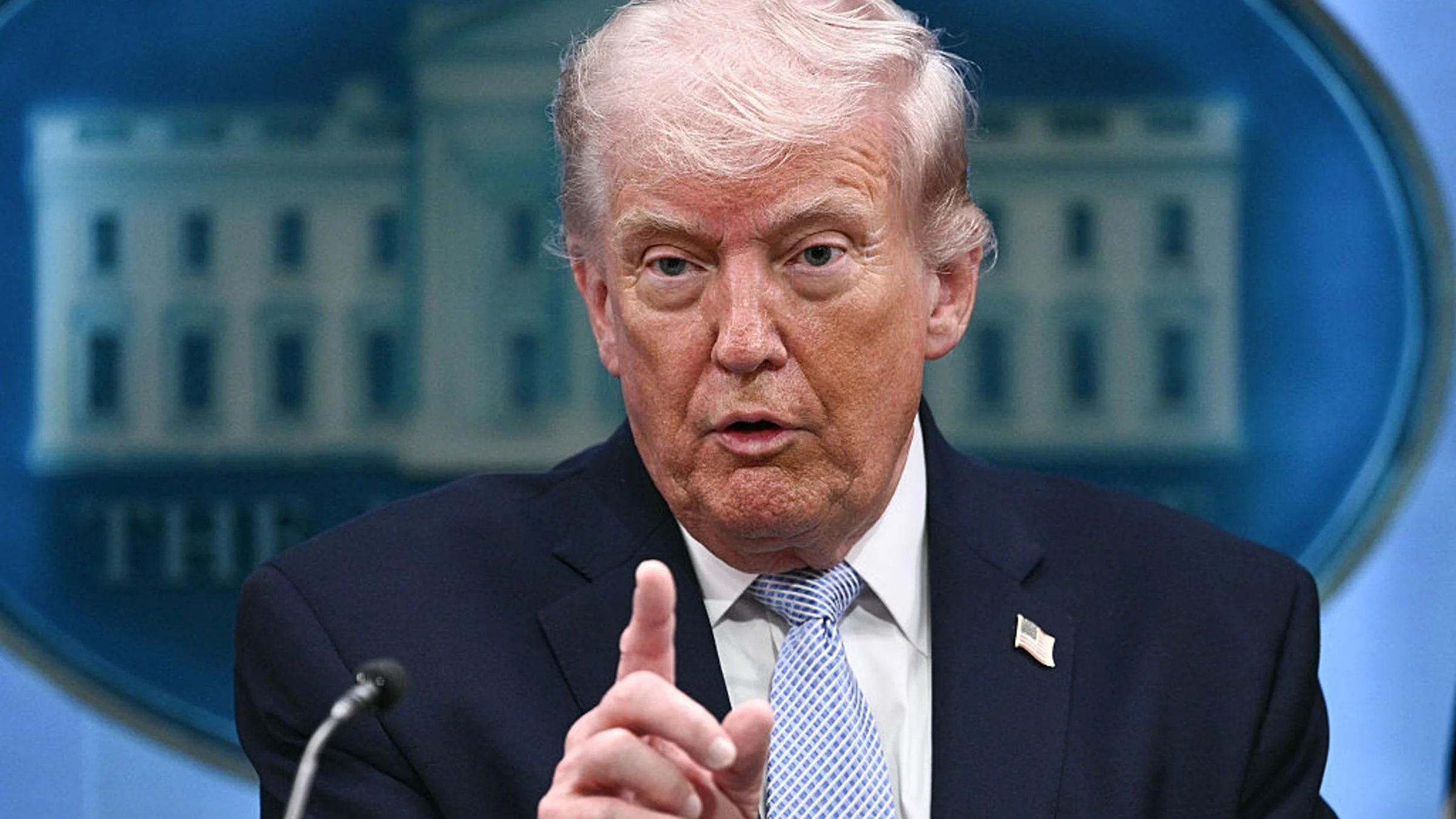
President Trump accuses Iran of ceasefire violations in the Strait of Hormuz, threatening infrastructure strikes if a deal isn't reached, as negotiations falter and Iran maintains its blockade.
President Donald Trump has ignited a fresh wave of international concern, accusing Iran of "A Total Violation of our Ceasefire Agreement!" following alleged attacks on commercial ships in the Strait of Hormuz. The fiery rhetoric, delivered via his Truth Social platform on Sunday, signals a dramatic escalation in an already fraught diplomatic landscape, characterized by conflicting reports on progress in peace talks and Iran's re-imposition of an effective blockade on the critical maritime chokepoint. Amid these accusations, Trump reiterated stark warnings, vowing to "knock out every single Power Plant, and every single Bridge, in Iran" if a "very fair and reasonable DEAL" is not accepted, declaring, “NO MORE MR. NICE GUY!"
The current standoff is the latest chapter in a long and often turbulent relationship between the United States and Iran, punctuated by periods of direct and proxy conflict, sanctions, and attempts at diplomacy. The Strait of Hormuz, through which roughly a fifth of the world's oil and a significant portion of its liquefied natural gas traverses, has historically been a flashpoint. Its strategic importance means any disruption there sends ripples through global energy markets and international security. This recent escalation follows a two-week ceasefire agreement, which itself was a fragile attempt to de-escalate a war involving Israel and Iran's ally Hezbollah, as reported by NDTV. The current U.S. naval blockade on Iranian ports, which Iran views as a direct breach of the ceasefire, has been a key catalyst for Tehran's recent actions, leading to the decision to close the strait again just one day after declaring it "completely open" under the initial truce, according to NBC News. The deep-seated mistrust between the two nations, rooted in decades of political and ideological differences, continues to undermine efforts toward a lasting peace, with Iranian officials repeatedly emphasizing their complete distrust of U.S. negotiators.
The past 48 hours have been a whirlwind of contradictory statements and concerning maritime incidents. President Trump explicitly accused Iran of firing bullets at a French ship and a UK freighter in the Strait of Hormuz, without immediately providing independent corroboration for these specific incidents. However, maritime authorities did report gunfire and a projectile strike involving Indian vessels on Saturday, and Iranian state media confirmed that shots were fired near these ships to compel them to turn back. Further escalating the situation, Iran's semiofficial Tasnim news agency reported that two more tankers, sailing under the flags of Botswana and Angola, were forced to turn back by Iranian forces on Sunday. The Islamic Revolutionary Guard Corps (IRGC) has issued stern warnings, declaring that any vessel attempting to cross the strait would be considered "cooperation with the enemy" and would be targeted. These actions are Iran's response to what it perceives as the U.S.'s continued violation of the ceasefire through its naval blockade of Iranian ports. Iran's Parliament Speaker, Mohammad Bagher Ghalibaf, confirmed the strait's closure, stating it would remain so if the "naval blockade against us continues," and warned that "If the ceasefire is not implemented, we will not continue negotiations, and we will start the war."
Despite this alarming rhetoric and military posturing, diplomatic efforts appear to be faltering. While President Trump announced that Vice President JD Vance, special envoy Steve Witkoff, and Jared Kushner were expected to travel to Islamabad, Pakistan, for renewed negotiations, Iranian officials have swiftly denied these reports. Iran’s state-run IRNA news agency stated there was "no clear prospect" for talks under current conditions, citing "excessive U.S. demands, shifting positions and the continued naval blockade" as impediments. This stark contradiction highlights the deep chasm in understanding and trust between the two sides. President Trump, meanwhile, has publicly downplayed the impact of Iran's strait closure, asserting that the existing U.S. blockade has already achieved a similar effect, and surprisingly suggesting Iran is "helping us without knowing, and they are the ones that lose with the closed passage, $500 Million Dollars a day! The United States loses nothing," as reported by NDTV. This complex interplay of military actions, diplomatic setbacks, and public statements from both sides paints a picture of extreme volatility, with the two-week ceasefire set to expire on Wednesday, creating an urgent deadline for de-escalation or further confrontation.
The current situation in the Strait of Hormuz represents a dangerous game of brinkmanship, with both the U.S. and Iran testing each other's resolve and red lines. Trump's "NO MORE MR. NICE GUY!" declaration and explicit threats against Iranian infrastructure are not just rhetorical flourishes; they reflect a deeply ingrained belief within his administration that only overwhelming force or the credible threat of it can compel Iran to negotiate on American terms. This approach is consistent with a broader strategy of "maximum pressure" that has characterized U.S. policy towards Iran. However, it also carries immense risks. Such threats, particularly those targeting civilian infrastructure like power plants and bridges, could be perceived by Iran not as a call to negotiation, but as a deliberate act of war, potentially triggering an even more destructive and widespread conflict. The mixed messaging from Iran – initially opening the strait, then closing it, and conflicting reports on negotiations – could be, as U.N. Ambassador Mike Waltz suggested, an indication of "real confusion on the Iranians’ part" or "discord within their ranks," as cited in NBC News. This internal dynamic makes predicting Iran's next move even more challenging and further complicates diplomatic pathways.
For global stakeholders, particularly energy markets, the implications are severe. The Strait of Hormuz is not merely a shipping lane; it is an artery of the global economy. Any sustained closure or significant disruption would send oil and gas prices soaring, cripple supply chains, and potentially tip an already fragile global economy into recession. While President Trump suggests the U.S. "loses nothing" from the strait's closure, this perspective overlooks the interconnected nature of global commerce and the secondary effects on allies and trading partners. The joint neutral mission announced by France and the UK to provide reassurance to merchant vessels underscores Europe's acute awareness of these vulnerabilities and its urgent desire to de-escalate the situation and prevent a full-blown crisis. The ongoing naval blockade by the U.S., which Iran cites as its primary justification for its actions, creates a self-perpetuating cycle of escalation. Breaking this cycle requires a critical reassessment of both sides' tactics and a genuine commitment to de-escalation that moves beyond threats and toward tangible, verifiable steps to reduce tensions.
The international community is watching the Strait of Hormuz with increasing alarm. Following a summit of 51 countries co-chaired by France and the U.K. on Friday, French President Emmanuel Macron and British Prime Minister Keir Starmer issued a joint call for the "unconditional, unrestricted, and immediate re-opening of the Strait of Hormuz." Their concern extends beyond regional stability, recognizing the global economic repercussions of a closed strait. The two European powers also announced a joint neutral mission to provide reassurance to merchant vessels in the region, a clear sign of their commitment to safeguarding global trade routes and mitigating risk. This reflects a broader international desire for de-escalation and a return to diplomacy, even as direct negotiations between the U.S. and Iran remain stalled.
Iran, for its part, maintains that its actions are defensive. Iranian President Masoud Pezeshkian stated on Sunday that Trump was seeking to deny Iran its "nuclear rights" and that Iran was merely trying to end the war "with full dignity." "They attacked us, and we defended," he asserted, encapsulating Iran's narrative of victimhood and legitimate self-defense against perceived aggression, as reported by NBC News. This deep-seated perception of being under attack, combined with the U.S. naval blockade which the Trump administration affirms "remains in force," having turned back more than 20 ships since Monday, creates a perpetual loop of accusation and retaliation. Iranian Parliament Speaker Mohammad Bagher Ghalibaf also emphasized Iran's "complete distrust" of U.S. negotiators and demanded a guarantee that "this cycle of war, ceasefire and negotiation will not be repeated." This demand for a robust and reliable framework for future relations highlights Iran's desire for a comprehensive deal that addresses its security concerns and ensures long-term stability, rather than temporary ceasefires that can be easily breached.
As the current two-week ceasefire hurtles towards its Wednesday expiration, the international community braces for potential further escalation. The fundamental disagreement over the U.S. naval blockade remains a critical sticking point, with Iran demanding its cessation as a prerequisite for meaningful negotiations and the reopening of the Strait of Hormuz. Should the ceasefire lapse without a renewed agreement or a significant diplomatic breakthrough, President Trump's threats of military action against Iranian infrastructure could transition from rhetoric to reality, with devastating consequences for the region and indeed the world. The conflicting reports on the prospect of future talks in Islamabad underscore the deep mistrust and communication breakdown between Washington and Tehran. Any hope for a peaceful resolution hinges on whether either side is willing to de-escalate, make concessions, and find an intermediary path that acknowledges both nations' core security interests without resorting to military force. Without such a shift, the "killing machine" that both sides accuse the other of operating risks spiraling out of control, as highlighted by Trump's stark warning and amplified by NDTV, carrying the potential for a wider regional conflict that could redefine geopolitical dynamics for decades to come.
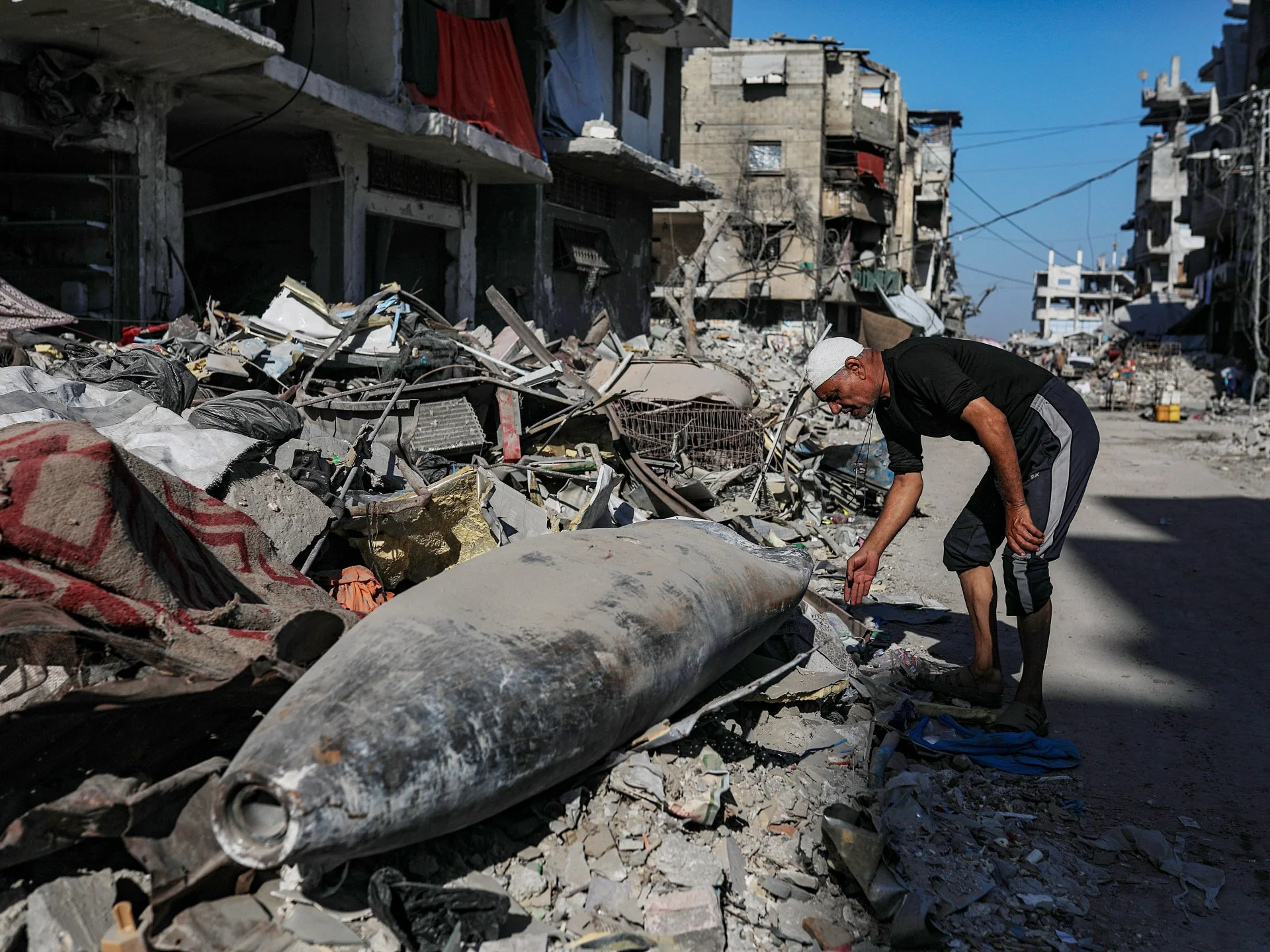
A new war between the U.S., Israel, and Iran threatens to derail a tenuous ceasefire in Gaza, leaving residents fearing deeper neglect and an exacerbation of the humanitarian crisis amidst renewed closures and rising prices.
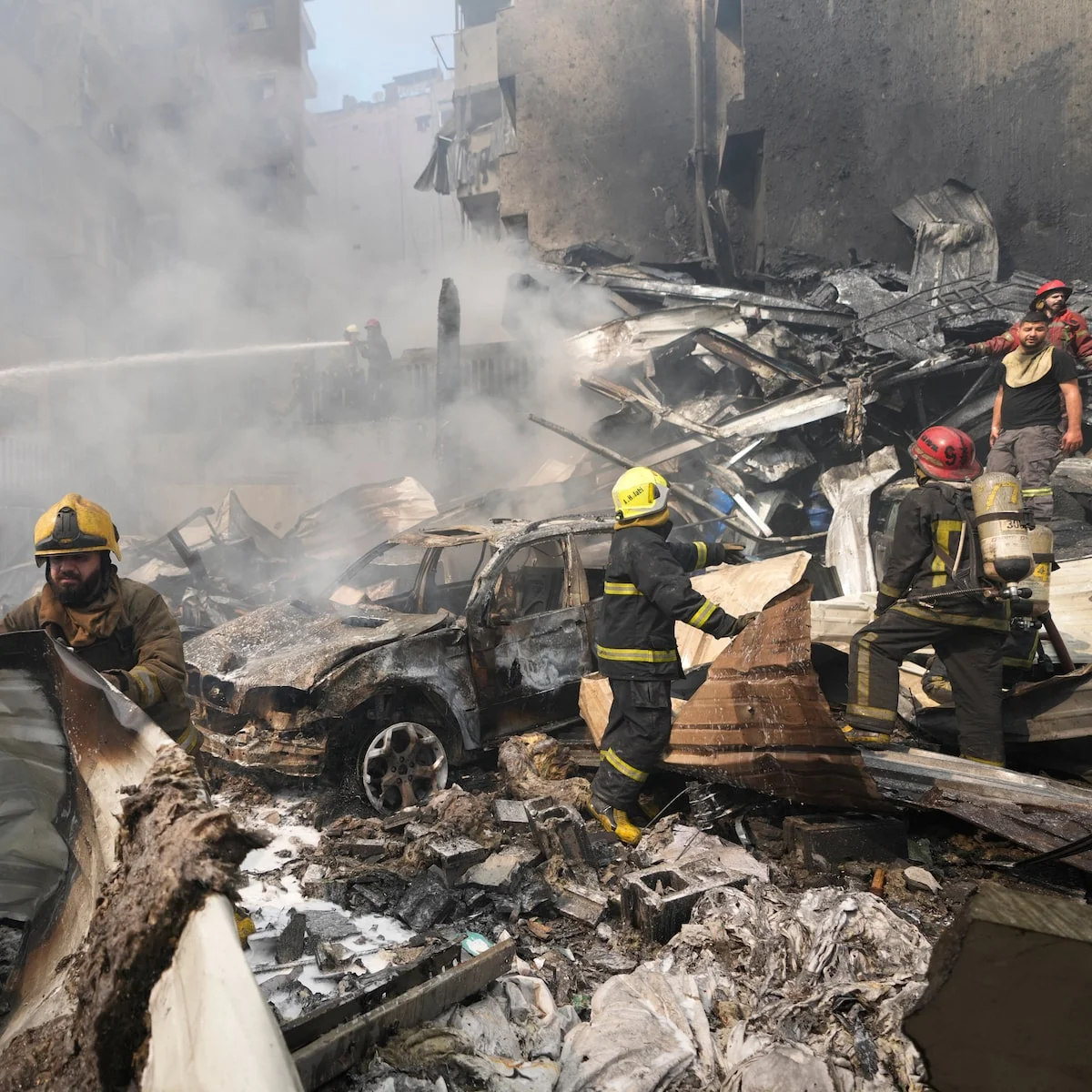
A last-minute cease-fire between the US, Iran, and Israel has de-escalated a major conflict, reopening the Strait of Hormuz. Mediated by Pakistan and China, the deal pauses a war that began in February.
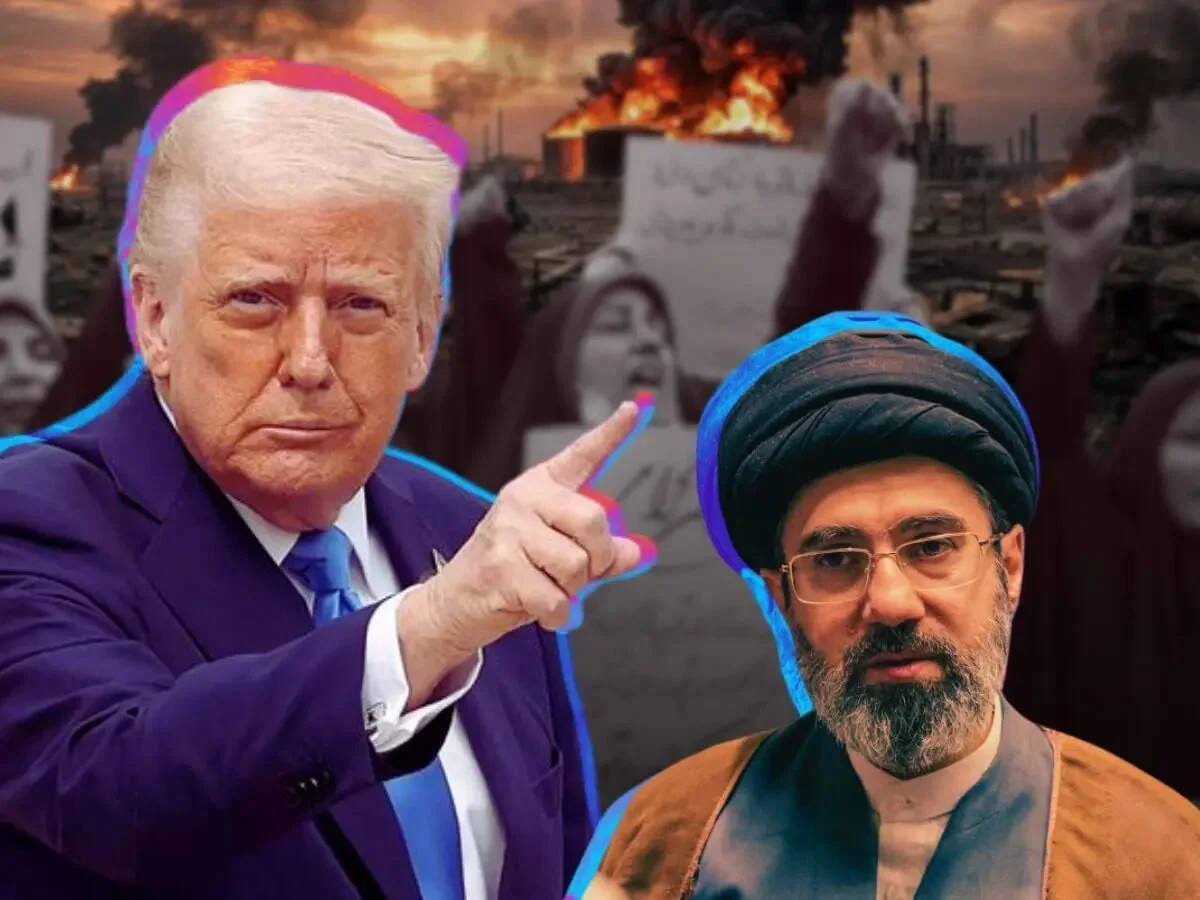
President Trump agrees to a two-week suspension of bombing in Iran, reportedly to allow negotiations on reopening the critical Strait of Hormuz, following intense military action and dire threats.