Trump Halts Iran Bombing for Two Weeks Amid Escalating Strait of Hormuz Crisis
President Trump agrees to a two-week suspension of bombing in Iran, reportedly to allow negotiations on reopening the critical Strait of Hormuz, following intense military action and dire threats.

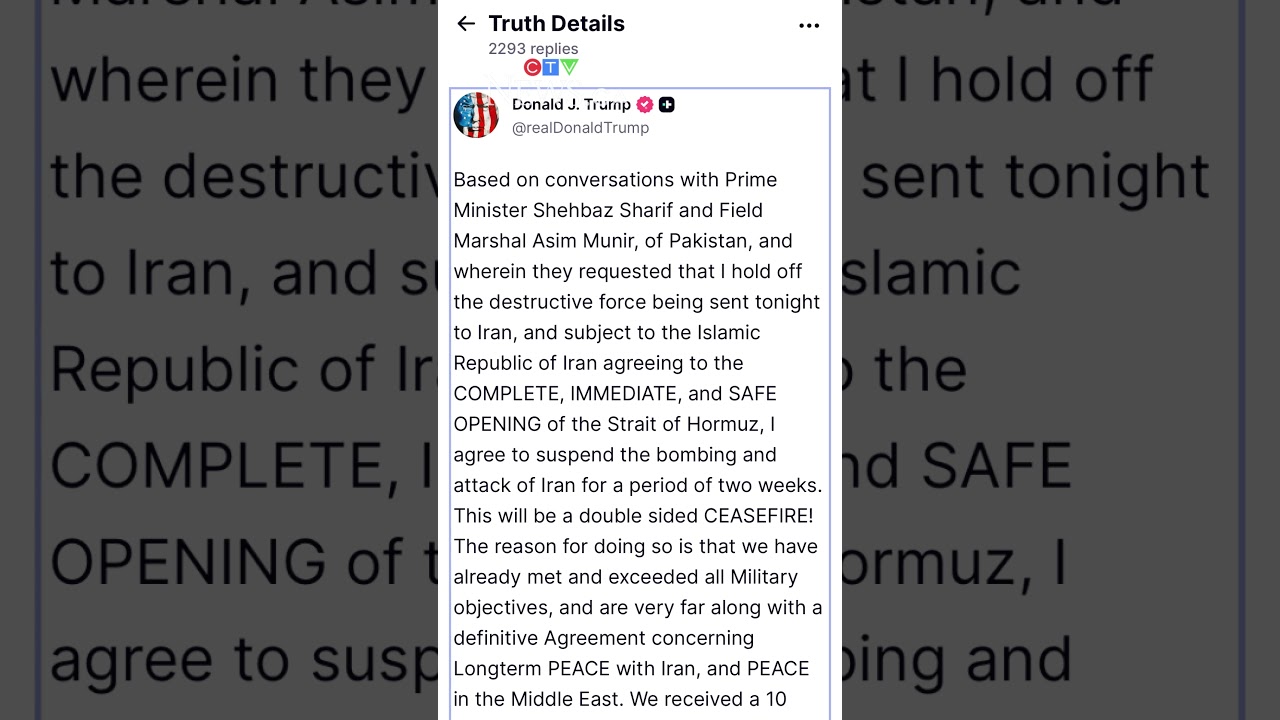
Trump agrees to suspend ‘bombing and attack of Iran’ for two weeks
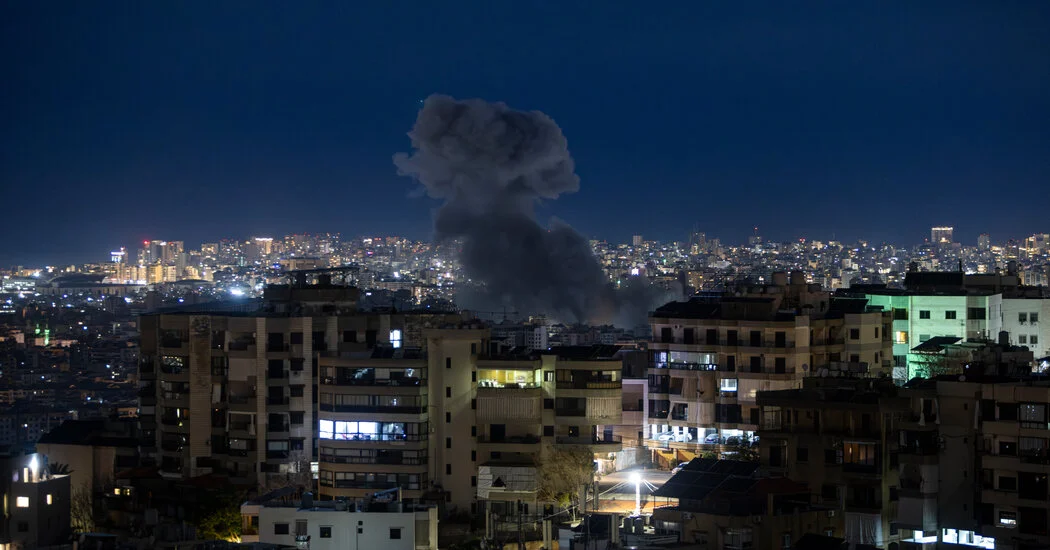
In a surprising and potentially pivotal development, President Donald Trump has agreed to a two-week suspension of bombing operations against Iran. This temporary halt comes amidst a rapidly escalating conflict marked by widespread U.S.-led airstrikes, Iranian retaliation, and the critical closure of the Strait of Hormuz, a choke point essential for global oil transit. The announcement, initially reported by CNN, suggests a potential window for de-escalation, although the underlying tensions and the high stakes involved remain precariously poised as global leaders watch for any sign of a lasting resolution to what has become one of the most volatile crises in recent memory.
Background: A Region on Edge
The current crisis between the United States and Iran has been simmering for years, rooted in historical animosities, geopolitical rivalries, and particularly, the contentious nuclear deal. Tensions dramatically intensified following the U.S. withdrawal from the Joint Comprehensive Plan of Action (JCPOA) and the subsequent re-imposition of crippling sanctions against Iran. These sanctions, as highlighted in various CNN segments, have had a profound impact on ordinary Iranians, fueling widespread protests against the economy and corruption, and leading to anti-American sentiment expressed through acts like the burning of the U.S. flag in Iran's parliament. The Strait of Hormuz, through which roughly 20 percent of the world’s petroleum transits, became a central flashpoint. Iran effectively closed this vital waterway soon after the U.S. began its joint military operations with Israel, severely impacting global oil supplies and sending fuel prices soaring, a factor that could have significant domestic political ramifications for the U.S. ahead of midterm elections.
Escalation and Trump's Ultimatum
Before the recent bombing suspension, the rhetoric from the White House had reached an unprecedented apex of aggression. President Trump has been issuing increasingly dire warnings to Tehran, culminating in threats of catastrophic destruction if Iran did not comply with demands, particularly the reopening of the Strait of Hormuz. According to Politico, Trump had explicitly threatened that "whole civilization will die tonight," and stated on social media, "Until then, we are blasting Iran into oblivion or, as they say, back to the Stone Ages!!!” These threats were not idle; joint U.S.-Israeli strikes against Iran had already commenced in February, and the U.S. carried out dozens of strikes on Iran’s Kharg Island overnight, targeting military bunkers, radars, and ammunition storage sites, as detailed by Vice President JD Vance. While Vance emphasized that these strikes focused exclusively on military targets to avoid accusations of war crimes and were in line with the President's instructions not to target energy infrastructure, the intensity of the campaign was undeniable. The President had set a clear deadline, stating he would not strike energy and infrastructure targets until Iran made a viable proposal to reopen the Strait, giving them until Tuesday at eight o’clock.
Amidst this backdrop of intense military pressure, President Trump, surprisingly, also indicated that negotiations between U.S. and Iranian interlocutors were ongoing "in good faith," with the reopening of the Strait of Hormuz being a "very big priority." This combination of overwhelming military force and simultaneous diplomatic overtures highlights the complex and often contradictory nature of the Trump administration's foreign policy. The two-week suspension of bombing therefore emerges as a direct response to this ongoing negotiation, a pause intended to facilitate further talks and potentially avert a wider, more devastating conflict. Global news outlets like Mshale have been intensely covering the "Iran Israel War - Latest Update," reflecting the global preoccupation with the conflict's trajectory and the role of various international actors in shaping its outcome.
Analysis: A High-Stakes Diplomatic Gamble
The decision by President Trump to suspend bombing for two weeks is a high-stakes diplomatic gamble, suggesting a tactical shift from pure coercion to a more nuanced approach that incorporates a window for negotiation, albeit a tightly controlled one. This move could be interpreted in several ways. Firstly, it might indicate that the initial phase of military pressure achieved its desired effect: bringing Iran to the negotiating table with a greater sense of urgency regarding the economically devastating closure of the Strait of Hormuz. The soaring global oil prices and the domestic political repercussions of rising gas prices ahead of midterm elections in the US, as noted by Politico, provide a strong incentive for the Trump administration to seek a swift resolution. Therefore, this pause could be a necessary step to allow Iran to formulate a proposal without the immediate threat of further bombardment, thereby saving face and creating a more conducive environment for dialogue. However, it also presents a risk: if negotiations fail within this timeframe, the domestic and international pressure for a more aggressive military response could intensify, potentially leading to the very "blasting Iran into oblivion" that Trump previously threatened. This tightrope walk between credible threat and genuine diplomatic effort defines the current phase of the crisis, underscoring the volatility and unpredictability inherent in this geopolitical standoff.
Additional Details: The Military-Diplomatic Ballet
The recent military actions and the ensuing bombing suspension are part of a delicate and dangerous military-diplomatic ballet. While the U.S. has engaged in significant military strikes, focusing on targets like bunkers and radars on Kharg Island, Vice President JD Vance has been careful to articulate that these were strictly military targets, an apparent attempt to circumvent accusations of war crimes. This strategic avoidance of oil infrastructure, as reported by Politico, suggests a calculated effort to maintain some leverage without completely destroying Iran’s economic backbone, which could eliminate any incentive for negotiation. President Trump's seemingly contradictory statements—threatening unparalleled destruction while also acknowledging "good faith" negotiations—further complicate the picture. His propensity for discussing the conflict in unconventional settings, such as at a White House Easter egg roll, also adds an unusual layer to this high-stakes diplomacy, blurring the lines between political spectacle and serious foreign policy. Meanwhile, global sentiment, as captured by Geo News and other international outlets, remains sharply divided, reflecting a world anxiously watching the unfolding drama in the Middle East and the potential for a regional conflict to spill over and impact global stability.
Looking Ahead: A Precarious Path to Peace
The next two weeks will be crucial for the trajectory of the U.S.-Iran conflict. All eyes will be on whether the temporary suspension of bombing leads to substantive progress in negotiations, particularly concerning the reopening of the Strait of Hormuz. Failure to reach an agreement within this timeframe could reignite and intensify military action, potentially pushing the region closer to a full-scale war. The global community, including U.S. allies who have expressed concerns about the escalating conflict, will be closely monitoring the diplomatic efforts. The economic repercussions, especially the impact on global oil markets and domestic fuel prices, will also heavily influence the political calculus of all parties involved. This pause serves as a critical test of diplomacy, offering a glimmer of hope for de-escalation, but operating under the ever-present shadow of potential catastrophe.
Related Articles
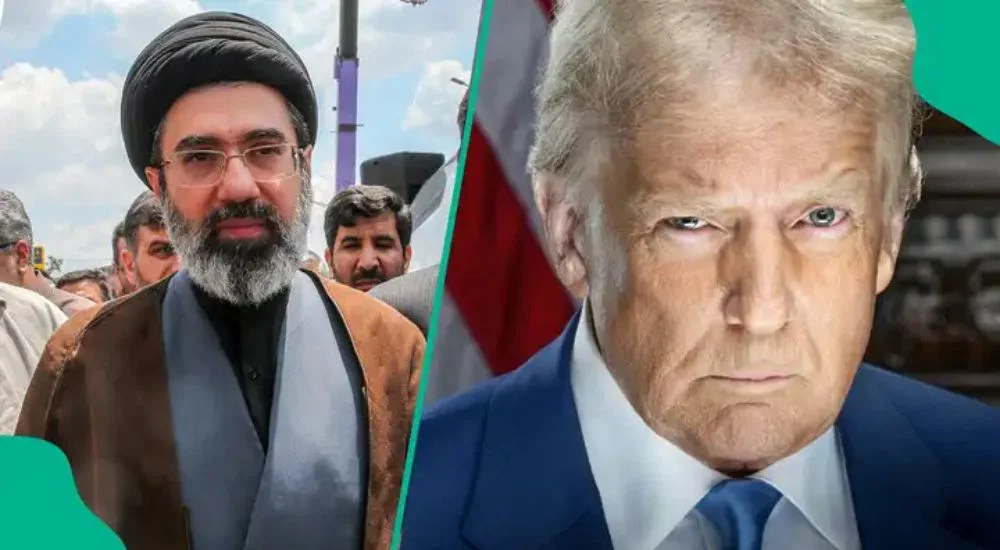
Iran Rejects Ceasefire, Demands Permanent End to Conflict as Trump Intensifies Threats
Iran has rejected a 45-day ceasefire, demanding a permanent end to the conflict as US President Trump threatens to destroy Iranian infrastructure by Tuesday, raising war crime concerns.