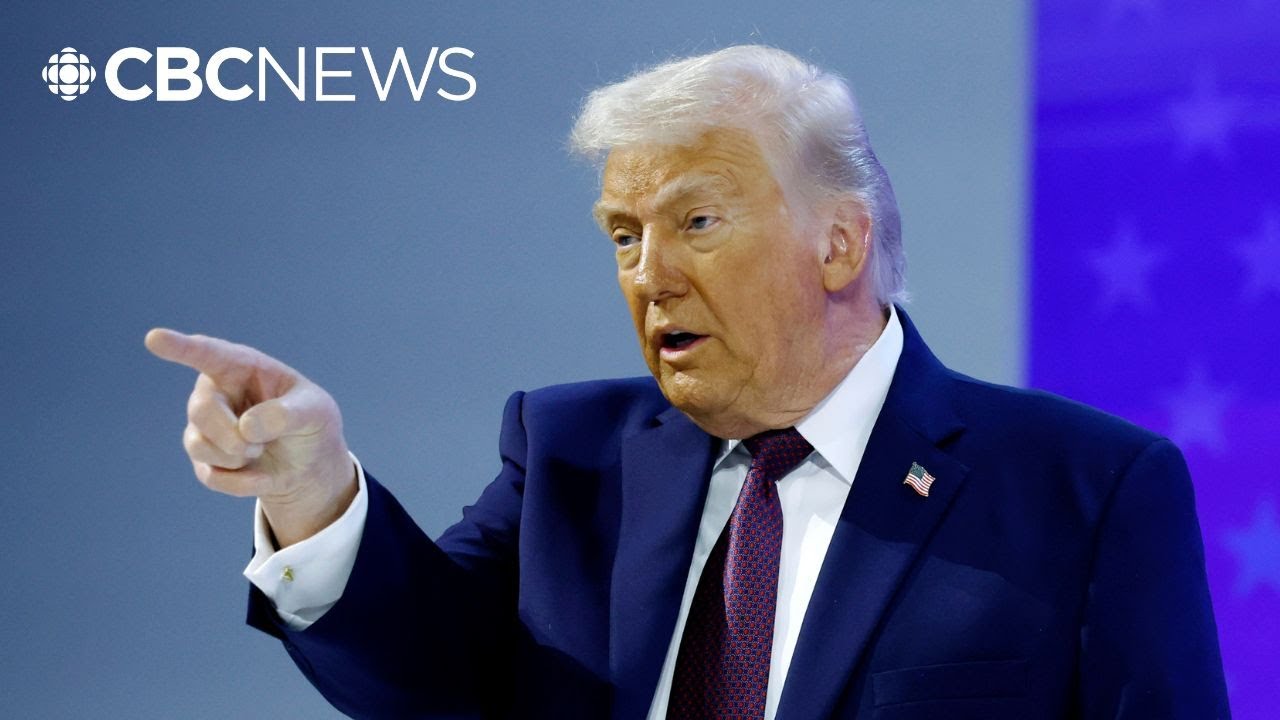
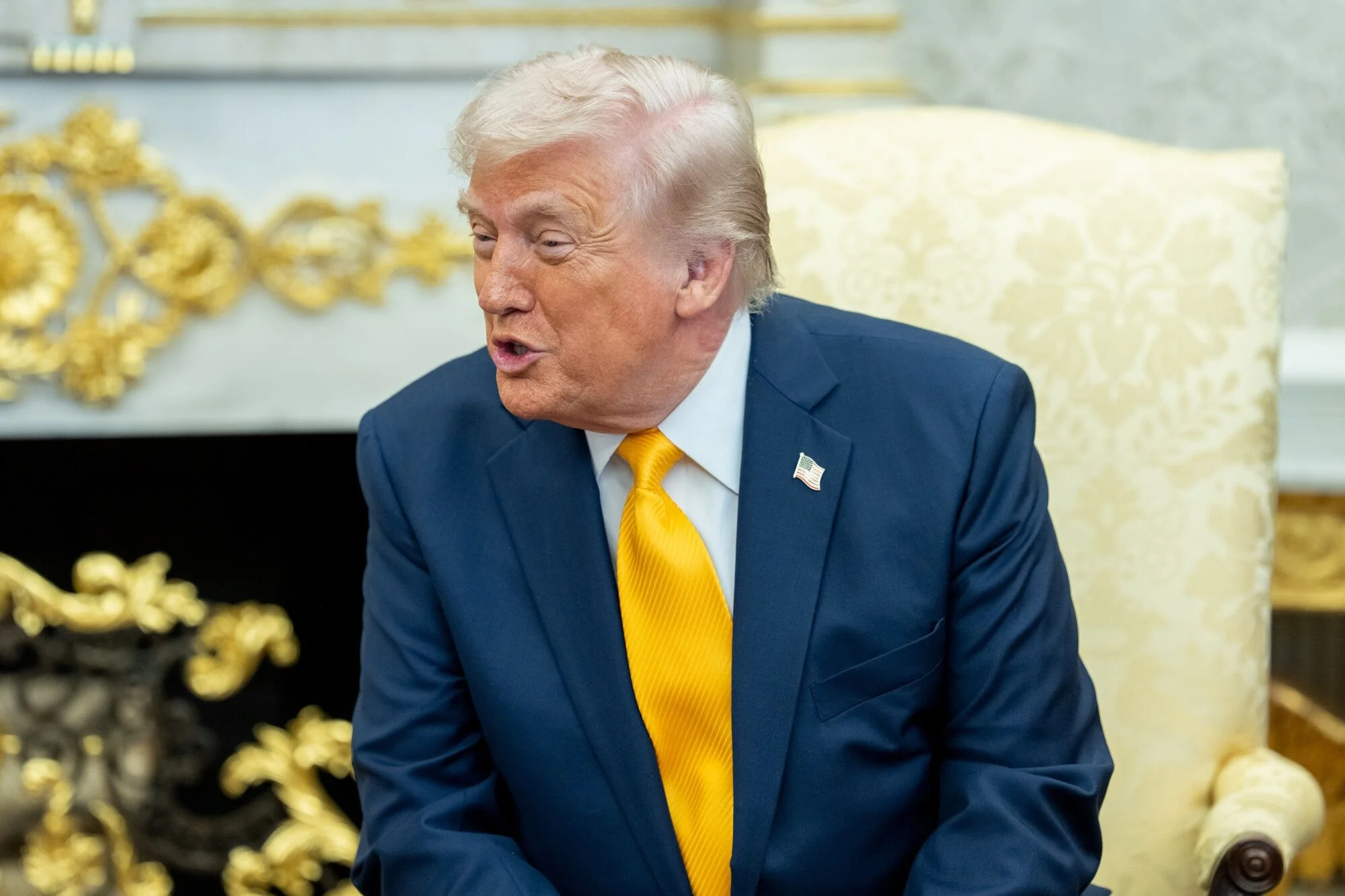
President Trump's administration is navigating a complex and often contradictory international trade landscape, marked by renewed aggressive tariff threats against close allies alongside the announcement of a new trade agreement with India. This latest round of trade maneuvers signals a continuation of the "bluster from early in his second term," as Trump escalates pressure on various nations for perceived trade imbalances or geopolitical alignment issues, even as some partners seek to finalize their own long-negotiated deals.
US-India Trade Deal Signals Potential Shift in Alliances
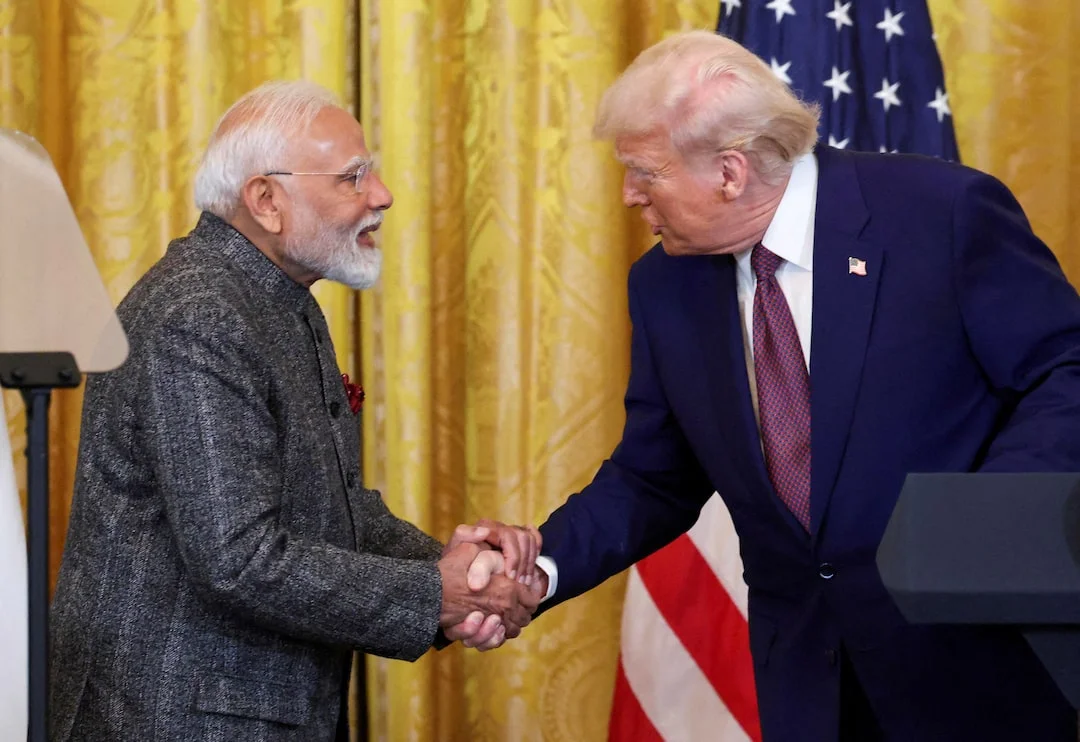
In a significant development, President Trump announced on Monday that the United States and India had reached a trade deal following discussions with Indian Prime Minister Narendra Modi. A key component of this agreement involves the reduction of the baseline US tariff rate on goods from India, decreasing from 25% to 18%. Furthermore, the White House confirmed the dropping of an additional 25% "secondary" tariff previously levied on India over its purchases of Russian oil. This move, according to Trump, was contingent on Modi's pledge to "stop buying Russian Oil," a claim Modi did not explicitly outline in his social media post acknowledging the deal but expressing gratitude to Trump. India's Prime Minister emphasized the new 18% tariff rate as a significant benefit for his nation, while Trump stated that India also agreed to reduce its tariffs and non-tariff barriers against the United States "to ZERO" and increase purchases of American products "at a much higher level," as noted by Yahoo Finance.
New Threats Emerge Against Canada and Mexico
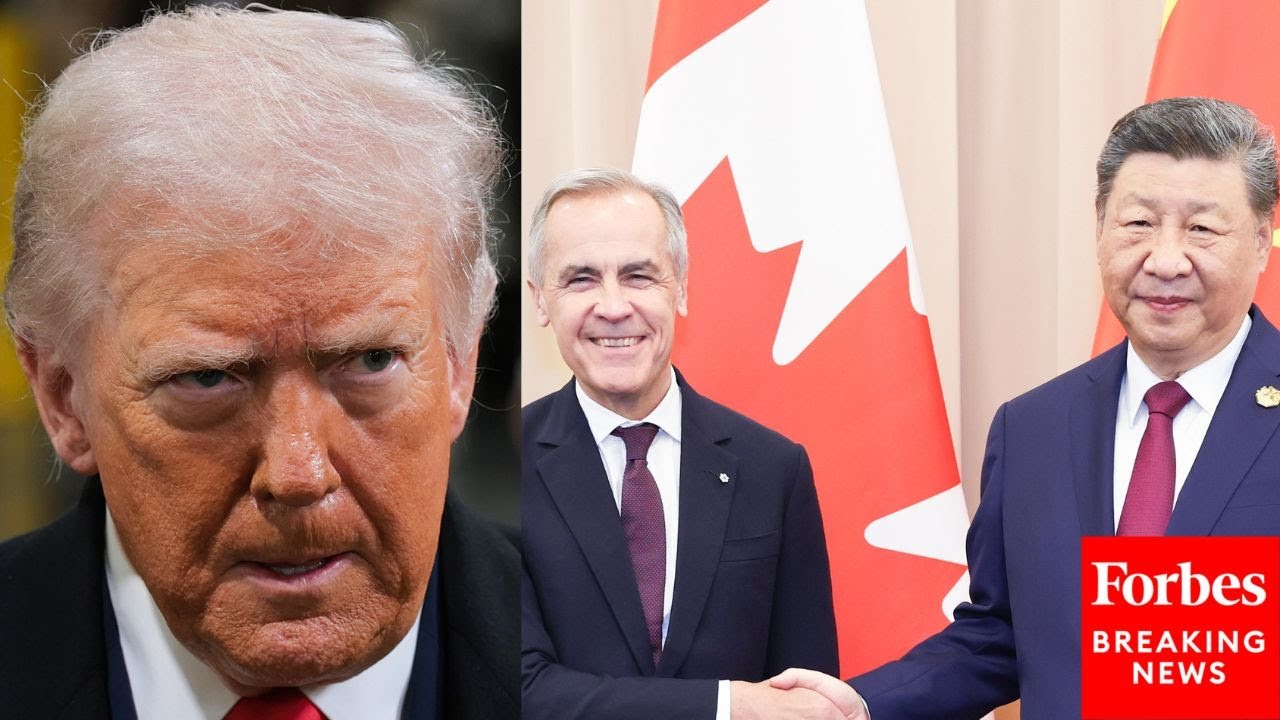
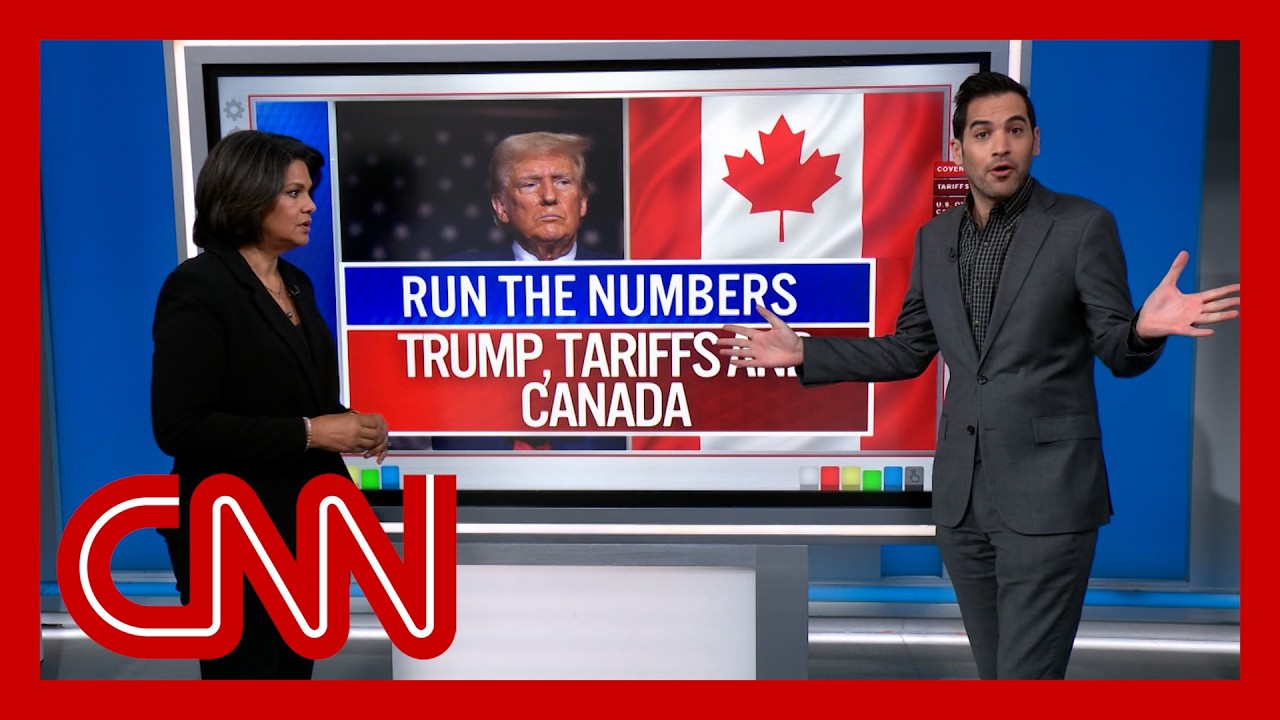
While an agreement was struck with India, President Trump simultaneously intensified his tariff rhetoric against North American neighbors Canada and Mexico. Canada, in particular, faces a multi-pronged assault. Trump has threatened a 50% tariff on Canadian aircraft imports and announced intentions to decertify all new jets from Bombardier, alleging that Canada has unfairly blocked the sale of US Gulfstream jets through certification hurdles. This follows an earlier threat of 100% tariffs on Canada over its new trade deal with China, which reportedly lowers tariffs on Chinese electric vehicles in exchange for reduced import taxes on Canadian farm products. Meanwhile, Mexico is now under threat of new levies, as Trump vowed to impose tariffs on countries supplying oil to Cuba, a move that prompted Mexican President Claudia Sheinbaum to seek "diplomatic" solutions to continue aiding Cuba, as reported by Yahoo Finance.
South Korea and Europe Also Face Renewed Scrutiny
The Trump administration's broad re-evaluation of trade relationships extends beyond North America. South Korea recently faced renewed tariff threats, with President Trump accusing the country of "not living up to its Deal" with the US. Tariffs on South Korean goods were slated to jump back to 25% from 15%, causing a significant fall in South Korean automaker stocks, including Hyundai Motor. However, Trump later expressed optimism, stating he thought the countries would "work something out," leading to South Korea's industry minister arriving in Washington for discussions. Earlier in the year, Trump also roiled markets with tariff threats against European nations, which he subsequently called off. These actions collectively demonstrate a pattern of using tariffs as a primary tool for leverage in international trade negotiations.
Strategic Resource Stockpiling and Economic Impacts
Beyond direct trade tariffs, the administration is also taking steps to secure critical resources. President Trump plans to launch "Project Vault," a $12 billion initiative aimed at developing a critical minerals stockpile to reduce US reliance on China for rare earth materials. This project combines $1.67 billion in private capital with a $10 billion loan from the US Export-Im Bank, intending to acquire and store essential minerals for critical industries. The broader impact of Trump's tariff policies continues to manifest in various global economic indicators. The US trade deficit reportedly widened by the most in nearly 34 years in November, indicating significant shifts in trade flows. Despite these challenges, some companies and nations have defied the tariff landscape, with Toyota Motors retaining its position as the world's top-selling automaker in 2025 with record sales, and Swiss exports to the US hitting record highs in the same year, demonstrating resilience in the face of imposed tariffs.