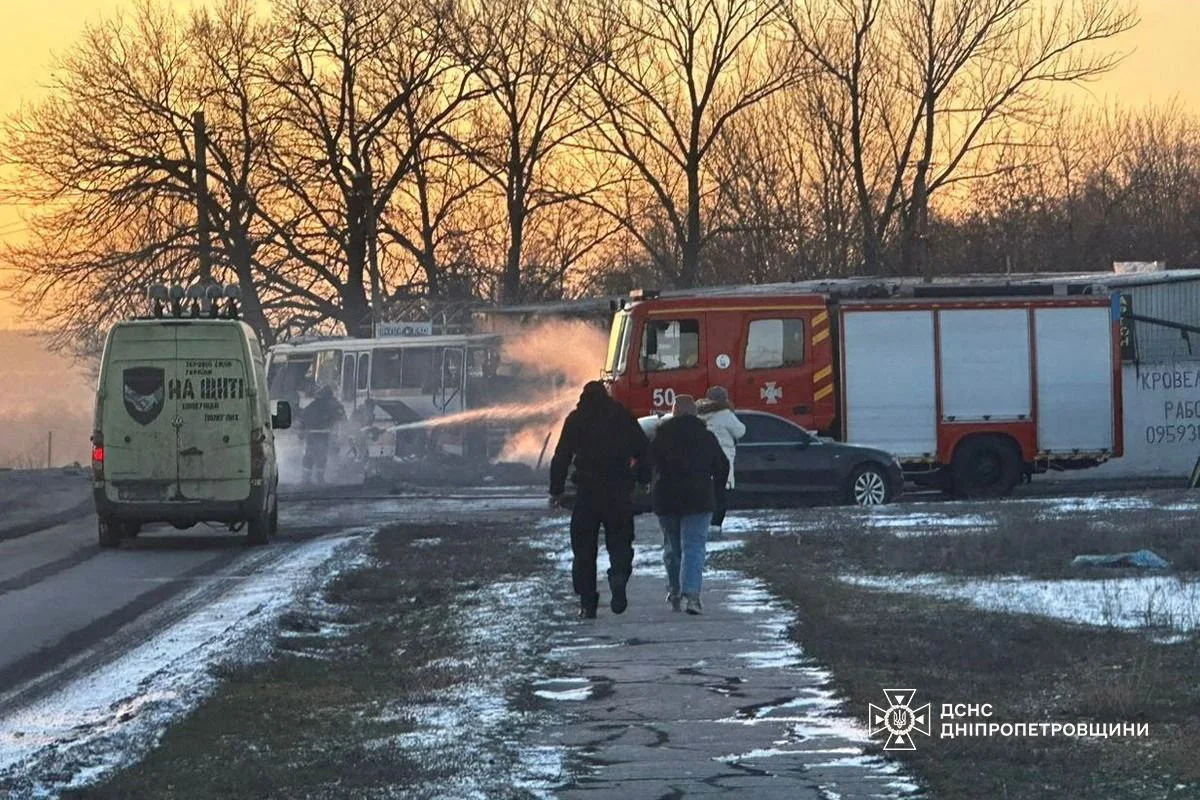
A Russian drone strike has tragically claimed the lives of at least 12 mineworkers in the Ukrainian city of Dnipro, just hours after Ukrainian President Volodymyr Zelensky announced a delay in a new round of US-brokered peace talks. The attack, which also injured seven other mineworkers returning from their shift, sparked a fire and has been condemned as a "terrorist attack" by the energy firm DTEK, which owned the bus struck.
Deadly Attack on Mineworkers Amid Peace Talk Delays
The devastating strike occurred on Sunday, targeting a company bus transporting miners in the Dnipropetrovsk region. “The epicentre of one of the attacks was a company bus transporting miners from the enterprise after a shift in the Dnipropetrovsk region,” stated energy firm DTEK, Ukraine's largest private energy company, further accusing Russian forces of carrying out "a large-scale terrorist attack on DTEK mines." This incident unfolded shortly after President Zelensky revealed that trilateral discussions, initially scheduled for Sunday, would now take place on February 4 and 5 in Abu Dhabi. Zelensky expressed Ukraine's readiness for "a substantive discussion," hoping for an outcome that leads to "a real and dignified end to the war," as reported by The Independent.
Escalating Attacks and Strategic Maneuvers
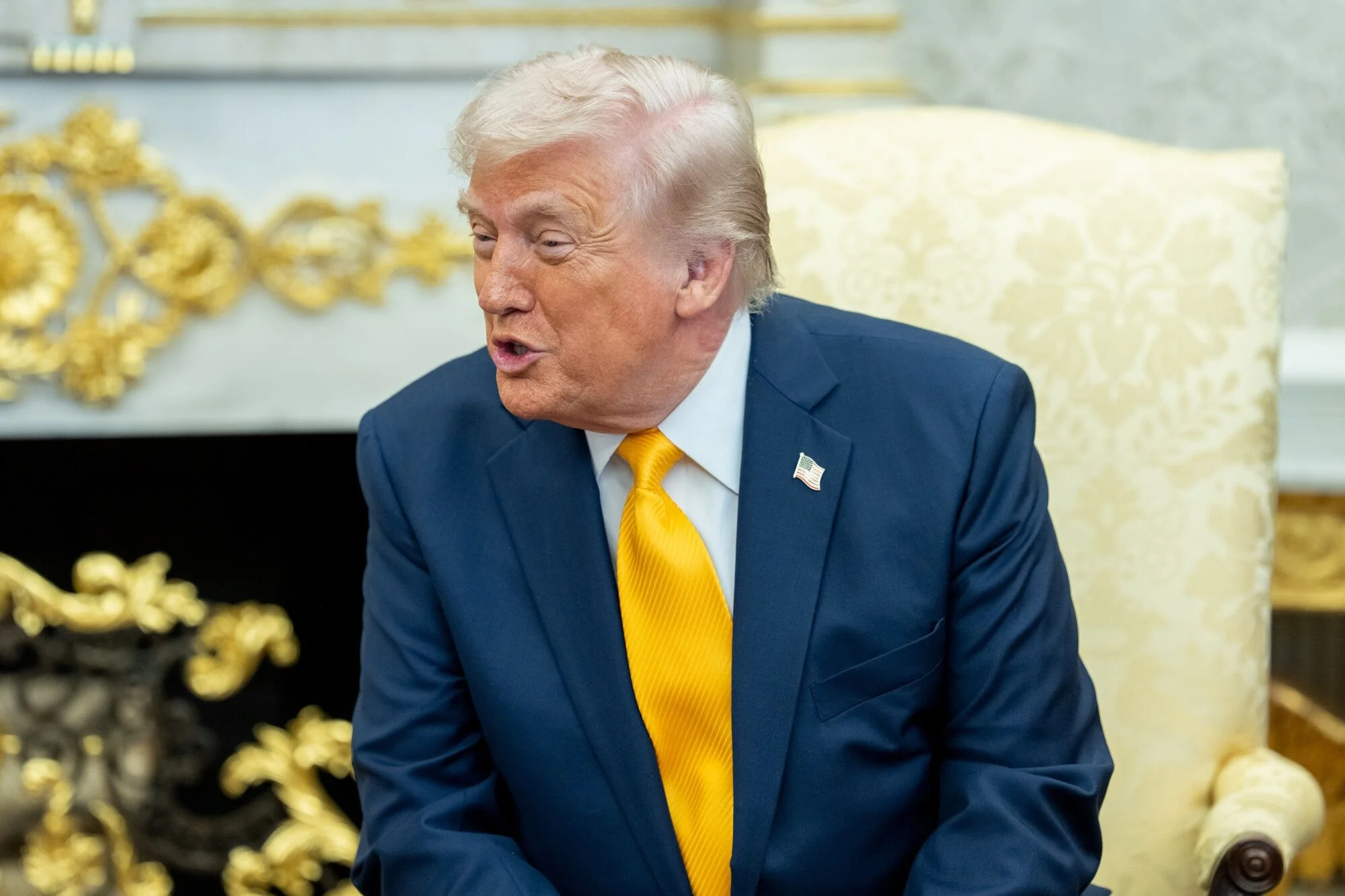
Beyond the Dnipro attack, Russian drones also struck a maternity hospital in southern Ukraine on Sunday morning, specifically in the city of Zaporizhzhia. The Ukrainian emergency service reported three women wounded and a fire ignited in the gynecology reception area, later extinguished. Regional administration head Ivan Fedorov updated the number of wounded to six. These attacks come despite recent assertions by former US President Donald Trump that Vladimir Putin had agreed to temporarily cease targeting Ukrainian cities, particularly as the region endures freezing temperatures and widespread hardship. The continuous targeting of civilian infrastructure, including medical facilities and transport for essential workers, underscores the brutal reality of the ongoing conflict.
Diverging Perspectives on the Conflict and Peace
In stark contrast to calls for peace, Dmitry Medvedev, deputy chairman of Russia's Security Council, asserted that European powers had failed in their attempts to strategically defeat Russia in Ukraine. In an interview, Medvedev claimed that Europe had instead inflicted severe economic harm upon itself through its actions, stating, "Europe is undermining the foundations of its existence by its own actions." His remarks, characteristic of his aggressive rhetoric towards the West, highlight the deep ideological divide that continues to fuel the conflict. Meanwhile, in Ukraine, a key ally of President Zelensky, Vitaliy Kim, governor of the Mykolaiv Oblast region, has emphasized the need for a peace deal that prioritizes people over land. Kim, an emerging figure in Ukrainian politics, will be attending a conference on Thursday where governors and mayors will discuss the parameters of a peace settlement, signaling a potential shift in focus for some Ukrainian leaders as peace talks remain fraught with challenges over occupied territories, according to The Independent.
International Reactions and Security Concerns
The broader international landscape continues to be shaped by the conflict. Russian security council secretary Sergei Shoigu reaffirmed Moscow's unwavering support for Beijing on the Taiwan issue to senior Chinese official Wang Yi. Shoigu stated that Russia considers self-governed Taiwan an "inseparable part of China" and opposes its independence "in any form." This declaration underscores the deepening "no limits" strategic partnership between Russia and China, forged just days before Russia's full-scale invasion of Ukraine in February 2022. Concurrently, Estonia has raised alarms about the potential for Russia to dispatch thousands of ex-combatants, including "ex-prisoners and rapists," into Europe's Schengen area to "cause chaos." Estonian Foreign Minister Margus Tsahkna called for a blanket ban on Russian soldiers who fought in Ukraine, citing concerns about their "battle-hardened criminal past" posing a direct threat to Europe's internal security.
Technological Countermeasures and Future Implications
In response to Russia's evolving tactics, Ukraine is also intensifying its efforts to counter Moscow's use of satellite internet on attack drones. Ukraine’s defence minister, Mykhailo Fedorov, announced that only authorized Starlink terminals will be permitted to operate in the war-torn nation. This move, part of a collaboration with Elon Musk’s satellite internet technology, aims to implement a system where Ukrainian users will register their Starlink terminals for verification, with unverified terminals facing disconnection. This initiative reflects the increasingly technological nature of modern warfare and Ukraine's strategic adaptation to counter emerging threats. As peace talks continue to be delayed and attacks persist, the path to a “real and dignified end to the war” remains uncertain, complicated by ongoing military actions, geopolitical realignments, and internal debates over the very definition of peace, as reported in The Independent.