Ukraine Eyes New Peace Talks Amid Escalating Conflict and Hungarian Sanctions Blockade
Kyiv hints at fresh peace negotiations this week as drone strikes hit Russian oil, while Hungary vetoes EU sanctions, sparking diplomatic fury.

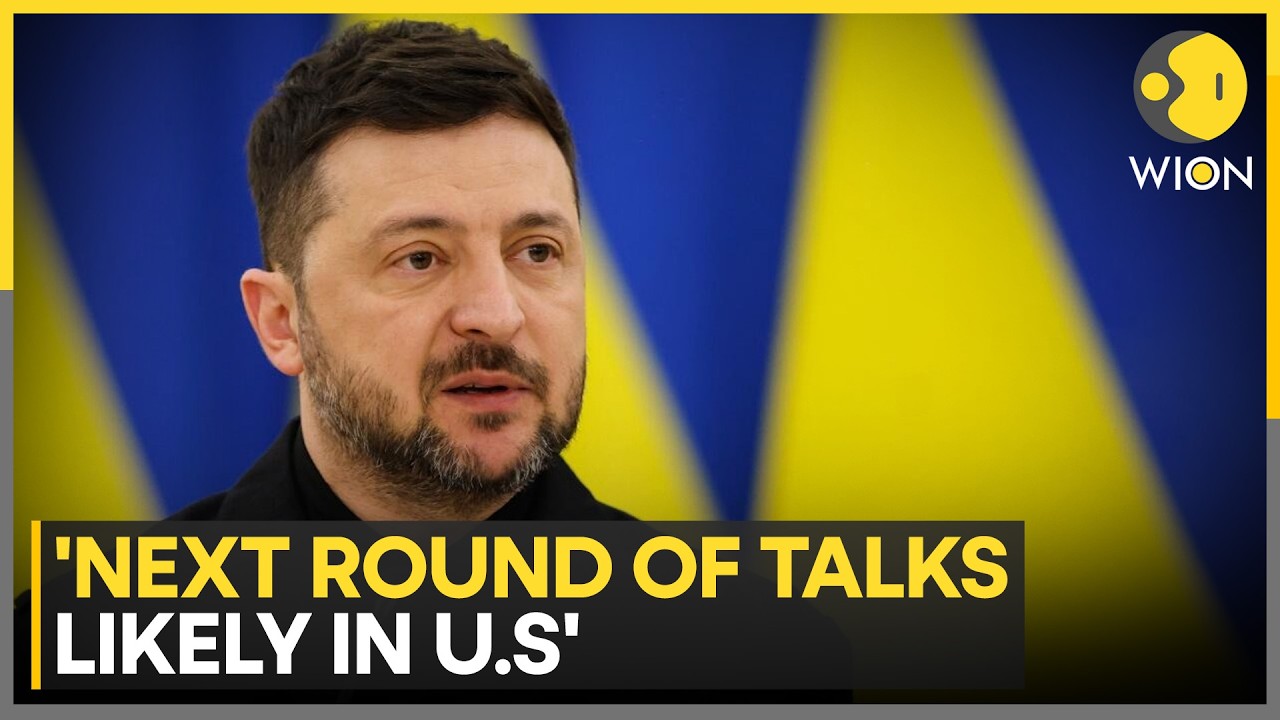
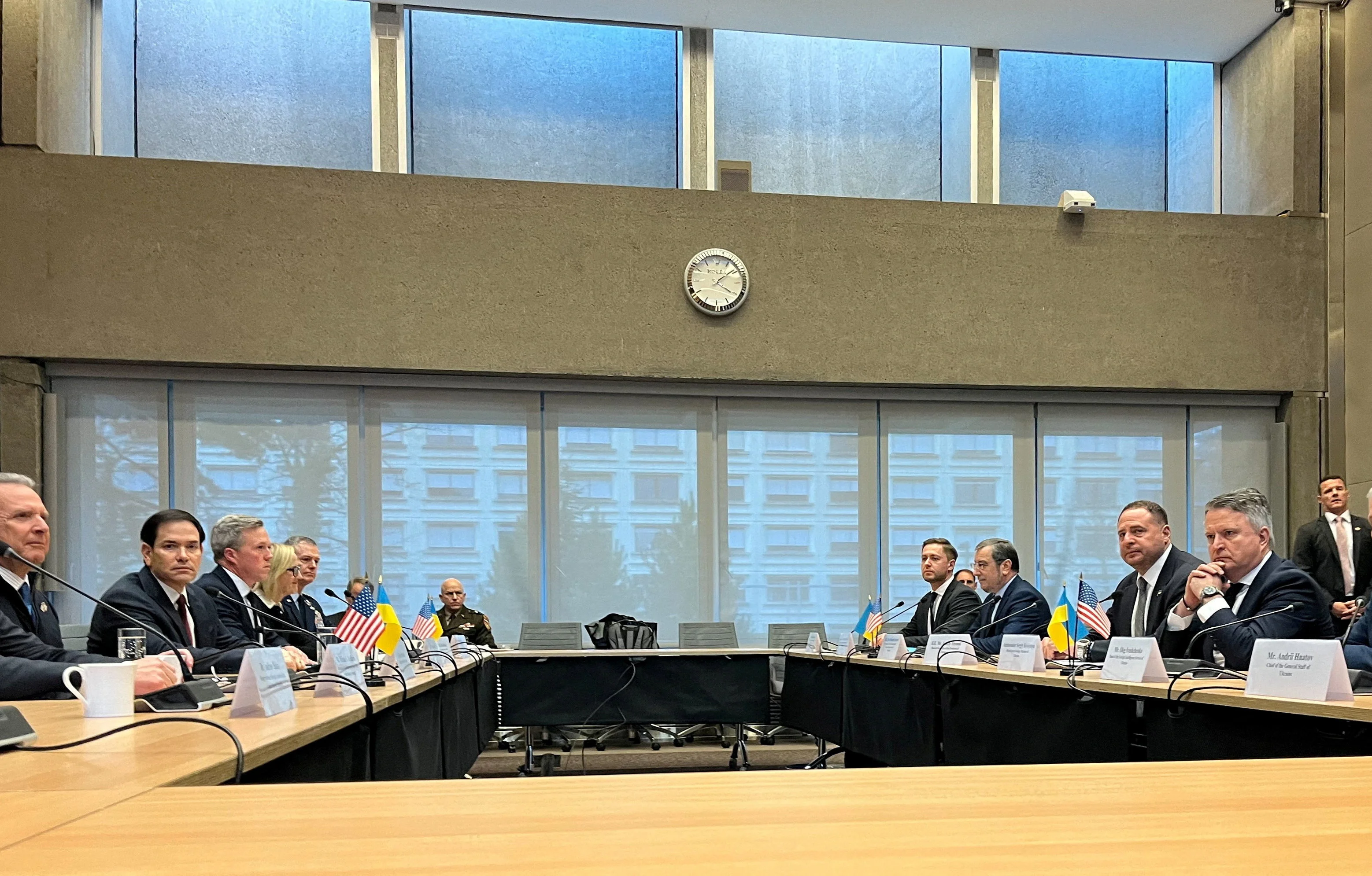
Ukraine-Russia Peace Talks Day Two End With No Breakthrough, US May Host Next Round | WION
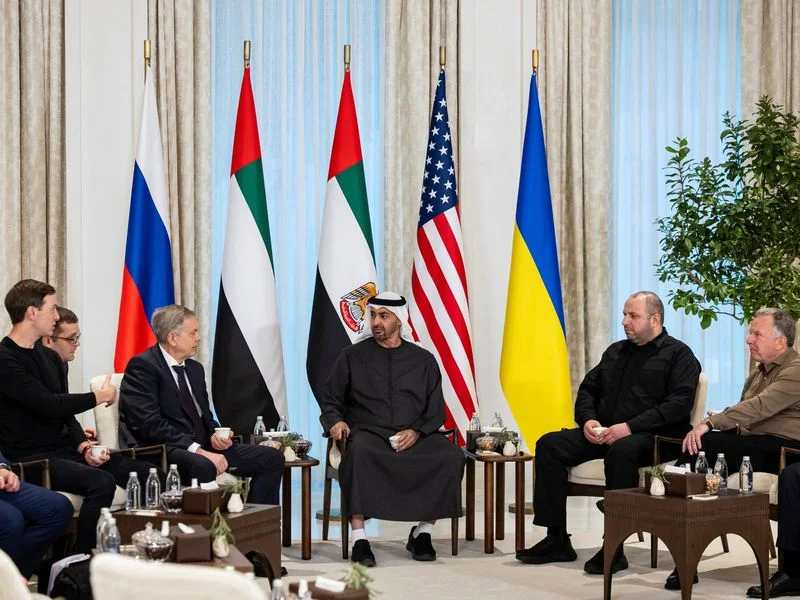
In a rapidly evolving landscape marked by escalating hostilities and diplomatic friction, Ukraine has indicated that a new round of peace talks aimed at resolving the protracted conflict with Russia could commence as early as this week. This overture comes amidst a critical period, with Kyiv claiming a drone strike on a key Russian oil facility that feeds the vital Druzhba pipeline, just hours after Hungary staunchly vetoed a substantial European aid package and fresh sanctions against Moscow. The interwoven events underscore the complex dynamics of the four-year war, where military actions on the ground directly impact geopolitical maneuvering and crucial economic lifelines across Europe, highlighting both Ukraine's resilience and the persistent challenges to achieving a lasting peace, as reported by The Independent.
Background and Context of the Conflict
The conflict in Ukraine, now entering its fourth year, is rooted in deeply entrenched historical and geopolitical tensions between Kyiv and Moscow. The full-scale invasion ordered by Russian President Vladimir Putin in February 2022 marked a dramatic escalation from the 2014 annexation of Crimea and the ongoing proxy conflict in the Donbas region. Since then, millions have been displaced, cities have been ravaged, and the global geopolitical order has been significantly reshaped. The initial Russian objectives, widely believed to include the swift overthrow of the Ukrainian government and the installation of a pro-Russian regime, largely failed due to fierce Ukrainian resistance supported by extensive Western military and financial aid. Ukraine’s ability to survive and even push back against a larger, better-equipped aggressor has surprised many, forcing Moscow to adjust its strategies and focus on attritional warfare. This prolonged struggle has seen both sides resort to targeting critical infrastructure, with Ukraine recently deploying drones to strike Russian oil facilities, demonstrating its expanded operational reach beyond the conventional frontlines, as detailed by The Independent. The targeting of energy infrastructure underscores a shift in tactics, with both sides aiming to disrupt the other's economic and logistical capabilities, thereby amplifying pressure on their respective war efforts and the populations supporting them.
Key Developments in the Past Week
The past week has witnessed a series of significant developments that underscore the fluctuating nature of the Ukraine-Russia conflict. On Monday, Kyiv confirmed a drone strike on a pivotal Russian oil facility, described by the SBU as a key installation for the Druzhba pipeline, which is crucial for delivering oil to eastern Europe. This strike reportedly occurred just hours after Hungary vetoed a crucial €90bn loan for Ukraine and blocked a new package of European sanctions against Moscow. Hungarian Prime Minister Viktor Orban cited the prolonged outage of Russian oil shipments via the Druzhba pipeline, which he attributed to an "unprovoked act of hostility" by Ukraine, as the reason for his country's obstruction. Shipments to Hungary and Slovakia via Druzhba have been severed since late January, with both nations blaming Ukraine for the disruption, even as Kyiv attributed the outage to a Russian drone strike on pipeline equipment within Ukraine.
This Hungarian decision has sparked considerable outrage across European capitals, with Poland’s foreign minister, Radoslaw Sikorski, expressing his shock and disappointment, stating he "would have expected a much greater feeling of solidarity from Hungary for Ukraine." Meanwhile, the Russian energy sector continues to confound Western efforts to curb its revenue; a Finnish think tank, the Centre for Research on Energy and Clean Air (Crea), reported that Russian oil exports remain 6 percent above pre-invasion levels in the fourth year of the war, despite sanctions. This indicates significant loopholes in the international sanctions regime, as highlighted by Crea analyst Isaac Levi, who noted that while there’s been a drop in Russian fossil fuel export earnings due to new measures, volumes remain high. Furthermore, military actions continue unabated, with a "massive" Ukrainian missile attack inflicting significant damage on energy infrastructure in Russia's Belgorod region, disrupting power, heat, and water supplies. Simultaneously, South Korea urged the Russian embassy in Seoul to remove a triumphant "Victory will be ours" banner displayed ahead of the war's fourth anniversary, underscoring the enduring international dimension of the conflict, as reported by The Independent. These varied developments paint a picture of a conflict that extends beyond the battlefield, impacting international relations, energy security, and global diplomatic efforts.
Analysis: What This Means
The convergence of military strikes, diplomatic stalemates, and continued Russian energy exports at pre-war levels paints a dire picture for a swift resolution to the Ukraine war. The Ukrainian drone strike on a Russian oil facility, and Kyiv’s subsequent announcement of potential peace talks, illustrate a complex strategy of applying military pressure while simultaneously signalling openness to negotiation. This dual approach aims to strengthen Ukraine's hand at any negotiating table but success hinges on many factors. The direct targeting of Russian energy infrastructure serves a clear purpose: to degrade Moscow's war-funding capabilities and inflict domestic costs that could erode public support for the conflict. However, the revelation that Russian oil exports continue to surpass pre-invasion volumes, even under sanctions, suggests that these military actions are not achieving their full intended economic effect. This points to the need for more robust and coordinated international enforcement of sanctions, or perhaps a re-evaluation of their design, to meaningfully curtail Russia's revenue streams. The findings from Crea, referenced by The Independent, highlight the persistent challenge of economic warfare against a major energy producer, particularly when loopholes and alternative markets can be exploited.
Furthermore, Hungary's unilateral blockade of critical EU aid and sanctions against Russia introduces a significant crack in European unity. Viktor Orban's linking of the Druzhba pipeline outage to his country's stance on sanctions is a calculated move that prioritizes national energy interests over collective European solidarity with Ukraine. This move not only undermines the EU's coercive leverage against Russia but also risks creating dangerous precedents for other member states to leverage unrelated issues to block critical consensus decisions. The fierce reaction from Poland's foreign minister, Radoslaw Sikorski, underscore the deep divisions this tactic is creating. Such internal discord empowers Russia by weakening the unified front of its adversaries, potentially prolonging the conflict and complicating any future peace efforts. For stakeholders in the EU, this means continued internal negotiations and potential concessions to dissenting members, diverting focus and resources from the immediate support needed by Ukraine. The broader implication is that while military and humanitarian aid are vital, the efficacy of diplomatic and economic pressure is continuously tested by both external adaptations and internal disagreements, making a truly impactful and unified response increasingly difficult to sustain.
Additional Details Shaping the Conflict
Beyond the immediate military skirmishes and high-stakes diplomatic gridlock, several other developments continue to shape the trajectory of the Ukraine-Russia war. The ongoing struggle for energy security remains a central theme, as evidenced by the blame game surrounding the Druzhba pipeline outage. While Hungary and Slovakia attribute the prolonged disruption in Russian oil shipments to Ukraine, Kyiv maintains that a Russian drone strike on pipeline equipment in Ukraine caused the issue. This dispute adds another layer of complexity to European energy politics, further intertwining energy reliance with geopolitical allegiances. For Budapest, maintaining a reliable supply of Russian oil through the Druzhba pipeline is a critical national interest, which it uses as leverage in its dealings with the EU and Ukraine, as articulated by Hungarian Foreign Minister Péter Szijjártó when demanding the resumption of shipments before agreeing to new sanctions, according to The Independent.
The recent report by the Centre for Research on Energy and Clean Air (Crea) regarding sustained Russian oil exports despite Western sanctions is particularly concerning for those aiming to cripple Moscow's war economy. The think tank’s findings that export volumes are still 6 percent above pre-invasion levels, even with a drop in revenue due to "shadow fleet" targeting, signals that existing sanction mechanisms may not be as airtight as intended. This suggests continuous adaptation by Russia, alongside potential enforcement gaps among sanctioning nations, making it an ongoing challenge to truly isolate Russia economically. From a domestic Russian perspective, the "massive" Ukrainian missile attack on Belgorod, disrupting essential services like electricity, water, and heat, signifies Ukraine's increasing capability to strike targets within Russia, putting direct pressure on Russian citizens and infrastructure. This escalation of cross-border attacks demonstrates the expanding geographical scope of the conflict beyond the contested frontlines. These varied elements – from energy disputes and sanction effectiveness to direct domestic impacts – collectively highlight the multifaceted nature of the conflict and the myriad challenges confronting both belligerents and the international community.
Looking Ahead: Pathways and Pressures
As Ukraine hints at fresh peace talks, the path forward remains fraught with challenges and interwoven pressures. The fourth anniversary of the full-scale invasion serves as a stark reminder of the enduring nature of the conflict. Any potential peace negotiations would occur against a backdrop of continued military action and deep-seated distrust. Ukraine's strategy of simultaneous military pressure and diplomatic overtures aims to improve its position at the negotiating table, but the realistic prospects of an immediate ceasefire or comprehensive peace deal are remote given the maximalist demands from both sides. For the EU, the internal division exemplified by Hungary's consistent obstructionism will continue to be a significant vulnerability, potentially limiting the bloc's ability to exert unified diplomatic and economic pressure on Russia. The need for consensus among 27 member states means that even well-intentioned collective responses are subject to individual national interests, a point that continues to be a central topic of discussion in European news, as can be seen from discussions about local information like that found in iifox43 news regarding community interests.
The effectiveness of Western sanctions will be under renewed scrutiny, particularly in light of reports that Russian oil exports are largely undeterred despite restrictions. This necessitates a re-evaluation of enforcement strategies and the plugging of loopholes, which will require significant international cooperation and political will. The ongoing military aid and financial support from allies will remain critical for Ukraine's ability to defend its territory and maintain its negotiating leverage. However, geopolitical events, such as the increased military cooperation between Russia and North Korea, which South Korea described as a "grave threat" and a violation of UN resolutions, according to The Independent, continue to complicate global security dynamics. In the immediate future, eyes will be on the efficacy of any new peace talks, the cohesion of the EU, and the ongoing military strategies employed by both Kyiv and Moscow as the conflict grinds into its fifth year.
Related Articles
Ukraine and Russia Intensify Strikes Ahead of Geneva Peace Talks, Navalny Claims Cloud Diplomacy
As US-brokered peace talks loom, Ukraine and Russia escalate deadly strikes on energy infrastructure while Western accusations of Kremlin involvement in Alexei Navalny's death complicate the diplomatic landscape.