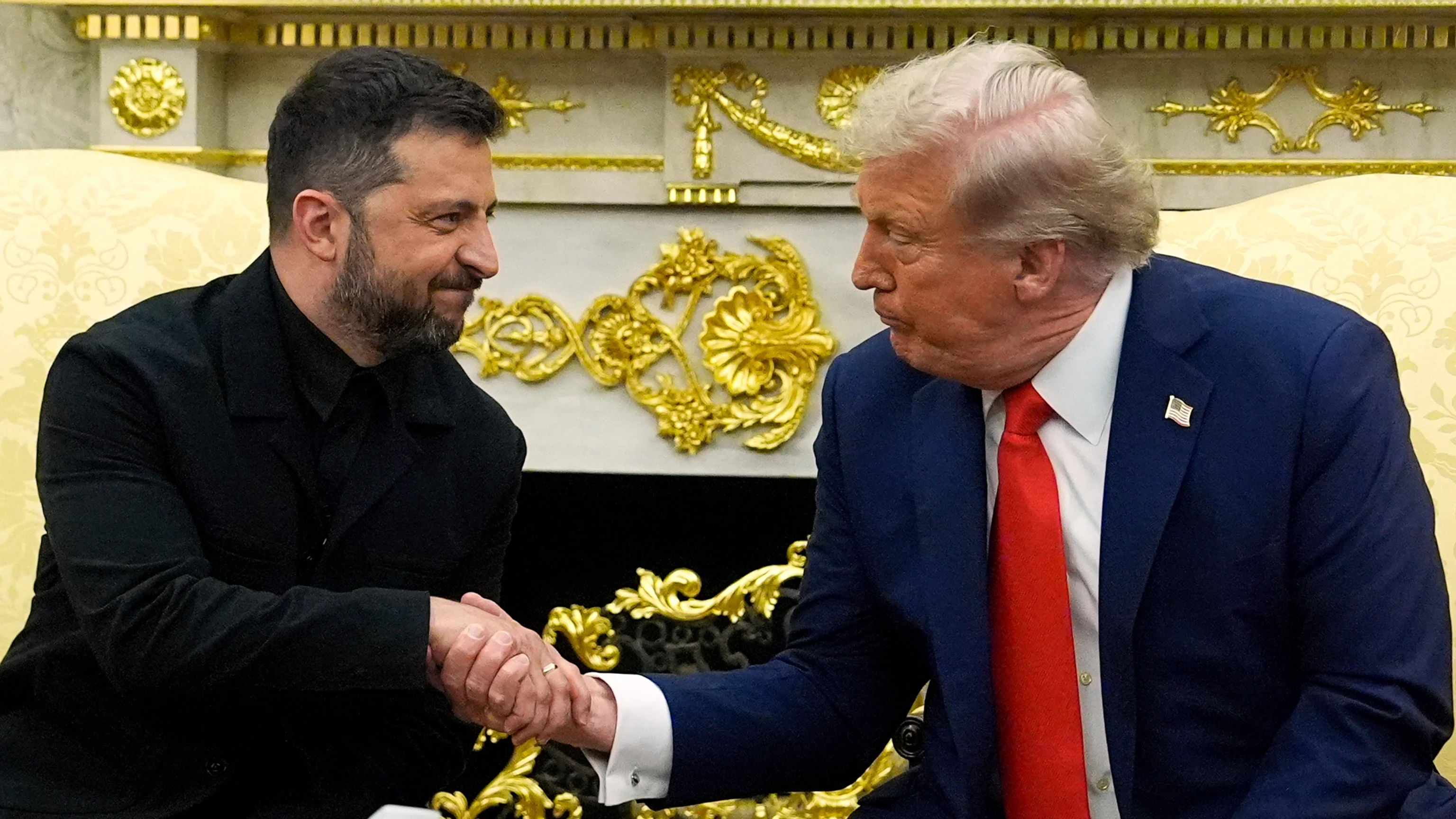
Ukrainian President Volodymyr Zelensky suggests holding elections if Donald Trump can secure a two-to-three-month ceasefire with Russia, as trilateral peace talks continue amidst worsening conditions on the front lines.
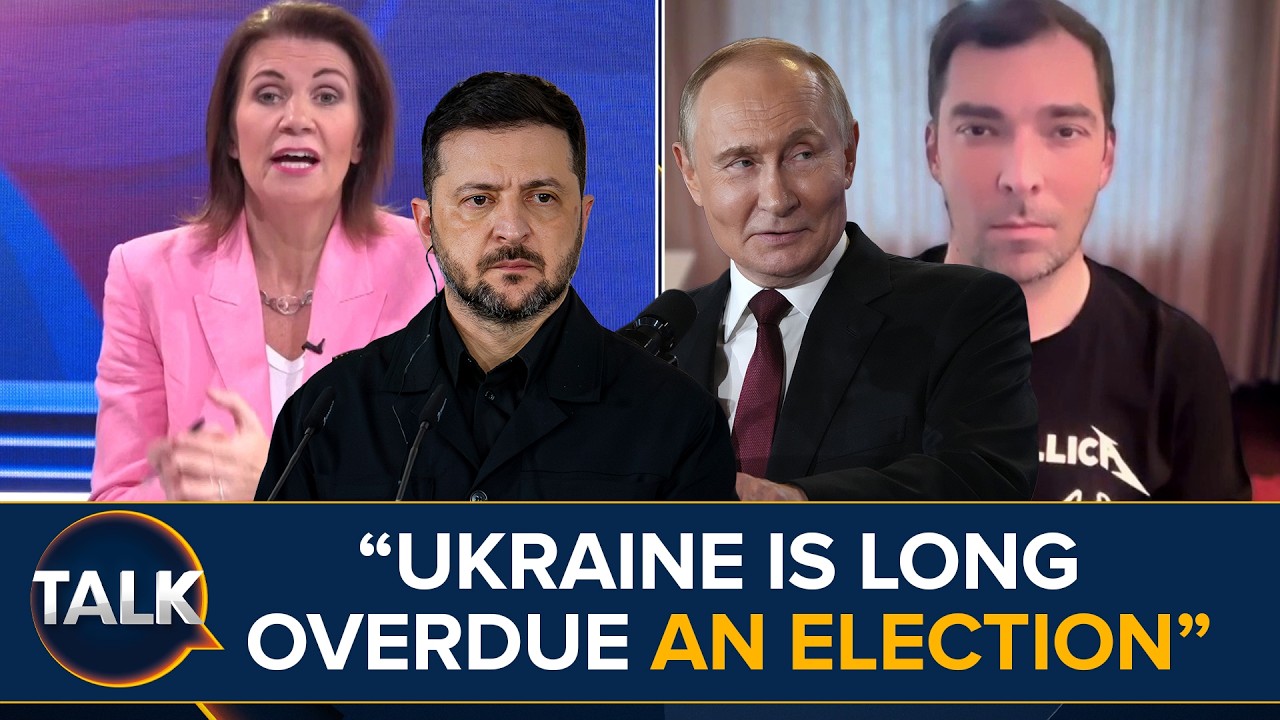
“Putin Has Not Budged” | Zelenskyy Says Ukraine Will Hold Elections Only After Ceasefire
In a significant development from the Munich Security Conference, Ukrainian President Volodymyr Zelensky has expressed an openness to holding elections if former US President Donald Trump successfully negotiates a two-to-three-month ceasefire with Russia. This conditional offer, made public in an interview with Politico on Friday, comes amidst ongoing diplomatic efforts, including US-brokered trilateral peace talks between Moscow and Kyiv, and a renewed emphasis from the US on accelerating a peace agreement. The proposition places an extraordinary burden on Trump, whose previous administration was marked by fluctuating relations with both Ukraine and Russia, and highlights the immense pressure Kyiv faces as the conflict approaches its fourth year.
The conflict in Ukraine, escalating into a full-scale invasion by Russia in February 2022, has plunged Europe into its most severe military confrontation since World War II. For nearly four years, Ukraine has fiercely resisted Russian aggression, heavily reliant on military and financial support from Western allies, particularly the United States. The long-standing nature of the war has taken a devastating toll on infrastructure, civilian lives, and the Ukrainian economy. As reported by The Independent, the ongoing conflict has also led to dire humanitarian conditions, with Ukrainians enduring the coldest winter in over a decade, exacerbating struggles to find food and maintain power amidst relentless Russian assaults. The economic and human cost has fueled a persistent, albeit complex, drive for peace talks, despite deep divisions between the belligerent nations.
The notion of elections in Ukraine has been a point of discussion, particularly given the martial law currently in effect. President Zelensky's latest comments signal a potential path forward, contingent on external intervention. During the Munich Security Conference, Zelensky directly implored Donald Trump to "ramp up its pressure on Russia" to achieve a substantial ceasefire. He clarified that holding elections, which he termed a "great idea," would not necessarily require "an end to the war," but specifically a "two- or three-month ceasefire." This stance came after comments from the US president suggesting Zelensky "get moving" on a peace agreement otherwise he risks missing a "great opportunity." Zelensky, in response, appeared to address these remarks by acknowledging the idea of elections, albeit under stringent conditions, as detailed by The Independent.
Meanwhile, diplomatic efforts continue on other fronts. A new round of US-brokered trilateral peace talks involving Moscow and Kyiv is scheduled to take place next week in Geneva, following an initial meeting in Abu Dhabi in January, as confirmed by both Kremlin spokesman Dmitry Peskov and Ukrainian President Volodymyr Zelenskyy’s communications adviser, Dmytro Lytvyn. These forthcoming discussions, occurring days before the fourth anniversary of Russia's full-scale invasion, highlight the persistent, albeit often stalled, pursuit of a diplomatic resolution. The ongoing cold winter and its devastating impact on Ukrainian civilians, struggling with freezing temperatures and power outages, underscore the urgency of any effective peace process, as reported by Sky News. Separately, the governor of Belgorod, Vyacheslav Gladkov, reported two fatalities and three injuries in a Ukrainian missile attack on an infrastructure site, further illustrating the ongoing hostilities even as talks are planned, according to Tribune India News Service.
Zelensky's conditional offer of elections introduces a complex variable into the already intricate geopolitical landscape of the Ukraine-Russia conflict. By specifically naming Donald Trump as the potential broker for a significant ceasefire, Zelensky is either strategically attempting to engage a future US administration or, more immediately, leveraging Trump’s influence ahead of potential US elections. This move could be interpreted as an acknowledgement of Trump's significant, if unpredictable, sway in global affairs and his often-stated desire to end the conflict quickly. However, it also places an enormous and potentially unrealistic expectation on a single individual, especially one currently campaigning for the US presidency and not actively holding office. Furthermore, linking elections to a "ceasefire" rather than a full "end to the war" reveals a pragmatic understanding of the immediate limitations of any peace initiative, focusing on a temporary cessation of hostilities that could allow for democratic processes to unfold.
From Russia's perspective, a temporary ceasefire for Ukrainian elections might offer a strategic pause, allowing for resupply and regrouping, or it could be seen as an unnecessary concession. The Kremlin's consistent demands have centered on broader security guarantees and territorial acknowledgements that are anathema to Kyiv. The upcoming trilateral talks in Geneva, while crucial, are unlikely to address the core electoral issue directly but rather focus on immediate de-escalation measures or prisoner exchanges. This unique proposal by Zelensky also implicitly acknowledges the deep reliance on external actors, particularly the US, for any significant shift in military dynamics or diplomatic breakthroughs. It also highlights the growing weariness and desperation within Ukraine, where the very act of holding free and fair elections, a cornerstone of its democratic identity, has become intertwined with the cessation of violence, even if temporary.
The backdrop to these developments includes a broader European conversation about defense and security. At the Munich Security Conference, European leaders, including the Prime Minister of the UK, the German Chancellor, and the French President, reaffirmed their commitment to enhancing collective defense and security, agreeing that Europe needs to "step up and do more to share the burden." This sentiment, echoed by Sir Keir Starmer, suggesting Europe must "take advantage of our huge defence capability," underscores a growing awareness of the need for European self-reliance, potentially due to concerns about future US foreign policy directions, especially if Trump were to return to office. The Independent further reported on the UK's commitment to double its troops in Norway, rising from 1,000 to 2,000 over the next three years, in response to what is perceived as Putin’s Arctic threat, and UK participation in NATO’s Arctic Sentry mission. This commitment also aligns with addressing concerns raised by Donald Trump regarding Greenland, indicating a complex web of interconnected strategic considerations.
On a more contentious note, President Zelensky also slammed the International Olympic Committee (IOC) for disqualifying Ukrainian athlete Vladyslav Heraskevych from competing in the Winter Olympics. Heraskevych was banned for wearing a helmet honoring Ukrainian athletes who died during the war, a violation of the Olympic Charter’s rule against political demonstrations. Zelensky asserted that "It is not politics to speak about what is actually happening," highlighting the ongoing tension between global sporting neutrality and the realities of geopolitical conflict, as reported by Sky News. This incident underscores the deep emotional and national stakes involved for Ukraine, where every platform, including sports, becomes a battleground for recognition and remembrance amidst the war.
The coming weeks and months will be critical on multiple fronts. The scheduled trilateral talks in Geneva next week will offer the first tangible opportunity to assess the immediate prospects for de-escalation, even if a comprehensive peace agreement remains elusive. The outcomes of these discussions could significantly influence the viability of any future ceasefire, particularly one long enough to facilitate elections in Ukraine. Furthermore, the political landscape in the United States, with Donald Trump's ongoing presidential campaign, will cast a long shadow over these developments. His potential return to the presidency could either accelerate a diplomatic push – as Zelensky hopes – or introduce new uncertainties for Ukraine and its Western allies.
Domestically for Ukraine, the prospect of elections, even under a temporary ceasefire, would present immense logistical and security challenges. Ensuring the safety of voters and candidates, particularly in regions close to the front lines or those previously occupied, would require substantial international oversight and guarantees. The continued discussions at global forums like the Munich Security Conference underscore the international community's recognition of the multifaceted crisis. However, the path from conditional offers to tangible peace remains fraught with obstacles, demanding unprecedented diplomatic skill and a willingness from all parties to make difficult concessions. The balance between maintaining military pressure and pursuing diplomatic off-ramps will define the next phase of this enduring conflict.
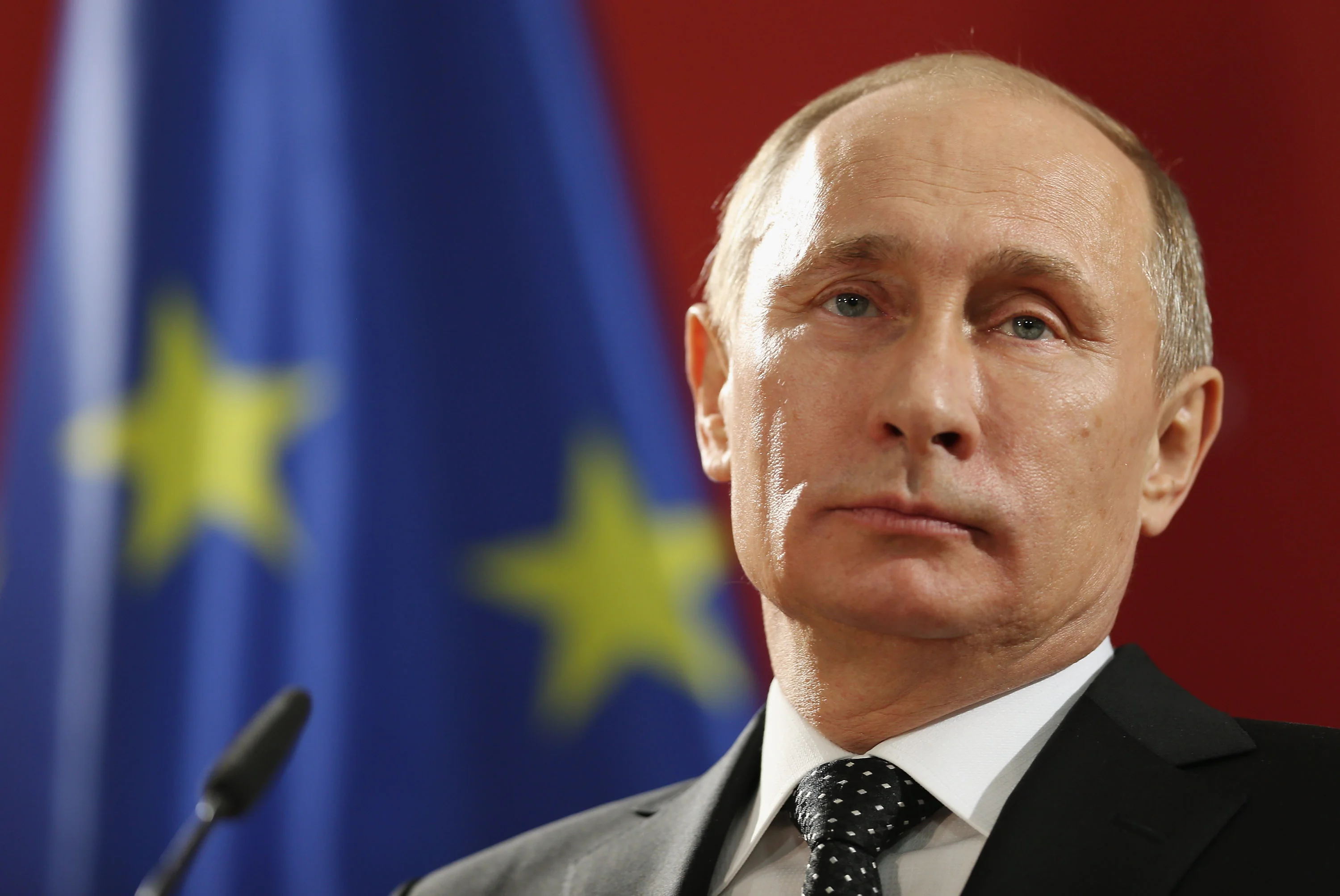
As the Ukraine war grinds into its fifth year, reports suggest Putin is considering unpopular measures while Russia faces critical internal issues, underscored by ongoing corruption in Kyiv and diplomatic efforts.
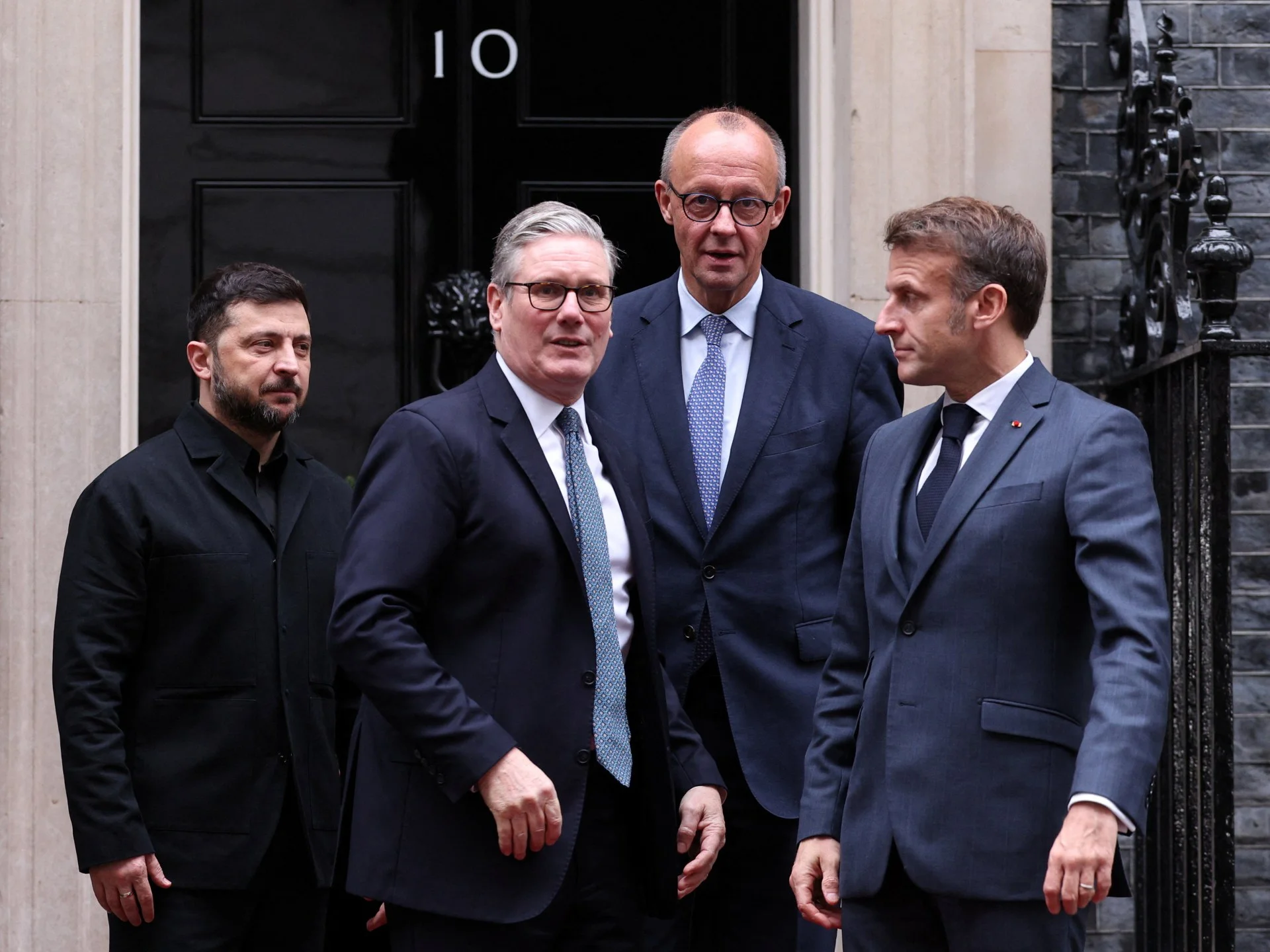
Ukrainian President Volodymyr Zelensky expresses doubts about planned trilateral peace talks with the US and Russia, citing Trump's focus on Iran.
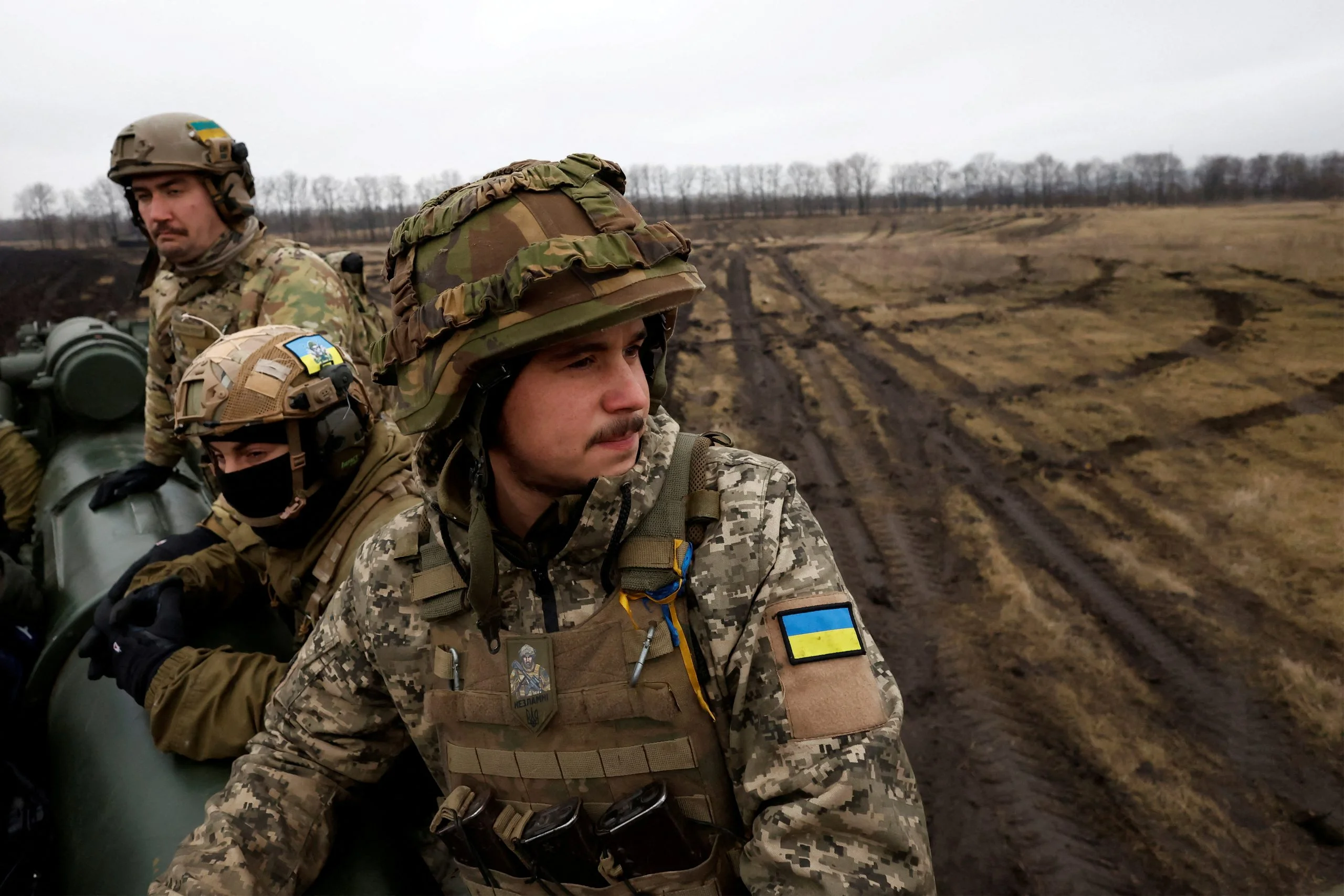
Key developments in the Ukraine war include new diplomatic efforts between the US, Russia, and Ukraine, Zelensky's EU ambitions, and warnings regarding nuclear safety.