Apple Shells Out $1.6 Billion for Secretive Israeli AI Firm Q.ai, Signaling Major AI Push
Apple makes its largest acquisition to date, securing Israeli AI company Q.ai for $1.6 billion to bolster its AI capabilities amidst recent setbacks.


Apple Buys Israeli AI Firm for $1.6B 🍎🤖 | iPhone #iphone #apple #appleai #siri #iphonexr

Why Apple's Partnership with Goldman Sachs Is The Future Of Banking | Forbes
In a landmark move that underscores its aggressive pursuit of artificial intelligence dominance, tech giant Apple has reportedly acquired the secretive Israeli AI startup Q.ai for an astonishing $1.6 billion. This deal marks the largest acquisition in Apple's history, according to reports from The Financial Times and Reuters on Thursday, as cited by The Jerusalem Post. The acquisition comes as Apple navigates challenges in deploying the full capabilities of its own "Apple Intelligence" platform, signaling a strategic imperative to enhance its AI technology.
Q.ai: Decoding "Silent Speech" for Intuitive Control
The Israeli startup, Q.ai, has largely operated in stealth since its inception, meticulously developing groundbreaking technology that analyzes "silent speech" derived from facial expressions. This innovative approach allows for a new paradigm in human-computer interaction. The Financial Times described Q.ai as a "secretive Israeli start-up" pioneering these advanced capabilities. Industry insiders involved in the deal estimate the startup's valuation closer to $2 billion. Apple's Senior Vice-President of Hardware Technologies, Johny Srouji, praised Q.ai, stating to The Financial Times that it is "a remarkable company that is pioneering new and creative ways to use imaging and machine learning."
Bridging Intent and Execution: The Technology Behind Q.ai
Q.ai's core innovation lies in its ability to bridge the gap between human intent and digital execution. Tom Hulme, a head at GV (formerly Google Ventures and an early investor in Q.ai), elaborated on this in a blog post, highlighting Q.ai's relentless work in this area. The technology developed by Q.ai is designed to detect "facial micro movements," particularly for use in intelligent headphones and glasses. This allows users to control these devices with minimal physical actions, promising a more intuitive and seamless user experience. The acquisition by Apple is expected to significantly amplify these capabilities, as Q.ai's CEO, Aviad Maizels, expressed to Reuters, "Joining Apple opens extraordinary possibilities for pushing boundaries and realizing the full potential of what we’ve created, and we’re thrilled to bring these experiences to people everywhere."
Aviad Maizels: A Serial Entrepreneur with an Apple Connection
This acquisition is not the first time Q.ai’s CEO, Aviad Maizels, has found himself at the helm of a company acquired by Apple. Hulme’s blog post noted Maizels' unique distinction of having two of his companies bought by the tech giant. His previous venture, PrimeSense, which developed the technology behind Microsoft's Kinect, was acquired by Apple in November 2013. This history suggests a strong alignment between Maizels' technological vision and Apple's strategic interests, further underscoring the significance of the Q.ai deal.
Apple's Strategic Push Amidst AI Setbacks
The hefty investment in Q.ai comes at a pivotal moment for Apple, which has recently faced setbacks in its AI ambitions. The company has experienced several delays in deploying the full announced capabilities of its "Apple Intelligence" platform. This acquisition is a clear indicator of Apple's intent to accelerate its AI development and enhance its access to cutting-edge AI technology, as reported by The Jerusalem Post. The integration of Q.ai's advanced facial recognition and "silent speech" analysis could provide Apple with a unique differentiator in an increasingly competitive AI landscape.
Broadening AI Partnerships: Google and OpenAI
Prior to the Q.ai acquisition, Apple had already made strategic moves to bolster its AI infrastructure through partnerships. On January 13, Apple announced a deal with Alphabet, Google’s parent company, to integrate its Gemini AI system into Apple Intelligence software. This collaboration aims to improve Apple’s AI systems across its devices, while simultaneously expanding Google’s AI reach, which already powers Samsung’s "Galaxy AI." Google reportedly stated that its AI technology provides "the most capable foundation for Apple Foundation Models" and will power future Apple Intelligence features. It's important to note that this agreement does not supersede Apple’s existing deal with OpenAI's ChatGPT system, indicating a multi-pronged approach to AI integration and development for the Cupertino behemoth.
Related Articles
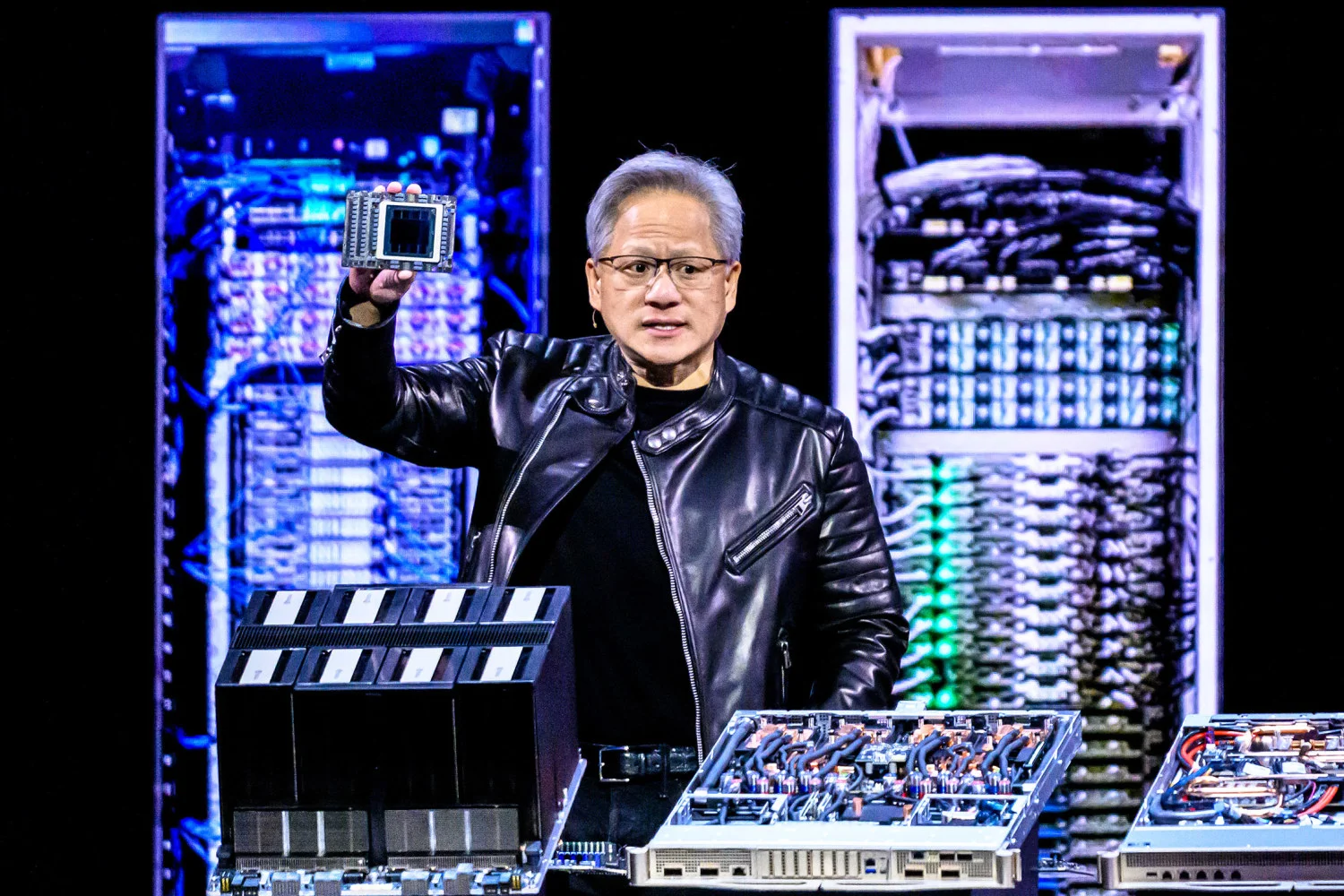
Nvidia Accelerates China Strategy with Custom AI Chips and Renewed H200 Exports
Nvidia is developing a Chinese-compatible version of its newly acquired Groq AI chips and resuming H200 processor exports, signaling a critical pivot in its strategy for the lucrative Chinese market amidst US export controls.