Apple's Strategic Split: Why Two Events Are Better Than One for Product Launches
Apple is increasingly opting for multiple launch events per season, a strategic shift that maximizes media coverage and audience engagement for its diverse product line.

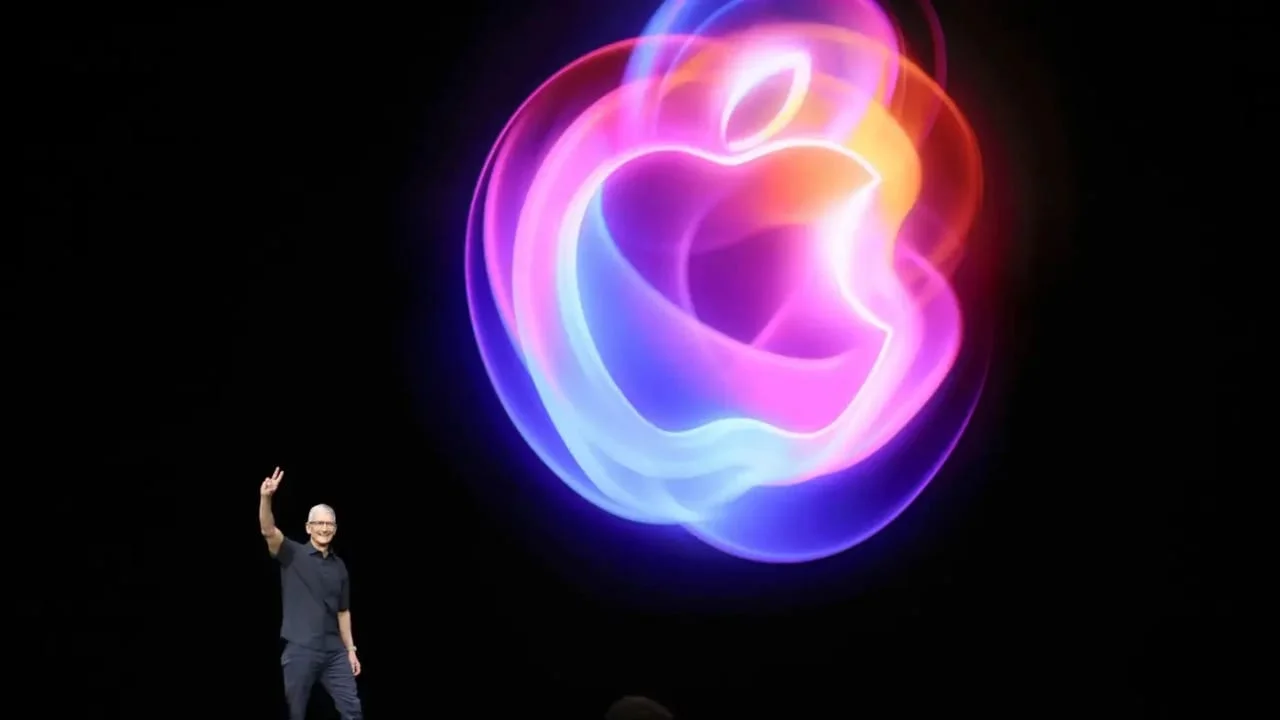
Today marks another highly anticipated Apple event, but industry insiders and seasoned observers are increasingly convinced that this "extravaganza" is merely the first act in a strategic two-part unveiling. Rather than cramming all its latest innovations into a single, overwhelming presentation, Apple appears to be deliberately segmenting its product announcements across multiple events. This calculated approach, which has historical precedent, is designed to sustain media attention, simplify complex updates for consumers, and ultimately, amplify the impact of each new product reveal. The expectation is that today's event will likely focus on the iPhone and Apple Watch, leaving the eagerly awaited Mac and iPad updates for a subsequent, dedicated presentation.
Background and Context: A Shifting Strategy
The notion of Apple hosting multiple events within a short timeframe isn't a new phenomenon, but it has become a more pronounced and deliberate strategy in recent years. Historically, major product announcements, particularly the iPhone, often dominated a single key autumnal event. However, as Apple's product ecosystem has diversified and expanded to include a wider array of devices – from wearables and tablets to multiple lines of computers and services – the complexity of introducing everything simultaneously has grown. The shift to fully digital events, accelerated by the global pandemic, has further removed logistical barriers that once constrained event frequency. As The Next Web points out, the company’s 2020 schedule serves as a clear blueprint, featuring three distinct events in the latter half of the year. This multi-event cadence allows for a more focused narrative around specific product categories, preventing any single launch from being overshadowed.
Key Developments: The Two-Part Theory Gains Traction
The strongest indication of Apple's two-event strategy comes from reputable sources within the tech industry. Mark Gurman, a Bloomberg journalist and well-known Apple prognosticator, explicitly stated on September 12, 2021, via social media, "There will be two events, and I’d expect the latter to be Mac + iPad. iPhone/Watch Tuesday." While this might appear to be a straightforward prediction, its significance lies in Gurman's consistent accuracy in forecasting Apple's moves. As The Next Web notes, while not "Sherlockian analysis," such direct clues from trusted reporters carry considerable weight. This prediction aligns perfectly with Apple's recent history, particularly the segmented rollouts seen in 2020. That year, Apple held an event on September 15 for new Apple Watches and iPads, followed by an October 13 event for the iPhone 12 range, and finally, a November 10 event dedicated to the new M1-powered Macs. This pattern strongly suggests a calculated evolution in Apple's product unveiling approach, moving away from a singular "big bang" event to a more distributed series of announcements that maximize impact and extended media cycles.
Analysis: What This Means for Apple and Beyond
This deliberate segmentation of product launches represents a shrewd strategic evolution for Apple, deeply rooted in both marketing psychology and operational efficiency. From a marketing perspective, by splitting product categories across multiple events, Apple can generate discrete peaks of excitement and sustained media coverage. Each event becomes its own narrative, preventing product fatigue and allowing journalists and consumers to digest updates without being overwhelmed by a barrage of information. As The Next Web aptly observes, "Basically, every damn media outlet will cover the ins-and-outs of each event, meaning Apple will receive huge amounts of coverage for just… splitting up a video? Sending out some RSVPs?" This dramatically increases the company's "share of voice" in the tech conversation, keeping Apple products at the forefront of public consciousness for a longer period. Operationally, the shift to fully digital events has removed the logistical constraints of physical gatherings, making it far easier and less costly to produce multiple, focused presentations. This strategy not only benefits Apple by amplifying its message but also offers a more manageable experience for consumers, who can now absorb information about a few key products at a time rather than deciphering a sprawling, multi-hour presentation covering everything from a new chip to a new watch.
Additional Details: Past Precedents and Future Expectations
The foundation for Apple's current multi-event strategy was firmly laid in 2020, a year that saw the company adeptly navigate the challenges of a global pandemic by embracing digital-only presentations. That year's schedule, meticulously detailed by sources such as The Next Web, serves as the most compelling evidence for the current two-part theory. The September 15th event focused squarely on the new Apple Watches and iPads, introducing significant updates to both product lines. This was followed by the October 13th event, which was the highly anticipated unveiling of the iPhone 12 series, complete with its 5G capabilities and a refreshed design. Finally, the November 10th event was a landmark moment, showcasing the revolutionary M1 chip and the first generation of Macs powered by Apple Silicon. This three-tiered approach allowed each major product category – wearables/tablets, smartphones, and computers – to have its dedicated moment in the spotlight, ensuring maximum visibility and in-depth analysis from media outlets. The success of this model in generating sustained buzz and covering a broad, diverse product portfolio without dilution seems to have solidified its place in Apple's long-term marketing playbook, making a repeat performance highly probable.
Looking Ahead: What to Watch For
As the first of these anticipated events unfolds, observers will be keen to see if the product split aligns with Gurman's prediction of iPhone and Apple Watch today. Following this, the next key date to watch will be an anticipated second event, likely in October or November, dedicated to Mac and iPad updates. This subsequent event is expected to showcase potentially significant advancements in Apple's computing and tablet lines, possibly including new iterations of the M-series chips and redesigned devices. The consistency of this multi-event strategy suggests it will continue to be Apple's preferred method for major product cycles, offering a serialized narrative that maintains buzz and media engagement for longer periods. For consumers, this means a more focused and less overwhelming insight into new technologies, while for competitors, it signals a prolonged period of intense Apple-driven news cycles.
Related Articles
Apple Bolsters AI Prowess with Acquisition of Stealthy Israeli Startup Q.ai
Apple confirms the acquisition of Q.ai, an Israeli AI startup focusing on whispered speech and advanced audio, founded by PrimeSense co-founder Aviad Maizels.