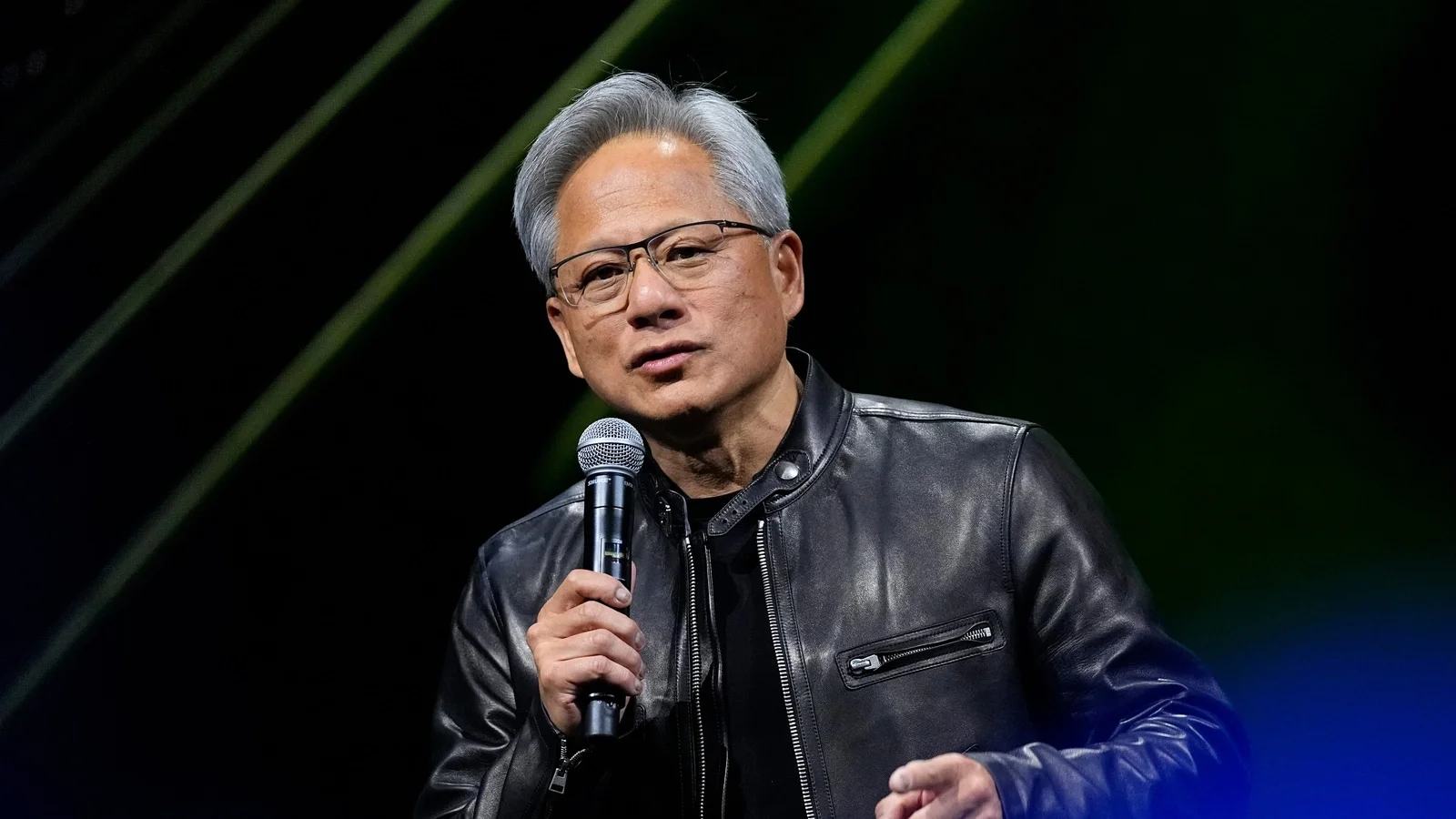
Nvidia CEO Jensen Huang has cancelled his much-anticipated visit to the India AI Impact Summit due to "unforeseen circumstances," sending a senior delegation instead, impacting the high-profile event.
In a significant development for India's burgeoning artificial intelligence sector, Nvidia CEO Jensen Huang has unexpectedly canceled his scheduled participation at the high-profile India AI Impact Summit. The company announced the cancellation on Saturday, citing "unforeseen circumstances" for Huang's inability to travel. While the influential CEO will no longer be attending, Nvidia, a pivotal player in the global AI ecosystem known for its fast-processing GPU servers, confirmed it would still send a high-level delegation led by Executive Vice-President Jay Puri. The summit is poised to take place in Bharat Mandapam from February 16-20, raising questions and discussions within the tech community regarding the implications of Huang's absence.
India has been actively positioning itself as a global hub for artificial intelligence innovation, research, and development. The government, along with various industry stakeholders, has made it a priority to foster an environment conducive to technological advancement, particularly in the AI domain. Events like the India AI Impact Summit are crucial components of this strategy, designed to showcase the nation's capabilities, attract foreign investment, and facilitate collaborations between global tech giants and local talent. Nvidia, under Jensen Huang's leadership, has been at the forefront of the AI revolution, with its graphics processing units (GPUs) becoming essential hardware for AI model training and deployment. Therefore, Huang's presence at such an event would have offered a significant boost to India's AI narrative, drawing attention and potential partnerships, as highlighted in reports from The Federal. The cancellation, while attributed to unforeseen circumstances, inevitably creates a ripple of disappointment amongst those eager to hear directly from one of AI's most impactful figures on India's role in the global AI future.
The news of Jensen Huang's cancellation emerged on Saturday, February 14, 2026, as reported by The Federal. The AI Impact Summit, a five-day event focusing on the transformative power of artificial intelligence, is scheduled to commence shortly. Nvidia's direct statement confirmed that "Due to unforeseen circumstances, Jensen Huang is unable to travel to India at this time." Despite this setback, the company has reiterated its commitment to the Indian AI landscape. A senior Nvidia delegation, helmed by Executive Vice President Jay Puri, is confirmed to attend. The company's statement emphasized that this delegation would be "on the ground to celebrate India's exceptional AI researchers, startups, developers, and the partners building the nation's AI infrastructure." This indicates a strong signal that Nvidia's engagement with India's AI initiatives remains robust, even in Huang's physical absence. The significance of Nvidia in the AI space cannot be overstated; their GPUs are the backbone for much of the advanced AI computation, making their involvement crucial for any nation aspiring to be an AI leader. The context of their market influence is further underscored by broader industry trends where "Apple, Google, Amazon, Meta and Nvidia are masking..." market risks, as noted by Investor's Business Daily in their analysis of AI stocks and market trends. The continued presence of a high-level Nvidia team, despite the CEO's absence, underscores the strategic importance Nvidia places on the Indian market and its growing AI capabilities.
Jensen Huang's absence from the India AI Impact Summit, though attributed to "unforeseen circumstances," carries symbolic weight for India's ambitious drive to become a global AI powerhouse. While a senior delegation will still represent Nvidia, the personal presence of a visionary leader like Huang often catalyzes greater attention, investment, and strategic partnerships. His keynotes are highly anticipated events, serving not just as product announcements but also as directional statements for the industry. His absence might temper some of the initial excitement, potentially impacting the immediate media spotlight on specific deals or announcements that might have accompanied a CEO-level visit. However, it's crucial to contextualize this within Nvidia's broader strategy and India's inherent strengths. Nvidia's decision to send Executive Vice-President Jay Puri and a senior team indicates that the strategic importance of the Indian market remains undiminished. The summit will still serve as a vital platform for showcasing India's AI talent and infrastructure, fostering collaborations, and attracting investments from other global AI players. The incident does, however, highlight the delicate balance of international business and the reliance on key figures for high-profile engagements. It also subtly reinforces the need for nations to build robust, self-sustaining AI ecosystems that are not overly dependent on the presence of individual leaders from foreign corporations, no matter how influential. For stakeholders, it means shifting focus from a single celebrity founder to the substantive discussions and collaborations that will still undoubtedly occur at the summit.
The India AI Impact Summit, scheduled from February 16-20 at Bharat Mandapam, is a testament to India's commitment to advancing in the artificial intelligence sector. While Huang's personal appearance would have been a major highlight, the fact remains that Nvidia is sending a significant delegation. This underscores the company's recognition of India as a critical market and a growing hub for AI innovation. Nvidia's dominance in the AI hardware space, particularly with its GPUs, makes its involvement indispensable for any country aiming for significant progress in AI. As Investor's Business Daily regularly reports, AI stocks and trends are under constant scrutiny, with major tech players like Nvidia often influencing market directions. The company's continued engagement, even with a delegated team, ensures that Indian AI researchers, startups, and developers will still have direct access to one of the most influential technology companies in the world. This ongoing interaction is vital for integrating India's AI capabilities into the global ecosystem and for facilitating the adoption of cutting-edge hardware and software solutions necessary for complex AI workloads. The summit itself, as reported by The Federal, will likely host numerous discussions on various aspects of AI, from policy-making to practical applications, irrespective of specific attendee changes.
While Jensen Huang's absence from the India AI Impact Summit is a notable point of discussion, the broader narrative for India's AI ecosystem remains largely positive and forward-looking. The participation of a senior Nvidia delegation, albeit not the CEO, signals continued strong interest from global tech leaders. This summit is positioned as a critical platform for Indian AI researchers, startups, and developers to connect with international partners and solidify India's place on the global AI map. The focus will now shift to the substantive discussions, proposed collaborations, and policy directions emerging from the event, rather than solely on the star power of a single individual. For India, the long-term goal is to cultivate a robust and self-sufficient AI industry capable of driving economic growth and technological advancement. The insights shared by the Nvidia team, combined with the collective efforts of domestic and international stakeholders present at the summit, will be instrumental in shaping the next phase of AI development in the country. Future developments will likely include new investments, research collaborations, and policy frameworks aimed at accelerating AI adoption across various sectors, further cementing India's position in this rapidly evolving technological landscape.
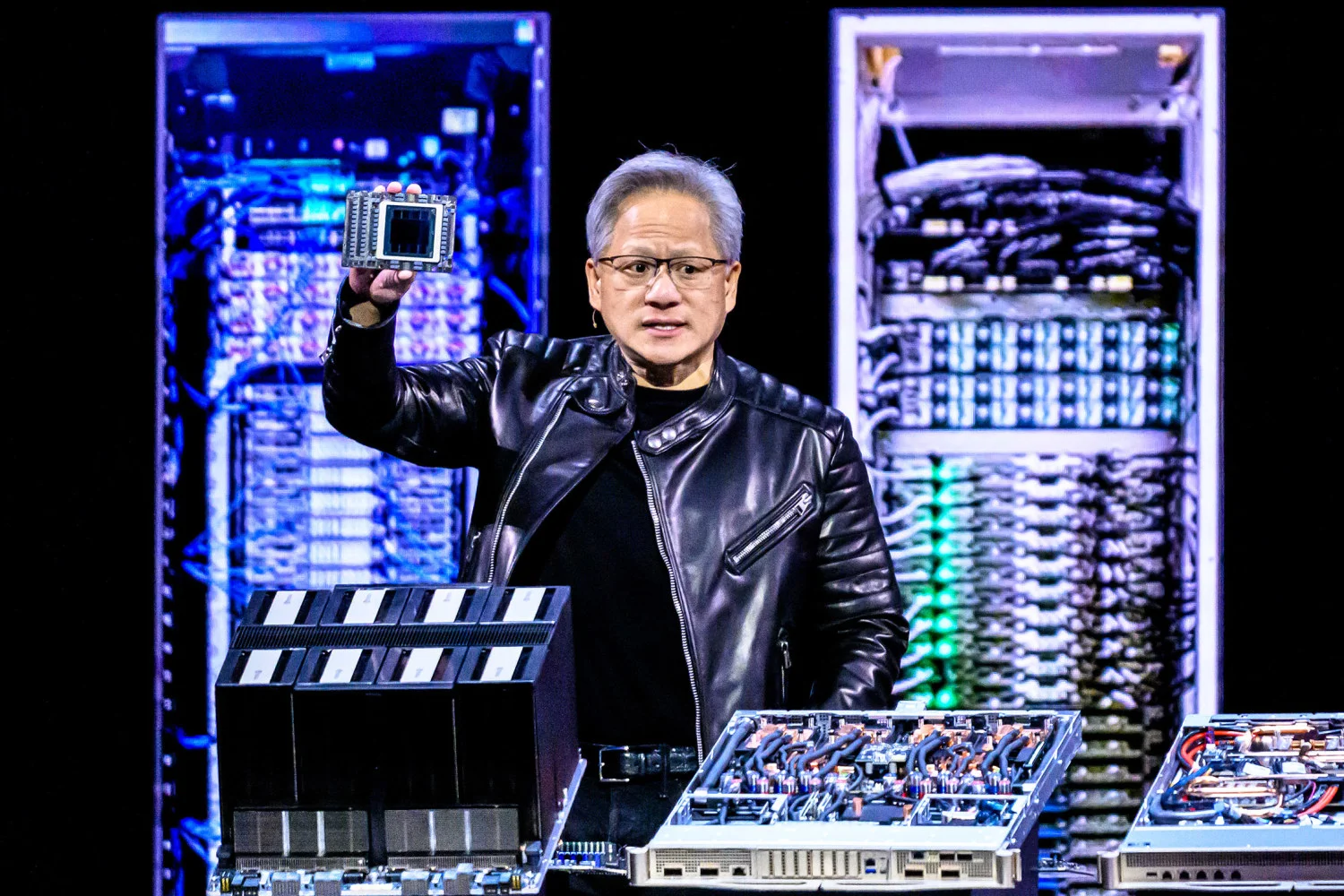
Nvidia is developing a Chinese-compatible version of its newly acquired Groq AI chips and resuming H200 processor exports, signaling a critical pivot in its strategy for the lucrative Chinese market amidst US export controls.
Nvidia CEO Jensen Huang has hailed OpenClaw, an open-source AI agent, as a foundational shift, akin to Windows for PCs, while announcing NemoClaw for secure, private AI assistants. This comes as the industry grapples with distributed AI and digital sovereignty.
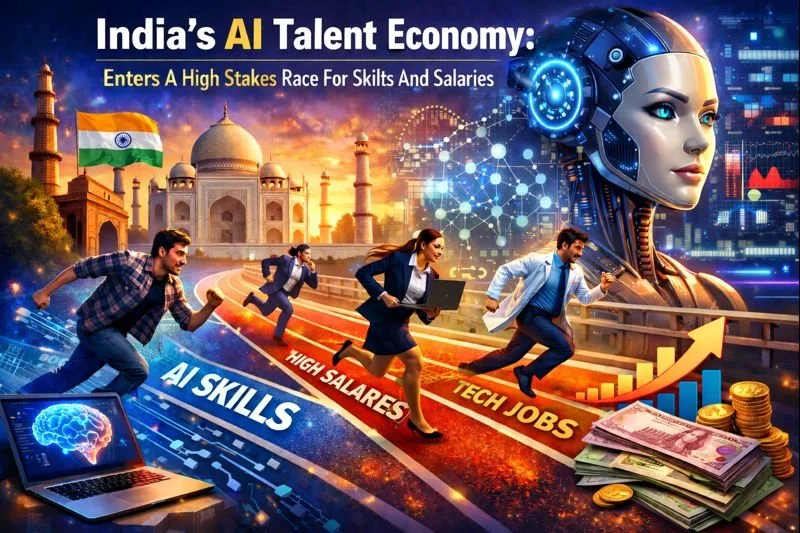
The AI boom is causing an unprecedented battle for top tech talent, with startups offering over $300,000 to new graduates and Big Tech spending billions to secure elite AI scientists, even as automation threatens traditional tech roles.