Belgium Forges Path as Global Leader, Unanimously Bans Trophy Hunting Imports
Belgium celebrates a historic victory for wildlife, banning imports of hunting trophies from endangered species such as lions and elephants after a unanimous parliamentary vote.

In a resounding victory for global wildlife conservation, Belgium has officially enacted a ban on the import of hunting trophies derived from endangered and threatened species. This landmark decision, underpinned by a unanimous parliamentary vote, positions Belgium at the forefront of international efforts to safeguard vulnerable animal populations. Coming almost two years after a parliamentary resolution first called for such action, the new legislation directly protects iconic species like African elephants, lions, rhinos, cheetahs, and jaguars, alongside numerous other at-risk animals. The move reflects robust public sentiment against trophy hunting and sets a powerful precedent for other nations to follow, particularly within the European Union.
A Decades-Long Battle for Wildlife Protection
The journey towards Belgium's comprehensive ban on trophy hunting imports is rooted in a growing global awareness and condemnation of the practice, particularly as it pertains to endangered species. For decades, conservationists and animal welfare organizations have campaigned tirelessly, highlighting the ethical concerns, ecological damage, and questionable conservation benefits often associated with trophy hunting. While proponents argue that regulated hunting can fund conservation efforts, critics contend that the practice frequently exacerbates population declines for species already fighting for survival. The unanimous 2022 parliamentary resolution in Belgium, which laid the groundwork for this new legislation, was a direct response to this evolving public and political landscape. This initial resolution, as cited by PEACE4ANIMALS, signaled a clear intent from Belgian lawmakers to align national policy with the prevailing scientific consensus regarding biodiversity loss and the ethical treatment of animals.
Historic Unanimous Vote Seals the Ban
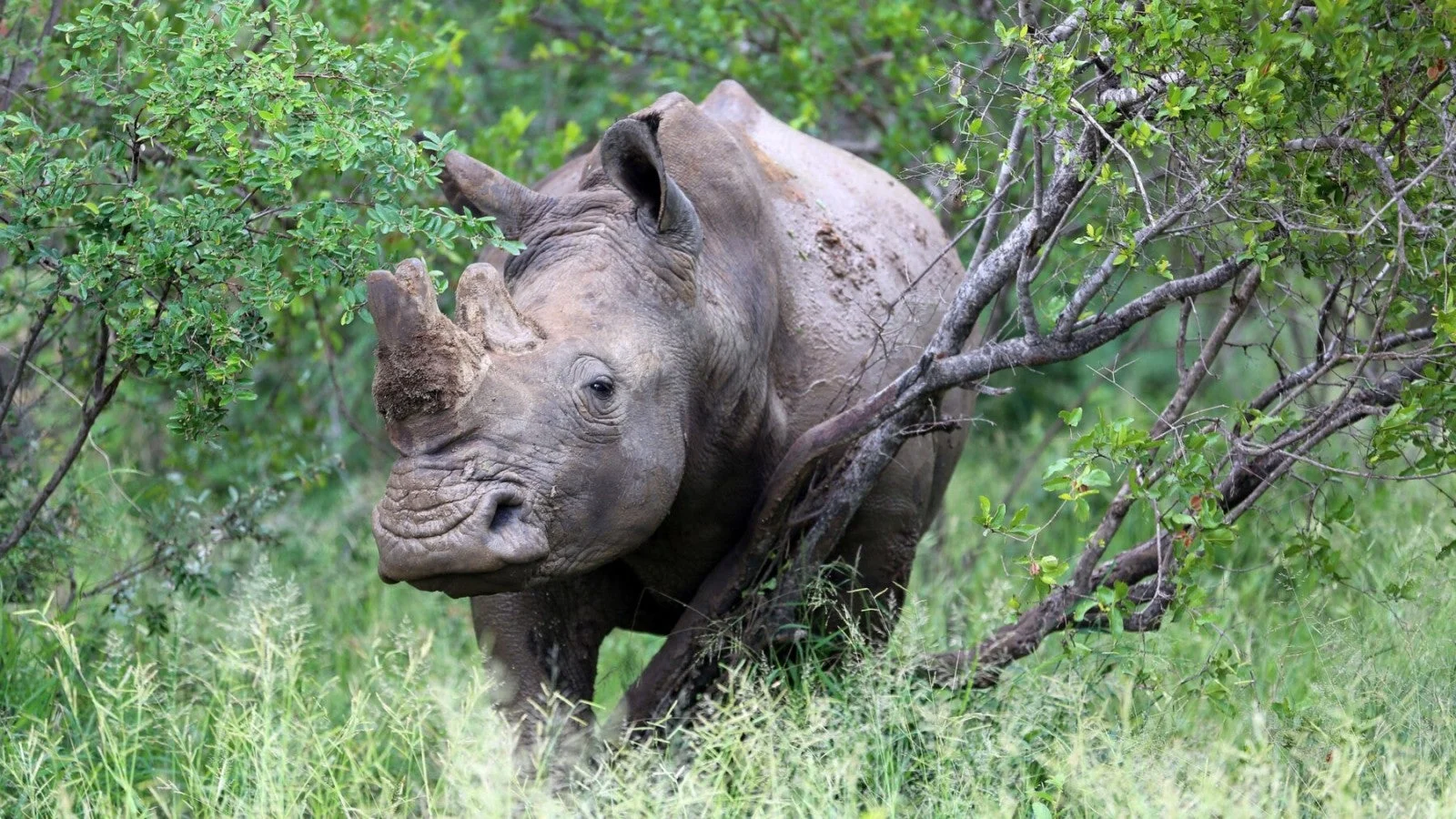
The defining moment arrived with the unanimous vote in the Belgian Chamber of Representatives, formalizing the ban on trophy hunting imports. Minister of Climate, the Environment, Sustainable Development and Green Deal, Zakia Khattabi, spearheaded the legislative project, fulfilling the mandate set by the 2022 parliamentary resolution. This swift progression from resolution to binding law underscores the political will and broad consensus within Belgium on this critical issue. The law now prohibits imports of trophies from species listed in Annex A of European Regulation 338/97, encompassing critically endangered animals such as jaguars, cheetahs, leopards, certain brown bears, chimpanzees, and African elephants. Furthermore, the ban extends to selected Annex B species, including the African lion, Southern white rhino, hippos, and argali sheep, which are also classified under Regulation (EC) No 865/2006. This expanded protection goes beyond the original six Annex B species initially identified in the 2022 parliamentary resolution, demonstrating a commitment to comprehensive coverage. Member of Parliament Kris Verduyckt (Vooruit, Flemish Socialists), who initially proposed the import ban, expressed his delight, stating, "Our country is finally banning the import of hunting trophies of endangered animals. The protection of these species is incompatible with trophy hunting imports." Humane Society International/Europe played a crucial role in advocating for this legislation, working alongside Belgian lawmakers for years to bring about this historic change, as reported by PEACE4ANIMALS.
Analysis: Belgium's Leadership and Potential Ripple Effect
Belgium's decision is far more than a localized policy change; it represents a significant moral and political victory that could catalyze broader European and global shifts. The unanimity of the vote, particularly in a country with diverse political factions, speaks volumes about the widespread disapproval of trophy hunting when it directly impacts endangered species. This move by Belgium offers compelling evidence that nations do not need to wait for a collective EU mandate to take decisive action on critical environmental and ethical issues. Its stance directly challenges the common arguments used to defend trophy hunting imports, placing the intrinsic value and survival of species above recreational pursuits. Given the strong public opposition to trophy hunting across Europe – a 2020 Ipsos survey found 91% of Belgians oppose it and 88% support an import ban – Belgium's move provides a powerful template for other EU member states. If other nations are emboldened to follow suit, it could create a patchwork of national bans that ultimately pressure the European Union to adopt a continent-wide prohibition, thereby preventing the "fragmentation of the EU Single Market" that Ruud Tombrock of HSI/Europe warned against, as seen on PEACE4ANIMALS. While topics like the ongoing conflict in Ukraine continue to dominate global headlines, as seen in updates from Sky News, and domestic political matters occupy the attention of nations like India, reported by The Indian Express, Belgium's commitment to wildlife at this critical juncture highlights that environmental protection remains a paramount concern for progressive governments.
Comprehensive Protections for Vulnerable Populations
The scope of Belgium's new law demonstrates a thorough commitment to protecting a wide array of threatened and endangered species. Prior to this ban, Belgium was importing trophies from animals like hippos, cheetahs, and polar bears, which are all species facing significant threats in the wild. The updated legislation broadens this protection considerably, ensuring that any species currently categorized as at risk from trade, or those that could become threatened without restrictions, are covered. The inclusion of species like the Cape mountain zebra, often overlooked in broader discussions, showcases the law's comprehensive nature. By explicitly listing specific Annex A and Annex B species from established European regulations, Brussels has created a clear and enforceable legal framework. This detailed approach minimizes loopholes and provides robust legal backing for the prohibition. Minister Khattabi’s emphasis on the urgency and necessity of this protection underscores the gravity of the ongoing biodiversity crisis. The consistent advocacy from organizations like Humane Society International/Europe highlights the importance of sustained, collaborative efforts between civil society and legislative bodies to achieve tangible conservation outcomes. Their efforts to secure the unanimous 2022 resolution and subsequent legislative approval played a pivotal role in translating public sentiment into concrete policy.
Looking Ahead: A Domino Effect in Europe?
The next steps for Belgium's ban involve the royal sanction and publication in the Moniteur Belge, after which it will officially enter into force. However, the impact of this decision is already reverberating beyond Belgium's borders. As Ruud Tombrock of HSI/Europe noted, Belgium's action serves as a strong signal and support for similar pending legislation in neighboring France. There, a cross-party Assembly bill, introduced by Ecologist MP Sandra Regol and backed by Renaissance MP Corinne Vignon, seeks to ban the import of hunting trophies of protected species, mirroring Belgium's bold move. This convergence of legislative efforts across European nations suggests a growing momentum towards a unified, more ethical approach to wildlife conservation within the EU. The hope is that Belgium's leadership will inspire other Member States to re-evaluate their own trophy import policies, ultimately pushing for a continent-wide ban that truly reflects the values and concerns of European citizens for biodiversity and animal welfare. The coming months will be crucial in observing whether this "victory" for Belgium translates into a broader European protection movement, solidifying the continent's role as a global leader in wildlife preservation.
Related Articles

John Abraham Champions Animal Sentience at 'Oslo: A Tail of Promise' Pune Premiere
John Abraham, presenter and producer of 'Oslo: A Tail of Promise,' emphasizes that "animals are not here to serve us" at the film's Pune premiere, celebrating interspecies bonds.