The latest tranche of Jeffrey Epstein files has triggered a wave of high-profile resignations and criminal investigations across Europe and the US, exposing deep connections among the global elite.
The long shadow of deceased financier and convicted sex offender Jeffrey Epstein continues to lengthen, as a recent, extensive release of documents by the Justice Department has unleashed a wave of resignations and intensified investigations across the globe. Unveiling years of clandestine correspondence and unsettling visual evidence, the more than 3 million documents have roiled Europe, leading to significant professional exits and criminal inquiries. While the ripple effect has been markedly more pronounced across the Atlantic, the United States has also seen notable figures, including former Obama White House official Kathy Ruemmler, step down amidst the renewed scrutiny. These revelations connect Epstein and his long-time associate Ghislaine Maxwell to some of the world's most influential and wealthy individuals, shining an uncomfortable light on the networks that enabled his predatory activities for decades.
Jeffrey Epstein's criminal history stretches back to 2008 when he pleaded guilty to two charges related to soliciting prostitution, one involving a minor, highlighting a pattern of abuse that was already established. Despite this conviction, he continued to operate within elite circles, a fact brought into stark relief by the recently released documents. His eventual arrest on federal sex trafficking charges in 2019 and subsequent death by suicide in federal custody later that year amplified public outrage and demands for accountability. For decades, judges and lawmakers have asserted that Epstein abused, trafficked, and molested scores of underage girls, many of whom have bravely come forward in courtrooms and public forums to share their harrowing experiences. The current document release, detailing communications and associations long after his initial conviction, underscores the disturbing degree to which powerful individuals either overlooked or actively facilitated his access to a vast network, allowing his reign of terror to persist.
The latest revelations from the Epstein files have triggered a domino effect, particularly within European elite circles, where resignations and active criminal inquiries are far more prevalent than in the United States. One of the most significant professional casualties has been Sultan Ahmed bin Sulayem, the Emirati businessman who resigned immediately from his esteemed role as chairman of DP World, one of the world's largest logistics companies. Emails between bin Sulayem and Epstein paint a picture of a close, trusted relationship, with one particularly disturbing exchange in which bin Sulayem replied to Epstein's trust declaration with, "Thank you my friend I am off the sample a fresh 100% female Russian at my yacht." The company's official statement did not explicitly link the resignation to the Epstein files, but immense pressure from financial groups after the emails came to light made the connection undeniable.
Across the Channel, Sarah Ferguson, the former Duchess of York, has also seen her charitable endeavors impacted. Sarah’s Trust, a charity she founded, announced its closure for the "foreseeable future" following the document release. While the trust stated discussions had been ongoing for months, Ferguson's sustained contact with Epstein long after his 2008 conviction, as revealed in the newly public emails, placed her under renewed public scrutiny. Other charities have also reportedly distanced themselves from her. Ferguson, whose ex-husband Andrew Mountbatten-Windsor also had known ties to Epstein, had attempted to publicly distance herself from the financier over a decade ago, admitting in a 2011 interview that borrowing £15,000 from him was a "gigantic error of judgment." Yet, the new files suggest a continued association that complicates these earlier disavowals.
In the United States, while exits have been less widespread, some influential figures have also faced consequences. Physician and longevity expert Peter Attia stepped down from his role as chief science officer of David Protein and was removed as an advisor to the powdered supplement company AG1. Attia's correspondence with Epstein, described as "friendly and sometimes crude" by The Washington Post, included messages like "P---y is, indeed, low-carb. Still awaiting results on gluten content, though." and a telling admission: "You [know] the biggest problem with becoming friends with you? The life you lead is so outrageous, and yet I can’t tell a soul …" Attia publicly apologized, asserting his interactions had "nothing to do with his sexual abuse or exploitation of anyone." Former Harvard University president and Treasury Secretary, Lawrence H. Summers, also took a step back from public commitments, including resigning from the board of OpenAI. Summers' close friendship with Epstein, maintained through extensive email exchanges until the day before Epstein's 2019 arrest, prompted him to express deep shame and initiate efforts to "rebuild trust and repair relationships." The varied responses to the document release – from immediate resignations to more subtle withdrawals from public life – underscore the uncomfortable reckoning now faced by those whose past associations with Epstein have been brought violently into the light.
The disparate responses to the Epstein files, particularly the contrast between the European and American reactions, offers a stark commentary on the power dynamics and accountability mechanisms in different societal spheres. In Europe, the immediate and widespread resignations, even when not explicitly linked to Epstein in official releases, suggest a more rapid assessment of reputational risk and, perhaps, a stronger public and institutional intolerance for even tangential association with such egregious crimes. This could be indicative of different journalistic pressures, more robust public scrutiny from watchdog groups, or simply a lower tolerance for perceived moral compromises within their public and corporate sectors. The financial groups pressuring DP World, for instance, demonstrate how economic interests can accelerate accountability where moral outrage alone might falter. The sheer volume of this data release ensures that even the most fleeting or seemingly innocuous interactions are now subject to intense scrutiny, forcing individuals and their affiliated organizations to confront past decisions.
Conversely, the comparatively fewer direct professional exits in the U.S., despite the gravity of the revelations, highlight a potential 'wait and see' approach adopted by many institutions, or perhaps a greater resilience against public pressure in certain high-powered American circles. The case of CBS News and Peter Attia is particularly illustrative. Despite journalists within the network having previously reported on Attia's ties to Epstein, his inclusion in a new slate of contributors shortly before the latest document release speaks to a potential internal disconnect or oversight that was quickly rendered untenable by the intensifying public scrutiny. The lingering question is why, given the known history of Epstein's crimes, so many influential individuals continued to maintain contact, or why their prior associations did not trigger more preemptive disconnections. This exposes a unsettling reality: for many years, associating with a convicted sex offender, particularly one with immense wealth and connections, was evidently not deemed a career-ending or socially unacceptable pursuit within certain elite ecosystems. The current fallout, therefore, represents a long-overdue, and perhaps incomplete, rectification of a systemic normalization of a predator within powerful social networks.
The newly unveiled documents paint a vivid picture of the pervasive reach of Jeffrey Epstein's influence, illustrating how he cultivated relationships with a diverse array of powerful figures, from medical experts to economic policy shapers. Peter Attia's admission that Epstein’s "outrageous" life was something he "can’t tell a soul …" speaks volumes about the clandestine nature of these associations and perhaps the lure of being privy to such an exclusive, albeit morally compromised, world. This sentiment suggests an awareness, at least on some level, of the illicit undertones surrounding Epstein, yet it did not deter continued engagement. Similarly, Larry Summers' long-standing communication with Epstein, maintained until the very day before the financier's 2019 arrest, underscores a degree of comfort and trust that appears to have transcended Epstein's criminal past. Summers, a man who has held influential positions across the American political spectrum, from Ronald Reagan's White House to advising President Joe Biden, and who sat on the board of OpenAI, represents the highest echelons of intellectual and economic power. His lengthy exchanges with Epstein, as highlighted by Congress's document release, demonstrate how deeply embedded Epstein was within circles that shape global policy and technological advancements. The revelation that Epstein's network spanned individuals advising on AI regulation while maintaining connections to a convicted sex offender highlights a profound ethical Blindspot within these elite spheres. The ongoing nature of these relationships, often years after Epstein's 2008 conviction, remains one of the most troubling aspects of the entire saga, challenging the public's perception of integrity and accountability among the world's most privileged.
The current wave of resignations and investigations, while significant, likely represents only the tip of the iceberg in a broader societal reckoning. As the remaining millions of documents are meticulously parsed and analyzed, it is highly probable that more names will emerge, leading to further scrutiny, professional downfalls, and potentially new legal ramifications. The ongoing contrast between the European and American responses also bears watching; whether the relative inertia in the U.S. shifts as public pressure mounts and more granular details emerge remains to be seen. This ongoing saga will continue to test the boundaries of accountability for the powerful, challenging institutions to address not only individual culpability but also the systemic failures that allowed such egregious misconduct to persist and thrive within elite networks. The full implications for how global power structures operate and the ethical standards expected of their members are yet to be fully understood.
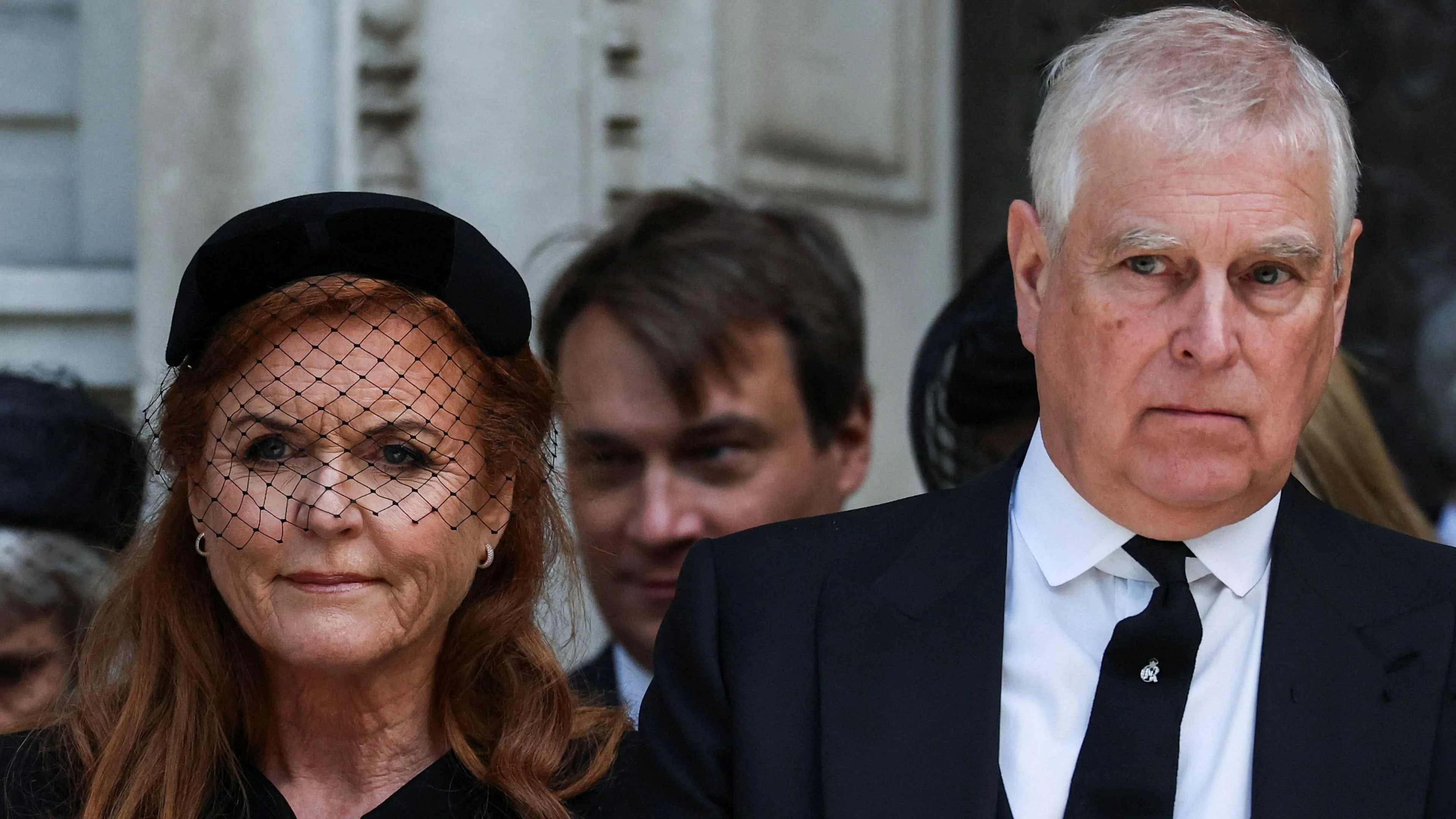
A viral video purportedly showing Jeffrey Epstein alive and driving in Florida has sparked widespread speculation, quickly debunked by authorities and fact-checkers. This comes as controversial emails from Sarah Ferguson in Epstein documents resurface.

Prince Andrew has been arrested on suspicion of misconduct in public office, tied to his relationship with Jeffrey Epstein, leading to swift, widespread reactions and a wave of internet memes.
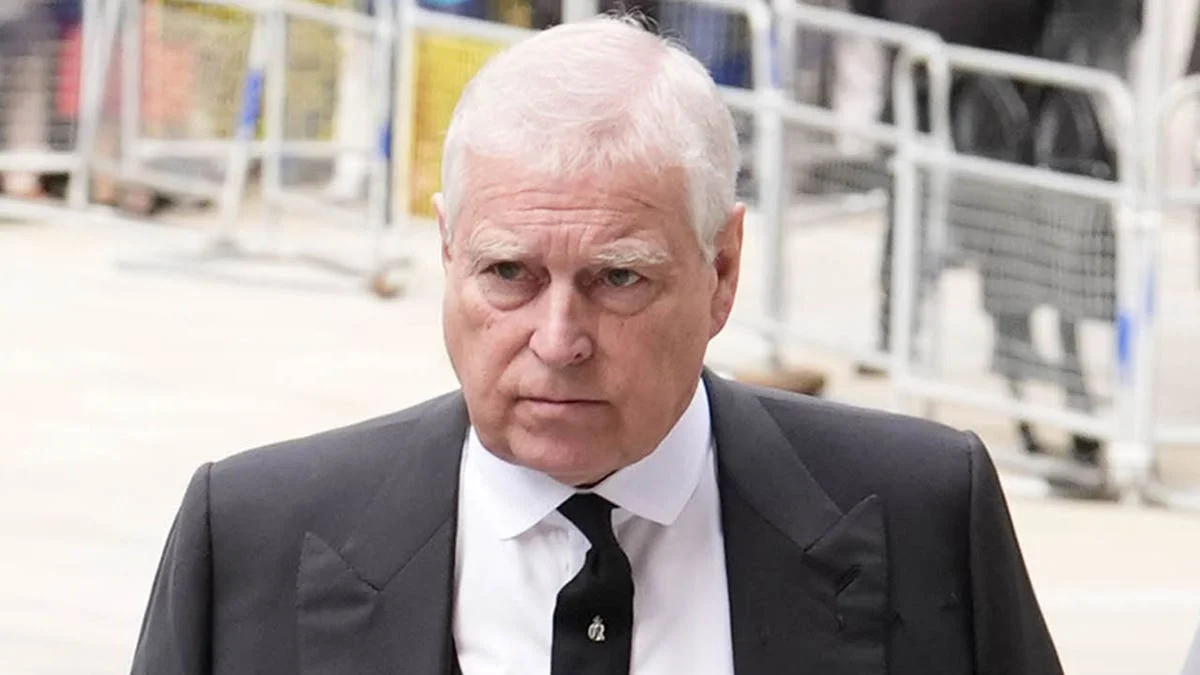
Prince Andrew arrested on misconduct charges related to Epstein, sparking widespread trending memes despite the gravity of allegations.