Hopes for immediate progress in resolving the nearly four-year conflict between Ukraine and Russia have been tempered by the postponement of a new round of US-brokered peace talks. Ukrainian President Volodymyr Zelensky confirmed that these crucial discussions, initially anticipated for this week, will now take place in Abu Dhabi on February 4 and 5. This delay comes as a senior Russian official asserted that military victory for Moscow was "soon" to be achieved, highlighting the contrasting perspectives amid ongoing hostilities.
Peace Talks Pushed Back as Zelensky Eyes "Dignified End"
President Zelensky announced on Sunday that the next trilateral discussions between Ukraine, Russia, and the United States are scheduled for the coming week in the United Arab Emirates. Stressing Ukraine's commitment, he stated, "Ukraine is ready for a substantive discussion, and we are interested in ensuring that the outcome brings us closer to a real and dignified end to the war." This statement from Kyiv underscores the strategic importance placed on these negotiations, even as their timing shifts. The previous week saw preliminary talks, but Zelensky indicated a need for more information from the US before the full summit could proceed as initially anticipated for Sunday, according to The Independent.
Medvedev Predicts Swift Russian Victory, Praises Trump
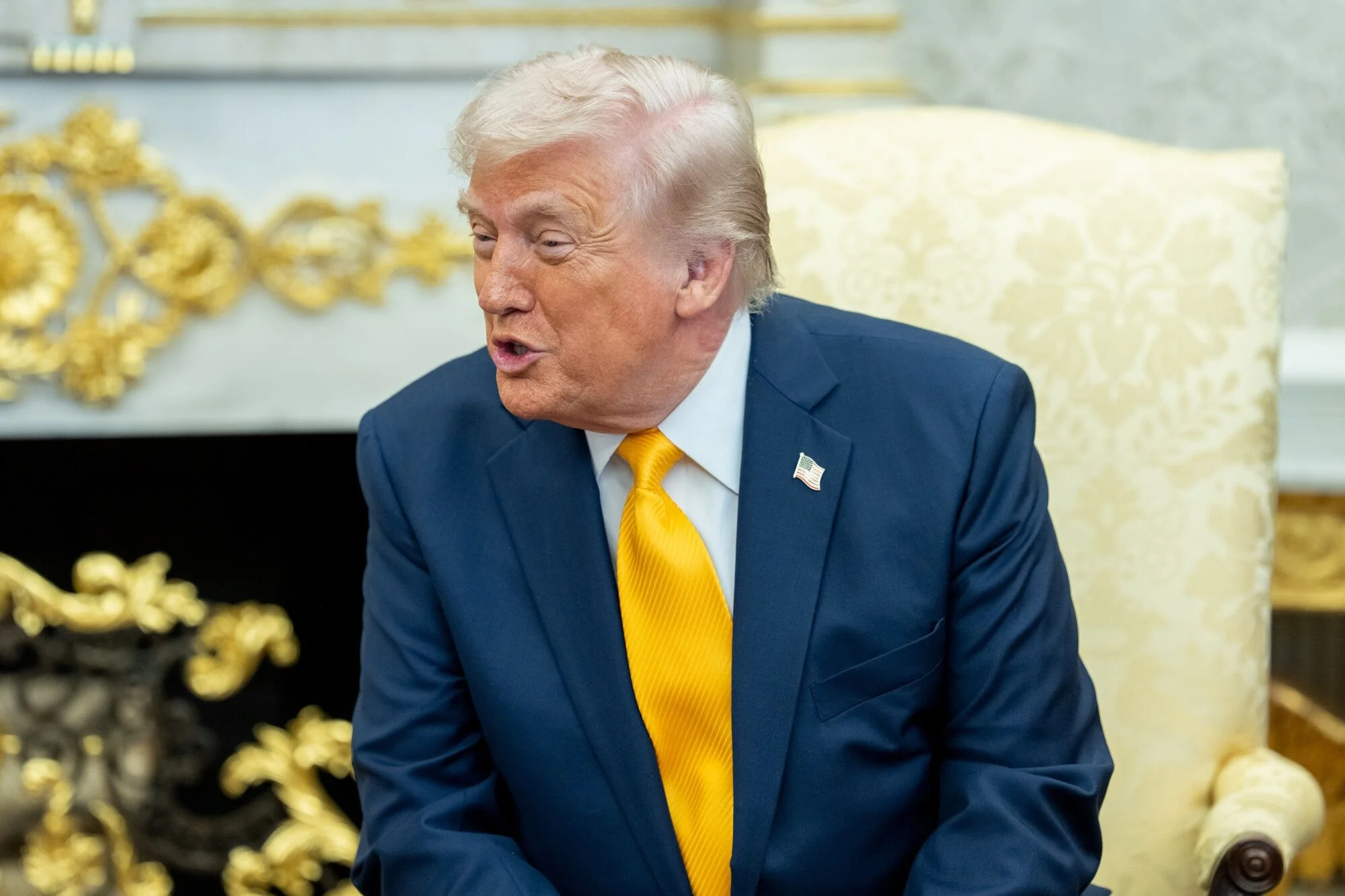
Adding a stark counterpoint to the diplomatic efforts, Dmitry Medvedev, deputy chairman of Russia's powerful Security Council and former president, declared that Russia would "soon" achieve military victory in Ukraine. In an interview with a Russian war blogger, Medvedev expressed his desire for this outcome "as soon as possible." He also commended former US President Donald Trump, describing him as an "effective and original" leader who had improved contact between Russia and the US. Medvedev humorously remarked on Trump's previous claim of ordering nuclear submarines in response to his own "highly provocative" comments, noting that Russia never located them.
Staggering Casualty Figures Emerge
The human cost of the conflict continues to mount, with Ukraine reporting substantial Russian military losses. The General Staff of Ukraine's Armed Forces stated on Sunday that Russia has lost 1,240,680 troops since the full-scale invasion began in February 2022. This figure includes 1,090 casualties sustained by Russian forces in just the past day. Separately, an investigation by Russian media, cross-referencing public sources, has confirmed the identities of 168,142 Russian military personnel killed in Ukraine, with investigators noting that actual losses are likely significantly higher. A recent report from the Center for Strategic and International Studies highlighted that Russia has incurred "more losses than any major power in any war since World War II." These figures underscore the brutal reality on the ground as peace efforts unfold, as detailed by The Independent.
Trump's Influence and Energy Truce
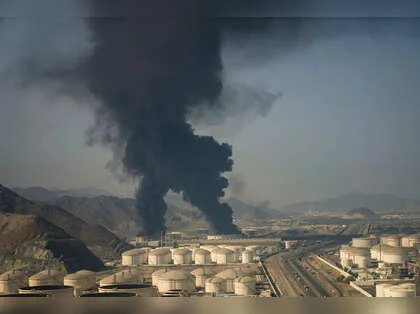
Donald Trump's role in influencing the conflict has also come into focus. Both Russia and Ukraine had, on Friday, halted strikes on each other's energy infrastructure following a request from the former US president. The Kremlin confirmed its agreement to Trump's plea, which aimed to prevent further damage to critical power and heating systems in Ukrainian cities like Kyiv. Zelensky corroborated that both sides adhered to this agreement, though he assessed that Russia subsequently shifted its targeting to logistics. This brief ceasefire on energy infrastructure was indicated by Kremlin spokesman Dmitry Peskov to expire on Sunday. Furthermore, a Trump envoy reportedly evinced a "troubling lack of knowledge" during previous peace talks, including an inability to recall the war's commencement, according to reports sourced by The Independent.
Unresolved Issues at the Negotiation Table
The path to peace remains fraught with significant obstacles, with territorial disputes at the forefront. US special envoy Steve Witkoff, following "productive" meetings with Russian special envoy Kirill Dmitriev, identified the question of territory as central to making progress. Kyiv continues to reject Moscow's demand to cede the entire Donbas region, including areas not currently under Russian control. While Kremlin foreign policy aide Yuri Ushakov acknowledged that land was not the sole key issue, he refrained from specifying other unresolved matters. These fundamental disagreements highlight the complexity of achieving a lasting resolution through diplomatic channels.
Regional Tensions and Airspace Incidents
Beyond the direct conflict zones, regional tensions continue to manifest, as evidenced by an incident in Poland. Polish authorities closed airspace along their eastern border after military radar detected objects believed to be smuggling balloons entering from Belarus for the second time within 72 hours. This incident was labeled by the Polish Operational Command as "another in a series of hybrid-type events," reflecting a growing concern across Europe regarding airspace alerts involving drones or unidentified objects. Several European cities, including Brussels and Munich, have recently experienced temporary airspace shutdowns in response to such incidents.