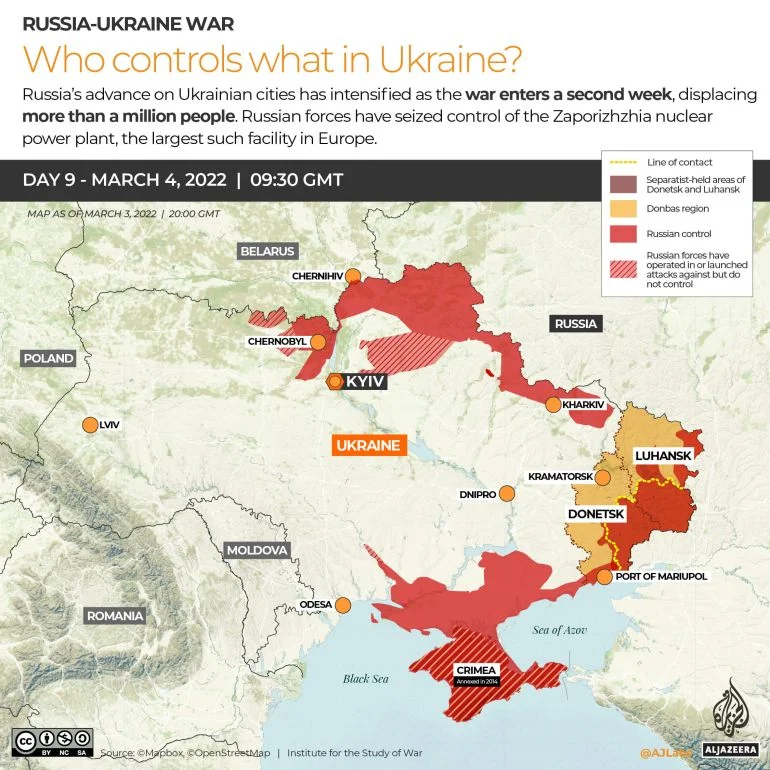
Norway's military chief warns of potential Russian invasion over nuclear assets, as Moscow claims advances in Zaporizhzhia and global nuclear treaty stability wavers.
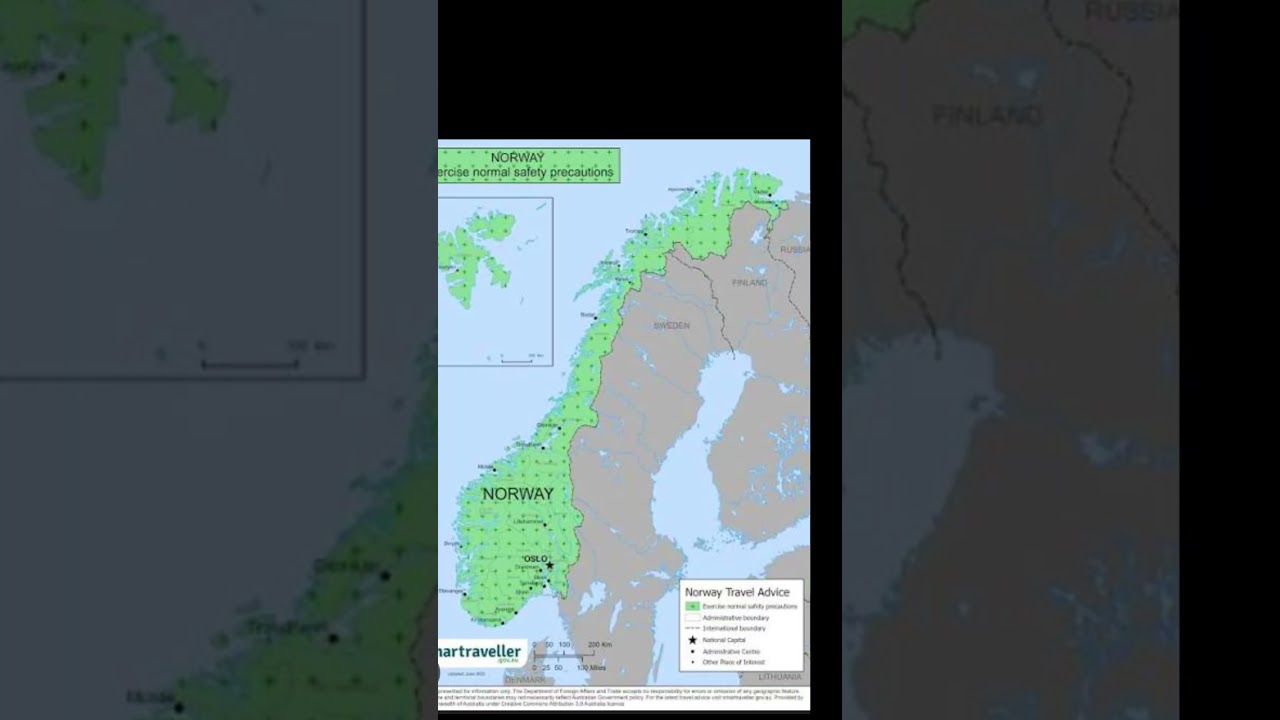
Ukraine-Russia war Norway fears Putin could invade it next as Moscow claims gains in Zaporizhzhia
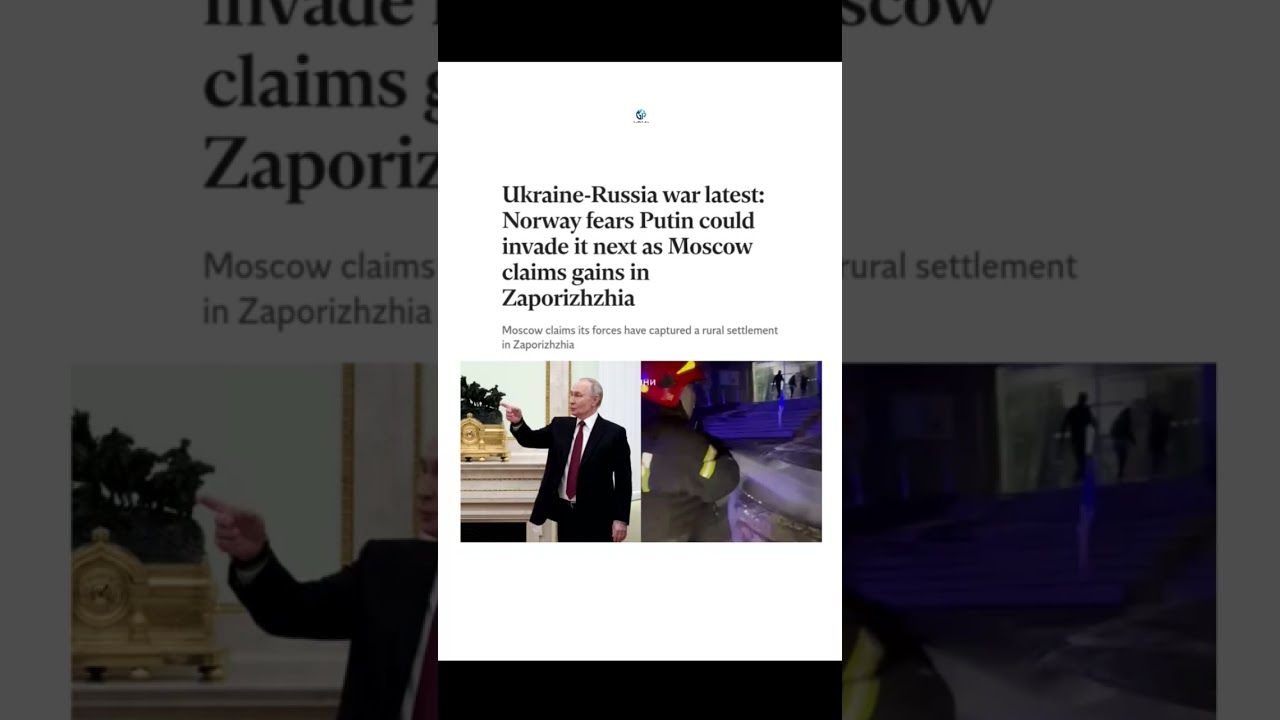
BREAKING: Norway Fears Russian Invasion! ⚠️ #BreakingNews #WorldWar3
The ongoing conflict in Ukraine continues to reverberate across Europe and beyond, with a stark warning emerging from Norway regarding its security posture against a potentially aggressive Russia. General Eirik Kristoffersen, Norway's chief of defence, has voiced serious concerns about a future Russian invasion, driven by Moscow's desire to secure its vital nuclear assets located in the far north. This alarming development comes as Russia simultaneously claims territorial gains in the Zaporizhzhia region of Ukraine and as global nuclear arms control agreements remain in a precarious state, further complicating the international security landscape. The confluence of these events paints a picture of heightened geopolitical instability and underscores the far-reaching consequences of the prolonged war in Eastern Europe.
The anxieties expressed by Norway are deeply rooted in the current geopolitical climate, exacerbated by Russia's full-scale invasion of Ukraine in February 2022. For decades, the Barents Sea region, bordering both Norway and Russia, has been a critical strategic area, primarily due to Russia's Northern Fleet and its significant nuclear arsenal housed on the Kola Peninsula. This area represents Russia's primary access to the Atlantic and is a cornerstone of its nuclear deterrent. While Cold War tensions saw periods of heightened alert, the current war in Ukraine, coupled with Russia's increasingly assertive foreign policy, has rekindled fears that were thought to be largely relegated to history. Norway, a founding member of NATO, shares a direct border with Russia, making it acutely sensitive to shifts in Moscow's military posture and strategic ambitions. The fear of a "land grab" is not necessarily one of direct conquest in the traditional sense, but rather a pre-emptive move by Russia to create a buffer or secure what it perceives as its strategic interests around its nuclear capabilities, particularly if Moscow feels its deterrent is threatened by NATO expansion or other perceived aggressions, as highlighted by Kristoffersen's comments in The Independent.
Recent developments underscore the multifaceted challenges emerging from the Ukraine war. On the battlefield, Moscow has asserted that its forces have captured the rural settlement of Zaliznychne in the southeastern Zaporizhzhia region. This claim, while lacking independent verification, suggests Russia is continuing its efforts to consolidate control and potentially advance in key areas of Ukraine. Such territorial assertions fuel Ukrainian concerns, particularly regarding critical infrastructure. Pavlo Kovtoniuk, head of Ukraine's state nuclear firm Energoatom, warned that the Zaporizhzhia Nuclear Power Plant — Europe's largest, currently under Russian occupation — cannot be safely restarted without Ukrainian control and specific Ukrainian equipment. He stressed that Russia lacks the necessary spare parts and expertise, risking a catastrophic nuclear accident if it attempts to operate the plant, as reported by The Independent.
Adding to the tension, a Russian drone strike tragically killed a father and his three young children in Ukraine’s northeastern Kharkiv region, seriously wounding their pregnant mother. This devastating incident highlights the ongoing human cost of the conflict, with civilians continuing to bear the brunt of the hostilities. Meanwhile, in western Ukraine, air defenses successfully intercepted two Kinzhal missiles targeting Lviv, a city generally considered safer due to its distance from the front lines, demonstrating Russia's continued reach across the country and the persistent threat of missile attacks. These military actions and their devastating impact are set against a backdrop of uncertain nuclear arms control. Russian Foreign Minister Sergei Lavrov stated that Russia would continue to observe the missile and warhead limits of the expired New START nuclear treaty as long as the United States did the same. While this offers a glimmer of hope for maintaining some level of strategic stability, the expiration of the treaty leaves the world's two largest nuclear powers without formal binding constraints for the first time in decades, a cause for significant international concern, according to further details from The Independent.
In response to Norway's security fears and the broader regional instability, Britain has announced plans to double its troop presence in Norway from 1,000 to 2,000 over the next three years. This move is a clear signal of NATO's commitment to bolstering High North defenses against potential Russian aggression and integrating capabilities among allied nations. The increased British military footprint is intended to enhance deterrence and reinforce the collective security umbrella for countries bordering Russia, which are increasingly wary of its intentions. This coordinated response among NATO members, especially in strategically sensitive areas like the Arctic, demonstrates a proactive approach to managing the evolving security challenges posed by Russia's actions in Ukraine and its broader geopolitical posturing.
The current situation, marked by Norway's explicit concerns and Russia's claimed advances, represents a significant escalation in the indirect and direct confrontation between Russia and the West. Norway's warning about a potential Russian "land grab" is not merely rhetorical; it reflects a deep understanding of Russia's strategic calculus, where control over critical assets, especially nuclear, often trumps conventional norms. The Kola Peninsula's strategic importance for Russia's nuclear deterrence is undeniable, and any perceived threat to these assets could trigger disproportionate responses. This scenario underscores the increasing fragility of the post-Cold War security architecture, particularly in the Arctic, a region already grappling with climate change and competing resource claims. The British decision to double its troops in Norway is a tangible manifestation of NATO's renewed focus on collective defense and deterrence on its northern flank. It signals to Moscow that any moves against a NATO member will be met with a unified and robust response, thereby raising the stakes for any potential Russian adventurism beyond its current engagements in Ukraine.
Furthermore, the precarious state of nuclear arms control, with the New START treaty effectively operating on a voluntary basis, adds another layer of profound instability. Without legally binding constraints, the risk of miscalculation, accidental escalation, or even a deliberate arms race increases dramatically. While both the U.S. and Russia express a desire to maintain limits, the absence of a formal framework erodes transparency and trust, fundamental elements for strategic stability. This echoes the broader trend of international agreements being undermined or abandoned, contributing to a more unpredictable global environment. The international community, therefore, faces the daunting task of navigating ongoing regional conflicts while simultaneously preventing a more dangerous, wider-ranging confrontation, especially one involving nuclear powers. The situation also highlights how seemingly disparate events – a battle for a village in Zaporizhzhia, a drone strike in Kharkiv, and a warning from Oslo – are intrinsically linked within the complex web of contemporary geopolitics.
Beyond the immediate military and nuclear security concerns, the human toll of the conflict in Ukraine remains tragically high. The drone strike in Kharkiv, which claimed the lives of a father and three young children, serves as a grim reminder of the indiscriminate nature of modern warfare and its devastating impact on civilian populations. Such incidents not only cause immense suffering but also fuel international condemnation and underscore the urgent need for a peaceful resolution. Meanwhile, the International Olympic Committee's decision to ban Ukrainian skeleton athlete Vladyslav Heraskevych from displaying images of fallen Ukrainian sportspeople during the war has drawn fierce condemnation from Kyiv. Ukraine views this as "profoundly wrong," highlighting the intricate interplay between sports, politics, and national identity during times of conflict, and the struggle to command international recognition and sympathy for its plight, as reported by The Independent.
In a separate but notable global development, Iran marked the 47th anniversary of its 1979 Islamic Revolution with patriotic displays and military demonstrations, including ballistic missile vehicles. These celebrations, as shown in photos from Mid-day, occur amid heightened tensions with the United States and Israel, and ongoing disputes over Iran's nuclear program. Iranian leaders insist they are "not seeking nuclear weapons," even as uranium enrichment levels reportedly approach weapons-grade purity. This persistent regional instability and nuclear proliferation concern further compound the complexities of global security challenges. While seemingly unrelated to the Ukraine conflict, Iran's nuclear ambitions and its assertive posture contribute to a broader environment of geopolitical uncertainty and the potential for new flashpoints. Additionally, in stark contrast to the international security focus, the world of professional sports saw a significant restructuring within the triathlon community. The Professional Triathletes Organisation (PTO) acquired a majority stake in Challenge Family, integrating its races into a new Triathlon World Tour. This landmark development aims to create a more unified structure for the sport, culminating in a fully realized championship series by 2027, as detailed by Triathlon Today. This move, while not directly related to global conflicts, reflects consolidation trends seen across various sectors as organizations seek greater efficiency and broader appeal.
Finally, another tragic event unfolded in British Columbia, Canada, where a mass shooting at a high school and another location resulted in ten fatalities, including the perpetrator. The incident, carried out by a female shooter, marks one of Canada's deadliest mass casualty events and brings home the type of violence more commonly associated with its southern neighbor, the United States. This devastating loss of life and the shockwaves it sends through a community remind us that even as international crises unfold, domestic security challenges and the profound impact of violence continue to plague societies worldwide, as reported by Reuters.
The coming months will be critical in determining the trajectory of several interconnected global issues. In Ukraine, the ongoing fighting in regions like Zaporizhzhia will test both sides' resilience and strategic objectives, with international attention focused on verifying claims of territorial gains. The perilous situation at the Zaporizhzhia Nuclear Power Plant demands continued vigilance and international pressure for its safe operation and eventual return to Ukrainian control. For Norway and NATO, the increased British military presence signifies an intensified commitment to Arctic security, signaling a new era of heightened readiness and deterrence against Russia. The future of global nuclear arms control will largely depend on the willingness of the U.S. and Russia to engage in meaningful dialogue and establish new, binding frameworks. These developments collectively underscore a period of profound geopolitical flux, where regional conflicts have far-reaching implications for international security, human rights, and the delicate balance of power.
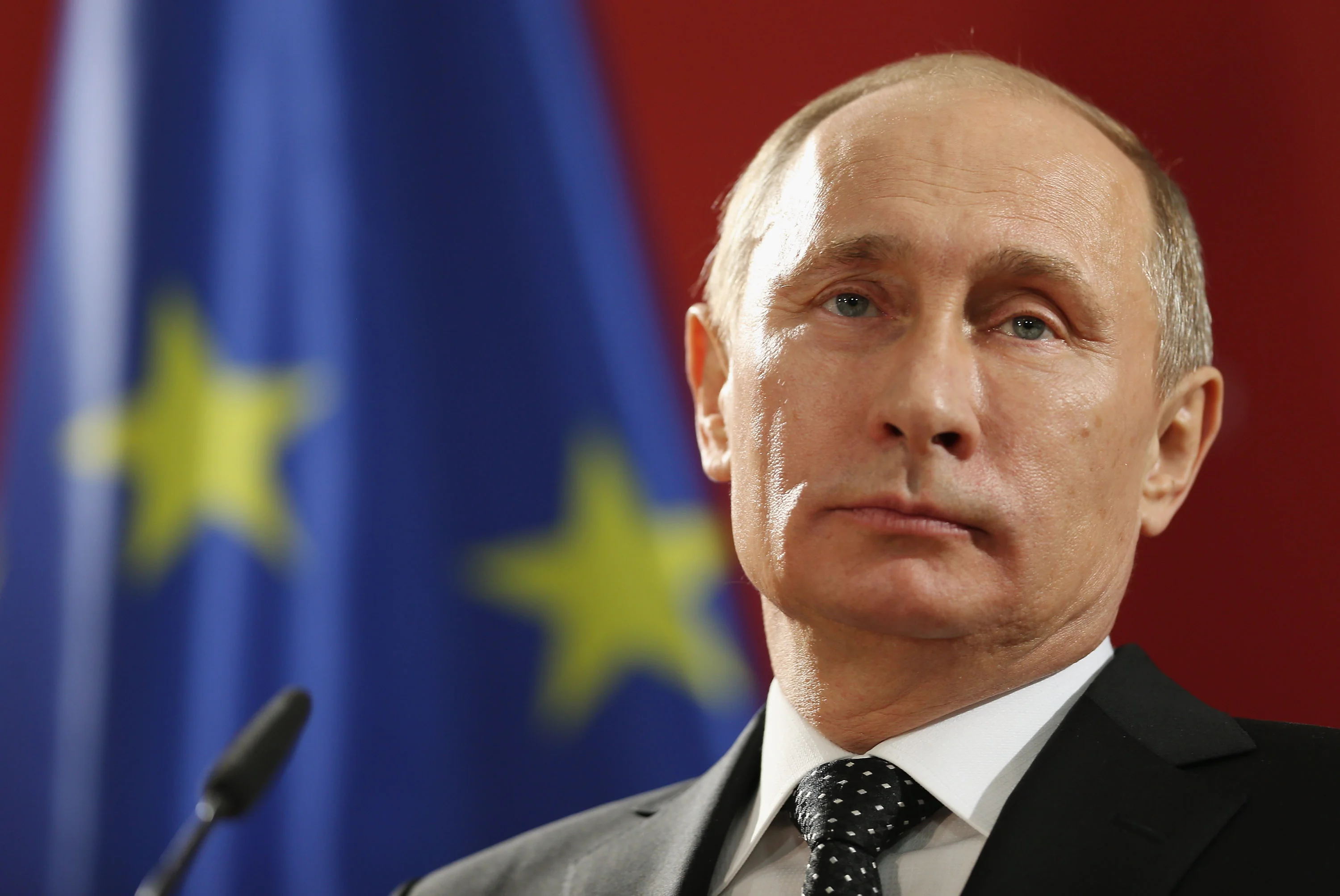
As the Ukraine war grinds into its fifth year, reports suggest Putin is considering unpopular measures while Russia faces critical internal issues, underscored by ongoing corruption in Kyiv and diplomatic efforts.
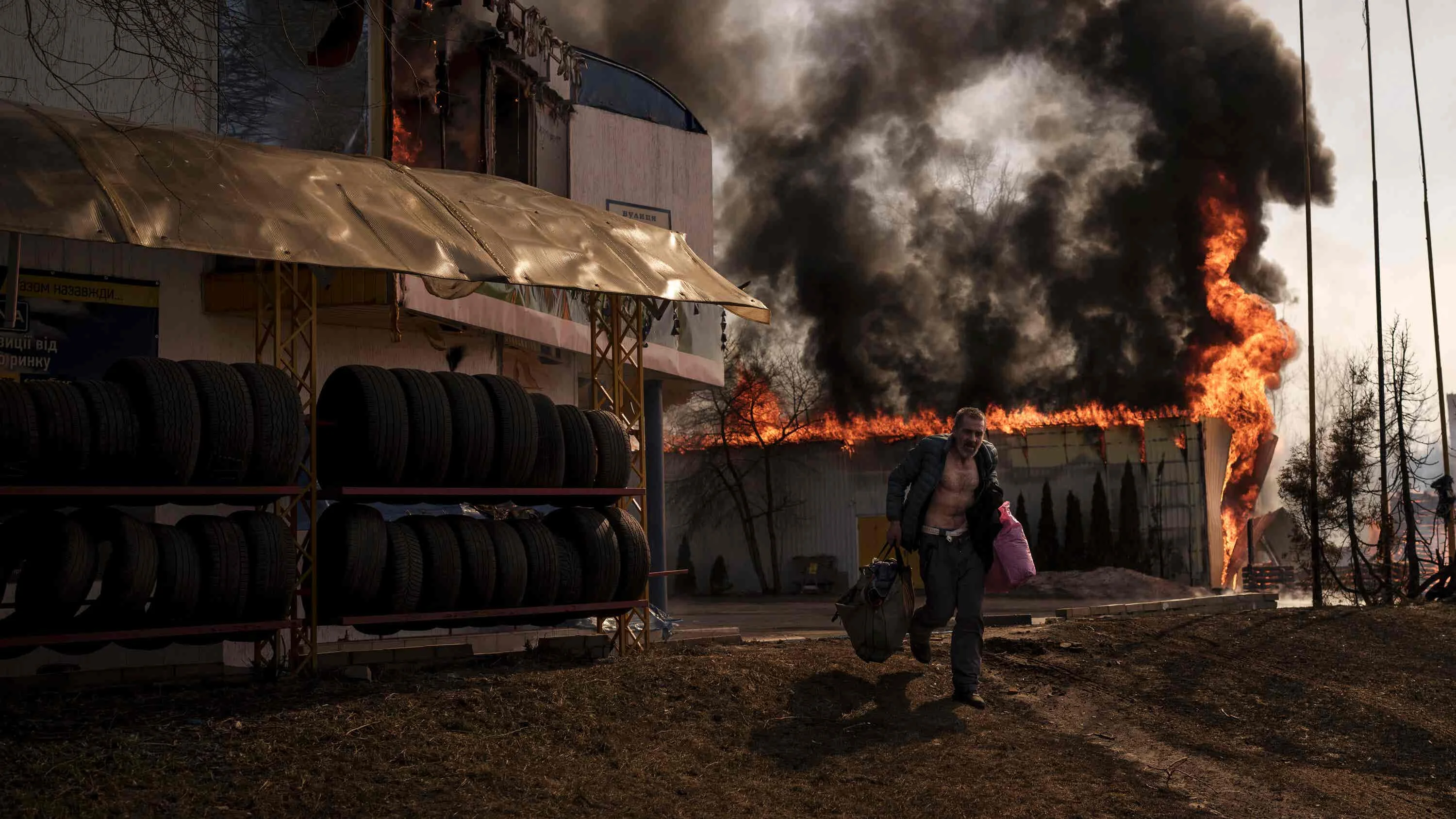
Ukraine intensifies attacks on Russia, causing blackouts and heat outages, as trilateral talks loom in Geneva. Zelenskyy urges faster aid, while global gold prices slump.
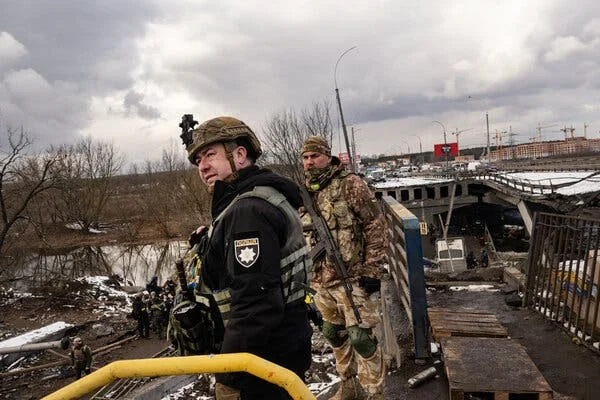
As Russia suffers 'crazy losses,' Ukraine leaders express frustration over 'half measures' from allies at the Munich Security Conference, while five civilians are killed in new Russian attacks.