Putin's Desperation: Forced Draft Looms as Peace Talks Fizzle, Analysts Say
European spy chiefs doubt a Ukraine-Russia peace deal this year, as analysts suggest Putin is planning forced conscription from a "place of weakness" amid stalled talks and US pressure.

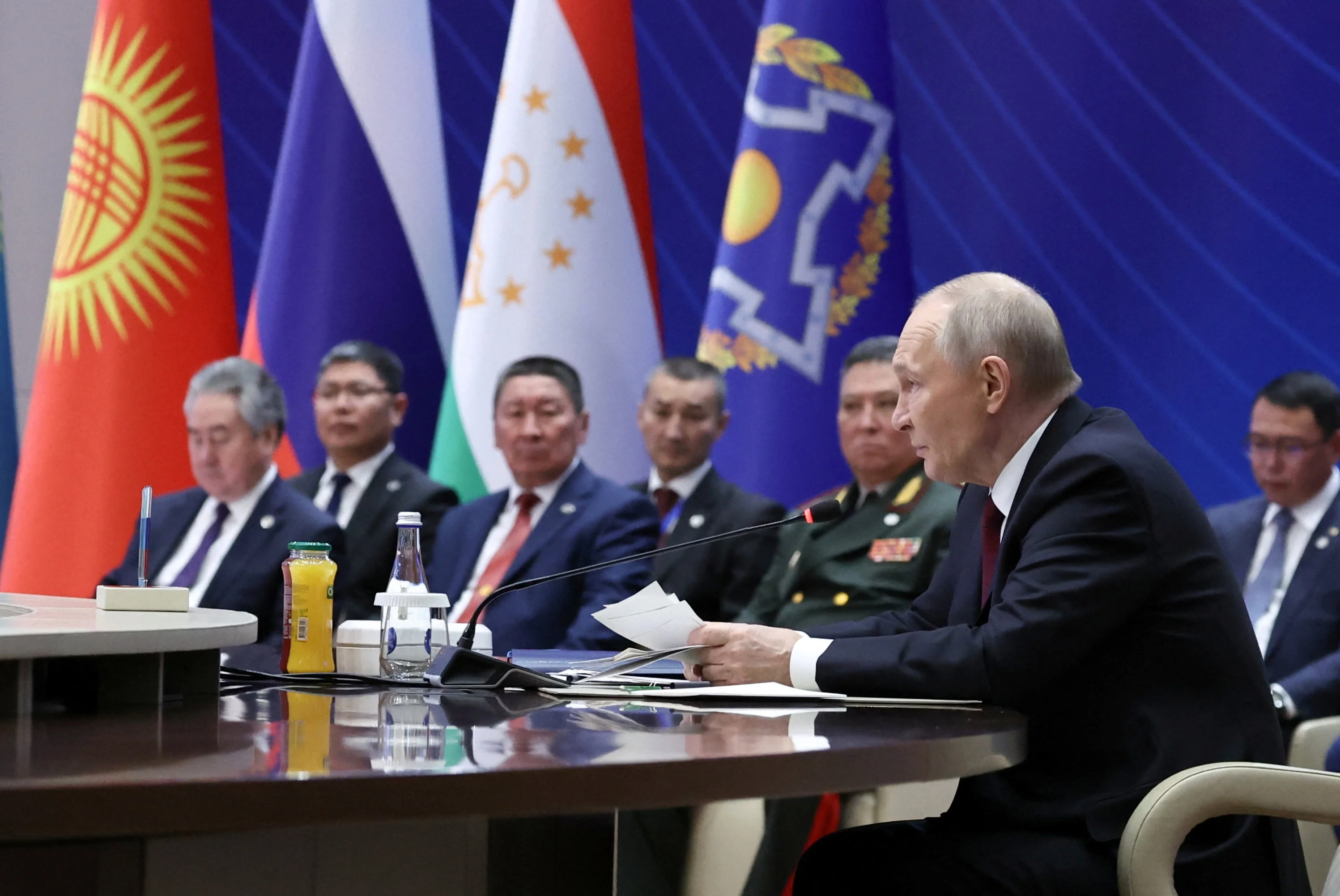
In a deeply pessimistic assessment of the ongoing conflict, top European intelligence chiefs have expressed significant doubt that a peace deal between Russia and Ukraine is achievable this year. These anonymous but authoritative voices contradict recent assertions by former US President Donald Trump, who suggested a US-brokered agreement was "reasonably close." Their grim outlook, reported by Sky News, paints a picture of a Russia unwilling to genuinely pursue an end to hostilities, instead using peace negotiations as "negotiation theatre" to extract concessions like sanctions relief. This skepticism comes as new analysis indicates Russian President Vladimir Putin may be preparing for involuntary military call-ups, a move interpreted by the Institute for the Study of War (ISW) as stemming from a "place of weakness" rather than strength.
Stalled Diplomacy and European Skepticism
The recent trilateral talks in Geneva, intended to explore pathways to peace, concluded abruptly and without significant progress, lasting just two hours. This swift collapse underscored the deep divisions and lack of common ground between the warring parties and their international interlocutors. Ukrainian President Volodymyr Zelenskyy voiced his dissatisfaction, stating that "sensitive political matters" and the necessity for compromise were not adequately addressed, leading to a result he deemed "not sufficient," as reported by The Independent. The European intelligence community, according to Reuters, largely concurs with this assessment, with five unnamed chiefs confirming they do not anticipate a peace deal in 2026. Their consensus suggests Russia is primarily leveraging these talks to alleviate international pressure and pursue business opportunities, rather than seriously engaging in de-escalation. One chief starkly remarked that Russia is "not seeking a peace agreement. They are seeking their strategic goals and those have not changed."
Putin's Shifting Strategy and Domestic Pressure
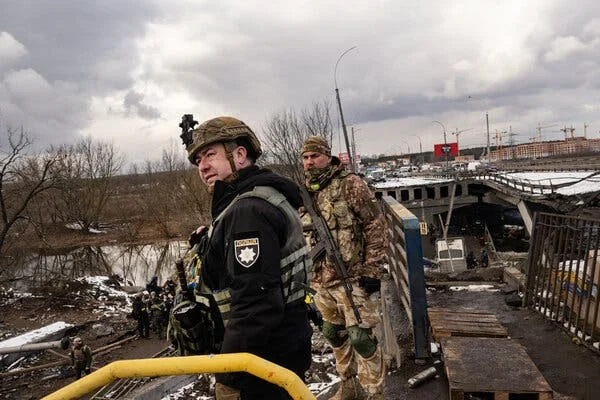
Amid the diplomatic deadlock, the Institute for the Study of War (ISW) has identified concerning developments within Russia that suggest a new phase in its war effort: the preparation for involuntary military call-ups. According to their analysis, Moscow recently adopted a bill empowering authorities to "prosecute Russians who criticise involuntary reserve call-ups." This legislative maneuver, coupled with the Kremlin's recent throttling of messaging app Telegram to control information flow, indicates a concerted effort to manage public dissent and cement a narrative that frames evading military service as "socially unacceptable." The ISW believes these actions are not aimed at a massive new offensive but rather at maintaining current loss rates and sustaining the tempo of existing operations. This strategy, interpreted as arising from a "place of weakness," reflects a need to replenish dwindling forces and demonstrates Putin's ongoing commitment to the conflict despite sustained battlefield casualties and a lack of significant territorial gains, particularly given Ukraine's steadfast refusal to cede occupied lands, as illustrated by Sky News's battlefield maps.
Analysis: The Geopolitical Chasm and Zelenskyy's Bluff
The divergent views on the prospect of peace — particularly the chasm between European intelligence assessments and former President Trump's optimistic pronouncements — highlight the complex geopolitical currents at play. European nations, directly impacted by the conflict's ripple effects and Russia's aggressive posture, likely possess a more grounded and less politically motivated understanding of Moscow's intentions. Their assessment that Russia is not genuinely seeking peace but rather exploiting talks for strategic gains underscores a deeper mistrust and a recognition of the Kremlin's long-term objectives. This contrasts sharply with Trump's perceived eagerness for a deal, which Zelenskyy himself has called "unfair," insinuating undue pressure from the US to compromise, a sentiment echoed by White House spokesperson Karoline Leavitt who referred to the war being "very unfair" and economically burdensome for US taxpayers, as reported by The Independent. This pressure from the US, driven by domestic political considerations like the upcoming mid-term elections, risks creating fissures within the Western alliance and strengthening Russia's hand by signaling a potential eagerness from certain factions to disengage, regardless of Ukraine's sovereign interests or the long-term security implications for Europe.
Adding another layer of complexity is President Zelenskyy's recent statement regarding potential elections in Ukraine should a two-month ceasefire be established. While on the surface this might appear to be a move towards democratic normalization, military analyst Michael Clarke, as cited by Sky News, suggests Zelenskyy is "bluffing." The practicalities of holding elections during wartime, especially with millions displaced and occupied territories disenfranchised, are immense. Clarke likens it to the 1864 US election during the Civil War, an imperfect precedent at best. Zelenskyy's quip at the Munich Security Conference – "Ukraine will have free elections when Russia has free elections" – further supports the idea that this is a strategic deflection rather than a genuine commitment to near-term wartime polls. This “bluff” serves multiple purposes: it can counter narratives that Ukraine is becoming less democratic under martial law, while simultaneously placing the onus for democratic process squarely on Russia by linking it to a condition Moscow is highly unlikely to meet. Ultimately, this intricate dance around peace talks, domestic political pressures, and strategic messaging highlights the profound challenges to ending the conflict on terms acceptable to Ukraine's sovereignty and international law.
Additional Details on Escalation and Support
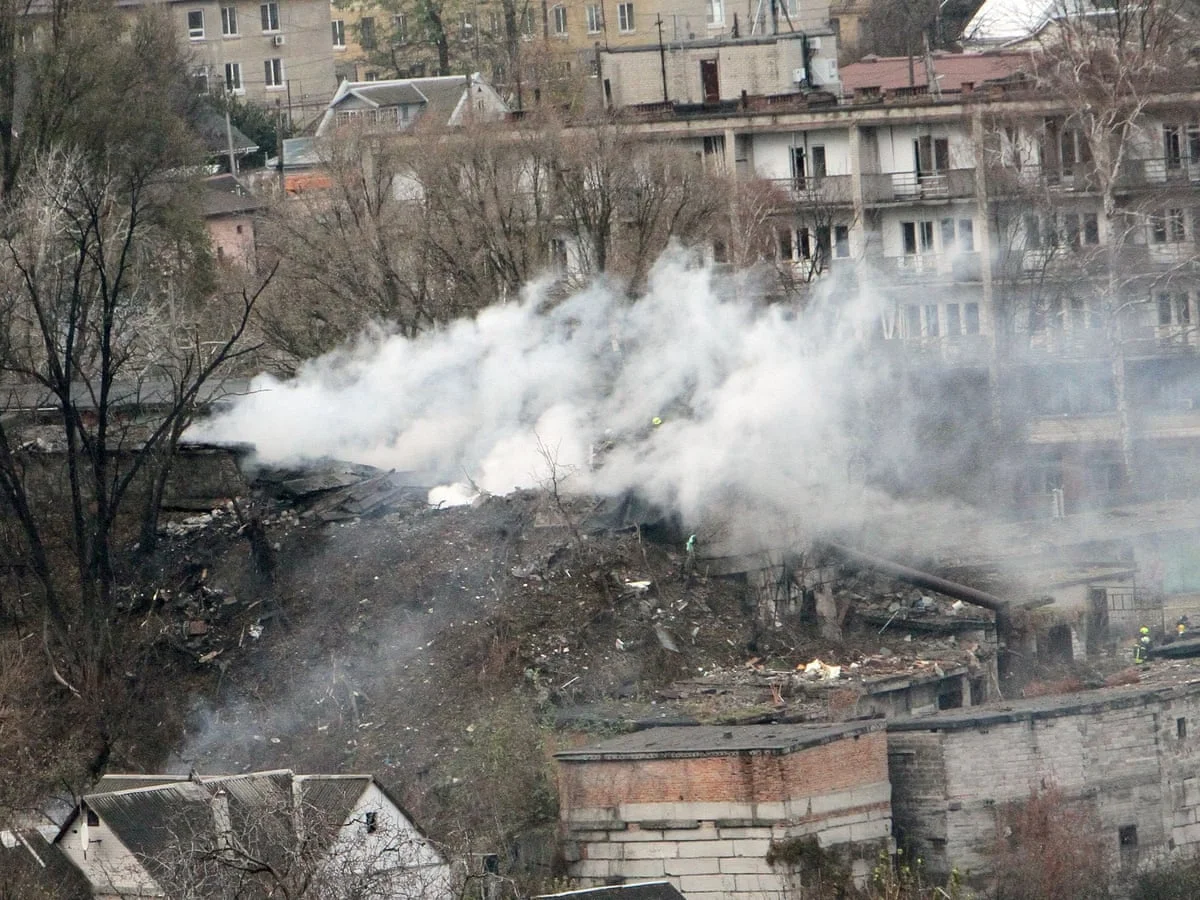
While the focus remains on Ukraine, regional tensions elsewhere continue to cast a shadow. Poland's recent urgent advisory for its citizens to leave Iran due to potential armed conflict, reported by Sky News, serves as a stark reminder of the interconnectedness of global instability. An escalation in the Middle East, while not directly related to the Ukrainian front, could divert international attention and resources away from Kyiv, potentially benefiting Moscow. Meanwhile, on the ground, the conflict continues with nightly assaults. Russia, for instance, launched 37 drones at Ukraine, with 29 of them either shot down or jammed by Ukrainian air defenses, as detailed by The Independent. These persistent drone attacks underscore Russia's strategy of attrition. Conversely, international support for Ukraine remains robust, with Sweden announcing a substantial new military aid package totaling 12.9 billion crowns (£1.05 billion). Such aid packages are crucial for Ukraine to sustain its defense and counter Russia's ongoing aggression, amidst the broader geopolitical maneuverings.
Looking Ahead: A Protracted Conflict and Shifting Alliances
The immediate future for the Ukraine war appears to be one of protracted conflict, rather than a swift resolution. The European intelligence chiefs' unanimity points to a realistic, albeit grim, outlook that eschews optimistic headlines. Putin's impending forced call-ups signal a Kremlin intent on endurance, even if through coercive measures, to meet its "strategic goals." The ongoing divergence in approach between some US political figures and European allies on peace talks also bears close watching; any significant fracture could undermine the united front against Russian aggression. As Ukraine continues to fight for every inch of its territory, the sustained military and financial support from allies like Sweden will remain vital. The potential for the conflict to drag on for the remainder of the year and beyond suggests increasing strains on all parties, both on the battlefield and in the diplomatic arenas. The interplay of military advances, domestic stability within Russia, and the evolving dynamics of international support will define the conflict's trajectory in the coming months.
Related Articles
Putin Weighs 'Unpopular Measures' as Russia Grapples with 'Critical' Challenges in Ukraine War
As the Ukraine war grinds into its fifth year, reports suggest Putin is considering unpopular measures while Russia faces critical internal issues, underscored by ongoing corruption in Kyiv and diplomatic efforts.