Preparations for the 2026 FIFA World Cup, jointly hosted by Mexico, Canada, and the United States, are gaining momentum with significant announcements regarding the iconic trophy tour and participating team logistics. Meanwhile, recent events in international football and ongoing political discussions continue to shape the narrative surrounding the highly anticipated tournament.
World Cup Trophy Embarks on North American Journey
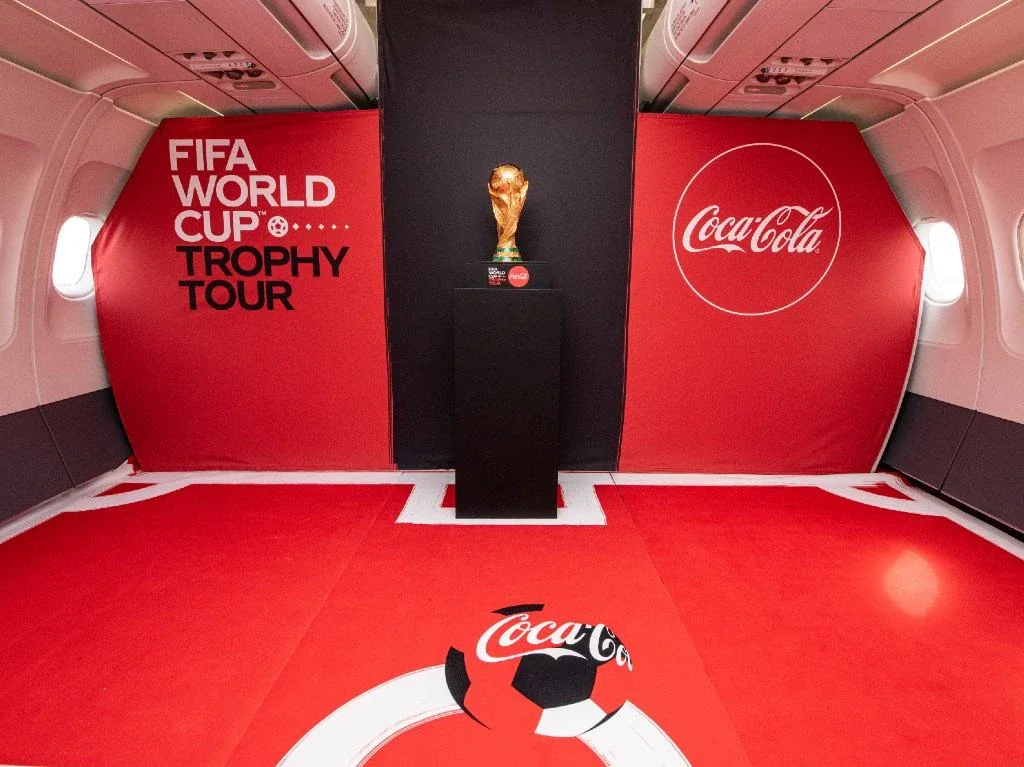
Kicking off what has become a cherished tradition, the FIFA World Cup trophy is set to embark on an extensive tour across North America. Following its journey through Saudi Arabia and Asia earlier this year, FIFA has officially confirmed the trophy will visit all 16 host cities spread across the United States, Mexico, and Canada. In addition to these primary locations, the trophy will make appearances in 20 other North American cities, ensuring widespread engagement with fans. The tour is slated to commence in Mexico City on February 26 and will continue its travels between the three host nations until the tournament's conclusion on July 19. This initiative aims to build excitement and connect communities with the spirit of the upcoming global spectacle.
Spain Locks Down Training Base While AFCON Sanctions Loom
With the World Cup inching closer, teams are beginning to secure their training facilities. Spain, the 2010 World Cup champions, has become the latest nation to announce its chosen base for the group stage. They will establish their training camp in Chattanooga, Tennessee, utilizing the facilities of the Baylor School. This marks a consecutive year for the school to host a major FIFA event, having served as a training ground for Auckland City during last year's Club World Cup. Spain is scheduled to play its first two group-stage matches against Cape Verde and Saudi Arabia in Atlanta, before heading to Guadalajara for their final Group H encounter against Uruguay.
Amidst these logistical announcements, the African Cup of Nations (AFCON) final, which saw Senegal and Morocco clash, has resulted in disciplinary actions. The match descended into chaos after a late penalty decision, leading to Senegalese players briefly leaving the pitch. Consequently, sanctions have been confirmed: Senegal manager Pape Thiaw received a five-match ban and a $100,000 fine, while players Iliman Ndiaye and Ismaila Sarr were handed two-match bans. Morocco's Ismael Saibari faces a three-match ban and a $100,000 fine, and Achraf Hakimi received a two-match ban (with one match suspended). Crucially, these suspensions apply only to CAF-governed matches, meaning they will not affect players' participation in the upcoming FIFA World Cup or international friendlies, as highlighted by The New York Times.
USMNT Players Shine in Champions League Amidst Boycott Speculation
Beyond World Cup preparations, USMNT players recently featured in a dramatic night of Champions League action. Midfielder Malik Tillman scored two goals for Bayer Leverkusen, securing their place in the play-offs. Other American players, including Johnny Cardoso (Atletico Madrid), Weston McKennie (Juventus), Folarin Balogun (Monaco), and Yunus Musah (Atalanta), also advanced to the play-offs. However, Timothy Weah's Marseille and Sergino Dest's PSV were eliminated in a night filled with red cards and late-game heroics.
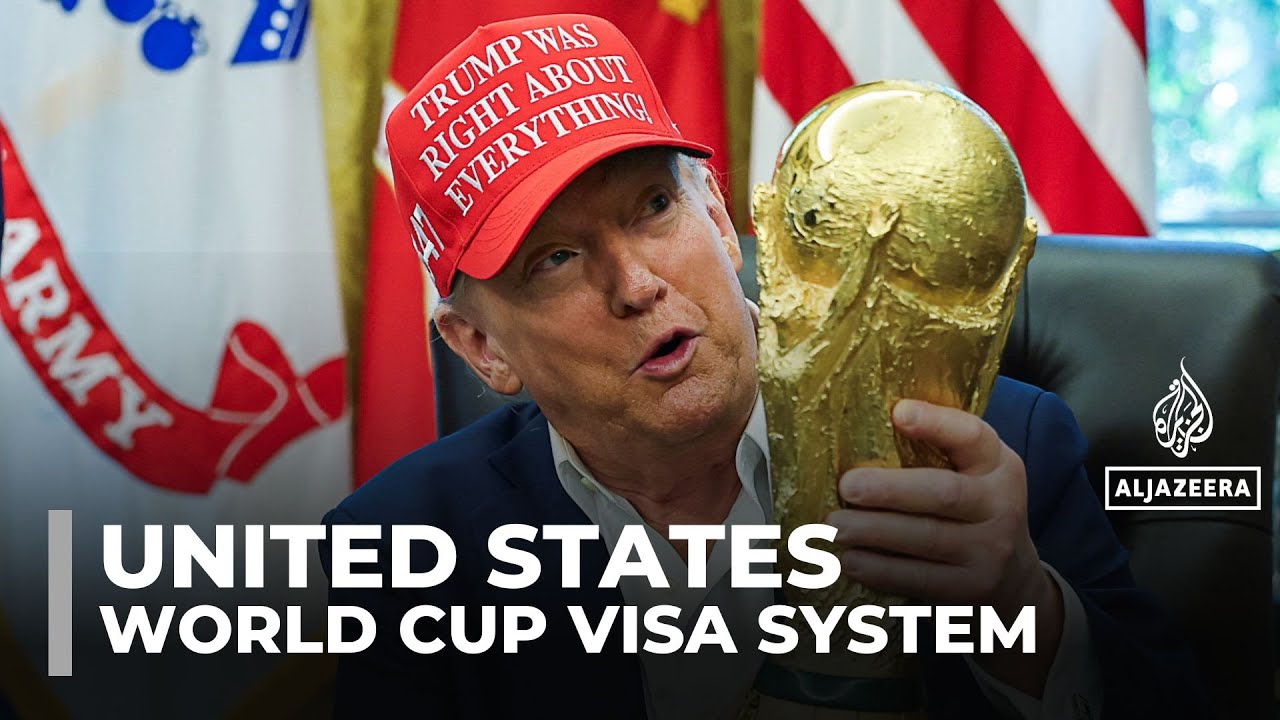
Meanwhile, discussions surrounding a potential boycott of the 2026 World Cup have emerged, primarily from critics of former U.S. President Donald Trump's past actions and policies. While historical precedents exist for nations declining World Cup participation for various reasons – such as Uruguay in 1934 or African teams in 1964 in protest of FIFA's allocation of spots – there has never been a boycott by multiple qualified teams on purely political grounds. The U.S.-led boycott of the 1980 Moscow Olympics is cited as the nearest example. While the notion has been raised, particularly in response to hypothetical extreme political scenarios, it has not gained significant traction among high-ranking soccer or government officials who hold the power to influence such a decision. German soccer federation vice-president Oke Göttlich acknowledged the unpredictability of future political developments, stating, "We do not know yet how the coming months will unfold" in comments detailed by The New York Times.
Pub Licensing Extended for UK Fans; 2030 World Cup Final Battle Commences
For football enthusiasts in England and Wales, good news arrives ahead of this summer's World Cup. Pubs will be granted extended opening hours, staying open until 2 am for home nation matches in the later stages of the tournament. This extension addresses the typical 11 pm closing time under the 2003 Licensing Act, accommodating the late kick-off times for a UK audience due to the tournament's North American location. This measure mirrors similar extensions granted for previous European Championship finals.
Looking further ahead, the battle for hosting rights for the 2030 World Cup final is already underway. Spanish Football Federation (RFEF) president Rafael Louzan has strongly advocated for Spain to host the final, emphasizing the nation's "proven its organisational capacity." Louzan's comments, particularly his reference to the recent "damaging" scenes at the AFCON in Morocco, are seen as part of the strategic lobbying effort as negotiations with FIFA for the 2030 tournament approach. While Madrid widely expects the Bernabeu to host the final, a definitive decision from FIFA is not anticipated until much closer to the tournament, likely after the conclusion of the 2026 event. Detailed planning for 2030, including specific stadiums and cities for matches, is still several years away from being finalized.
Ticket Pricing Sparks Debate as FIFA Boss Defends Strategy
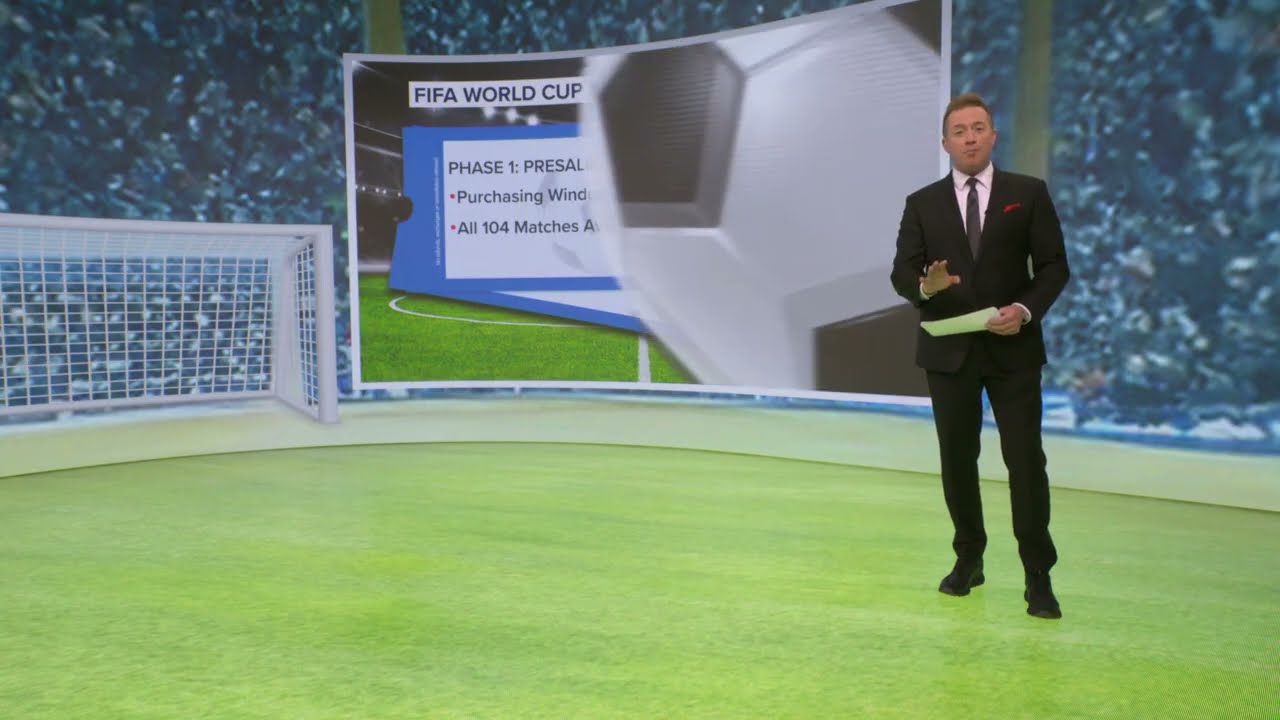
One of the most talked-about aspects of the upcoming World Cup, and future tournaments, is FIFA's ticket pricing strategy. The organization employs a 'dynamic' pricing system, which sees ticket costs increase with demand, potentially leading to thousands of dollars for the most coveted games. This approach has led to questions from fans and commentators about whether it is simply "a cash grab" or a fair system for what will be the largest World Cup in history.
FIFA President Gianni Infantino has publicly defended the high ticket prices, citing an extraordinary "500 million ticket requests" as evidence that demand far outweighs supply, thus justifying the costs. This rationale was reportedly used to counter criticism from nations such as Germany and England regarding the record prices. The extensive interest in obtaining tickets, according to Infantino, solidifies FIFA's stance that the current pricing model is appropriate for a tournament of this magnitude, suggesting that the market dictates the value. The debate around affordability and accessibility for fans continues to be a prominent discussion point as the World Cup draws closer, as reported by The New York Times.