Zelensky Questions Sunday Peace Talks Amid Iran Developments and Worsening Cold Snap
Ukrainian President Volodymyr Zelensky expresses doubts about planned trilateral peace talks with the US and Russia, citing Trump's focus on Iran.

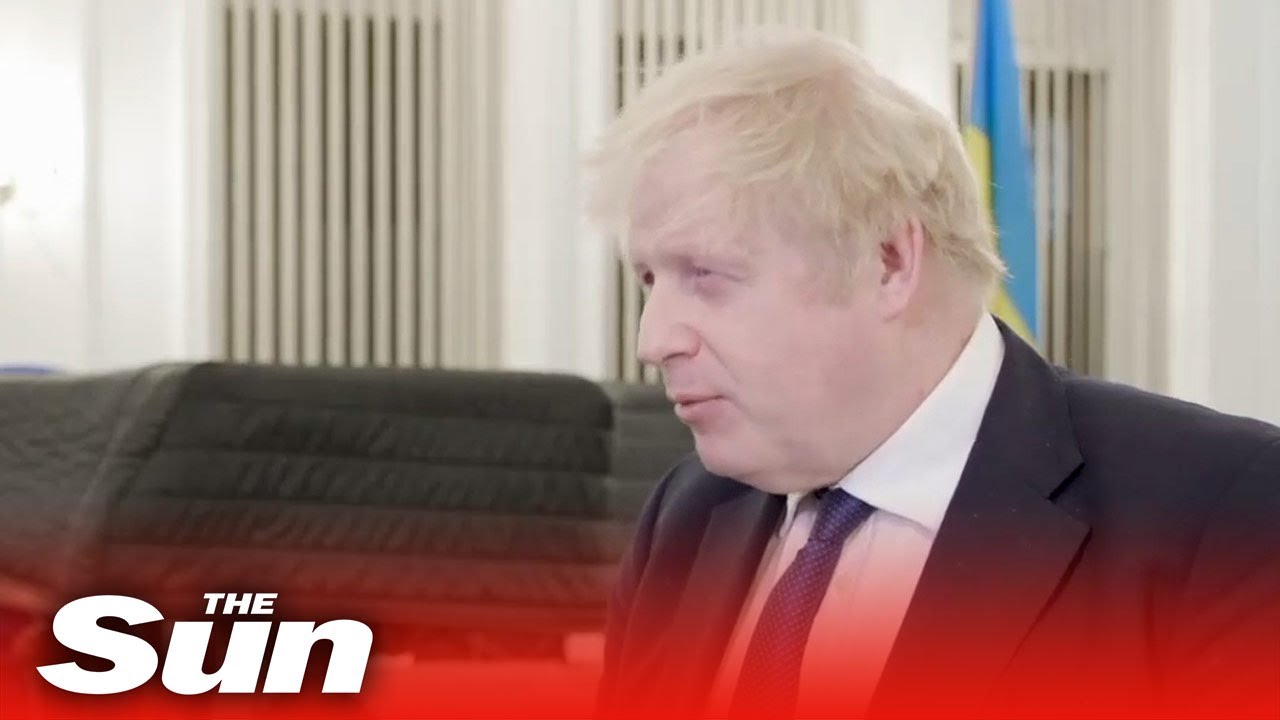
Russia-Ukraine peace talks - Boris Johnson doubts Putin's sincerity to end conflict
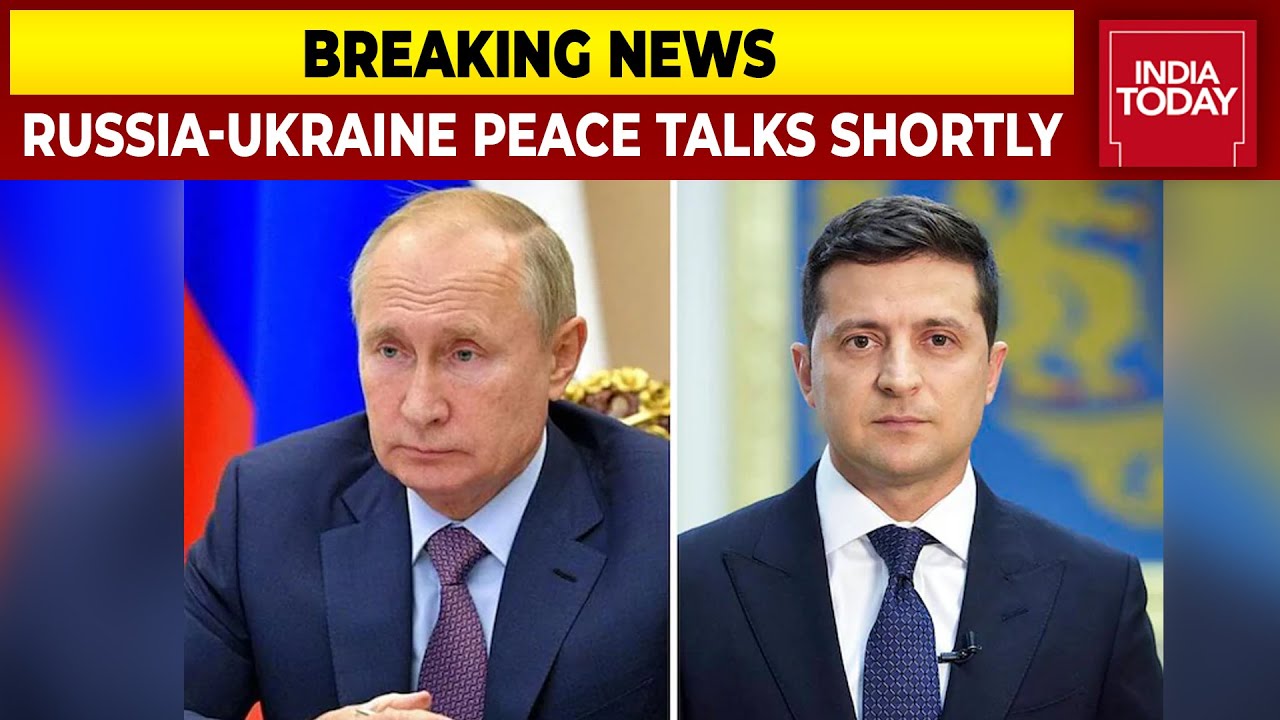
Russia-Ukraine Peace Talks At Belarus Border Shortly | Breaking News

Trump tells Zelensky: Sign peace deal ‘by Thursday’ or have weapons cut off | Ukraine: The Latest
Ukrainian President Volodymyr Zelensky has cast doubt on the planned second round of three-way peace talks with the United States and Russia, hinting that unforeseen developments concerning Iran could impact the timing of the crucial dialogue. The anticipated talks, initially scheduled for Sunday in Abu Dhabi, aim to iron out differences between the warring nations and their key international mediator, though their future now appears uncertain.
Zelensky Raises Concerns Over Talks' Timing
In a significant statement on Friday, President Zelensky suggested that the follow-up discussions, which were meant to build on last week's initial peace efforts, might not proceed as planned. He explicitly linked the potential delay to the US's attention being diverted elsewhere, stating, “From our point of view, something is happening in the situation between the United States and Iran, and those developments could affect the timing,” as reported by The Independent.
This comes after US President Donald Trump indicated that Russian President Vladimir Putin had agreed to refrain from targeting Ukrainian energy infrastructure over the weekend. Ukraine, in turn, committed not to strike Russia's energy grid, though it noted Moscow’s continued attacks on other civilian targets. Moscow has indicated that this limited ceasefire will conclude on Sunday, further underscoring the urgency of potential diplomatic solutions.
Diplomatic Maneuvers and Shifting Schedules
Adding to the diplomatic uncertainty, Russia’s special envoy, Kirill Dmitriev, is expected to arrive in Miami today for meetings with members of the Trump administration. This precedes the scheduled trilateral meeting in the UAE, which Zelensky’s comments have now thrown into question, suggesting both the date and location could change. Previously, it was also announced that Trump's top envoys, Steve Witkoff and Jared Kushner, would not be participating in this weekend's scheduled meeting, as stated by Marco Rubio earlier in the week. These developments highlight the fluid and complex nature of the ongoing diplomatic efforts to de-escalate the conflict.
dire Humanitarian Crisis Looms with Arctic Front
As diplomatic uncertainties mount, Ukraine is simultaneously bracing for a severe cold wave, with temperatures in Kyiv expected to plummet to an alarming -24.4 degrees Celsius (-12 Fahrenheit) next week. This extreme weather threatens to exacerbate an already dire humanitarian situation, as millions remain without consistent power and heating due to relentless Russian attacks on critical energy infrastructure. Ukrainian officials have informed foreign diplomats that all major energy plants in the country have been either "damaged or ruined."
The severity of the impending cold has led to grim predictions. Mykola Murskyj, advocacy director at Razom, a non-profit supporting Ukraine, articulated the gravity of the situation: "They're preparing for the fact that people in the upper (stories) of apartment buildings are going to freeze to death. They're preparing to retrieve the bodies. It's extremely grim," he told The Independent.
USAID Funding Delays and Broader Implications
Further compounding Ukraine's energy crisis, concerns are rising among US and European officials regarding millions of dollars intended for energy assistance that have reportedly been held up. Sources, including US and Ukrainian officials, claim that the US Agency for International Development (USAID) was expected to release these funds before its effective shuttering last year under the Trump administration. These crucial funds, some of which reportedly fell into "bureaucratic limbo," were part of significant pledges from the previous Biden administration, including $824 million in mid-2024, aimed at rebuilding Ukraine's energy infrastructure. The delay in this vital aid comes at a critical juncture, as Russia continues to scale up its attacks on these facilities.
Calls for Escalation from Russian Lawmakers
On the Russian side, hardline lawmakers are reportedly pressuring the Kremlin to employ more powerful weapons in Ukraine. Vyacheslav Volodin, speaker of Russia's lower parliamentary chamber, the State Duma, wrote on Telegram, “Our troops are advancing. State Duma deputies insist on the use of more powerful 'weapons of retribution.' This rhetoric from within Russia underscores the complex and often contradictory pressures affecting both the battlefield and the diplomatic table. While a fragile agreement to pause attacks on energy infrastructure remains in place, the differing interpretations of its timeframe, coupled with such calls for escalation, suggest a long and arduous path towards any lasting peace.
Related Articles
Trump Hints at War Wind-Down Amid Escalating Middle East Tensions
As tensions escalate in the Middle East, former President Trump suggests winding down the conflict, while Iran intensifies attacks and threatens new targets, including US and Israeli officials globally. The US temporarily lifts some Iranian oil sanctions to stabilize markets.